

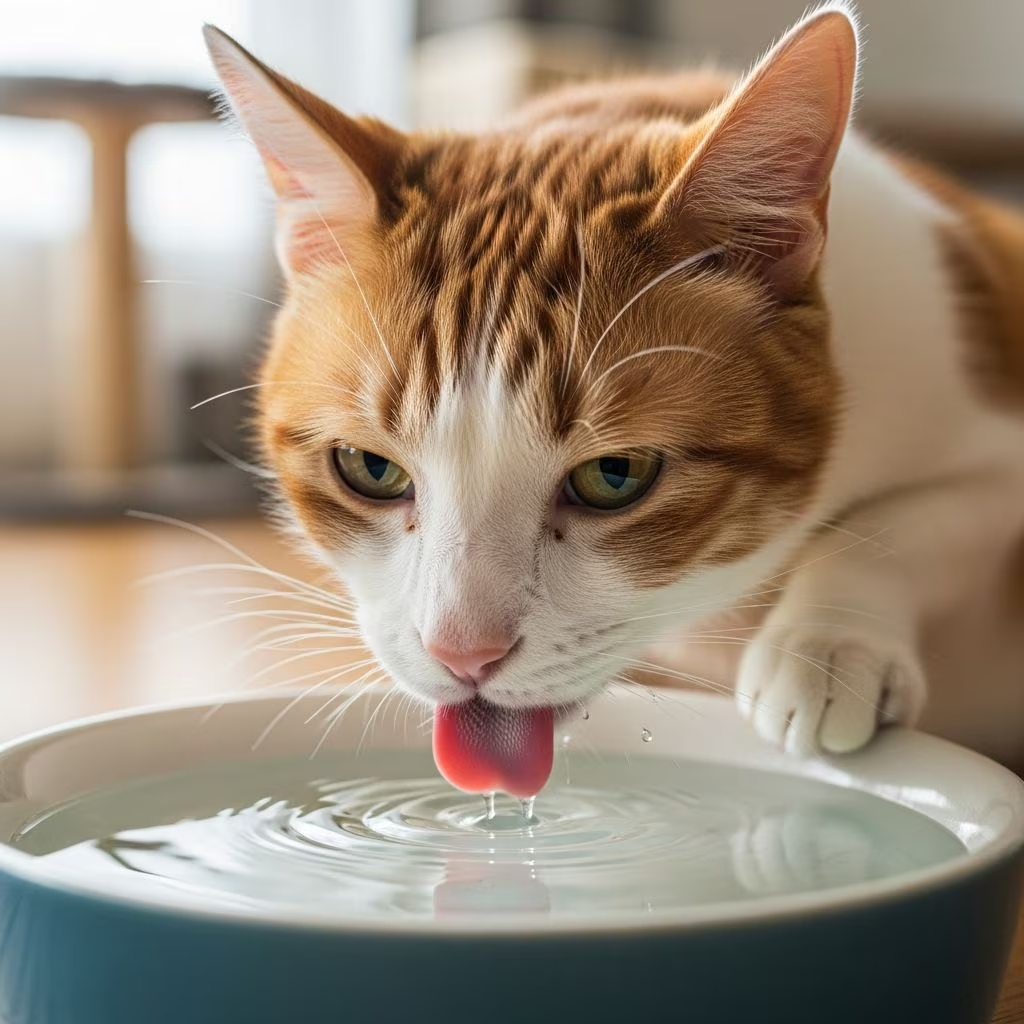
How to Help a Dehydrated Cat: Complete Guide to Recognition and Treatment
Dehydration is a serious health concern for cats that can develop quickly and lead to severe medical complications if left untreated. Unlike dogs, cats have a naturally low thirst drive stemming from their evolutionary history as desert animals, making them particularly vulnerable to dehydration. Water is essential to your cat’s overall health, playing critical roles in maintaining circulation, supporting digestion, and facilitating waste removal. When your cat loses more fluid than they intake, it’s not just water loss—it’s also the loss of essential minerals like chloride, sodium, and potassium. Understanding the signs, causes, and treatment options for cat dehydration is crucial for every cat owner who wants to keep their feline companion healthy and thriving.
Understanding Cat Dehydration
Dehydration occurs when fluid loss reaches 5% or more of your cat’s body weight. This seemingly simple condition can quickly escalate into a medical emergency if not addressed promptly. Dehydration disrupts your cat’s body chemistry and can impair vital functions, making early recognition and intervention essential. The severity of dehydration varies depending on the underlying cause, ranging from mild cases that respond well to home remedies to severe situations requiring immediate veterinary hospitalization.
Recognizing the Signs of Cat Dehydration
Identifying dehydration in your cat requires awareness of both obvious and subtle symptoms. Cat owners should regularly monitor their pets for the following warning signs:
Physical Symptoms
Loss of Skin Elasticity: One of the most reliable indicators of dehydration is reduced skin elasticity. To check this, gently pull the skin over your cat’s shoulder blades and release it. In a well-hydrated cat, the skin snaps back immediately. In a dehydrated cat, the skin returns to normal position slowly or remains slightly tented.
Sunken Eyes: Dehydrated cats often develop noticeably sunken eyes that appear withdrawn into their sockets. This is one of the most visible signs and should prompt immediate veterinary attention.
Dry Gums and Mouth: Check your cat’s gums regularly by lifting their lip gently. Healthy gums should be moist and pink. Dehydrated cats develop tacky or sticky gums, and the gums and tongue may appear pale. Dry mucous membranes are a consistent indicator of fluid loss.
Lethargy and Weakness: A dehydrated cat will appear unusually tired, lethargic, and weak. They may show reduced interest in activities they normally enjoy and spend more time resting or sleeping.
Behavioral and Physiological Changes
Loss of Appetite: Dehydration often suppresses appetite, causing your cat to eat or drink less than usual. This creates a problematic cycle where fluid loss continues while intake decreases.
Increased Heart Rate: You may notice your cat’s heart beating faster than normal. Increased heart rate occurs as the body attempts to compensate for fluid loss.
Changes in Urination and Urine Appearance: Dehydrated cats may urinate less frequently, and their urine becomes darker and more concentrated. Monitor your cat’s litter box habits as changes in urination patterns often indicate dehydration.
Constipation and Dry Stools: Reduced water intake often leads to harder, drier stools and constipation.
Common Causes of Cat Dehydration
Understanding what causes dehydration helps you prevent it and recognize when your cat needs veterinary care. Dehydration results from either inadequate water intake or excessive fluid loss, or a combination of both.
Insufficient Water Intake
Cats are notorious for not drinking enough water. Their low thirst drive is an evolutionary adaptation that helped them survive in arid environments but creates challenges in domestic settings. Some cats are particularly picky about their water sources. Water that sits stale in a bowl may be unappealing, or the bowl location may be inconvenient or unpleasant for your cat. Additionally, dental problems can make drinking painful, causing cats to avoid water altogether.
Medical Conditions and Illnesses
Several health conditions commonly cause dehydration in cats by increasing fluid loss:
Chronic Kidney Disease: This extremely common condition in older cats causes increased water loss and is one of the leading causes of feline dehydration.
Diabetes: Diabetic cats often experience polyuria (excessive urination), leading to significant fluid loss.
Hyperthyroidism: This overactive thyroid condition increases metabolism and fluid loss.
Vomiting and Diarrhea: These symptoms cause rapid fluid loss and may prevent your cat from drinking or eating to replace lost fluids. Prolonged vomiting or diarrhea constitutes a medical emergency.
Environmental and Lifestyle Factors
Heat Exposure: Hot weather and prolonged exposure to warm indoor temperatures increase fluid loss through panting and minimal sweating through the paws.
Lack of Water Access: Cats with outdoor lifestyles may have limited water access, and indoor cats may face territorial conflicts preventing them from reaching water bowls.
Poor Diet: Cats fed exclusively on dry kibble without wet food access receive insufficient dietary moisture. Chronic dehydration often results from low-level fluid loss from kibble-based diets combined with insufficient drinking.
Other Contributing Factors
Medications: Certain medications, including diuretics used to treat heart disease, increase fluid loss.
Post-Surgical or Traumatic Events: Surgery and traumatic injury often cause dehydration.
Fever: Fevers increase fluid loss through perspiration and metabolic increases.
How Veterinarians Diagnose Dehydration
If you suspect your cat is dehydrated, prompt veterinary evaluation is essential. Veterinarians use several diagnostic methods to assess dehydration severity and identify underlying causes:
Physical Examination: Your veterinarian will assess skin elasticity, eye appearance, and gum moisture while checking for clinical signs like sunken eyes and poor skin turgor.
Capillary Refill Time (CRT) Test: This specialized test measures moisture in your cat’s system by checking how quickly blood returns to gum tissue after gentle pressure.
Bloodwork: Blood tests reveal electrolyte imbalances and other complications related to dehydration, helping determine treatment approach.
Urine Analysis: Concentrated urine indicates insufficient fluid intake. Urine specific gravity measurements help assess hydration status.
Home Remedies and Prevention Strategies
For mild dehydration, several home remedies can encourage your cat to drink more and maintain healthy hydration levels:
Increase Water Intake Through Diet
Offer Wet Food: Incorporating wet food into your cat’s diet increases water intake significantly. Wet food contains substantially more moisture than dry kibble and helps prevent the chronic dehydration that often results from all-kibble diets.
Add Broth to Water or Food: A small amount of low-sodium chicken broth or tuna juice added to your cat’s water bowl or food makes it more appealing. Many cats prefer flavored water to plain water.
Try Cat Soup Supplements: Commercial cat “soup” or broth supplements available at most pet stores provide additional hydration in an appealing format.
Optimize Water Accessibility and Appeal
Provide Fresh Water: Always maintain clean, fresh water in multiple locations throughout your home. Change water daily and clean bowls to prevent bacterial buildup.
Use a Water Fountain: Many cats prefer running water to still water in a bowl. A cat water fountain can significantly increase water consumption in picky drinkers.
Offer Filtered Water: Some cats prefer filtered water, and fountains often include filtration systems.
Try Ice Cubes: Some cats enjoy ice cubes in their water bowl or as treats during playtime.
Monitor Hydration Habits
Keep a close eye on your cat’s litter box habits and urine output. Track changes in drinking patterns and monitor your cat’s weight. Regular observation helps you catch dehydration early before it becomes severe.
Professional Veterinary Treatment
When home remedies aren’t sufficient or dehydration is moderate to severe, professional veterinary treatment becomes necessary.
Mild Dehydration Treatment
If dehydration is caught early, your veterinarian may recommend increased water intake through dietary modifications. In some cases, your vet may administer subcutaneous fluids—fluids given under the skin—without requiring lengthy hospitalization. Subcutaneous fluid therapy is typically performed as an outpatient procedure.
Moderate to Severe Dehydration Treatment
More serious cases require intravenous (IV) fluid therapy administered through a catheter placed directly into your cat’s vein. IV fluids restore hydration levels quickly and ensure electrolytes are properly balanced. Severely dehydrated cats often require hospitalization for several days to receive multiple rounds of IV fluids and monitoring. Very dehydrated animals may require several days to regain normal hydration.
Addressing Underlying Causes
Determining and treating the underlying cause of dehydration is equally important as treating the dehydration itself. Your veterinarian will work to identify whether dehydration resulted from kidney disease, diabetes, vomiting, diarrhea, or other conditions, and develop a comprehensive treatment plan addressing the root cause.
Prevention: Maintaining Optimal Hydration
Preventing dehydration is far easier than treating it. Implement these strategies to keep your cat properly hydrated:
Balanced Diet: Include wet food in your cat’s regular diet rather than feeding exclusively on dry kibble. A mixed diet of wet and dry food provides better hydration than kibble alone.
Water Source Management: Maintain clean, fresh water in multiple easily accessible locations. Change water daily and consider offering water in different bowl types, as some cats have preferences.
Environmental Control: Maintain comfortable indoor temperatures, avoid excessive heat exposure, and ensure your cat can access cool areas during hot weather.
Regular Veterinary Checkups: Regular wellness exams help identify diseases like kidney disease and diabetes early, before severe dehydration develops.
Monitor Litter Box Habits: Regular observation of urination frequency and urine appearance helps catch dehydration early.
When to Seek Emergency Veterinary Care
Contact your veterinarian immediately if your cat shows signs of moderate to severe dehydration, including:
– Significantly sunken eyes- Severe lethargy or unresponsiveness- Inability to stand or move normally- Rapid or weak pulse- Persistent vomiting or diarrhea- Refusal to drink or eat for more than 24 hours- Signs of shock (pale gums, weak pulse, cold extremities)
Severe dehydration can quickly become life-threatening, making prompt professional intervention essential.
Frequently Asked Questions
Q: How can I tell if my cat is dehydrated?
A: Check for multiple signs including loss of skin elasticity (skin doesn’t snap back when gently pulled), sunken eyes, dry gums, lethargy, reduced appetite, increased heart rate, and decreased urination with darker urine color. If you notice multiple symptoms, contact your veterinarian.
Q: What’s the best way to encourage my cat to drink more water?
A: Try using a water fountain (many cats prefer running water), adding wet food to their diet, offering multiple water bowls in different locations, adding a small amount of chicken broth to their water, or trying filtered water. Some cats also enjoy ice cubes.
Q: Can dehydration in cats be treated at home?
A: Mild dehydration can sometimes be managed at home by increasing water intake through diet and providing more accessible water sources. However, if your cat shows signs of moderate to severe dehydration or if home remedies don’t improve the situation within 24 hours, seek veterinary care immediately.
Q: Is dry food bad for cats?
A: While dry food isn’t inherently bad, cats on all-kibble diets are at higher risk for chronic dehydration because kibble contains very little moisture. Including wet food in your cat’s diet helps maintain proper hydration levels.
Q: What medical conditions commonly cause cat dehydration?
A: The most common causes include chronic kidney disease, diabetes, hyperthyroidism, vomiting, diarrhea, and fever. If your cat is prone to dehydration, ask your veterinarian about screening for these conditions.
Q: How quickly does cat dehydration develop?
A: Dehydration can develop rapidly, especially if your cat is experiencing vomiting, diarrhea, fever, or heat exposure. In severe cases, significant dehydration can occur within hours, making prompt recognition and treatment critical.
Q: What’s the difference between subcutaneous and IV fluids?
A: Subcutaneous fluids are administered under the skin as an outpatient procedure, making them less intensive but slower-acting. IV fluids go directly into the bloodstream, working faster and providing more immediate relief. Severe dehydration typically requires IV fluids, while mild to moderate cases may respond to subcutaneous therapy.
References
- Cat Dehydration: Signs, Symptoms, and Treatments — Lane Veterinary. 2024. https://lanevet.com/blog/cat-dehydration-signs-symptoms-and-treatments/
- Hydration — Cornell University College of Veterinary Medicine. 2021. https://www.vet.cornell.edu/departments-centers-and-institutes/cornell-feline-health-center/health-information/feline-health-topics/hydration
- Cat Dehydration: Symptoms, Causes, and Treatments — WebMD. https://www.webmd.com/pets/cats/dehydration-cats
- 7 Signs of Cat Dehydration to Watch For — Pets Furst Urgent Care. https://petsfursturgentcare.com/blog/cat-dehydration/
- Is My Cat Dehydrated? Signs to Look For — PetMD. https://www.petmd.com/cat/symptoms/is-my-cat-dehydrated
- Chronic Cat Dehydration — Mud Bay. https://blog.mudbay.com/chronic-cat-dehydration/
- Is My Cat Dehydrated? How to Spot Dehydration in Cats — Williams Vet Wellness. https://www.williamsvetwellness.com/services/cats/blog/my-cat-dehydrated-spotting-dehydration-cats-and-promoting-healthy-drinking



