

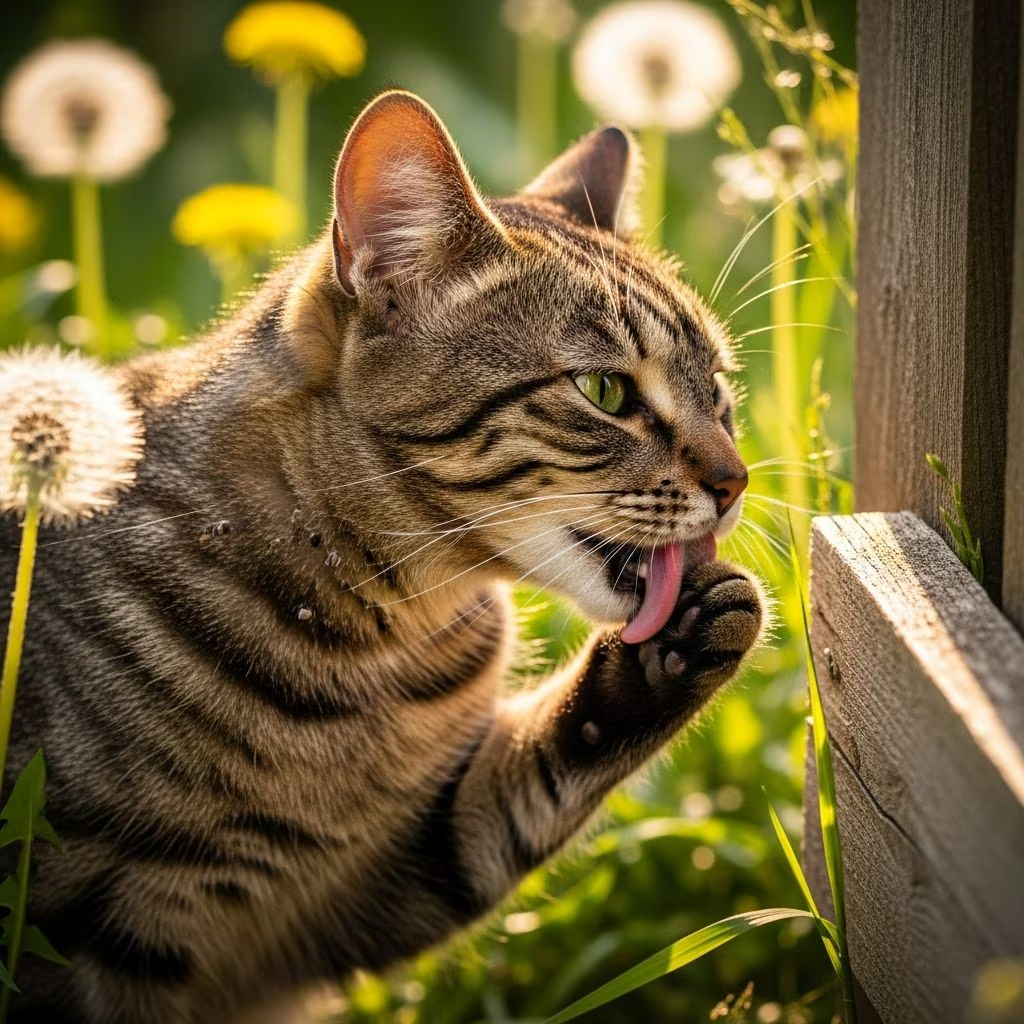
Fleas pose a significant health risk to feral cats, causing itching, anemia, and disease transmission in community cat populations. Controlling fleas humanely without direct handling is essential for these wary animals. This guide outlines five veterinarian-recommended methods to manage fleas effectively while prioritizing cat welfare and overpopulation prevention.
The 5 Tips to Help Control Fleas in Feral Cats
Addressing fleas in feral cats requires strategies that minimize stress and avoid harm. These approaches focus on environmental control, nutrition, and targeted treatments suitable for unowned cats.
1. Engage in Trap-Neuter-Return (TNR)
Trap-Neuter-Return (TNR) is a cornerstone of feral cat management, reducing population growth while providing flea treatment opportunities. During TNR, cats are trapped humanely, spayed or neutered by veterinarians, vaccinated, and treated for fleas and parasites before release.
Vets often administer topical flea preventives like Revolution during TNR, which also treats ear mites and worms. This one-time handling ensures comprehensive care without repeated captures. TNR not only curbs kitten births—reducing flea-infested litters—but stabilizes colonies, making ongoing care easier.
- Benefits: Prevents overpopulation, delivers medical care including flea treatment, improves community cat health.
- How to start: Contact local TNR groups or shelters for traps and clinics. Follow no-kill protocols.
- Flea impact: Kills existing fleas and provides month-long prevention.
Communities with active TNR programs report fewer flea issues due to healthier, managed cat populations.
2. Put Food & Water Out for Feral Cats
Providing consistent, high-quality food and fresh water strengthens feral cats’ immune systems, helping them resist fleas and other parasites. Well-nourished cats groom more effectively and maintain healthier skin.
Choose nutrient-dense wet or dry cat food, portioned to be consumed within 30 minutes. Overfeeding attracts wildlife like raccoons, which carry fleas. Place stations in sheltered spots away from high-traffic areas.
- Best practices: Feed at set times daily; remove uneaten food promptly.
- Water tips: Use shallow bowls refilled frequently to prevent stagnation, a flea breeding ground.
- Health boost: Strong immunity reduces flea infestation severity.
Avoid milk or human foods, as they upset digestion. Clean stations weekly to deter pests.
3. Use All-Natural Insecticides
Natural options target fleas in the environment without risking cat safety. These are ideal for yards, shelters, and hangouts frequented by feral cats.
Diatomaceous Earth
Food-grade diatomaceous earth (DE) is a powder from fossilized algae that dehydrates fleas on contact by damaging their exoskeletons. Sprinkle lightly around shelters, bedding, and shady resting spots.
- Application: Use food-grade only; apply thinly to avoid inhalation. Reapply after rain.
- Safety: Non-toxic to cats, worms, and plants when dry.
- Effectiveness: Reduces fleas within days.
Beneficial Nematodes
These microscopic worms prey on flea larvae in soil, safe for cats, humans, and pets. Mix with water and spray moist, shaded areas where cats rest.
- Application: Use a lawn sprayer in spring; nematodes multiply quickly in warm, damp conditions.
- Reapplication: Refresh annually as they die in cold weather.
- Results: Drastically cuts flea populations in 48 hours.
Combine DE and nematodes for comprehensive yard control. Avoid sunny or dry areas where efficacy drops.
4. Use Standard Flea Medicine
Prescription flea treatments offer robust protection but challenge feral cats’ aversion to handling. Oral options like Capstar or chewables mixed in food are most practical.
Capstar kills adult fleas within hours when crushed into canned food. It’s safe for kittens over 4 weeks (half-dose for young ones) and non-prescription. For prevention, use monthly orals like Comfortis.
| Method | Pros | Cons | Best For |
|---|---|---|---|
| Oral (Capstar) | Fast-acting, easy to mix in food, no handling | No residual protection; monitor dosage | Immediate relief |
| Topical (Revolution) | Month-long protection, multi-parasite | Requires trapping/application | TNR sessions |
Coordinate with neighbors to avoid overdosing shared cats. Consult vets for colony-specific advice.
5. Bathe Feral Kittens With a Flea-Eliminating Shampoo
Feral kittens under 12 weeks are easier to handle for baths, removing heavy flea burdens that cause anemia. Use mild, vet-approved shampoo like Dawn dish soap.
Create a soapy ring around the neck and anus first to trap fleas, then lather thoroughly. Rinse well and dry gently before release.
- Steps: Warm water, minimal stress, towel-dry in a box.
- Follow-up: Apply topical like Advantage after drying.
- Caution: Avoid adults to prevent trauma.
Bathing kills fleas instantly; combine with Capstar for larvae. Socialize gently if possible for future care.
Frequently Asked Questions (FAQs)
Can I use flea collars on feral cats?
No, collars risk snagging and injury in feral cats. Opt for orals or topicals during TNR.
Is diatomaceous earth safe for feral cats?
Yes, food-grade DE is non-toxic; apply away from food and reapply sparingly.
How often should I treat feral cats for fleas?
Monthly during peak seasons (spring-fall); use TNR for comprehensive care.
What if I find flea-infested kittens?
Bathe immediately with Dawn, give Capstar, and seek TNR or fostering.
Do nematodes harm other wildlife?
No, they target flea larvae specifically and are safe for ecosystems.
Additional Tips for Flea Management in Feral Colonies
Maintain clean shelters by changing bedding twice yearly, sprinkling DE or mint underneath. Mow lawns short and remove debris to disrupt flea life cycles. Monitor for anemia signs like lethargy in kittens.
For large colonies, partner with Alley Cat Allies or local rescues for resources. Consistent care reduces vet bills and improves cat quality of life.
References
- How to Help Control Fleas in Feral Cats: 5 Vet-Approved Tips & Tricks — Catster. 2023. https://www.catster.com/cat-health-care/how-to-help-control-fleas-in-feral-cats/
- 6 Types of Flea Treatment for Outdoor Cats — Chewy. 2024. https://www.chewy.com/education/cat/flea-and-tick/best-flea-control-for-cats-who-live-outdoors
- Fleas and Parasites — Alley Cat Allies. 2023. https://www.alleycat.org/community-cat-care/fleas-and-parasites/
- Flea and Tick Prevention and Treatment for Cats — PetMD. 2025-01-10. https://www.petmd.com/cat/general-health/flea-and-tick-prevention-and-treatment-cats
- Some Helpful Tips for Medicating Feral Kittens — Urban Cat League. 2022. https://urbancatleague.org/resources/medicating-ferals/



