

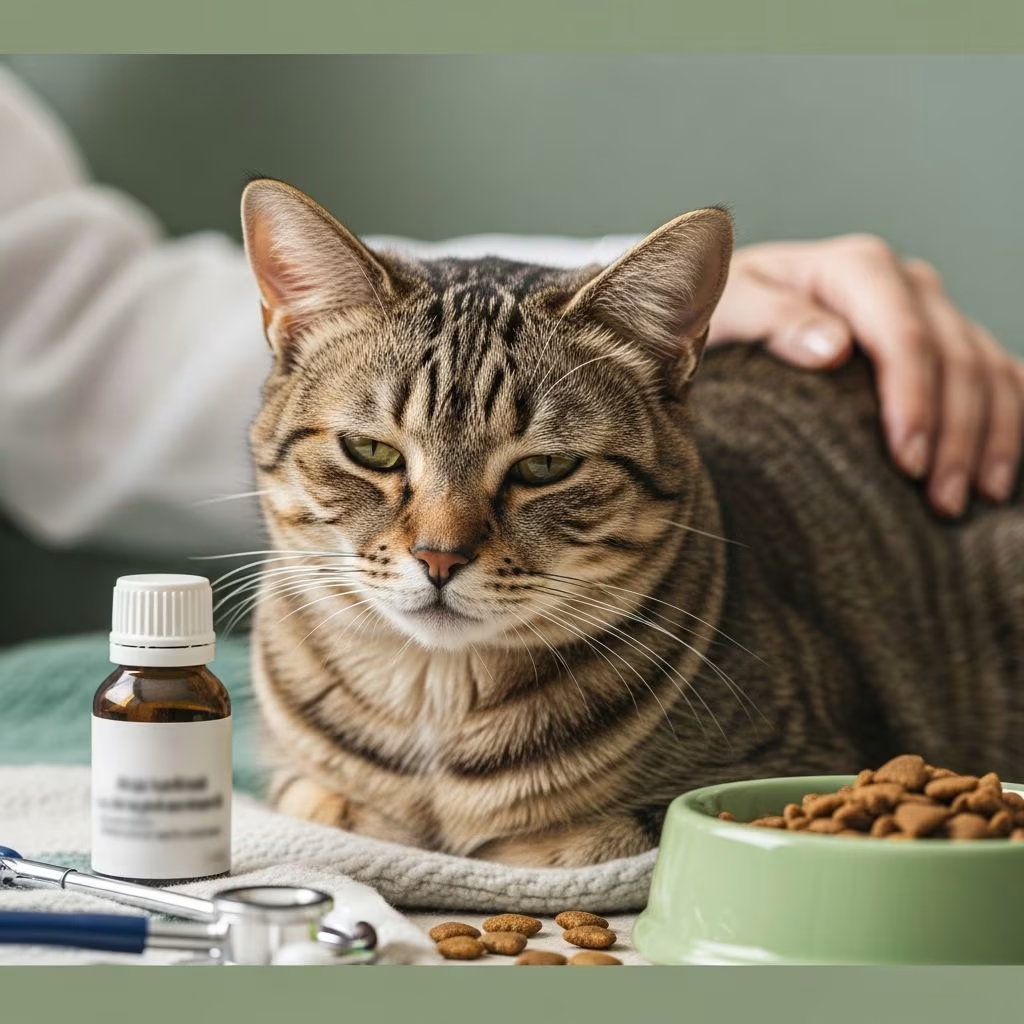
How to Help a Constipated Cat: A Comprehensive Guide
Constipation in cats is a common health concern that can affect felines of any age or breed. If you’ve noticed your cat straining in the litter box, producing hard stools, or going several days without a bowel movement, your pet may be experiencing constipation. Understanding the causes, recognizing the symptoms, and knowing how to respond with appropriate remedies can help your cat feel better and prevent serious complications. This guide covers everything you need to know about managing feline constipation at home and when professional veterinary care is necessary.
Understanding Cat Constipation
Cat constipation occurs when your feline companion has difficulty passing stool or experiences infrequent bowel movements. While occasional constipation may resolve on its own, chronic or severe cases require attention. Cats typically have bowel movements once or twice daily, so if your cat hasn’t defecated for more than two to three days, it’s worth investigating. Understanding what causes constipation and recognizing early signs can help you intervene before the problem becomes serious.
Common Causes of Cat Constipation
Constipation in cats can result from various factors, ranging from dietary issues to underlying medical conditions. Identifying the root cause is essential for determining the most effective treatment approach.
Dietary Factors
Low-fiber diets represent one of the most common causes of constipation in cats. Dry kibble diets, in particular, can predispose cats to constipation and dehydration. Cats eating primarily dry food without sufficient moisture intake may develop harder, more difficult-to-pass stools. Additionally, cats that don’t drink enough water throughout the day are at higher risk for constipation. Providing adequate hydration and ensuring your cat consumes enough fiber are crucial preventative measures.
Weight and Lifestyle Issues
Obesity and sedentary lifestyles contribute significantly to constipation in cats. Overweight cats may have difficulty assuming proper posture for defecation, while lack of exercise slows intestinal motility and reduces the natural movement needed for healthy bowel function. Maintaining a healthy weight through proper nutrition and encouraging regular physical activity can prevent constipation-related problems.
Hair Ingestion and Obstructions
Excessive grooming, particularly common in long-haired breeds, leads to hair accumulation in the digestive tract. This hairball buildup can obstruct normal bowel movements. Additionally, cats may ingest foreign objects such as bones, string, or other materials that block the colon. Any suspected obstruction requires immediate veterinary attention.
Pain and Mobility Challenges
Arthritis, spinal issues, and other sources of pain can make defecation uncomfortable for cats, causing them to avoid the litter box and retain stool. Elderly cats, particularly those with age-related arthritis, experience constipation more frequently than younger felines. Pain management and mobility support become increasingly important as cats age.
Medical Conditions
Several underlying health conditions can cause or contribute to constipation in cats. Kidney disease, one of the most common causes in older cats, leads to dehydration as the kidneys draw water from the body. This makes stool harder and more difficult to pass. Other medical causes include:
- Inflammatory bowel disease
- Allergies
- Feline megacolon, where the colon becomes enlarged and loses muscle tone
- Hyperthyroidism, diabetes, and other chronic diseases
- Nerve problems affecting bowel function
- Tumors or narrow places within the colon
- Cancer
- Impacted or ruptured anal sacs
Stress and Anxiety
Cats are sensitive animals, and emotional stress or anxiety can significantly impact their digestive health. Changes in the home environment, new pets, or dirty litter boxes can cause stress-related constipation. Creating a calm, stable environment for your cat is an important preventative measure.
Recognizing Symptoms of Cat Constipation
Early recognition of constipation symptoms allows for prompt intervention. Watch for these signs that your cat may be experiencing constipation:
- Straining or difficulty during defecation
- Infrequent bowel movements (less than once daily)
- Small, hard, or dry stools
- Lack of appetite or reduced interest in food
- Lethargy or decreased activity levels
- Abdominal pain or sensitivity
- Vomiting
- Increased vocalization while in the litter box
- Avoiding the litter box
- Behavioral changes or irritability
If your cat displays any of these symptoms, particularly if they persist for more than a day or two, contact your veterinarian for professional evaluation.
Home Remedies for Mild Constipation
For mild cases of constipation, several at-home remedies can help get your cat’s digestive system moving again. These approaches are safe, natural, and often effective when implemented consistently.
Increase Hydration
One of the most important steps in treating constipation is ensuring your cat drinks adequate water. Dehydration makes stool harder and more difficult to pass. Here are effective strategies to increase your cat’s water intake:
- Provide fresh, clean water in multiple locations throughout your home
- Use water fountains, which many cats find more appealing than still water
- Offer wet food or canned food, which contains significant moisture
- Add water or low-sodium broth to dry kibble
- Consider switching partially or entirely to wet food diets
Dietary Adjustments and Fiber
Dietary changes are often the most effective long-term solution for constipation. Increasing fiber intake helps bulk up stool and promotes regular bowel movements. Natural fiber remedies include:
- Canned pumpkin: One teaspoon of plain, unsweetened canned pumpkin once or twice daily is a popular and effective remedy. The fiber and moisture content help normalize digestion.
- High-fiber cat foods: Special formulated high-fiber diets designed specifically for constipated cats
- Ginger: A small amount of ginger can stimulate digestive motility
- Limited-ingredient or hypoallergenic diets: Some cats may have sensitivities causing inflammation that contributes to constipation
Increase Physical Activity
Regular exercise promotes intestinal motility and helps maintain healthy body weight. Encourage your cat to play more by:
- Using interactive toys like feather wands or laser pointers
- Establishing regular play sessions throughout the day
- Creating vertical spaces for climbing, which engages multiple muscle groups
- Playing chase games or hide-and-seek with treats
Stress Reduction
Creating a calm environment reduces stress-related constipation. Minimize anxiety by:
- Maintaining consistent routines and schedules
- Providing quiet spaces where your cat can retreat
- Using calming supplements or diffusers if recommended by your vet
- Avoiding sudden environmental changes when possible
Litter Box Maintenance
A clean, accessible litter box encourages regular bathroom habits. Ensure:
- The litter box is cleaned daily
- Provide one litter box per cat, plus one extra
- Place boxes in quiet, accessible locations
- Boxes are large enough for comfortable posturing
- Use litter types your cat prefers
Weight Management
Maintaining a healthy weight is crucial for preventing constipation. Work with your veterinarian to:
- Determine your cat’s ideal weight
- Establish appropriate portion sizes
- Choose high-quality, nutrient-dense foods
- Avoid excessive treats
Probiotics
Probiotic supplements maintain healthy gut flora and support digestive function. These beneficial bacteria can improve intestinal motility and overall digestive health. Consult your veterinarian about appropriate probiotic products for your cat.
Veterinary Treatment Options
When home remedies don’t resolve constipation, or when symptoms are severe, professional veterinary treatment becomes necessary. Your veterinarian will conduct a physical examination and may recommend diagnostic imaging to determine the underlying cause.
Laxatives and Stool Softeners
Several prescription and over-the-counter medications can help relieve constipation:
- Lactulose: An osmotic laxative that draws water into the stool
- Miralax (polyethylene glycol): A stool softener that increases water retention in feces
- Dioctyl sodium sulfosuccinate (DSS): A lubricating laxative that eases stool passage
Always consult your veterinarian before giving your cat any laxatives, as these medications may worsen symptoms in cats with underlying or chronic diseases.
Enemas
For more severe impaction, your veterinarian may recommend an enema to manually remove hardened stool. This procedure is typically performed under professional supervision to ensure your cat’s safety and comfort.
Treatment of Underlying Conditions
If constipation results from an underlying medical condition like kidney disease, arthritis, or thyroid problems, treating the primary condition often resolves constipation. Your veterinarian will develop a comprehensive treatment plan addressing the root cause.
Subcutaneous Fluids
If your cat is dehydrated, your veterinarian may recommend subcutaneous fluid therapy to restore hydration and support kidney function.
When to Seek Emergency Veterinary Care
Certain situations require immediate veterinary attention. Contact an emergency veterinary clinic if your cat:
- Shows signs of bowel obstruction (repeated vomiting, extreme abdominal pain, inability to defecate for more than three days)
- Appears lethargic or in severe pain
- Has blood in stool or vomit
- Has a distended, hard abdomen
- Shows signs of fever
- Collapses or becomes unresponsive
Prevention Strategies
Preventing constipation is far easier than treating it. Implement these strategies to keep your cat’s digestive system healthy:
- Feed high-quality, fiber-appropriate diets suited to your cat’s age and health status
- Ensure consistent access to fresh water
- Maintain regular exercise and play sessions
- Keep your cat at a healthy weight
- Manage stress and maintain environmental consistency
- Address underlying health conditions promptly
- Maintain excellent litter box hygiene
- Schedule regular veterinary check-ups to catch health issues early
Frequently Asked Questions About Cat Constipation
Q: How long can a cat go without pooping?
A: Most healthy cats have bowel movements once or twice daily. If your cat hasn’t defecated for more than two to three days, contact your veterinarian, as this may indicate constipation or an underlying health issue.
Q: Is canned pumpkin safe for cats?
A: Yes, plain, unsweetened canned pumpkin is safe and beneficial for cats with constipation. One teaspoon once or twice daily is the standard recommended dose. Avoid pumpkin pie filling, which contains added sugars and spices.
Q: Can I give my cat over-the-counter laxatives?
A: While some over-the-counter laxatives are available, always consult your veterinarian before administering them. Certain laxatives may worsen symptoms in cats with underlying chronic diseases or specific health conditions.
Q: Why is my indoor cat constipated?
A: Indoor cats commonly experience constipation due to dry food diets, inadequate water intake, lack of exercise, stress, obesity, or underlying medical conditions. Dietary adjustments and increased hydration often resolve the issue.
Q: Can stress cause constipation in cats?
A: Yes, stress and anxiety significantly impact feline digestive health and can cause constipation. Creating a calm environment, maintaining consistent routines, and providing safe spaces help reduce stress-related constipation.
Q: Should I worry if my cat is constipated?
A: Mild constipation can often be managed at home with dietary and lifestyle changes. However, if constipation persists beyond two to three days, is accompanied by vomiting or abdominal pain, or if your cat shows signs of distress, seek veterinary care promptly.
References
- Constipation in Cats — VCA Animal Hospitals. 2024. https://vcahospitals.com/know-your-pet/constipation-in-cats
- Cat Constipation: Symptoms, Causes & Treatment — Purina. 2024. https://www.purina.com/articles/cat/health/symptoms/constipation
- Cat Constipation Symptoms and Causes — PetMD. 2024. https://www.petmd.com/cat/conditions/digestive/cat-constipation-symptoms-causes
- Constipation in Cats: Symptoms, Causes & Treatment — New Hope Animal Hospital. 2024. https://www.newhopeanimalhospital.com/site/blog/2024/07/15/constipation-cats
- Constipation in Cats: Causes, Symptoms & Treatment — AnimERge Veterinary Emergency & Specialty Hospital. 2021. https://www.animergevets.com/site/blog/2021/01/15/constipation-dogs-causes-symptoms-treatment



