

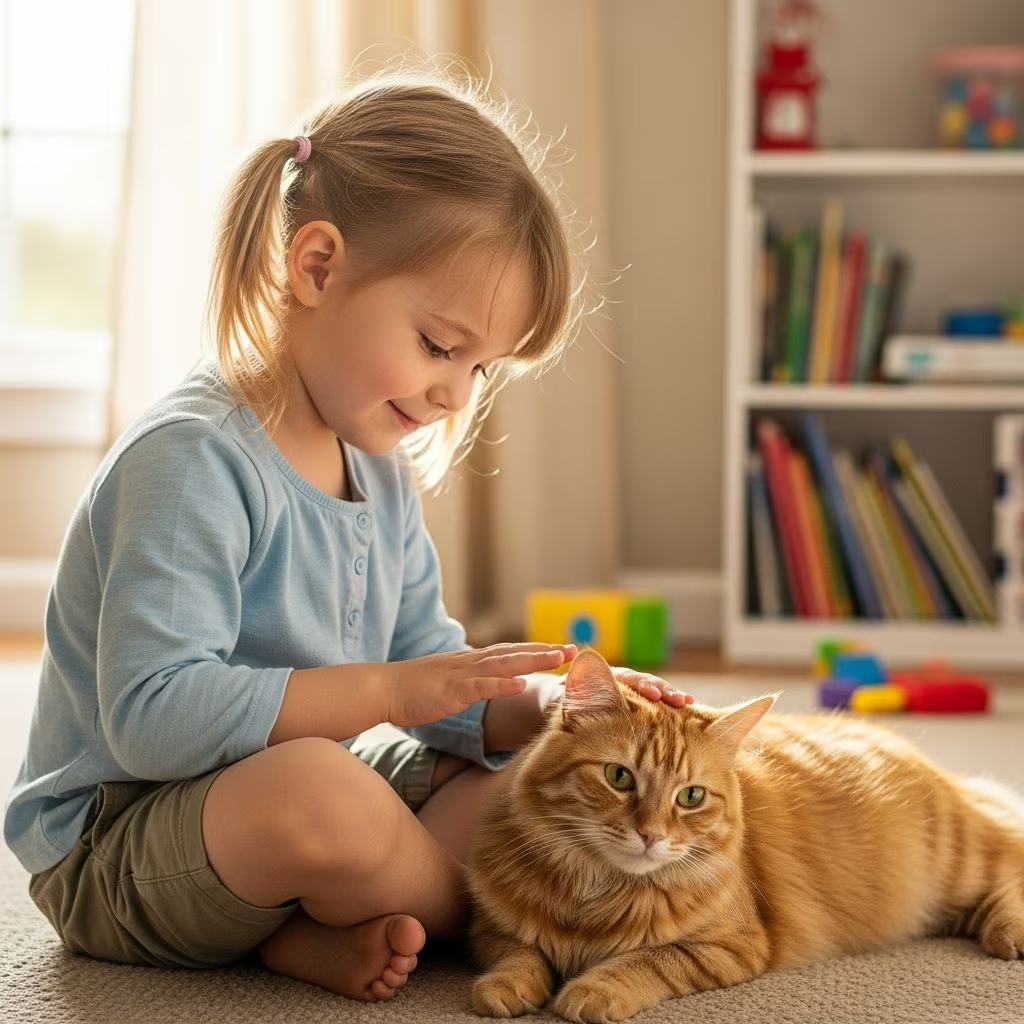
Cats and children can develop deep, rewarding bonds that benefit both parties emotionally and developmentally. Fostering this relationship requires patience, education, and supervision to ensure safety and mutual respect.
The Benefits of Cats and Children Bonding
Interacting with cats helps children build empathy, responsibility, and emotional resilience. Cats provide constant companionship, proactive engagement, and opportunities for nurturing, which boost a child’s self-esteem without the judgment humans might impose.
- Emotional Support: Cats offer a non-judgmental outlet for children to express feelings, reducing stress from sharing with peers or family.
- Responsibility Building: Caring for a cat teaches accountability, as studies link pet ownership to increased empathy and reduced allergies in children when guided properly by parents.
- Social Skills: Shared activities like playing and grooming promote patience and gentle interactions.
However, these benefits only emerge when adults model positive behaviors and supervise interactions, preventing stress for the cat.
Age-Appropriate Guidelines for Cats and Children
Tailor interactions based on the child’s age to match their abilities and the cat’s tolerance levels.
| Age Group | Recommended Activities | Supervision Level |
|---|---|---|
| Infants & Toddlers (0-3 years) | Observation only; no direct handling | Constant |
| 3-7 years | Simple tasks like brushing or feeding under guidance | High |
| 8-14 years | Feeding, litter cleaning, play sessions | Moderate |
For children under 6, experts recommend waiting to introduce kittens, allowing supervised contact with resident adult cats.
The 9 Tips to Help Children & Cats Bond
Follow these vet-verified strategies to create positive experiences from the start.
1. Teach Your Kids How to Handle the Cat
Instill rules early: cats are not toys. Prohibit pulling, hitting, or chasing. Teach children to support the cat’s chest behind front legs with one hand and secure hindquarters with the other for safe holding.
- Read body language: Ears back or tail swishing signals ‘stop’.
- Use treats to encourage voluntary approach.
Gentle petting under the chin or on the cheeks feels best for cats; avoid belly rubs initially.
2. Do Proper Introductions
Start with scent swapping: rub a cloth on the child and cat, then exchange for familiarity. Allow visual access through a gate before face-to-face meetings.
Keep initial sessions short (5-10 minutes) in a quiet room, with the cat having escape routes.
3. Start Slowly
Let the cat dictate the pace. Children must learn patience as cats warm up independently.
Assign meal feeding to associate the child with positivity, gradually building trust over days or weeks depending on the cat’s personality.
4. Provide Safe Spaces
Equip your home with cat shelves, tunnels, or baby-gated rooms where the feline can retreat undisturbed. Teach kids to respect these ‘no-entry’ zones.
- Vertical spaces reduce stress.
- Signals privacy time, preventing overstimulation.
5. Keep the Noise Down
Loud voices scare cats. Train an ‘indoor voice’ for interactions, rewarding calm behavior to teach self-control.
This fosters gentleness, turning boisterous kids into considerate pet owners.
6. Lead by Example
Demonstrate respectful handling, play, and recognition of the cat’s mood. Supervise to correct mistakes gently.
Parents set the tone: show how to end play if the cat hides, modeling boundaries.
7. Supervise Play Sessions
Guide toy use with wand toys or balls to mimic hunting, keeping hands out. Praise good choices and intervene on rough play.
Use puzzle toys together for cooperative bonding.
8. Reward Positive Interactions
Praise and small incentives for gentle behavior reinforce habits. Track progress with a chart for motivation.
9. Encourage Responsibility
Assign age-suited chores like filling water bowls. Discuss the cat’s needs to build empathy.
Never punish the cat in front of kids; explain behaviors positively.
Common Myths About Cats and Children
Debunk misconceptions to promote healthy dynamics.
- Myth 1: Living with a pet always benefits kids. Truth: Gains depend on parental modeling of care.
- Myth 2: Cats dislike children. Truth: Cats bond well with respectful kids.
- Myth 3: Kids naturally know how to handle pets. Truth: Education is essential.
Recognizing Cat Body Language
Teach kids these signs to avoid scratches or bites.
- Relaxed: Slow blinks, upright tail, purring.
- Stressed: Dilated pupils, flattened ears, swishing tail—back off immediately.
- Playful: Crouched stance, twitching tail tip.
Use visuals or books to illustrate for better retention.
Playtime Ideas to Strengthen Bonds
Incorporate fun activities for mutual enjoyment.
- Chase feather wands for exercise.
- Hide-and-seek with boxes.
- Interactive puzzles for teamwork.
- Grooming sessions with soft brushes.
15-20 minutes daily prevents boredom and builds trust.
Potential Challenges and Solutions
Address issues proactively:
| Challenge | Solution |
|---|---|
| Cat hides from child | Increase safe spaces; reduce session length. |
| Child too rough | Immediate redirection; model gently. |
| Cat scratches | Trim nails; teach signals. |
| No interest in bonding | Use food lures; be patient. |
Frequently Asked Questions (FAQs)
Should I get a kitten for a young child?
Wait until age 6; adult cats tolerate kids better.
How long does bonding take?
Weeks to months, varying by cat’s personality.
What if my cat scratches my child?
Clean wound; reinforce body language lessons. Most incidents stem from ignored signals.
Can all cats bond with kids?
Most can with proper introduction; choose social breeds if possible.
Is supervision always needed?
Yes, until consistent positive interactions are proven.
Final Thoughts
With guidance, cats and children form enriching bonds promoting growth, compassion, and joy. Patience yields best friends for life.
References
- Building Bonds Between Cats and Children: A Happy Cat Expert Explains — Feliway. 2023. https://www.feliway.co.uk/blogs/news/building-bonds-between-cats-children-a-happy-cat-expert-explains
- How to Help Children & Cats Bond: 9 Vet-Verified Tips — Catster. 2024. https://www.catster.com/cat-health-care/how-to-help-children-and-cats-bond/
- 7 Tips for Teaching Your Kids How to Properly Handle a Cat — Catster. 2024. https://www.catster.com/lifestyle/tips-for-teaching-your-kids-how-to-properly-handle-a-cat/
- How to Bond With Your Cat Through Playtime: 4 Fun Ideas — Catster. 2024. https://www.catster.com/lifestyle/how-to-bond-with-your-cat-through-playtime/



