

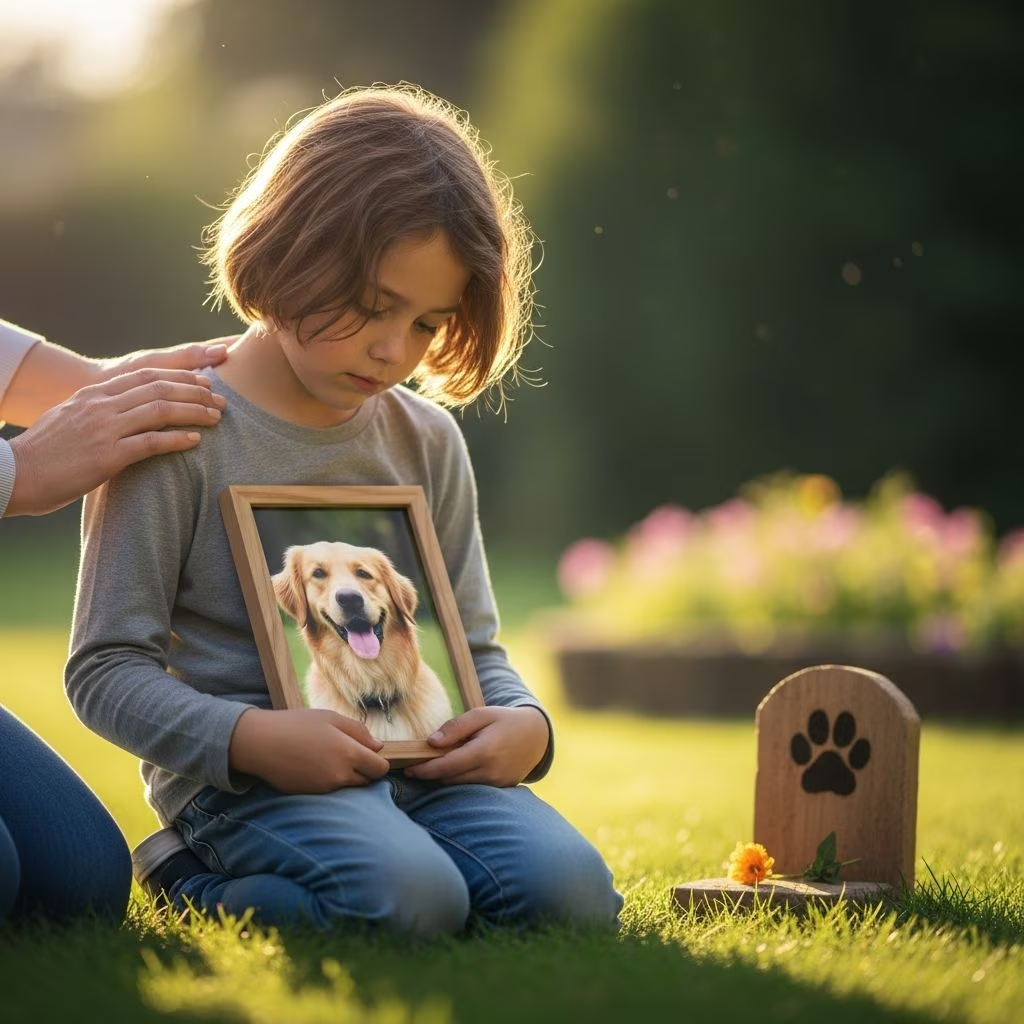
The loss of a pet can be a child’s first encounter with death, triggering profound sadness, confusion, and questions about mortality. Supporting them requires honesty, empathy, and age-appropriate tools to process emotions effectively.
Understanding Children’s Grief Over a Pet
Children form deep bonds with pets, viewing them as loyal companions offering unconditional love. Unlike adults, kids may lack words for complex feelings like guilt, anger, or denial, often expressing grief through behavior changes such as withdrawal, regression, or outbursts. Grief isn’t linear; it fluctuates between sadness and fond memories, helping children build resilience for future losses.
Pet loss teaches empathy and coping skills but can overwhelm young minds. Recognizing signs like sleep issues, appetite changes, or fixation on death in play is crucial for timely support.
Talk to Your Child Honestly About the Pet’s Death
Choose a quiet, comfortable time and place for the conversation, free from distractions, to allow free emotional expression. Tailor explanations to your child’s age: toddlers grasp permanence vaguely, school-age kids understand finality, while teens process abstractly but may internalize guilt.
Be truthful—avoid euphemisms like “went to sleep” or “ran away,” which confuse or scare children. Say simply, “Our pet died because their body stopped working.” This builds trust and prevents future distress upon learning the truth.
- For young children (under 5): Use concrete terms and books like The Goodbye Book to illustrate finality.
- For school-age kids (5-10): Explain causes like illness or age, addressing ‘why’ questions patiently.
- For teens: Discuss regrets openly, validating intense emotions without judgment.
Encourage questions, even repeated ones, as repetition aids processing. Model vulnerability by sharing your sadness: “I’m sad too because I miss our pet,” normalizing grief.
Be Honest Before the Pet Passes Away
If euthanasia or terminal illness looms, prepare children early with age-suited talks. Use books to frame the situation: “Our pet is very sick, and we want to make sure they don’t hurt anymore.” This allows goodbyes, reducing shock.
Let children visit the vet if comfortable, or create drawings for the pet. Honesty fosters emotional preparation, turning anticipatory grief into meaningful closure.
Express Your Own Feelings About Pet Loss
Children learn coping by observing parents. Share authentically: cry if needed, but manage intense displays privately. Phrases like “I feel sad remembering our walks” validate emotions as normal.
This models healthy grief without overwhelming kids. Self-care—through exercise or talks—demonstrates resilience, reassuring children that pain eases over time.
Answer All Your Child’s Questions
Expect queries on death’s mechanics, afterlife, or recurrence fears. Respond factually: “Death means the heart and brain stop; pets don’t feel pain anymore.” Reassure without religious imposition unless family-aligned.
If unsure, say “I don’t know, but let’s think about it together.” This sustains dialogue, easing anxiety through understanding.
Don’t Hide Your Tears When Discussing Pet Loss
Suppressing tears teaches emotional hiding; openness shows grief’s universality. Acknowledge: “It’s okay to cry; it helps us feel better.” Balance with hope: share happy memories post-tears.
For angry kids, validate: “It’s normal to feel mad; let’s draw or run it out.” This prevents bottled emotions.
Create Rituals and Memorials
Rituals provide closure. Options include:
- Planting a tree or flowers in the pet’s honor.
- Scattering ashes in a favorite spot.
- Making a memory box with toys, photos, and fur.
Frame a photo or craft a paw-print stone. Involve the child to personalize, strengthening bonds with the pet’s memory.
Memorialize Your Cat or Dog
For cats or dogs, create dedicated tributes: a garden plaque, custom artwork, or storybook of adventures. Memory collages with photos and items externalize love, aiding healing.
These keep the pet’s spirit alive, transitioning grief to celebration.
Read Age-Appropriate Books About Pet Loss
Books normalize grief visually and narratively. Recommendations:
| Age Group | Book Title | Key Benefit |
|---|---|---|
| Toddlers/Preschool | The Tenth Good Thing About Barney | Counts positives amid loss. |
| 5-8 years | I’ll Always Love You | Models parental grief. |
| 8-12 years | Bridge to Terabithia (adapted themes) | Explores deeper emotions. |
| Teens | Where the Red Fern Grows | Handles complex loss. |
These facilitate discussions, reducing isolation.
Provide Opportunities for Expression Through Art
Art bypasses verbal limits. Try:
- Memory collages: Photos, toys into memorials.
- Clay sculpting: Tactile pet figures for sensory comfort.
- Emotion mapping: Color-code feelings on heart outlines.
- Storytelling: Illustrated tales of pet’s afterlife.
- Rainbow Bridge art: Visualizes peaceful transitions.
Observe artwork for insights—dark hues signal distress—guiding talks.
Be Patient with the Grieving Process
Grief timelines vary; some rebound quickly, others linger. Avoid rushing: “It’s okay to miss them forever, just differently.” Patience builds secure healing.
Consider Getting Another Pet
Not a replacement, but a new companion when ready. Discuss: “We can love another without forgetting.” Wait until grief stabilizes, per child’s cues.
Know When to Seek Professional Help
Monitor for prolonged issues: persistent withdrawal, aggression, sleep/eating disruptions, or death-obsessed play. Consult pediatricians, counselors, or hotlines like 988. Early intervention prevents complicated grief.
Frequently Asked Questions (FAQs)
What should I say when my child’s pet dies?
Use simple truths: “[Pet’s name] died; their body stopped working.” Avoid misleading phrases.
How long does pet grief last in children?
Varies; weeks to months. Support without timelines.
Should I let my child see the pet’s body?
If comfortable, yes—for reality and goodbye. Respect fears.
Is anger normal in child pet grief?
Yes; channel via physical activities or art.
When to get a new pet after loss?
When child expresses readiness, not to fill voids.
References
- Creative Art Therapy Techniques for Children Coping with Pet Grief — Ahead App. 2023. https://ahead-app.com/blog/Grief/creative-art-therapy-techniques-for-children-coping-with-pet-grief
- When a Pet Dies: How to Help Your Child Cope — American Academy of Pediatrics (HealthyChildren.org). 2023-10-12. https://www.healthychildren.org/English/healthy-living/emotional-wellness/Building-Resilience/Pages/when-a-pet-dies-how-to-help-your-child-cope.aspx
- 6 Tips for Handling Pet Loss with Children — UCLA Health. 2023. https://www.uclahealth.org/news/article/6-tips-handling-pet-loss-with-children
- When a Pet Dies: How to Help Your Child Grieve — Children’s Mercy. 2025-05. https://www.childrensmercy.org/parent-ish/2025/05/pet-death/
- Supporting Your Child After the Death of a Pet — CHOC Health. 2023. https://health.choc.org/supporting-a-child-after-the-death-of-a-pet/
- Grief Resources for Children and Pets — Lap of Love. 2023. https://www.lapoflove.com/pet-loss-support-resources/children-and-pet-grief-resources
- When a Pet Dies: Helping Kids Cope — Nemours KidsHealth. 2023. https://kidshealth.org/en/parents/pet-death.html



