

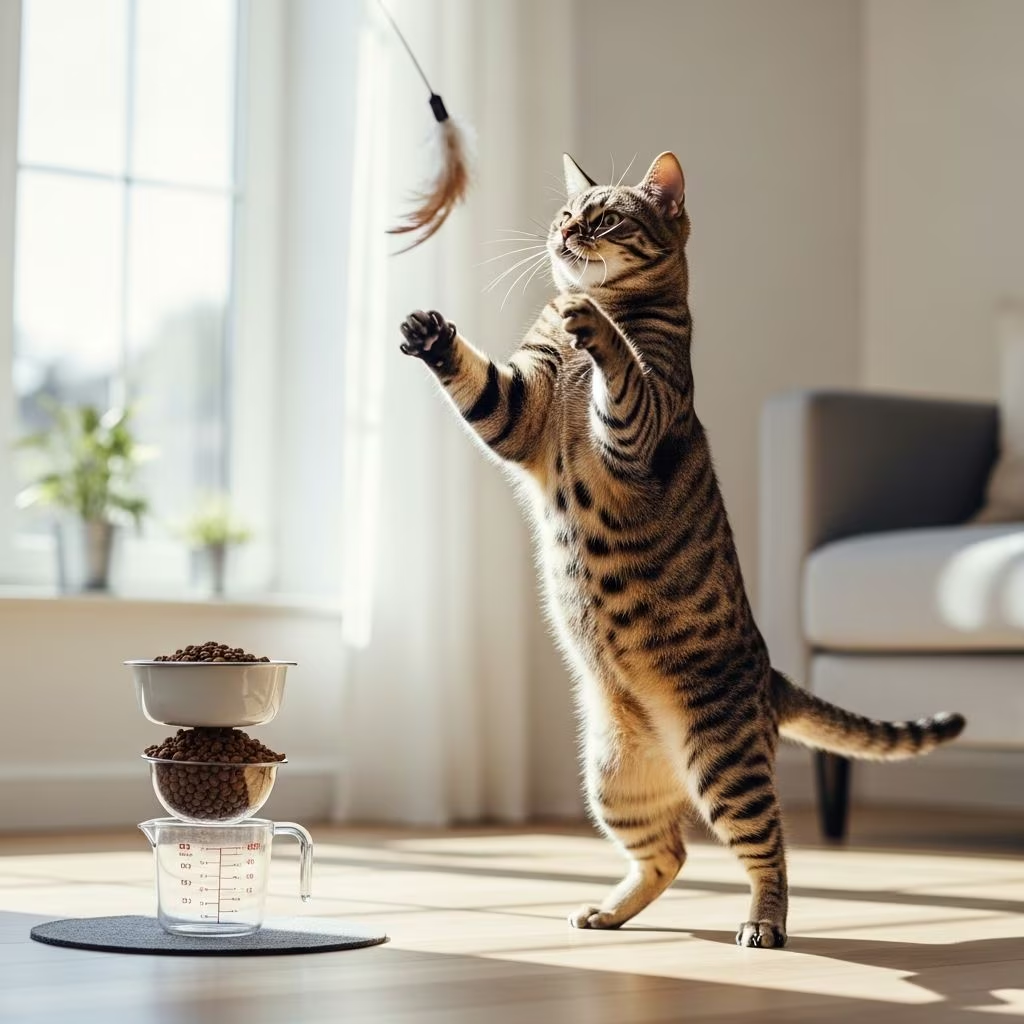
How To Help Your Cat Lose Weight Safely and Effectively
Feline obesity is one of the most common health issues affecting domestic cats today. If your cat is carrying excess weight, helping them shed those extra pounds can dramatically improve their quality of life, increase their lifespan, and prevent serious health complications. Whether your cat has been gradually gaining weight or you’ve recently noticed their waistline expanding, taking action now is the best gift you can give your beloved pet. This comprehensive guide will walk you through everything you need to know about helping your cat achieve and maintain a healthy weight.
Does My Cat Need To Lose Weight?
The first step in helping your cat lose weight is determining whether weight loss is actually necessary. Not all cats that appear chubby are overweight, and not all thin cats are at a healthy weight. To accurately assess your cat’s body condition, veterinarians use the Body Condition Score (BCS), a 1 to 9 scale that visually evaluates your cat’s body shape and fat distribution.
On this scale, a score of 4 to 5 is considered ideal for most cats. A score below 4 indicates an underweight cat, while scores of 6 to 9 suggest overweight or obese cats. To assess your cat’s BCS at home, look for these indicators:
- Run your hands along your cat’s ribs, spine, and hip bones. You should be able to feel them without pressing hard through a layer of fat.
- Look at your cat from above. Their body should have a visible waist between their rib cage and hips.
- View your cat from the side. Their abdomen should not hang down or sag.
- Observe their overall appearance. They should appear fit and athletic rather than round or blocky.
If you cannot easily feel your cat’s ribs or if they lack a visible waist, your cat may be overweight and could benefit from a weight-loss plan. However, before making any dietary changes, it’s essential to consult with your veterinarian to rule out underlying medical conditions that might affect weight.
Why Should My Cat Lose Weight?
Understanding the health benefits of weight loss can motivate you to commit to your cat’s weight management journey. For every pound your pet is overweight, that’s equivalent to approximately 10 pounds on a person. This means a cat that’s just 5 pounds over their ideal weight experiences the health impact equivalent to a 50-pound overweight human.
Excess weight in cats can lead to serious health complications including:
- Type 2 diabetes, which can require lifelong insulin injections
- Joint problems and arthritis, causing mobility issues and pain
- Heart disease and high blood pressure
- Fatty liver disease
- Respiratory problems
- Decreased lifespan and reduced quality of life
By helping your cat achieve a healthy weight, you’re investing in their long-term health, happiness, and companionship. Weight loss can alleviate joint pain, improve mobility, reduce the risk of diabetes, and help your cat live a longer, more active life.
How Do I Help My Cat Lose Weight?
Meet With Your Veterinarian
Your first and most important step should be scheduling an appointment with your veterinarian. Your vet can perform a complete physical examination, assess your cat’s current body condition score, and determine how much weight your cat needs to lose. More importantly, they can identify any underlying medical conditions that might be contributing to weight gain, such as thyroid problems, arthritis, or other metabolic issues.
Together with your vet, you can create a safe, tailored, and effective weight-loss plan customized to your cat’s specific needs. Your veterinarian can recommend appropriate dietary changes, establish realistic weight-loss goals, and monitor your cat’s progress through regular check-ups. Never attempt to put your cat on a crash diet or extremely restrictive feeding plan without veterinary guidance, as rapid weight loss can be dangerous.
Put Your Cat on a Vet-Recommended Diet
Often, successful cat weight loss requires a vet-recommended diet specifically formulated for weight management. Some of these diets are prescription-only, while others are over-the-counter options designed to support weight loss. The best weight-loss foods for cats are specifically designed to help cats feel full on fewer calories while maintaining essential muscle mass.
Key features of effective cat weight-loss food include:
- Adequate protein content to preserve lean muscle mass during weight loss
- Complete and balanced nutrition containing all essential vitamins, minerals, and nutrients your cat needs
- Lower overall calorie density to reduce total daily caloric intake
- Increased fiber content to promote satiety and keep your cat feeling fuller longer
Your veterinarian can recommend specific brands and formulations that would work best for your cat’s individual needs and health status.
Monitor Your Cat’s Calories and Portions
Another crucial aspect of cat weight loss is carefully monitoring how much food you’re giving your cat at each meal. All cat food labels include feeding instructions designed to ensure your cat receives appropriate portions based on their current weight. Many cat owners unknowingly overfeed their pets by not measuring food or by allowing “free feeding,” where food is left out all day for cats to eat at will.
To properly portion your cat’s meals:
- Use a kitchen scale or measuring cup to portion food according to label instructions
- Divide daily calories into two or three meals rather than leaving food out all day
- Avoid free feeding, which makes it impossible to track your cat’s actual intake
- Use the feeding guidelines on your cat’s food as a starting point, then adjust based on your vet’s recommendations
- Account for treats and human food in your cat’s total daily caloric intake
Consistency with portion control is essential for steady, safe weight loss. Keep a feeding log to track what and how much you’re feeding your cat each day, which will help you and your veterinarian monitor progress and make adjustments as needed.
Increase Physical Activity
While diet is crucial, exercise plays an equally important role in feline weight loss. Indoor cats especially tend to be sedentary, spending most of their day sleeping or resting. Increasing your cat’s physical activity burns calories, builds lean muscle mass, improves cardiovascular health, and provides mental stimulation.
Aim for 15 to 20 minutes of active play each day. This doesn’t need to be continuous; you can break it into several shorter play sessions throughout the day. Effective ways to encourage your cat to exercise include:
- Interactive wand toys that mimic prey movements
- Laser pointers (though always conclude with a physical toy they can “catch”)
- Feather toys and balls that encourage pouncing and chasing
- Food puzzle toys that require your cat to work for their meal
- Cat tunnels and climbing structures that encourage jumping and exploration
Making playtime fun and engaging not only helps your cat lose weight but also boosts their mood, reduces stress, and strengthens your bond.
What Is the Best Cat Food for Weight Loss?
Choosing the right food is fundamental to your cat’s weight-loss success. The best cat foods for weight loss are specifically formulated by veterinarians to be higher in protein, complete and balanced in nutrition, and lower in overall calories.
Wet Versus Dry Food for Weight Loss
Both wet and dry cat foods can be effective for weight loss, but each has distinct advantages and disadvantages:
| Food Type | Advantages | Disadvantages |
|---|---|---|
| Wet Food | Usually lower in calories per serving; adds moisture which increases satiety; may be more appealing to picky eaters | More expensive; requires refrigeration after opening; harder to portion accurately; can spoil quickly |
| Dry Food | Easier to portion and measure; convenient storage; longer shelf life; often more affordable | Can be higher in calories per cup; less moisture content; may not promote satiety as effectively |
Many veterinarians recommend combining both types or choosing high-quality wet food for weight loss because the moisture content helps cats feel fuller while consuming fewer calories. If feeding dry food, ensure you’re measuring portions carefully and selecting a lower-calorie, higher-protein formula specifically designed for weight management.
Vet-Recommended Weight-Loss Foods
When selecting a weight-loss food, look for veterinary recommendations and products specifically formulated for feline weight management. Quality weight-loss foods should carry an AAFCO (Association of American Feed Control Officials) statement confirming they are complete and balanced for your cat’s life stage. Your veterinarian can recommend specific brands and formulations that align with your cat’s nutritional needs and health status.
How Do I Maintain My Cat’s Healthy Weight?
Cut Back on Treats
One often-overlooked factor in feline weight gain is excessive treat consumption. Cat treats, including human foods, should comprise no more than 10 percent of your cat’s daily caloric intake. Many cat owners give treats liberally without accounting for these extra calories in their cat’s total daily intake.
To maintain your cat’s healthy weight:
- Limit treats to a small portion each day
- Choose lower-calorie-dense treat options, such as freeze-dried chicken or minnows
- Avoid feeding human foods, which are often high in calories and not nutritionally appropriate for cats
- Use treats strategically during training or play sessions rather than as casual snacks
- Consider using a small portion of their regular meal as a treat instead of separate treat items
Stick to Weight-Management Food
If your veterinarian recommends a specific weight-management food, feed it exclusively to support sustainable fat loss while maintaining lean muscle mass. Switching between different foods or mixing regular food with weight-loss food undermines your efforts and makes it harder to track your cat’s caloric intake. Consistency with one high-quality, vet-recommended food is key to successful weight management.
Regular Monitoring and Veterinary Check-ups
Schedule regular veterinary check-ups to monitor your cat’s weight loss progress. Your vet can assess whether your cat is losing weight at a healthy pace, adjust portions or diet recommendations as needed, and screen for any health complications. Most cats should lose weight gradually at a rate of approximately 0.5 to 2 percent of their body weight per week, which may take 6 months to a year to reach their goal weight depending on how much weight they need to lose.
Frequently Asked Questions About Cat Weight Loss
Q: How can I get my indoor cat to lose weight?
A: Measure their food for every meal according to on-label instructions. Some veterinarians might recommend a prescription diet or specific weight-loss food. Cats should also get 15 to 20 minutes of physical exercise every day through interactive play. Consult with your veterinarian to create a customized plan.
Q: How long does it take cats to lose weight?
A: Cat weight loss should be slow and steady, usually about 0.5 to 2 percent of their body weight per week. For many cats, it can take six months to a year to reach their goal weight. Losing weight too fast can be dangerous and can lead to liver problems, especially in obese cats, so always follow a vet-guided plan.
Q: What should I do if my cat refuses the new weight-loss food?
A: Transition your cat to new food gradually over 7 to 10 days by mixing increasing amounts of the new food with their old food. If your cat continues to refuse the new food, consult your veterinarian about alternative options. Some cats may need a transition period or different flavor preferences.
Q: Can I free feed my cat while attempting weight loss?
A: No, free feeding makes it impossible to control portions and monitor caloric intake, which is essential for successful weight loss. Establish scheduled feeding times with measured portions instead.
Q: Are there any health risks associated with rapid weight loss in cats?
A: Yes, rapid weight loss can lead to serious complications including hepatic lipidosis (fatty liver disease), especially in obese cats. This is why gradual, veterinarian-supervised weight loss is crucial. Always follow your vet’s guidance for safe, steady weight reduction.
Q: How often should I weigh my cat during weight loss?
A: Weigh your cat every 2 to 4 weeks to track progress. Your veterinarian can provide accurate weight measurements during regular check-ups and help you adjust the plan if needed.
Q: Can indoor cats lose weight as effectively as outdoor cats?
A: Yes, indoor cats can lose weight effectively with proper diet and increased exercise. While outdoor cats typically get more natural activity, indoor cats can achieve healthy weight through structured play sessions, environmental enrichment, and careful caloric management.
References
- How To Help Your Cat Lose Weight — Chewy. Retrieved November 28, 2025. https://www.chewy.com/education/cat/training-and-behavior/how-to-help-a-cat-lose-weight
- Portion Control Counts: Tips for Maintaining a Healthy Weight — Chewy. Retrieved November 28, 2025. https://www.chewy.com/education/cat/food-and-nutrition/portion-control-counts-tips-for-maintaining-a-healthy-weight
- How Much to Feed a Cat: Portions, Calories, and More — Chewy. Retrieved November 28, 2025. https://www.chewy.com/education/cat/food-and-nutrition/how-much-should-i-feed-my-cat
- Obese Cat: Signs, Causes, and How To Help Your Cat — Chewy. Retrieved November 28, 2025. https://www.chewy.com/education/cat/health-and-wellness/obese-cat
- Top Three Vet-Recommended Tips for Feeding Your Indoor Cat — Chewy. Retrieved November 28, 2025. https://www.chewy.com/education/cat/food-and-nutrition/feeding-house-cat-right-way
- Cat Nutrition: What Is Complete and Balanced Cat Food? — Chewy. Retrieved November 28, 2025. https://www.chewy.com/education/cat/food-and-nutrition/cat-nutrition



