

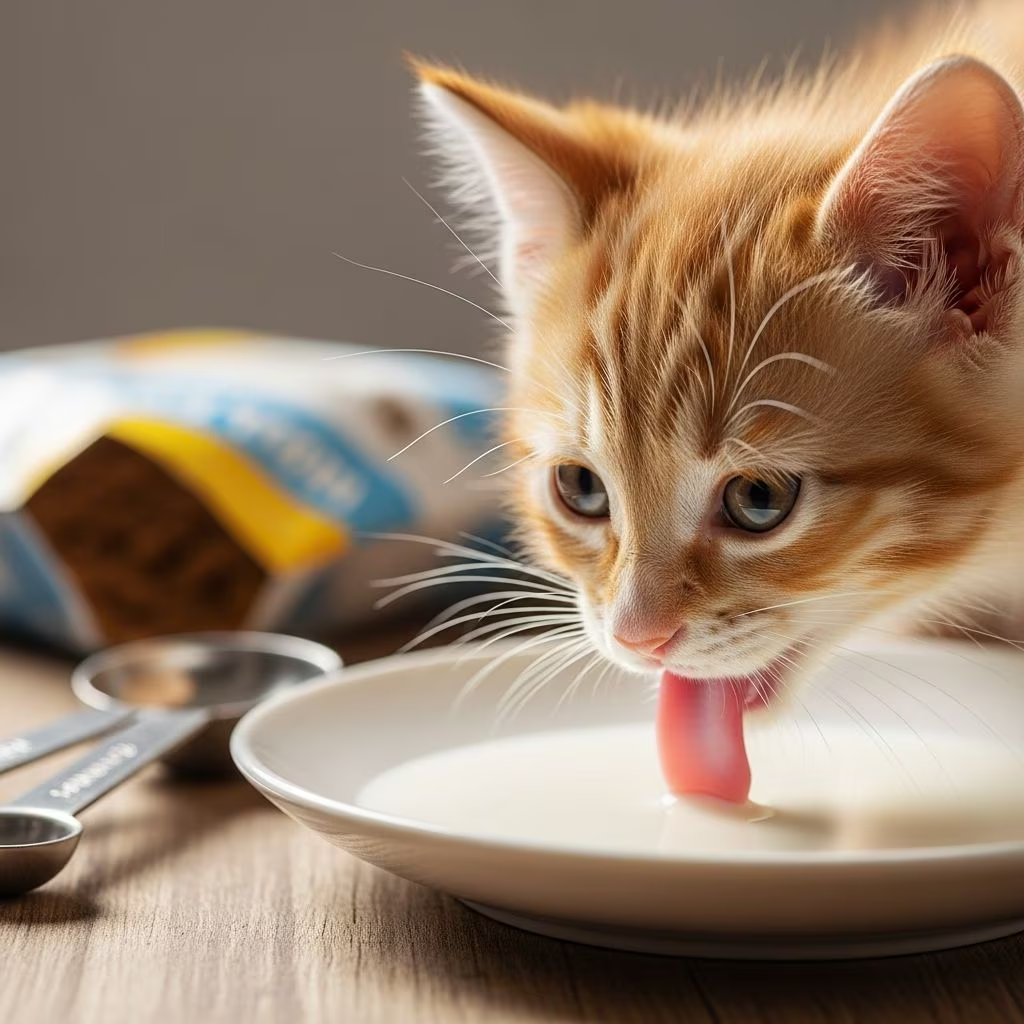
Helping an underweight kitten gain weight requires understanding the underlying causes, implementing a nutrient-dense diet, and monitoring progress closely. Kittens should gain approximately **10-15 grams per day** during early growth stages, with healthy kittens adding roughly **7-14 grams daily**. Failure to meet these milestones signals potential health issues, but with targeted interventions like high-protein wet foods and frequent small meals, most kittens can catch up effectively.
Why Is My Kitten Underweight?
Underweight kittens often stem from nutritional deficiencies, parasites, or medical conditions. Common causes include **inadequate nutrition** from low-calorie foods or early weaning, which disrupts the transition to solids and creates growth gaps. Parasites like worms steal nutrients, while illnesses such as gastrointestinal issues prevent absorption despite eating. Stress from environmental changes or poor mothering can suppress appetite, and congenital problems may hinder metabolism.
- Nutritional shortfalls: Commercial foods lacking sufficient calories or protein balance fail growing kittens.
- Health issues: Diarrhea, vomiting, or infections lead to rapid weight loss.
- Parasites: Intestinal worms compete for food intake.
- Early weaning: Kittens separated too soon miss vital milk nutrients.
- Finicky eating: Picky kittens undereat if food lacks appeal.
Always rule out medical causes first; a vet visit is essential before dietary changes.
Consult Your Veterinarian First
Before any weight gain plan, schedule a veterinary exam. Vets assess for parasites, dehydration, or diseases via fecal tests, bloodwork, and physical checks. For severely malnourished kittens, they may recommend **electrolyte supplementation** through oral or IV fluids to stabilize before feeding resumes. Post-exam, follow a tailored refeeding protocol: start with **10-15 ml per kg body weight** on days 1-3, increasing to **20-40 ml/kg** by days 3-10. This prevents refeeding syndrome, a dangerous electrolyte shift in starved kittens.
Weigh your kitten weekly using a digital scale for accuracy. Track against growth charts: kittens under 4 months need daily weighs, then monthly until 6 months, and quarterly thereafter.
Choose the Right Food for Weight Gain
Opt for **kitten-specific formulas** high in animal-based proteins (over **50% of calories** from protein), moderate fats (**up to 20%**), and minimal carbs (**0-3%**). Wet foods with real meat or fish promote muscle growth over fat accumulation, unlike carb-heavy dry kibble. Raw diets can excel if balanced, providing bioavailable nutrients.
Avoid adult cat foods, as they lack the elevated calories and proteins kittens require for rapid development.
| Nutrient | Ideal for Weight Gain | Why It Matters |
|---|---|---|
| Protein | >50% calories from animal sources | Builds muscle and supports tissue repair |
| Fat | Up to 20% animal fat | Energy-dense for calorie boost without excess |
| Carbs | 0-3% | Prevents unhealthy fat storage |
| Calories | High-density kitten formulas | Meets 10-15g daily gain target |
Feeding Schedule and Portion Tips
Feed **small, frequent meals** every **3-4 hours** to avoid overwhelming tiny stomachs, which can cause vomiting, diarrhea, or gagging. Healthy skinny kittens benefit from 3-8 meals daily or free-choice dry food if vet-approved, mimicking natural grazing. Gradually increase portions by **2.5% weekly**, reweighing to confirm gains.
For picky eaters, enhance appeal: microwave food briefly to boost aroma, add tuna water or low-sodium broth, or top with shredded skinless chicken. Transition new foods slowly over 7-10 days to prevent digestive upset.
Sample Daily Feeding Timeline for Underweight Kitten
| Time | Meal Size (Example for 1kg Kitten) | Notes |
|---|---|---|
| 6 AM | 20-40 ml wet food | High-protein pate |
| 9 AM | 20-40 ml + supplement | Mix in calories booster |
| 12 PM | 20-40 ml | Warmed for aroma |
| 3 PM | 20-40 ml | Topper like meat sprinkles |
| 6 PM | 20-40 ml | Primary meal |
| 9 PM | Small graze portion | Dry kibble if tolerated |
Adjust based on age and response; total intake should support steady gains without overfeeding.
High-Calorie Supplements and Toppers
Supplements like high-calorie gels provide extra vitamins, minerals, omega-3s, and calories for kittens lagging despite eating. Products with **essential fatty acids** aid absorption and vitality. Sprinkles of meat-dense toppers (e.g., 98% meat formulas) add density without volume. Introduce gradually: mix 1 tsp into food, increasing as tolerated.
- Benefits: Boosts energy, muscle growth, fights weight loss.
- Cautions: Vet approval needed; avoid excess to prevent diarrhea.
Expect visible improvements in weeks, full recovery in months with consistency.
Encourage Exercise and Play
Pair diet with activity to build **lean muscle**, not just fat. Indoor play with laser pointers, fishing rods, or puzzles prevents lethargy and bullying risks for weak kittens. Start gently if frail, increasing as strength returns. Exercise enhances appetite and nutrient utilization.
Monitor Progress and When to Worry
Weigh weekly; aim for consistent upward trends. No gain after 1-2 weeks of adjustments warrants re-evaluation. Signs of concern: lethargy, diarrhea, or stalled growth. Keep toxins and scraps away to avoid setbacks.
Patience is key—healthy weight gain is gradual, often spanning months.
Frequently Asked Questions (FAQs)
Q: How much should a kitten gain weight daily?
A: Kittens typically gain **10-15 grams per day**, or **7-14 grams** for healthy growth; track weekly to spot issues early.
Q: What if my kitten eats but isn’t gaining weight?
A: Check for parasites, poor nutrient absorption, or early weaning; add high-calorie supplements and consult a vet.
Q: Can I free-feed dry food for weight gain?
A: Yes for healthy skinny kittens if vet-okayed, as cats graze naturally, but monitor to avoid obesity.
Q: Is raw food good for underweight kittens?
A: Balanced raw diets provide optimal proteins; increase portions gradually by 2.5% weekly.
Q: How do I make food more appealing?
A: Warm it, add broth or chicken shreds, or use flavored toppers; transition slowly.
References
- How to make your cat fat—top guide for bony kitties — Untamed. Accessed 2026. https://untamed.com/blogs/nutrition/how-to-make-your-cat-fat
- Why Is My Kitten Not Gaining Weight Despite Eating? — Under the Weather Pet. Accessed 2026. https://www.undertheweatherpet.com/blogs/under-the-weather/why-is-my-kitten-not-gaining-weight-despite-eating
- Underweight cats – A complete guide to help them gain weight — Bella & Duke. Accessed 2026. https://www.bellaandduke.com/cats/expert-advice/cat-health/underweight-cats-a-complete-guide-to-help-them-gain-weight/
- A guide to kitten obesity — Royal Canin US. Accessed 2026. https://www.royalcanin.com/us/cats/kitten/a-guide-to-kitten-obesity
- How to Put Weight On a Cat — Hill’s Pet Nutrition. Accessed 2026. https://www.hillspet.com/cat-care/healthcare/helping-your-cat-gain-weight
- Easy Ways to Encourage Healthy Cat and Dog Weight Gain — Mud Bay Blog. Accessed 2026. https://blog.mudbay.com/blog/healthy-cat-and-dog-weight-gain-tips/
- Kitten Growth & Development: First Year Milestones — Bond Vet. Accessed 2026. https://bondvet.com/blog/kitten-growth



