

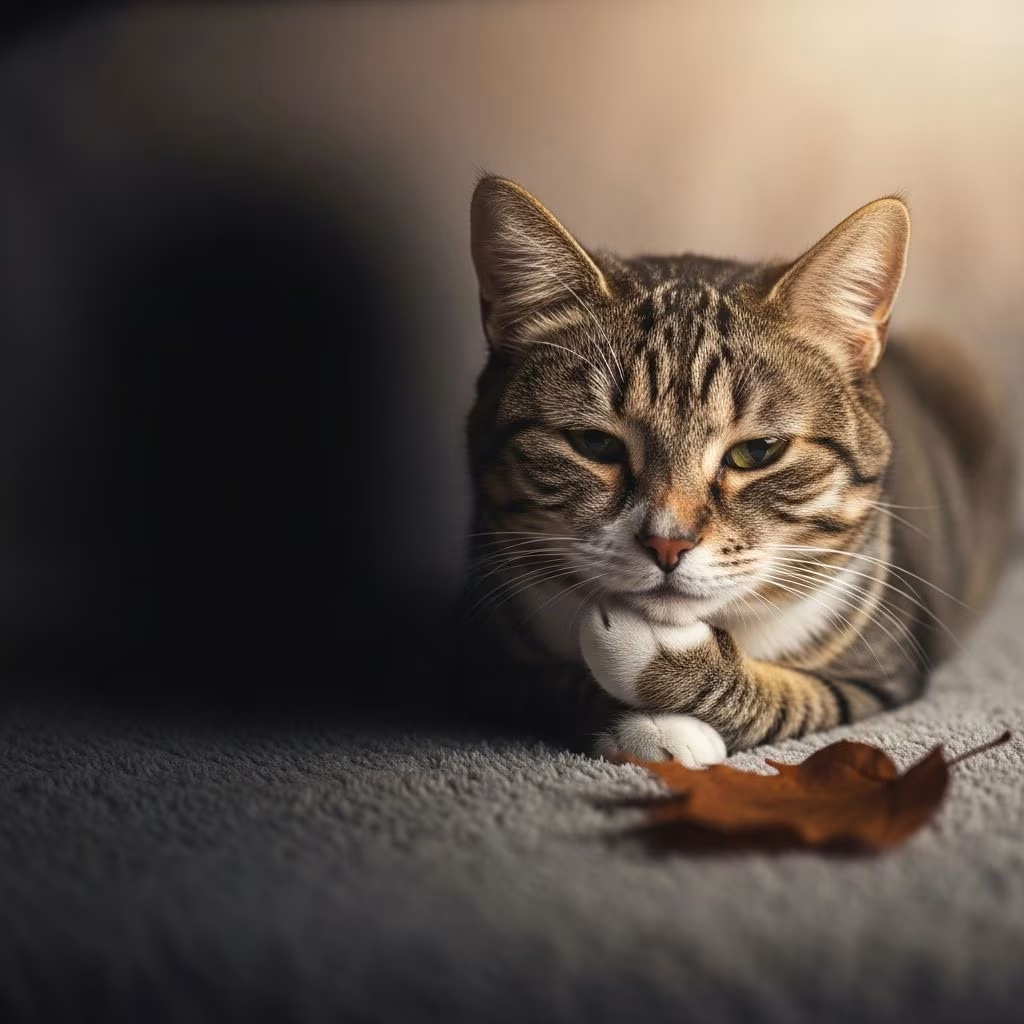
How to Help a Grieving Cat: 6 Helpful Tips
The loss of a beloved pet companion can be devastating not only for you but also for your remaining cats. Cats form deep emotional bonds with their household companions and can experience genuine grief when those relationships are severed. While your cat cannot express their sadness in words, they communicate their emotional distress through behavioral changes and shifts in their daily routines. Understanding how to support a grieving cat during this challenging time is essential for helping them navigate their loss and return to a sense of normalcy.
Understanding Cat Grief
Research has shown that cats are capable of experiencing grief and mourning when they lose a close companion. Studies indicate that cats follow a bi-phasic grief process, meaning they experience two distinct phases of mourning. During the active phase, cats typically display increased vocalization, search behaviors, and restlessness as they attempt to locate their missing companion. In the passive phase, cats become more withdrawn, displaying decreased appetite and spending more time hiding or sleeping. Recognizing these phases can help you better understand what your cat is experiencing and provide appropriate support.
Approximately 65% of cats show behavioral changes indicative of grief, including decreased appetite, sleep disruptions, changes in vocalization, and alterations in their sleeping locations. It’s important to note that not all cats will grieve visibly, and the intensity and duration of grief can vary significantly between individuals. Some cats may mourn for several weeks, while research suggests that initial acute grief behaviors typically resolve within about two months, with cats adjusting to their new circumstances within approximately six months.
Recognizing Signs of Grief in Your Cat
Being able to identify the signs that your cat is grieving is the first step toward providing appropriate support. Common indicators include:
- Changes in appetite: A decrease in eating is one of the most common signs of grief, with nearly half of mourning cats experiencing reduced appetite.
- Sleep pattern disruptions: Your cat may oversleep, experience insomnia, or change their preferred sleeping location.
- Vocalization changes: Your cat may become more vocal, calling out in search of their companion, or conversely may become unusually quiet.
- Energy level shifts: Grieving cats may lose interest in play and become lethargic, or alternatively may become hyperactive and restless.
- Behavioral changes: Your cat might search for their companion in familiar locations, become clingy with you, or hide more frequently than usual.
- Toileting changes: Some grieving cats may have accidents outside their litter box due to stress and anxiety.
If your cat displays lethargy, unwillingness to move, or refuses to eat, it’s crucial to have them examined by a veterinarian promptly, as these symptoms could indicate illness or dehydration rather than grief alone.
6 Helpful Tips for Supporting a Grieving Cat
1. Maintain Their Regular Routine
One of the most important things you can do for a grieving cat is to maintain their established daily routine as much as possible. Cats find comfort and security in predictability, and knowing what to expect throughout their day can help ease the anxiety and confusion brought on by loss. Feed your cat at the same times each day, maintain consistent play sessions, and keep their environment as stable as possible.
Your cat’s world has already been disrupted by the absence of their companion. By maintaining familiar routines for feeding, play, and sleep, you provide a sense of security and normalcy that can help ground them during this difficult transition. This consistency signals to your cat that while something has changed, their basic needs and daily structure remain intact.
2. Provide Extra Comfort and Attention
While some grieving cats may want solitude, many benefit from increased comfort and reassuring attention from their human companions. Offer gentle petting, spend quiet time near your cat, and engage in calm activities together. However, pay close attention to your individual cat’s preferences—some cats may seek out your companionship, while others may prefer to process their grief alone.
Physical comfort through gentle touch can be remarkably soothing for a grieving cat. Spend time in the same room without necessarily forcing interaction, allowing your cat to know you’re available when they need you. Some cats may appreciate being held or sitting on your lap, while others may prefer to be near you without direct contact. Respect your cat’s individual temperament and emotional needs during this vulnerable time.
3. Keep Your Cat Distracted and Mentally Engaged
Keeping your cat distracted and busy can help them process their grief more effectively. Provide an abundance of toys, scratching objects, and vertical spaces that encourage exploration and play. Interactive toys, puzzle feeders, and enrichment activities can redirect your cat’s focus and provide positive mental stimulation during their grieving period.
Vertical spaces are particularly valuable during this time, as they allow your cat to observe their environment from a safe vantage point and maintain their sense of control. Cat trees, window perches, and elevated shelves provide refuge while also encouraging movement and engagement. Regularly rotating toys and introducing new enrichment activities can help maintain your cat’s interest and provide beneficial distraction during their mourning.
4. Create a Safe Space for Processing
Provide your cat with a quiet, comfortable space where they can retreat to process their emotions at their own pace. This safe space should include their bed, food and water bowls, and a litter box, allowing your cat to have their basic needs met without having to venture far from their refuge. This designated area acknowledges your cat’s need for both solitude and security during their grieving process.
Some cats benefit from having access to areas where their lost companion spent time, as this may help them understand what has happened. However, if certain spaces trigger excessive searching behavior or distress, you may need to temporarily limit access to those areas. Use your judgment based on your individual cat’s response and emotional wellbeing.
5. Monitor Eating Habits and Offer Appealing Foods
Loss of appetite is extremely common in grieving cats. To encourage eating, ensure you’re offering your cat’s favorite foods and consider warming their meals slightly to enhance the aroma, which can stimulate appetite. You might also try offering small, frequent meals rather than one or two larger meals per day, making eating feel less overwhelming.
If your cat continues to show little interest in their regular food, you can occasionally supplement with special treats such as a small amount of tuna, cooked chicken, or their favorite cat treats. However, these should be offered sparingly to avoid encouraging unhealthy eating patterns. Wet food is often more appealing to grieving cats than dry kibble, and its higher moisture content also supports hydration during a time when cats might drink less water than usual.
6. Know When to Seek Professional Help
While most cats will naturally progress through their grief over time, some may benefit from professional veterinary or behavioral support. If your cat’s grief behaviors persist beyond two to three months, intensify rather than improve, or include signs of illness such as prolonged loss of appetite, excessive lethargy, or inappropriate elimination, consult your veterinarian.
Your vet can rule out underlying health conditions that might be mistaken for grief and can provide recommendations for additional support strategies. In some cases, temporary use of anti-anxiety medication might be recommended to help your cat through the acute grieving phase. Additionally, veterinary behaviorists can provide specialized guidance for cats experiencing severe separation anxiety or complicated grief responses.
Understanding the Grief Timeline
It’s helpful to understand the typical timeline for cat grief to manage your expectations and provide appropriate support. Initial behavioral changes typically appear immediately after the loss, with increased vocalization and searching behaviors most noticeable during the first few weeks. These active grief behaviors generally begin to subside within four to eight weeks as your cat begins to accept the new reality.
By the six-month mark, most cats have adjusted to their new circumstances and no longer display obvious signs of grieving, though some behavioral changes may persist slightly longer in cats that were exceptionally bonded to their lost companion. Every cat grieves differently, and some may show resolution more quickly while others may require additional time. Patience and continued support throughout this process are essential.
Table: Common Grief Behaviors and Response Strategies
| Grief Behavior | What It Indicates | How to Respond |
|---|---|---|
| Decreased appetite | Emotional distress affecting interest in food | Offer favorite foods, warm meals, smaller portions, special treats occasionally |
| Increased vocalization | Searching for lost companion, expressing distress | Provide reassurance, maintain routines, create engaging activities |
| Withdrawal and hiding | Processing loss, needing solitude | Provide safe space, ensure access to food/water/litter, offer comfort when cat initiates |
| Lethargy and decreased activity | Passive grief phase, low mood | Offer interactive toys, maintain play routines, consult vet if prolonged |
| Sleep disruptions | Anxiety and stress response | Maintain consistent bedtime routine, provide comfortable sleeping areas |
| Toileting issues | Stress-related anxiety and marking | Maintain clean litter box, ensure adequate boxes, consult vet if persistent |
Creating a Supportive Environment
Beyond these specific tips, creating an overall supportive environment is crucial for helping your grieving cat. Minimize additional stressors in your household, avoid major environmental changes during their grieving period, and be mindful of your own emotional state—cats are sensitive to their human companions’ emotions and may pick up on your grief.
Consider whether introducing new activities, furniture, or even a new pet might be appropriate to help redirect your grieving cat’s focus. However, timing is important; introducing a new companion too quickly may complicate your cat’s grieving process. Most experts recommend waiting at least two to three months before considering changes to your household composition.
Frequently Asked Questions (FAQs)
Q: Can cats actually understand that their companion has died?
A: Cats likely don’t comprehend death in the way humans do. However, they clearly understand that their companion is absent and respond to that absence with stress behaviors similar to those seen in infant separation distress. They form attachment bonds and react to the disruption of those bonds.
Q: How long will my cat grieve?
A: Most cats show significant improvement within two months, with full adjustment typically occurring around the six-month mark. However, individual cats vary widely, and some may take longer to fully adjust to their new circumstances.
Q: Should I get a new pet right away to help my grieving cat?
A: It’s generally recommended to wait at least two to three months before introducing a new companion. Rushing this decision may complicate your cat’s grief process and create additional stress. Allow your cat time to process their loss before introducing significant household changes.
Q: What if my cat shows no signs of grief?
A: Not all cats grieve visibly. Some cats may have been less bonded to their lost companion, or they may process loss internally without obvious behavioral changes. This is completely normal and doesn’t indicate anything is wrong with your cat.
Q: When should I call the vet about my grieving cat?
A: Contact your veterinarian if your cat shows signs of illness such as prolonged loss of appetite, lethargy, unwillingness to move, or signs of dehydration. Also seek help if grief behaviors persist beyond three months or seem to be worsening rather than improving.
Q: Is it normal for my cat to search for their lost companion?
A: Yes, searching behavior is a normal part of the active grief phase. Your cat may look in favorite spots or call out for their companion. This behavior typically decreases as they move into the passive grief phase and begin to accept the loss.
References
- Do Cats Grieve When Another Pet Dies? 7 Signs Your Cat is Grieving — Catster. 2025. https://www.catster.com/lifestyle/do-cats-grieve-when-another-pet-dies/
- Do Cats Grieve for Their Owners? A Helpful Guide — Catster. 2025. https://www.catster.com/cat-behavior/do-cats-grieve-for-their-owners/
- How Do Cats Grieve? The 7 Vet-Reviewed Ways They Show Mourning — Catster. 2025. https://www.catster.com/cat-behavior/how-do-cats-grieve/
- How Long Do Cats Mourn the Loss of Another Cat? Feline Grieving Process — Catster. 2025. https://www.catster.com/cat-behavior/how-long-do-cats-mourn-the-loss-of-another-cat/
- ASPCA Companion Animal Mourning Project — ASPCA. https://www.aspca.org



