

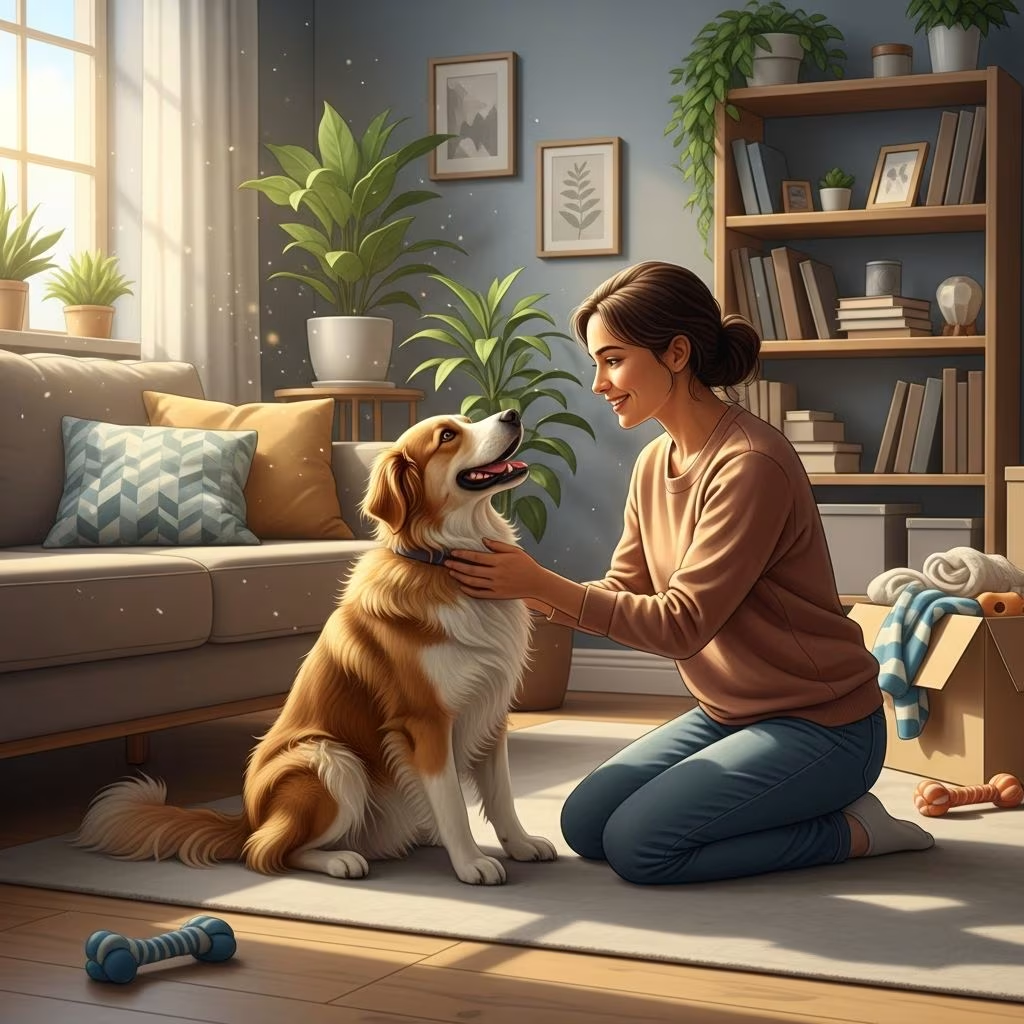
Moving to a new home can be exciting for humans but overwhelming for dogs. They thrive on familiarity, so sudden changes in environment often lead to stress, anxiety, or behavioral issues. Helping your dog adjust requires patience, consistency, and structured steps to rebuild their sense of security. Whether adopting an adult dog, puppy, or relocating with your pet, the key is gradual exposure and positive reinforcement. This guide covers everything from preparation to long-term settling, drawing on veterinary and expert advice to make the process smooth.
Prepare Your Home Before Arrival
Before bringing your dog home, set up their space to minimize disruption. Dogs feel secure with familiar items in a designated area, reducing the shock of new surroundings. Have essentials ready: crate, bed, food and water bowls, toys, leash, collar with ID tag, and the same food they were eating to avoid digestive upset.
- Designate a safe space: Choose a quiet room or corner with their crate or bed. Add familiar blankets or toys to create comfort. This spot becomes their retreat amid unpacking chaos.
- Stock supplies: Prepare the same brand of food, litter if applicable (though focus on dogs), waste bags, and grooming tools. Consistency in diet prevents stomach issues during transition.
- Dog-proof the area: Remove hazards like cords, small objects, or toxic plants. Confine them initially to one room to prevent overwhelm.
Experts emphasize pre-setup to signal stability. Place the crate in your bedroom so they can stay close, preventing separation anxiety from the start. This mirrors their previous routine, easing adjustment.
Establish a Routine Immediately
Dogs are creatures of habit; a predictable schedule provides security in unfamiliar settings. Start routines on day one for feeding, potty breaks, walks, play, and sleep. Consistency signals normalcy, helping them acclimate faster.
- Feeding schedule: Feed at the same times with the same food. Transition slowly if changing brands over 7-10 days by mixing old and new.
- Potty breaks: Take them out frequently on a leash to their designated spot. Praise and treat successes to reinforce housetraining.
- Exercise and play: Short, frequent walks explore the neighborhood gradually. Include mental stimulation like puzzle toys.
- Sleep routine: Maintain bedtime; keep crate nearby for nighttime reassurance.
If work interferes, hire a dog walker. Routines typically lead to noticeable improvement in 1-2 weeks, with full comfort by month three. Stressed dogs benefit most from this structure, burning nervous energy while learning house rules.
Create a Safe Space for Your Dog
A dedicated safe space is crucial for decompression. Amid moving boxes and new smells, this area offers respite. Use their crate or a gated corner with bed, toys, and water.
Enhance it for positivity:
- Feed meals inside to build pleasant associations.
- Add chew toys or stuffed Kongs for solo time.
- Cover the crate partially for den-like security.
Introduce slowly: Let them explore one room first before expanding access. This prevents overstimulation. Supervised confinement builds trust without isolation. Over time, they’ll use it voluntarily for rest.
Introduce Family Members and Other Pets Gradually
Rush introductions can spark fear or aggression. Proceed calmly, one-on-one.
Family introductions:
- Present each person seated calmly; let dog approach.
- Supervise kids closely—teach gentle petting.
- Avoid overwhelming crowds or excitement initially.
Other pets: Keep separate initially. Introduce on neutral ground like a park, leashed, for short sessions. Use barriers at home; swap scents under doors first. Watch body language: relaxed tails and ears signal readiness.
Patience prevents resource guarding. Positive experiences build bonds over days or weeks.
Stick to the Same Food and Schedule
Dietary changes upset digestion, compounding move stress. Continue previous food for 2-4 weeks.
| Week | Old Food % | New Food % | Notes |
|---|---|---|---|
| 1 | 100% | 0% | Maintain to avoid tummy issues |
| 2 | 75% | 25% | Mix gradually; monitor stool |
| 3 | 50% | 50% | Observe for allergies |
| 4 | 25% | 75% | Final transition |
Align schedule with pickup time: Ask shelter about last meal. Frequent potty opportunities retrain for your yard’s scents.
Provide Calm Exercise and Mental Stimulation
Exercise relieves stress but keep it low-key initially. Avoid busy parks; opt for quiet walks or backyard sniffing.
- Physical: Short leashed walks; play fetch gently.
- Mental: Scatter treats for sniffing (20 min equals 60 min walk). Hide food puzzles.
- Enrichment: New toys rotated to spark curiosity without overwhelm.
Calm energy prevents burnout. Build to longer outings as confidence grows.
Be Patient with Housetraining and Behavior
Housetraining may regress due to new scents. Treat like a puppy: Constant supervision, crate when unsupervised, immediate outdoor access post-meals/naps.
- Praise/treat outdoor elimination.
- Clean accidents enzymatically; no punishment.
- Track patterns for prevention.
Behaviors like whining or hiding fade with time. Reinforce positives with treats/praise. Full adjustment: days for resilient dogs, months for anxious ones.
Monitor for Signs of Stress and When to Seek Help
Watch body language:
- Normal adjustment: Tentative exploration, gradual relaxation.
- Stress signs: Pacing, panting, hiding, aggression, appetite loss, accidents.
If persisting beyond 2-4 weeks, consult a vet. Rule out health issues; consider behaviorist for severe anxiety. Tools like calming aids (pheromone collars) help short-term.
How Long Does It Take for a Dog to Adjust?
Timeline varies: 1-2 weeks for basics, 1-3 months for full comfort. Puppies adjust faster; seniors or rescues slower. Consistency accelerates it.
Frequently Asked Questions (FAQs)
What if my dog won’t eat in the new home?
Stress suppresses appetite. Offer favorites; hand-feed if needed. Ensure fresh water; vet check if >48 hours.
Can I take my dog to the dog park right away?
No—wait 2-4 weeks. Start with quiet walks.
What if my dog barks excessively?
Ignore attention-seeking; reward quiet. Exercise more; desensitize triggers gradually.
Is separation anxiety common?
Yes, especially rescues. Crate train slowly; use alone time increments with toys.
How do I introduce a new baby or elderly family member?
Gradually with supervision; use baby sounds pre-arrival for desensitization.
References
- Expert Advice: How to Help an Adult Dog Adjust to a New Home — American Kennel Club (AKC). 2023-05-15. https://www.akc.org/expert-advice/home-living/how-to-help-an-adult-dog-adjust-to-a-new-home/
- How Long Does It Take a Dog to Adjust to a New Home — Tailwind Global Pet. 2024-02-12. https://tailwindglobalpet.com/blog/dog-adjusting-to-new-home/
- Adopting: Helping a Dog Adjust to a New Home — San Diego Humane Society. 2023-11-08. https://sdhumane.org/resources/adopting-helping-a-dog-adjust-to-a-new-home/
- How to Bring Your New Dog Home and Make Them Feel Welcome — Humane World. 2024-01-20. https://www.humaneworld.org/en/resources/how-bring-your-new-dog-home-and
- How To Help a Dog Adjust to a New Home: A Guide — Diggs Pet. 2023-09-05. https://www.diggs.pet/blogs/posts/how-to-help-a-dog-adjust-to-a-new-home-a-guide



