

Arthritis, or osteoarthritis, affects many cats, particularly seniors, causing joint inflammation, pain, and reduced mobility that impacts their quality of life. While incurable, it can be effectively managed through a multimodal approach including medications, therapies, supplements, environmental changes, and lifestyle adjustments to keep your cat comfortable and active.
What Is Arthritis in Cats?
Arthritis in cats occurs when the protective cartilage between joints wears away due to age, injury, or repetitive stress, leading to bone-on-bone friction, inflammation, and pain. Osteoarthritis (OA) is the most common form in felines, often developing gradually and going unnoticed because cats instinctively hide discomfort. Unlike dogs, cats rarely limp obviously; instead, subtle behavioral changes signal the issue. This condition is more prevalent in older cats but can affect any age, with estimates suggesting up to 90% of cats over 12 years old experience some degree of OA.
The disease progresses as cartilage degrades, synovial fluid diminishes, and surrounding muscles weaken, creating a cycle of stiffness and reduced activity. Early intervention is crucial to slow progression and maintain joint function.
Signs of Arthritis in Cats
Cats mask pain well, making early detection challenging. Watch for these common indicators, especially in senior cats:
- Reluctance or hesitance to jump up or down from furniture, counters, or beds.
- Difficulty navigating stairs or reduced jumping height.
- Limping, stiffness (particularly after rest or sleep), or abnormal gait.
- Trouble entering or exiting the litter box, leading to accidents outside it.
- Irritability, aggression when touched, or withdrawal from social interaction.
- Decreased activity levels, more hiding or sleeping than usual.
- Poor grooming, resulting in a matted or unkempt coat.
- Overgrooming painful joints or muscle loss around affected areas.
If you notice these signs, consult a veterinarian promptly for diagnosis via physical exam, X-rays, or joint fluid analysis.
Diagnosis of Feline Arthritis
Veterinarians diagnose cat arthritis through a combination of history, physical orthopedic exam, and imaging. Owners provide details on behavior changes, while the vet assesses joint mobility, muscle mass, and pain responses. X-rays reveal joint space narrowing, bone spurs, or cartilage loss. Bloodwork rules out other conditions like infections or metabolic diseases. Advanced cases may involve MRI or CT scans, but these are rare.
Treatment Options for Cats with Arthritis
Treatment is multimodal, tailored to your cat’s needs, focusing on pain relief, inflammation reduction, joint support, and mobility improvement. Always work with a vet; never administer human medications, as they can be toxic to cats.
Medications
- Non-Steroidal Anti-Inflammatory Drugs (NSAIDs): First-line treatment like meloxicam reduces inflammation and pain. Administered as liquids or tablets; monitor for side effects like GI upset.
- Pain Medications: Gabapentin for neuropathic pain, amantadine to block pain signals, or short-term opioids for breakthrough pain.
- Monoclonal Antibodies (Solensia): FDA-approved frunevetmab injection (monthly) targets nerve growth factor for long-term pain control without liver strain. Ideal for hard-to-pill cats.
- Injectable Joint Protectants: Glycosaminoglycans every 4 weeks lubricate joints and relieve pain.
Supplements and Diets
Joint supplements with glucosamine, chondroitin, omega-3 fatty acids, or green-lipped mussel support cartilage repair and reduce inflammation. Prescription diets formulated for joint health provide antioxidants and controlled calories.
Physical and Alternative Therapies
Non-drug options enhance conventional treatments:
- Laser Therapy (Cold Laser/PBMT): Noninvasive light waves reduce inflammation and pain; sessions last minutes with no side effects.
- Acupuncture: Stimulates pain-relief points; many cats tolerate it well.
- Physical Therapy/Rehabilitation: Passive range-of-motion exercises, balance training, and muscle strengthening improve mobility.
- Hydrotherapy: Underwater treadmill or swimming reduces joint stress while building strength.
- Pulsed Electromagnetic Field (tPEMF) Therapy: Triggers tissue repair to ease pain.
- Chiropractic and Massage: Aligns spine and relieves muscle tension.
Surgical Options
Rarely needed, surgery corrects fractures, ligament tears, or removes damaged tissue in severe cases.
Home Management and Lifestyle Changes
Support vet-prescribed treatments with these adjustments:
Weight Management
Excess weight exacerbates joint stress. Feed a calorie-controlled diet, portion meals, and encourage play to achieve ideal body condition. Even 10-20% weight loss significantly reduces pain.
Environmental Modifications
- Low-sided litter boxes for easy access.
- Raised food/water bowls to minimize neck strain.
- Ramps or pet stairs for furniture/beds.
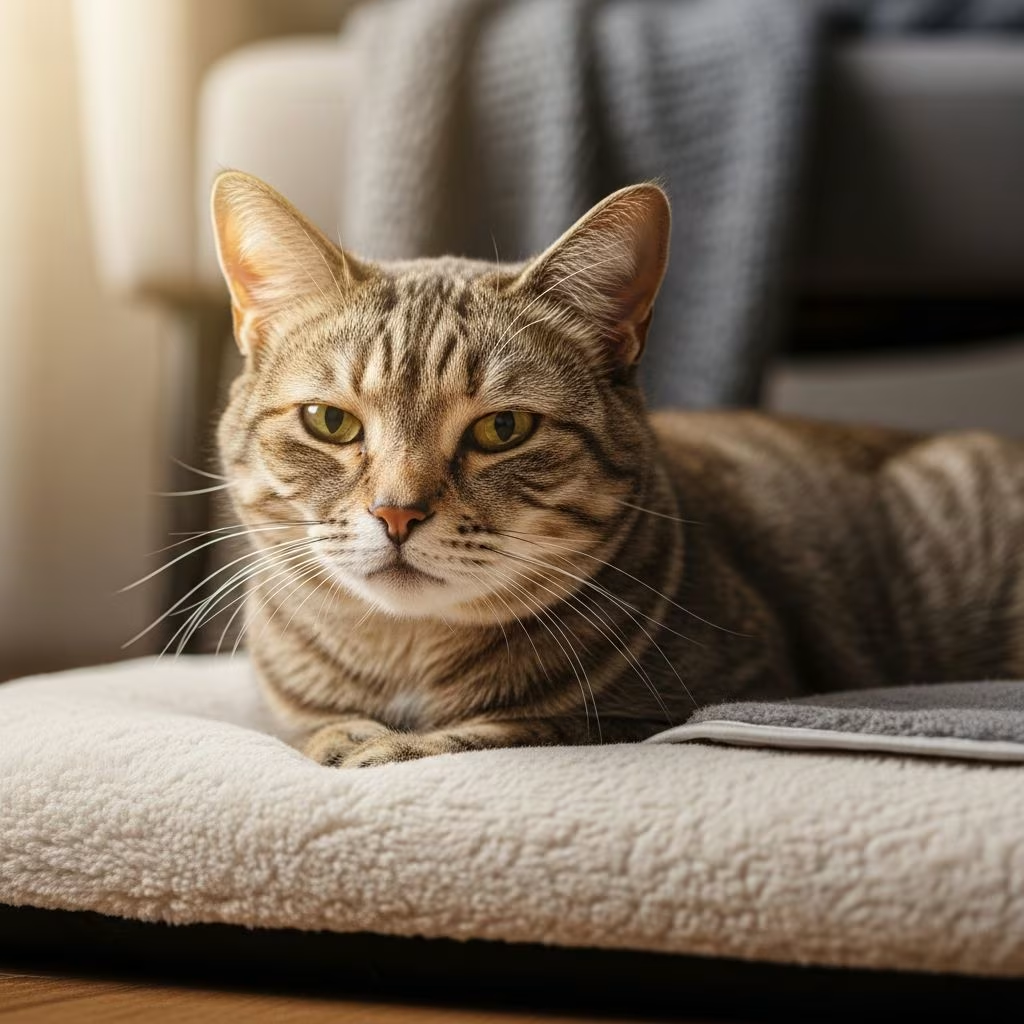
- Soft, orthopedic bedding and heated pads for comfort.
- Non-slip flooring and carpet runners to prevent slips.
- Multiple low-entry resting spots.
Exercise and Enrichment
Low-impact activities like chasing laser pointers, gentle play, or walking on uneven surfaces build muscle without strain. Aim for 10-15 minutes daily, split into sessions.
Nutrition for Cats with Arthritis
Prioritize high-quality, joint-supportive foods rich in omega-3s (fish oil), antioxidants, and controlled protein/fat for weight management. Avoid free-feeding; use puzzle feeders to slow intake and provide mental stimulation. Hydration is key—fountain bowls encourage drinking to support joint lubrication.
Monitoring Progress and When to See the Vet
Track mobility, appetite, grooming, and litter use weekly. Reassess with your vet every 3-6 months or if symptoms worsen. Adjust treatments as needed; sudden changes may indicate complications.
Frequently Asked Questions (FAQs)
Can cats get arthritis?
Yes, arthritis is common in cats, especially seniors over 10 years, due to cartilage wear.
How can I tell if my cat has arthritis?
Look for reduced jumping, litter box issues, poor grooming, or irritability. A vet exam confirms it.
What is the best pain relief for cats with arthritis?
Solensia injections, NSAIDs, and therapies like laser are top options; consult your vet.
Can supplements help my cat’s arthritis?
Yes, glucosamine and omega-3s support joints, but use vet-recommended products.
Is laser therapy safe for cats?
Absolutely—noninvasive, painless, and effective for reducing inflammation.[10]
Prevention Tips for Feline Arthritis
Maintain ideal weight, provide regular low-impact exercise, use joint-friendly litter boxes early, and schedule senior wellness exams. Spaying/neutering at appropriate ages may reduce obesity risk.
Managing cat arthritis requires patience and consistency, but with proper care, many cats enjoy pain-free golden years. Collaborate closely with your veterinarian for the best outcomes.
References
- Feline Arthritis Do’s and Don’ts — Fairfax Veterinary Clinic. 2023. https://fairfaxvet.com/feline-arthritis-dos-and-donts/
- Cat Arthritis Symptoms, Pain Relief, Treatments, and Types — WebMD. 2024-01-10. https://www.webmd.com/pets/cats/cat-arthritis-symptoms-pain-relief
- 9 Treatments for Arthritis in Cats: Medications and More — GoodRx. 2024. https://www.goodrx.com/pet-health/cat/arthritis-treatment
- Fe-line Stiff and Sore: How to Manage Your Cat’s Arthritis — The Gentle Vet NJ. 2023. https://thegentlevetnj.com/fe-line-stiff-and-sore-how-to-manage-your-cats-arthritis/
- Arthritis in Cats — VCA Animal Hospitals. 2024. https://vcahospitals.com/know-your-pet/arthritis-in-cats
- Osteoarthritis in Cats: More Common Than You Think — U.S. Food and Drug Administration (FDA). 2023-05-15. https://www.fda.gov/animal-veterinary/animal-health-literacy/osteoarthritis-cats-more-common-you-think



