

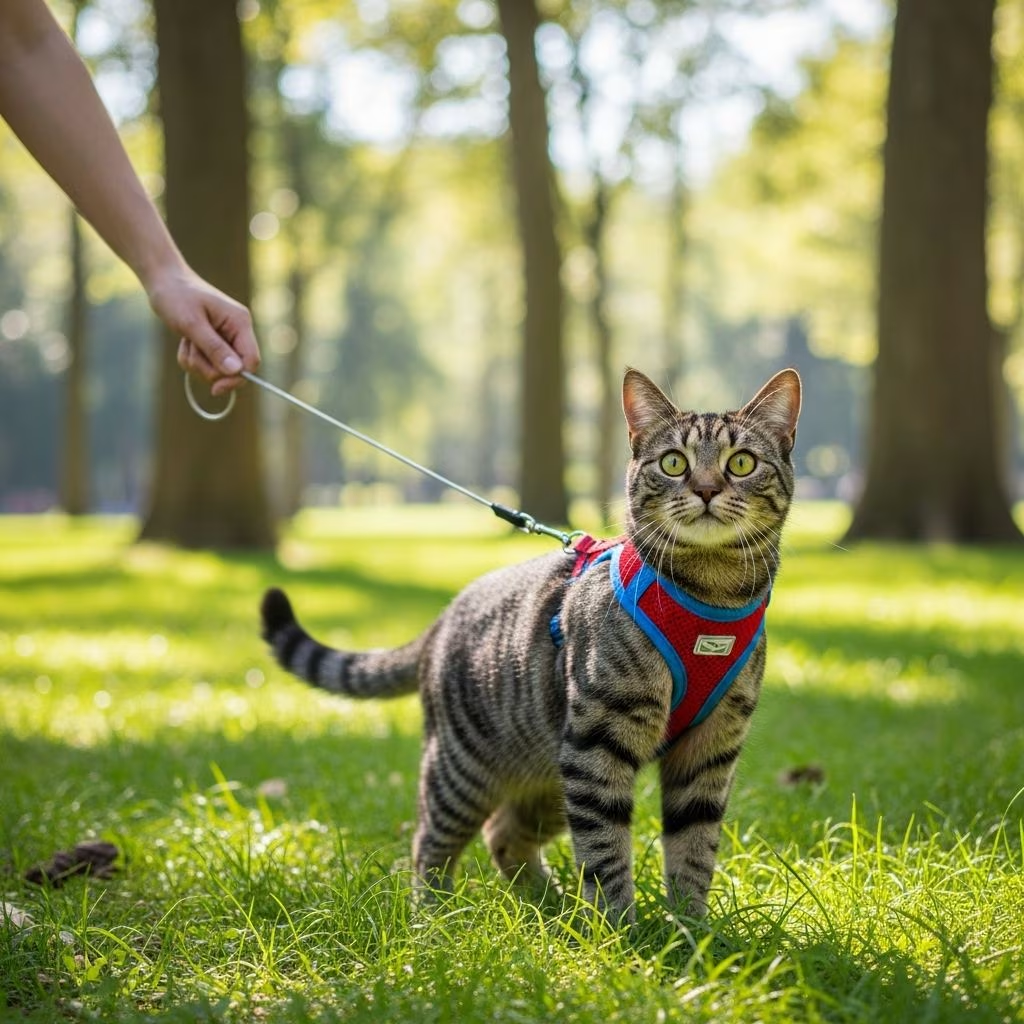
Indoor cats thrive in safety, but many crave outdoor stimulation for fresh air and natural hunting instincts. Harness training allows responsible exploration without risks like traffic or predators. This vet-approved guide outlines 10 steps to successfully train your cat, ensuring comfort, safety, and enjoyment.
Why Harness Train Your Cat?
Harness training enriches your cat’s life by providing supervised outdoor access. Cats naturally hunt and explore, but free-roaming poses dangers including vehicles, toxins, and fights. A properly fitted harness and leash combo lets your indoor cat experience grass, birds, and scents safely. Patience and positive reinforcement build trust, turning potential stress into adventure.
Benefits include physical exercise, mental stimulation, and strengthened owner-pet bonds. Start young for easier training, but adults can learn too with consistent sessions.
The 10 Steps on How to Harness Train a Cat
1. Choose the Right Harness
Select a cat-specific harness, avoiding dog models that pinch necks. Measure your cat’s neck circumference and thoracic girth (chest behind front legs) with a soft tape for precise fit. Manufacturers vary in sizing, so follow instructions closely.
Ideal features: adjustable straps, quick-release buckles, reflective strips, and durable materials. A snug fit allows two fingers between harness and skin—tight enough to prevent escape, loose enough for comfort. Example: harnesses with reinforced stitching and nylon leashes ensure safety.
2. Let Your Cat Get Used to the Harness
Introduce the unbuckled harness as a positive object. Place it near your cat with high-value treats on or around it. Reward sniffing or touching to create association: harness equals treats. Sessions last 5-10 minutes daily.
- Toss treats when cat approaches voluntarily.
- Use smelly treats like tuna or chicken for motivation.
- Never force interaction; let curiosity lead.
3. Practice Putting the Harness On
Hold the harness at head height with neck opening wide (straps loose). Lure your cat’s head through with treats, rewarding progress. Progress slowly: touch nose, poke head in partially, then fully.
A helper feeds treats while you buckle under the belly. If cat backs out, regress steps. Goal: voluntary entry without restraint for positive vibes.
4. Reward Your Cat for Wearing the Harness
Once buckled loosely, shower with treats, pets, or play. Let cat move freely indoors. Ignore minor fussing; praise calm behavior. Use clicker if trained, or verbal marker like “yes”.
High-value rewards reinforce: harness time is fun time.
5. Adjust the Fit Properly
After comfort builds, snug straps. Check: two fingers under neck/chest straps; no slipping when tugged gently. Test by lifting slightly—cat shouldn’t panic. Re-measure as cat grows or gains weight.
| Measurement | Ideal Fit | Check Method |
|---|---|---|
| Neck | Snug, 2 fingers space | Slide fingers under strap |
| Chest (Thoracic Girth) | Secure, no gaps | Gently tug; no escape |
| Straps | Even pressure | Cat walks normally |
6. Encourage Movement While Wearing It
With harness on, entice walking via treat trails, toys, or laser pointers. Start short distances indoors. Praise steps forward; never drag. Gradually increase to room traversal.
If cat “goats” (freezes), distract positively and extend time incrementally: 60 seconds to 10 minutes.
7. Keep Sessions Short
Initial wears: 1-2 minutes. Build to 10-15 minutes over days/weeks. Short, frequent sessions prevent overwhelm. End on high note with treats.
- Day 1-3: 1-2 min.
- Week 1: 5 min.
- Ongoing: 10+ min. indoors.
8. Put the Harness on at Meal or Play Time
Pair with routines: buckle before meals or play. Cat associates harness with positives like food/play. Wear during feeding; remove after. Speeds desensitization.
9. Introduce the Leash
Post-harness comfort, clip leash loosely. Let cat drag indoors supervised—no tangles. Reward tolerance. Practice gentle leads with treats.
Commands: “Let’s go” with tug and treat. Indoor laps first; no outdoors yet.
10. Pull Back at Signs of Stress
Monitor body language. Halt if stressed; remove harness calmly.
- Defensive swats/hisses
- Cowering posture
- Flattened ears
- Arched back
- Excessive meowing
Progress at cat’s pace; forcing erodes trust.
Common Mistakes to Avoid
Avoid rushing outdoors, loose fits, or punishment. No collars—risk tracheal damage. Supervise always; never unattended. Patience yields success.
Tips for Success
- Use clicker training if experienced.
- Train in quiet, familiar spaces.
- Multiple short sessions daily.
- Track progress in journal.
- Consult vet for anxious cats.
Frequently Asked Questions (FAQs)
Can any cat be harness trained?
Yes, most cats learn with patience. Kittens adapt faster; seniors may need slower pacing. Respect personality.
How long does training take?
1-4 weeks typically. Varies by cat; consistency key.
What if my cat hates the harness?
Backtrack steps, use better treats. Professional trainer if needed.
Is outdoor walking safe?
Yes, supervised in safe areas. Avoid busy roads.
Best age to start?
Kittenhood ideal, but any age works.
Final Thoughts
Harness training opens safe adventures, boosting your cat’s well-being. Follow these steps diligently for a confident explorer. Celebrate small wins—your bond strengthens too.
References
- How To Harness Train Your Cat — Why Animals Do The Thing. 2023-05-15. https://www.whyanimalsdothething.com/harness-train-your-cat
- How to Harness Train a Cat: 10 Vet-Verified Tips & Tricks — Catster. 2024-08-20. https://www.catster.com/lifestyle/how-to-harness-train-a-cat/
- How to Introduce Cats with a Harness — Tails & Tips (Liz’s Kitty Bootcamp). 2024-01-31. https://lizskittybootcamp.com/2024/01/31/introduce-cats-harness/
- Leash Training Your Cat: 9 Easy Steps — Catster. 2024-06-12. https://www.catster.com/lifestyle/leash-training-your-cat/



