

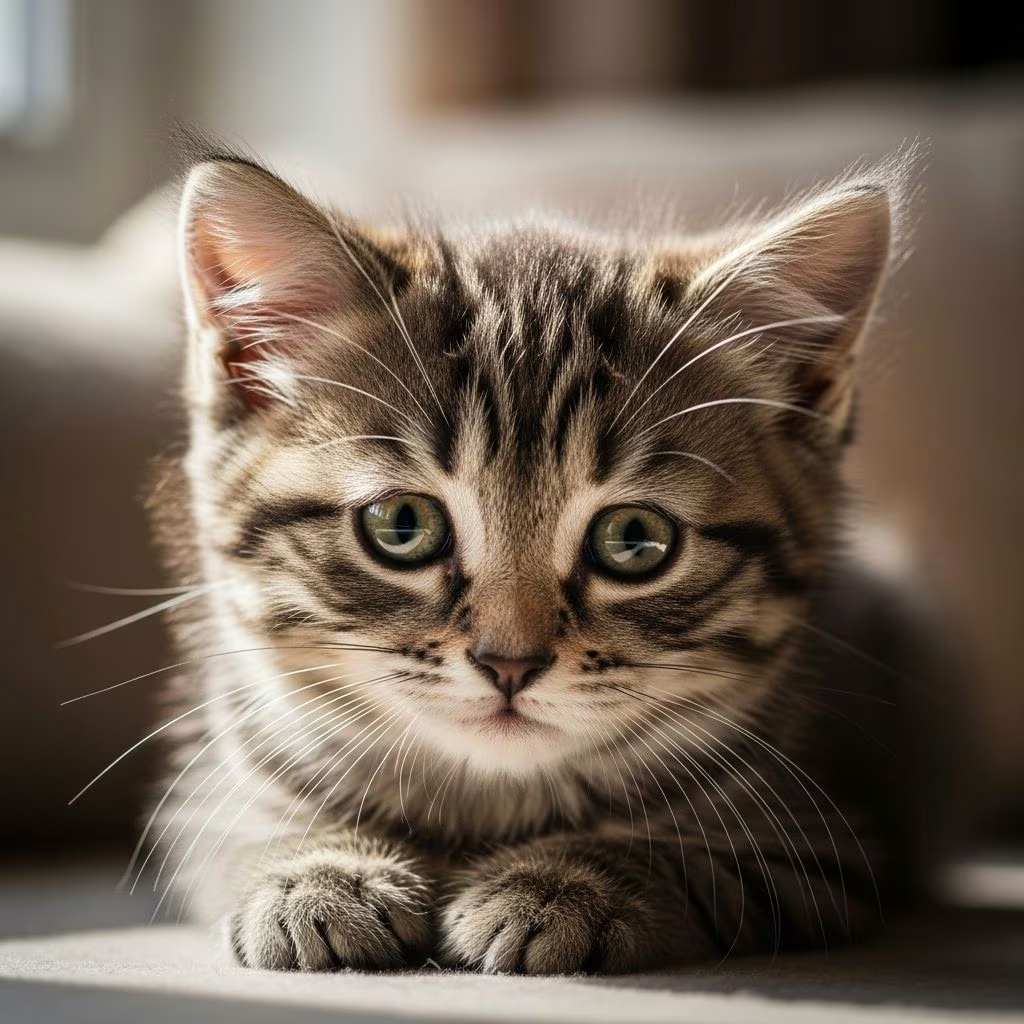
The journey of watching your kitten grow into an adult cat is one of the most rewarding experiences a pet owner can have. However, many cat parents experience a bittersweet feeling when their playful, energetic kitten transforms into a more independent, laid-back adult feline. This emotional experience, commonly known as the \”post-kitten blues,\” is a real phenomenon that affects countless cat lovers. The good news is that these feelings don’t have to last forever, and with the right mindset and strategies, you can gracefully transition into enjoying your cat’s adult years while cherishing the memories of their kittenhood.
Understanding the Post-Kitten Blues
The post-kitten blues represent an emotional challenge many cat parents face when their young, energetic companion begins to mature. During the kitten phase, cats are playful, curious, and constantly seeking interaction. They engage in wild, unpredictable behaviors that can be both entertaining and exhausting. As cats age, their personalities often shift dramatically. They become more composed, require less constant attention, and may spend more time resting than exploring. This transition can feel like a loss to owners who have grown attached to their kitten’s youthful antics and boundless energy.
It’s important to recognize that these feelings of melancholy are completely normal and valid. You’re not alone in experiencing them, and acknowledging these emotions is the first step toward moving past them. The key to handling post-kitten blues lies in accepting the natural progression of your cat’s life and finding new ways to appreciate their evolving personality and companionship.
The 4 Tips for Handling the Post-Kitten Blues
1. Remember the Good Times
One of the most effective ways to manage post-kitten blues is to actively honor and preserve the memories of your cat’s kitten stage. Rather than trying to forget about those early days, embrace them as a beautiful chapter in your shared history. Acknowledging that your cat has grown doesn’t mean dismissing the joy they brought you as a kitten.
Consider creating a physical or digital photo album dedicated to your cat’s kittenhood. Gather pictures that capture their most memorable moments—sleeping in awkward positions, pouncing on toys, playing with siblings, or those adorable close-up shots of their tiny face. Display these photos around your home or create a digital slideshow you can revisit whenever nostalgia strikes. Whenever you feel down about not having a baby cat around, pull out your album and reminisce about those special moments.
As you flip through these memories, you’ll likely notice something important: alongside the sweet and hilarious moments, you’ll also recall the challenging aspects of kitten ownership. Kittens can be destructive, demanding, and exhausting. Remembering both the wonderful and the difficult times helps you gain perspective and emotional balance. You begin to appreciate how much easier and more peaceful life can be with an adult cat, while still honoring the unique joy that kittenhood brought.
Creating a memory album serves another purpose as well. It becomes a tangible reminder that your relationship with your cat is evolving, not ending. The bond you shared during kittenhood has simply matured into something different but equally meaningful.
2. Share Your Experiences
Another powerful strategy for handling post-kitten blues is to share your experiences and feelings with other cat lovers. Talking about your emotions helps validate your experience and often reveals that you’re not alone in this journey. Many other cat parents have walked this same path and understand exactly what you’re going through.
Reach out to friends or family members who have cats and discuss how they navigated the transition from kitten to adult cat. Join online cat communities, forums, or social media groups dedicated to cat lovers. Share photos of your kitten and adult cat, and engage in conversations about the changes you’ve observed in your pet’s personality and behavior. These connections can be incredibly therapeutic and provide you with a support network of people who genuinely understand your feelings.
Sharing your story also helps you process your emotions in a healthy way. By articulating what you’re experiencing, you gain clarity and perspective. You might discover tips and tricks from other cat owners that help you find new ways to enjoy your adult cat. Additionally, helping others who are just entering the post-kitten phase can be deeply rewarding and can help shift your focus from what you’re missing to the value you can provide to the cat community.
3. Make Bonding a Priority
While adult cats may not engage in play the same way kittens do, they absolutely still want and need quality time with their owners. Making bonding a priority is crucial for maintaining a strong relationship with your maturing feline and can significantly ease post-kitten blues. The form of bonding simply needs to adapt to your cat’s changing needs and preferences.
Interactive play remains an important bonding activity, even if your adult cat engages in it differently than they did as a kitten. Adult cats might prefer shorter play sessions or may have developed new favorite games that they didn’t show interest in during kittenhood. Be observant and flexible in your approach. If your cat used to love pouncing on feather toys but now prefers batting at laser pointers, adapt accordingly.
Beyond traditional play, bonding with your adult cat can take many forms. Spend quiet time together on the couch while you read or watch television. Groom your cat regularly, which many cats enjoy and which strengthens your connection. Experiment with new treats or toys to discover what captures their interest at this stage of life. Some cats enjoy learning new behaviors or tricks, which can be a fun and engaging bonding activity. Others might prefer exploring new environments or enjoying enrichment activities like bird watching through a window.
Remember that simply being in the same space as your cat counts as quality time. Cats are known for their independent nature, but they still value and seek out companionship in their own way. When you make bonding a priority and remain present and attentive to your cat’s needs, you’ll find that your relationship deepens and evolves in ways that can be just as meaningful as your kitten interactions were.
4. Think of New Adventures and Experiences
One of the most overlooked strategies for handling post-kitten blues is to approach your cat’s adulthood as an opportunity for new adventures and experiences. Rather than viewing adulthood as the end of an exciting chapter, reframe it as the beginning of a different but equally enriching one.
Adult cats have developed preferences, personalities, and quirks that may not have been apparent during their kitten days. Take advantage of this more established personality to discover new activities and experiences you can enjoy together. Perhaps your adult cat enjoys car rides, harness walks in the neighborhood, or exploring a secure outdoor enclosure. Maybe they’ve developed a passion for a particular type of toy or game that you hadn’t discovered yet.
Consider enriching your cat’s environment in new ways. Introduce puzzle feeders, window perches with scenic views, or interactive toys that challenge their hunting instincts. Rotate toys regularly to maintain novelty and interest. These activities provide mental stimulation and entertainment while also giving you new opportunities to interact with and appreciate your cat’s evolving personality.
When you stop mourning the loss of kittenhood and instead embrace the unique qualities of your adult cat, you open yourself up to discovering new sources of joy and connection. The shenanigans may be different from kitten antics, but adult cats can be equally entertaining and affectionate in their own ways. Playing with your adult cat should give you similar feelings of happiness and connection that you experienced during their kitten phase, even if the nature of that play has changed.
Adjusting Your Expectations
A significant part of managing post-kitten blues involves adjusting your expectations about what cat ownership looks like during the adult phase. Recognize that changes in your cat’s behavior and energy levels are completely natural and healthy. Kittens are biologically programmed to be highly active as they develop and learn about the world. As cats mature, their need for sleep increases and their energy levels naturally decrease.
Understanding these biological changes helps you appreciate your adult cat rather than resent them for being \”less fun\” than they were as a kitten. Your cat isn’t lazy or boring—they’re simply living according to their natural feline instincts. Adult cats often become more affectionate and personable with their owners, developing stronger bonds and showing appreciation in subtle but meaningful ways.
Pay attention to the unique qualities your cat displays as an adult. Many cats become more confident, calmer, and more comfortable in their own skin. They may show increased patience, develop stronger preferences for certain activities, and become more reliably predictable. These traits can be just as delightful as kitten energy, just in different ways.
When to Seek Professional Help
While post-kitten blues are a normal emotional experience for cat owners, it’s worth noting that sometimes what appears to be normal aging in cats can mask underlying health or behavioral issues. If your cat’s transition to adulthood seems accompanied by significant behavioral changes, loss of appetite, or unusual lethargy, consult with your veterinarian. These changes could indicate that your cat is experiencing depression or facing health challenges that require professional attention.
Similarly, if your own feelings about this transition become overwhelming or lead to depression, consider speaking with a counselor or therapist. While it might seem silly to seek professional help for sadness about a pet’s aging, the emotional bond we share with our animals is real and significant, and there’s no shame in getting support when you need it.
Looking Forward: A New Chapter
The post-kitten blues are real but temporary. What you’re experiencing is a natural part of the journey of pet ownership. By implementing the strategies outlined here, you can move beyond those blues and start a new chapter of life with your beloved furry family member. You can also reminisce and relive your favorite moments with your cat once they reach adulthood, while simultaneously discovering new joys in their adult personality.
The relationship you have with your cat doesn’t end when kittenhood does—it simply evolves. The bond you built during those early days becomes the foundation for an even deeper connection as you discover who your cat becomes as an adult. Your cat is still the same individual you fell in love with; they’re simply expressing themselves in a different way.
Take comfort in knowing that millions of cat owners have successfully navigated this transition and have found happiness and fulfillment in their cats’ adult years. With patience, adjustment, and a willingness to embrace change, you will too.
Frequently Asked Questions (FAQs)
Q: Is post-kitten blues a real condition?
A: Yes, post-kitten blues are a genuine emotional experience that many cat owners face when their kitten transitions to adulthood. It’s characterized by nostalgia and a sense of loss as your cat’s behavior and energy levels change. However, these feelings are temporary and manageable with the right strategies.
Q: How long do post-kitten blues typically last?
A: The duration varies from person to person, but typically these blues fade over several weeks to months as you adjust to your cat’s new phase of life and discover the unique joys of having an adult feline companion.
Q: Will my adult cat still want to play with me?
A: Yes, adult cats enjoy play and interaction, though the nature and duration of play sessions may change. They often prefer shorter, less frequent play sessions and may have different preferences than they did as kittens. Paying attention to your cat’s preferences and adjusting accordingly will help you maintain this important bonding activity.
Q: What if I’m struggling significantly with my cat’s transition to adulthood?
A: If your feelings of sadness or melancholy are overwhelming, don’t hesitate to talk to friends, family, or a mental health professional. Your emotional connection to your pet is real and valid, and seeking support is a healthy way to process these feelings.
Q: Can creating memories of my kitten help me move past the blues?
A: Absolutely. Creating photo albums, sharing experiences with other cat lovers, and intentionally reminiscing about kittenhood can help you process these emotions while maintaining a healthy perspective that includes memories of both the good and challenging times.
Q: Are there physical health signs I should watch for when my kitten becomes an adult?
A: Yes. If your cat shows significant changes in appetite, sudden lethargy, or unusual behavioral changes beyond what’s expected during the kitten-to-adult transition, consult your veterinarian. These could indicate underlying health issues rather than normal development.
References
- How to Handle the Post-Kitten Blues: 4 Cat Care Tips — Catster. 2023. https://www.catster.com/lifestyle/how-to-handle-the-post-kitten-blues/
- Think Your Cat Is Depressed? 13 Signs You Have a Sad Cat — Chewy. 2024. https://www.chewy.com/education/cat/health-and-wellness/signs-cat-is-depressed
- Is Your Cat Sad? Signs & Causes of Cat Depression — Eastgate Animal Hospital. 2023. https://www.eastgateanimalhospital.com/site/blog/2023/11/15/cat-sad-depression
- Can Cats Get Depressed? — Sanicat. 2024. https://www.sanicat.com/sanis-corner/articles/know-and-love-your-cat-can-cats-get-depressed/
- Is My Kitty Depressed? Signs to Look For in a Sad Cat — All About Cats. 2021. https://weareallaboutcats.com/2021/10/07/is-my-kitty-depressed-signs-to-look-for-in-a-sad-cat/



