

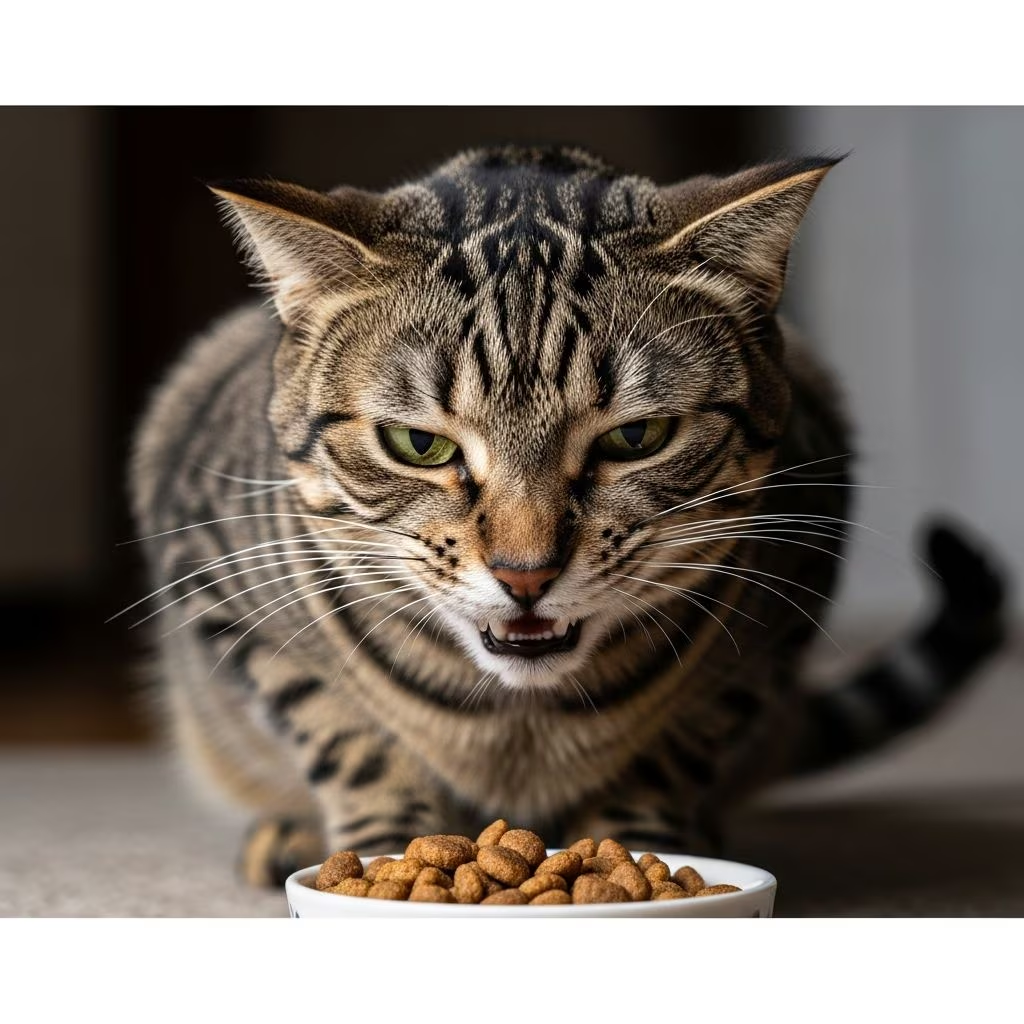
Food aggression in cats manifests as growling, hissing, swatting, or attacking to guard food resources, often stemming from instinctual behaviors or environmental factors. This guide covers signs, causes, prevention, and management strategies to ensure safe mealtimes for cats and owners alike.
What Is Food Aggression in Cats?
Food aggression, also known as resource guarding, occurs when cats display defensive behaviors around food to protect it from perceived threats. Unlike dogs, this is less common in cats but can pose risks to household members and other pets. Cats may hiss, growl, or strike during meals, viewing the food bowl as a vital territory.
In multi-cat homes, competition intensifies these reactions, leading to chronic stress. Understanding this behavior as a survival instinct helps owners address it compassionately without punishment, which can worsen anxiety.
Signs of Food Aggression in Cats
Recognizing early signs prevents escalation. Common indicators include:
- Guarding the food bowl or eating area by staring down or blocking access.
- Growling, hissing, or swatting at humans or other pets during mealtime.
- Terrorizing household pets away from food sources.
- Stealing food, raiding counters, trash, or tearing open packaging.
- Persistent meowing, begging, or hovering in the kitchen for food.
- Attacking when any food is present, even uneaten portions.
- Refusing to eat unless alone or showing escalated aggression like biting.
These behaviors signal obsession beyond normal hunger, potentially linked to psychogenic abnormal feeding behavior (PAFB), where cats like Otto, an 8-month-old Siamese, aggressively sought food despite satiety.
Why Do Cats Show Food Aggression?
Several factors contribute to food aggression, often combining instinct, environment, and health issues. Addressing root causes is key to resolution.
Premature Weaning
Kittens separated from mothers too early miss learning sharing, leading to possessive traits. Early weaning heightens competition instincts, making adult cats hoard food.
Outdoor or Feral Experiences
Cats accustomed to scavenging outdoors view food as scarce, triggering guarding. Transitioning ferals indoors amplifies this survival mode.
Stress and Anxiety
Environmental changes, new pets, or routines disrupt security, prompting defensive food protection. Anxious cats feel unsafe, escalating aggression.
Multi-Cat Households
Competition for limited food fosters rivalry. Feeding large amounts once daily worsens resource battles, especially without private spaces.
Reinforcement and Feeding Practices
Giving in to begging reinforces pestering. Small portions, once-daily feeding, or irregular schedules build frustration and obsession.
Health Issues
Hyperthyroidism boosts metabolism, causing constant hunger. Dental pain from periodontal disease makes eating irritable. Undiagnosed conditions like these mimic behavioral issues.
Psychogenic Abnormal Feeding Behavior (PAFB)
PAFB involves extreme food fixation, aggression, and pica (eating non-foods). Otto’s case showed psychological origins, treated via desensitization and stress reduction.
How Do You Manage Food Aggression in Cats?
Management requires patience, consistency, and ruling out medical causes first. Consult a vet to exclude hyperthyroidism or pain.
Step 1: Veterinary Checkup
Schedule a full exam. Bloodwork detects metabolic issues; dental checks reveal pain sources.
Step 2: Adjust Feeding Routine
Switch to multiple small meals daily, mimicking hunting. Use puzzle feeders to slow eating and reduce guarding.
- Feed in separate rooms for multi-cat homes.
- Measure portions precisely to match caloric needs.
- Avoid free-feeding; it heightens competition.
Step 3: Desensitization and Counter-Conditioning
Gradually acclimate cats to presence near food. Start with hand-feeding tiny treats, rewarding calm. Progress to approaching the bowl without reaction.
For PAFB, reduce stressors and use positive reinforcement, as in Mongillo et al.’s successful case.
Step 4: Environmental Enrichment
Provide vertical spaces, toys, and scratching posts to lower overall stress. Pheromone diffusers calm anxious cats.
Preventing Food Aggression in Cats
Proactive steps build secure habits:
- Socialize kittens early with shared resources.
- Maintain consistent schedules and measured feeds.
- Offer private feeding stations in multi-pet homes.
- Monitor weight and health regularly.
- Use interactive feeders for mental stimulation.
Table of Feeding Strategies:
| Strategy | Benefits | Best For |
|---|---|---|
| Multiple Daily Meals | Reduces hunger spikes | All aggressive cats |
| Puzzle Feeders | Slows eating, engages mind | Obsessive eaters |
| Separate Stations | Eliminates competition | Multi-cat homes |
| Hand-Feeding | Builds positive associations | Desensitization |
When to Seek Professional Help
If aggression persists despite changes, or includes biting/scratching, consult a veterinary behaviorist. Signs like refusing food alone or worsening over time warrant experts.
Cornell Feline Health Center notes aggression types like fear-based require tailored interventions.
Frequently Asked Questions (FAQs)
What causes food aggression in cats?
Common causes include premature weaning, stress, multi-cat competition, poor feeding practices, and health issues like hyperthyroidism.
Is food aggression dangerous?
Yes, it risks injury to owners/pets and links to obesity from overeating or stress-related illnesses.
How long does it take to stop food aggression?
Weeks to months with consistency; medical resolutions are faster post-treatment.
Can kittens develop food aggression?
Yes, from early weaning or competition; prevent via gradual socialization.
Does neutering help?
It reduces some territoriality but not food-specific aggression; combine with behavior mods.
References
- Why Is My Cat Food Aggressive? – The Comforted Kitty Cat Sitting — Comforted Kitty. 2023. https://comfortedkitty.com/food-aggression-in-cats/
- How To Deal With Food Aggression in Cats — Cats.com. 2024. https://cats.com/food-aggression-in-cats
- Food Aggression in Cats — Dupont Veterinary Clinic. 2023. https://www.dupontvet.com/blog/food-aggression-in-cats/
- How to Stop Food Aggression in Cats: Smart Solutions That Work — Holistapet. 2024. https://www.holistapet.com/blogs/cat-care/how-to-stop-food-aggression
- Feline Behavior Problems: Aggression — Cornell University College of Veterinary Medicine. 2025-01-10. https://www.vet.cornell.edu/departments-centers-and-institutes/cornell-feline-health-center/health-information/feline-health-topics/feline-behavior-problems-aggression



