

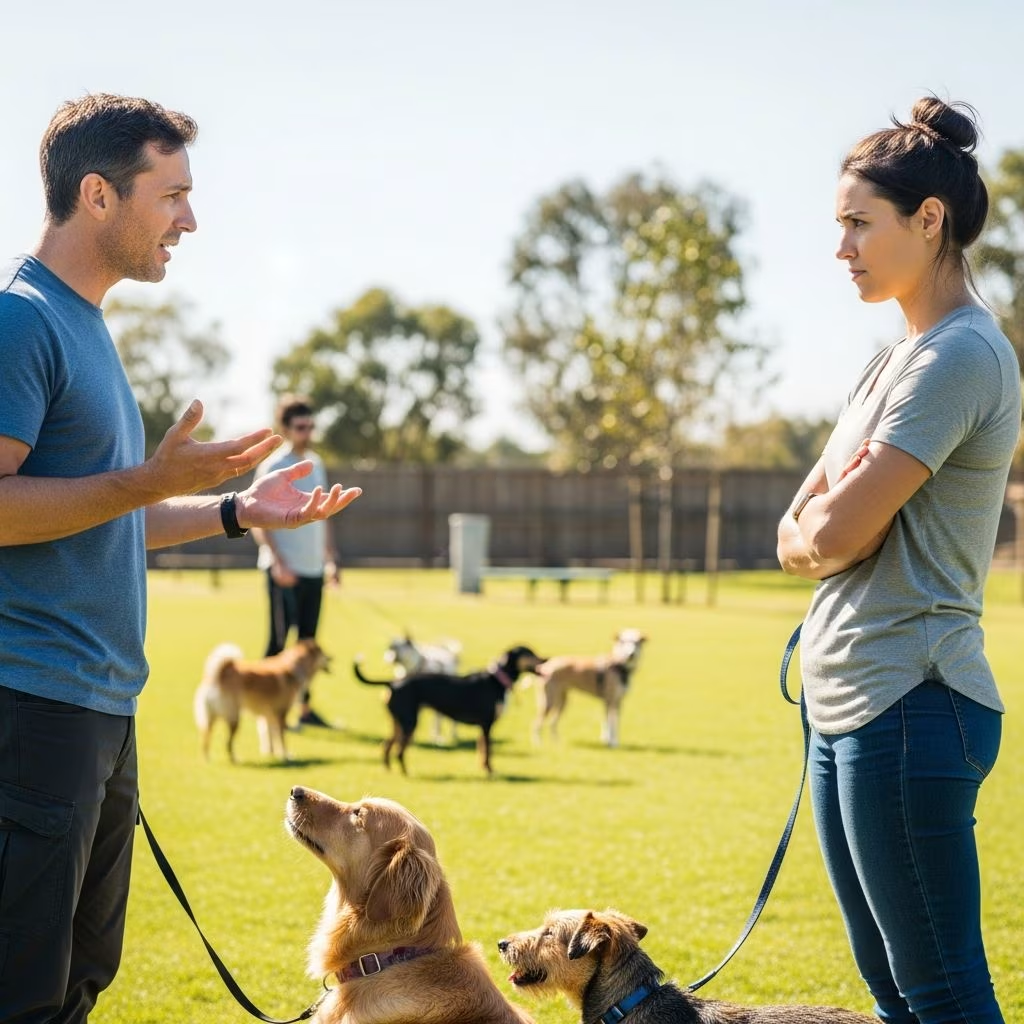
Dog parks offer invaluable socialization opportunities for our canine companions, but they can also be hotspots for tension—both between dogs and their humans. Conflicts arise from rough play, bullying, mounting, uncleanliness, or differing views on intervention. Proactive steps like attentive supervision and early intervention prevent most issues, ensuring a safe, enjoyable environment for all.
Why Dog Park Conflicts Happen
Understanding root causes empowers better prevention. Common triggers include bullying and mobbing, where groups gang up on newcomers, leading to fights; mounting, sparking owner disagreements; and lack of cleanup, breeding resentment among pet parents. A Sonoma State University study identifies these as top dog-on-dog conflict causes, while human disputes often stem from intervention styles or hygiene lapses. Rough, one-sided play or poor recall exacerbates risks, especially in crowded parks.
Breeds play differently—herding dogs may nip heels, while bully breeds wrestle intensely—misread signals fuel escalations. Owners distracted by phones miss subtle cues like stiff tails or whale-eye stares, allowing tensions to boil over. Recognizing these patterns allows timely action.
Prevention Strategies: Keep Conflicts at Bay
Most dog park drama is avoidable with vigilance and etiquette. Here’s how to foster peace:
- Supervise Actively: Stay off your phone; watch body language closely. Intervene early if play turns one-sided or tense.
- Practice Recall: Train reliable ‘come’ or ‘stay’ commands beforehand. Use long leashes initially for control.
- Time Visits Wisely: Go during off-peak hours to avoid crowds. Leave if it gets busy.
- Clean Up Always: Bring bags and water bowls—shared ones risk giardia.
- Respect Space: Prevent mounting or mobbing by body-blocking or redirecting promptly.
Tools like compressed air cans, water sprays, or long leashes aid interruptions without harm. Promote calm by rewarding polite greetings.
Recognizing Trouble: Dog Body Language Red Flags
Decode signals to act preemptively. Key warnings:
- Stiffness: Frozen posture, hard stare, raised hackles.
- Fear/Aggression: Whale-eye (whites showing), lip licking, yawning, tucked tail.
- Over-Arousal: Intense mounting, obsessive chasing, inhibited bites turning growly.
| Play Signal | Conflict Signal |
|---|---|
| Play bow, bouncy gait, relaxed mouth | Snarling, lunging, pinned ears |
| Take turns chasing | One dog always on top/defensive |
| Brief pauses | Non-stop intensity, no breaks |
Intervene at first signs—better safe than sorry.
How to Safely Break Up a Dog Fight
If escalation occurs, stay calm—yelling worsens it. Proven techniques:
- Assess Safely: Don’t grab collars (risk neck injury).
- Hindquarter Method: Approach from behind, lift back legs wheelbarrow-style, pull apart in a curve.
- Distractions: Use air horns, water sprays, or barriers.
- Post-Fight: Exchange info, check injuries, separate dogs.
If your dog aggresses, own it and leave. Repeat offenders shouldn’t attend.
Addressing Conflicts With Other Pet Parents
Human clashes often mirror dog issues. Approach diplomatically.
Start with a Baseline Relationship
Build rapport first—like bank deposits before withdrawals. Chat casually over time; strangers resist criticism. Positive interactions pave feedback paths.
Figure Out What the Problem Is (and Whose It Is)
Use ‘I’ statements: ‘I’m noticing X and could use your help understanding it.’ Avoid blame to prevent defense. Frame as collaboration.
Handle Fallout from the Conflict with Grace
If offended, apologize: ‘Sorry if that upset you—my intent was safety.’ Walk away if heated; prioritize safety by leaving. For injuries, gently exchange contacts, discuss vet bills calmly.
Change yourself first: Pick up stray poop, remove your dog from humpers. Realistic in unregulated spaces.
Post-Incident: Bites, Injuries, and Next Steps
For harm:
- Immediate: Separate, vet check, exchange info.
- Follow-Up: Share bills: ‘Your dog bit mine; thoughts on covering costs?’.
- Ongoing Issues: Report bullies to park management; ban repeat offenders. Consult attorneys if needed.
You may encounter them again—assume unawareness over malice for better interactions.
Dog Park Etiquette Do’s and Don’ts
| Do’s | Don’ts |
|---|---|
| Supervise closely, clean up | Let dogs ‘work it out’ if rough |
| Intervene early, use recall | Ignore mounting or bullying |
| Offer bags, stay calm | Distract with phones |
| Leave if unsafe | Bring untrained dogs |
Adhering elevates the experience.
Frequently Asked Questions (FAQs)
Q: How do I know if dogs are playing or fighting?
A: Play involves bows, turns, relaxed faces; fights show stiffness, snarls, no breaks. Intervene on doubt.
Q: What if my dog is bullied at the park?
A: Redirect with recall, create distance, or leave. Train space respect at home.
Q: Should I confront owners about their dog’s behavior?
A: Build rapport first, use non-blaming language. Change your actions if needed.
Q: How to break up a fight safely?
A: Lift hind legs, pull apart curved. Stay calm, no collars.
Q: When to ban my dog from the park?
A: If aggressive repeatedly, poor recall, or stress-prone. Prioritize safety.
Q: Is it okay to bring puppies to dog parks?
A: Wait until fully vaccinated (16 weeks); start small. Monitor closely.
Implementing these strategies transforms dog parks from potential battlegrounds to joyful havens. Attentive ownership benefits all pups and parents.
References
- How To Avoid Dog Park Conflicts — Dog Savvy SLC. 2023. https://dogsavvyslc.com/blog/four-main-causes-of-conflict-at-dog-park
- How to Handle Dog-Park Conflict With Other Pet Parents — Kinship. 2023. https://www.kinship.com/dog-behavior/how-to-handle-dog-park-conflict
- How to Reduce and Control Aggression at the Dog Park — DogBizness. 2024. https://www.dogbizness.com.au/post/how-to-reduce-and-control-aggression-at-the-dog-park-creating-a-safe-and-enjoyable-environment-for
- Dog Park Incident Tips — Millbury MA Government. 2022. https://www.millburyma.gov/dog-park-committee/files/dog-park-incident-tips
- 7 Dog Park Red Flags You Shouldn’t Ignore — Lemonade. 2024. https://www.lemonade.com/pet/explained/dog-park-etiquette/



