

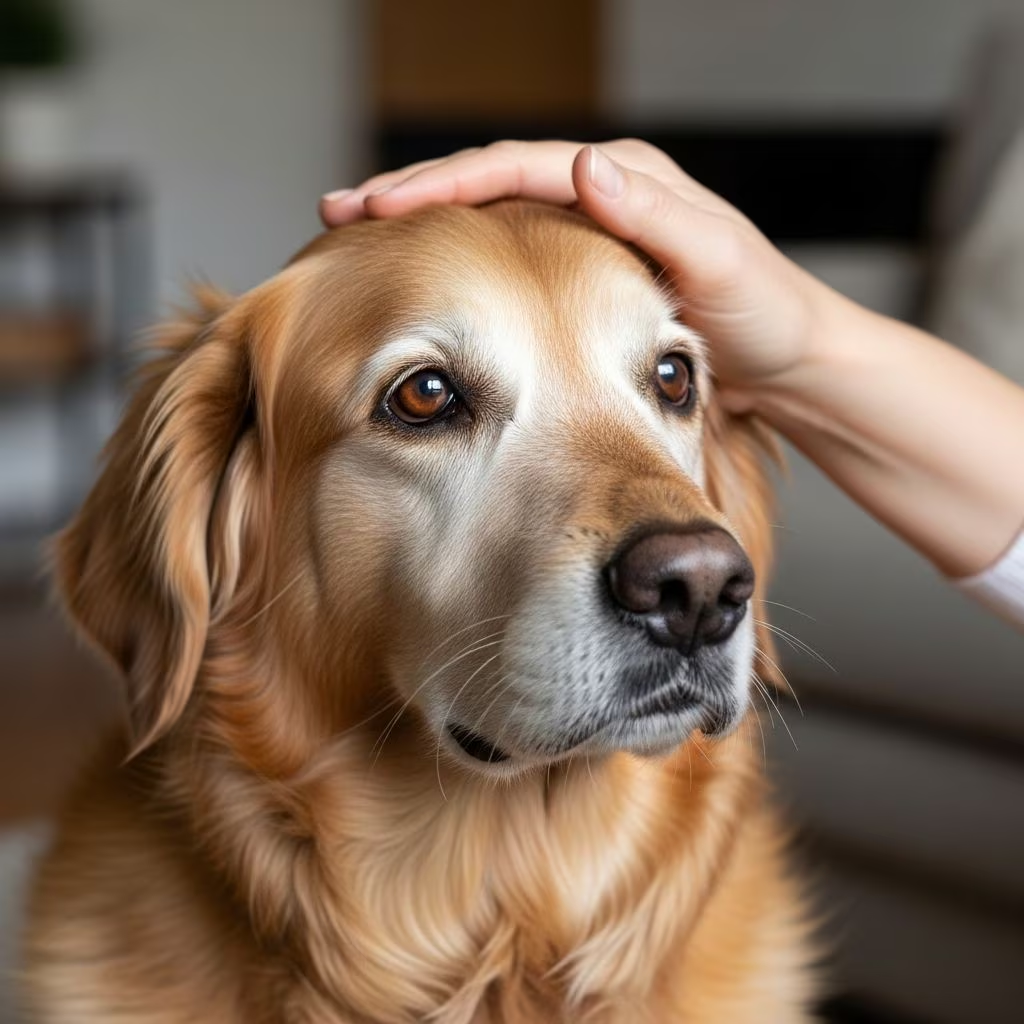
Understanding Aggression in Senior Dogs
As dogs age, behavioral changes are a natural part of the aging process. However, when senior dogs begin displaying aggressive behavior, it can be concerning for pet owners and those around them. Unlike aggression in younger dogs, which may stem from dominance or territorial issues, aggression in senior dogs typically signals an underlying problem that requires careful investigation and professional guidance. Understanding the root causes of senior dog aggression is essential to providing appropriate care and maintaining a safe environment for your aging companion.
Aggression in older dogs often represents a cry for help rather than a behavioral problem rooted in temperament. Dr. Herron, a veterinary behaviorist, identifies pain as the number one cause of aggression in senior dogs. This finding underscores the importance of recognizing that aggressive outbursts in aging pets frequently indicate physical or cognitive distress rather than intentional misbehavior.
Primary Causes of Senior Dog Aggression
1. Pain or Discomfort
Pain stands as the leading cause of aggression in senior dogs. When older dogs experience discomfort, they may respond defensively to being touched, approached, or moved, expressing their distress through aggressive displays. This pain-based aggression represents the dog’s attempt to protect itself from further discomfort.
Common sources of pain and discomfort in aging dogs include:
- Arthritis and joint deterioration
- Dental disease and tooth decay
- Ear infections
- Urinary tract infections
- Anal gland issues
- Itchy or uncomfortable skin conditions
- Abdominal discomfort or gastrointestinal issues
Medical conditions causing pain, discomfort, or decreased mobility—such as arthritis, dental disease, hypothyroidism, cancer, impaired sight or hearing, urinary tract disease, or Cushing’s disease—can lead to increased sensitivity and irritability in senior dogs. These physical ailments create a foundation for aggressive responses when dogs feel threatened or are handled in ways that aggravate their pain.
2. Canine Cognitive Dysfunction (CCD)
Canine Cognitive Dysfunction, often compared to dementia or Alzheimer’s disease in humans, represents a degenerative brain condition that affects senior dogs. This progressive neurological disorder primarily impacts the areas of the brain responsible for learning and memory. However, the damage is widespread throughout the brain, affecting multiple cognitive functions.
Dr. Provoost notes that while CCD primarily affects learning and memory centers, it can cause various behavioral changes including aggression, anxiety, and agitation. The confusion and disorientation resulting from CCD may lead to unpredictable aggressive behavior, as affected dogs struggle to recognize familiar people and pets or understand their surroundings.
Though CCD has no cure and represents a progressive disease with worsening symptoms over time, treatments are available that can slow its progression and ease associated symptoms. Early identification and intervention can help maintain your senior dog’s quality of life.
3. Medical Illnesses and Brain Conditions
Various medical illnesses affecting the brain can trigger behavioral changes in senior dogs. Brain tumors, hormonal imbalances, and other systemic illnesses may directly cause or contribute to aggressive behavior. Conditions like hypothyroidism, Cushing’s disease, and cancer can all manifest as behavioral changes, including increased aggression.
These medical conditions often affect the neurological system, sensory perception, and overall brain function. Senior dogs experiencing these illnesses may become irritable, confused, or hypersensitive to stimuli, all of which can result in aggressive responses.
4. Medication Side Effects
Certain medications prescribed to manage age-related conditions can have unintended effects on mood and behavior. While most arthritis injections don’t directly cause mood-altering side effects, they may cause temporary pain or swelling at the injection site. If this area is touched or the injected joint is moved, the resulting pain can trigger aggressive responses in sensitive senior dogs.
It’s important to discuss potential behavioral side effects with your veterinarian when starting new medications, as some pharmaceutical interventions may contribute to mood changes or increased irritability.
5. Sensory Changes and Environmental Factors
Vision loss, hearing loss, and other sensory impairments common in senior dogs can significantly contribute to aggressive behavior. Dogs with declining senses may become startled more easily or struggle to recognize familiar people and animals. These sensory changes create anxiety and fear-based aggression, as senior dogs react defensively to perceived threats they cannot fully understand.
Environmental changes, routine disruptions, or alterations in family dynamics can also trigger anxiety-related aggression in older dogs. Senior dogs thrive on predictability, and unexpected changes can increase stress and aggressive responses.
Identifying Different Types of Senior Dog Aggression
Aggressive behavior in senior dogs typically follows distinct patterns that help identify the underlying cause. Understanding these patterns is crucial for developing an appropriate management strategy.
Fear-Based Aggression
Fear-based aggression in senior dogs often involves avoidance or freezing before escalating to aggressive displays. Dogs experiencing fear-based aggression may growl, snap, or bite as a defensive response to perceived threats. This type of aggression frequently develops as senior dogs experience sensory decline and cognitive changes that make them feel vulnerable and uncertain.
Pain-Based Aggression
Pain-based aggression occurs specifically when the dog is touched, moved, or approached in ways that trigger or aggravate pain. A senior dog with arthritis may snap when picked up, or a dog with dental disease may become aggressive during grooming around the face and mouth. This type of aggression is highly predictable—it occurs consistently when certain areas are touched or when specific movements are initiated.
Confusion-Related Aggression
Aggression stemming from Canine Cognitive Dysfunction leads to unpredictable behavior. Senior dogs experiencing cognitive decline may not recognize family members consistently, react unpredictably to familiar situations, or display aggressive behavior without an apparent trigger. This unpredictability can be particularly challenging for owners and caregivers.
When to Seek Veterinary Help
While some behavioral changes are natural aspects of aging, certain signs require prompt veterinary attention. Senior dogs displaying sudden aggression, excessive lethargy, persistent anxiety, drastic changes in appetite or water intake, and disorientation warrant professional evaluation.
Contact your veterinarian if your senior dog shows:
- Sudden onset of aggressive behavior
- Aggression accompanied by lethargy or loss of appetite
- Persistent or escalating aggressive episodes
- Aggression combined with other concerning symptoms
- Confusion or disorientation
- Excessive vocalization or restlessness
Early veterinary intervention can identify treatable conditions and help prevent situations where aggressive behavior escalates to dangerous levels.
Management Strategies for Senior Dog Aggression
Medical Evaluation and Treatment
The first step in addressing senior dog aggression involves a comprehensive veterinary examination. Your veterinarian can identify painful conditions, screen for cognitive dysfunction, and evaluate for medical illnesses that might be contributing to aggressive behavior. Once underlying causes are identified, appropriate treatment can begin.
Pain Management
For senior dogs whose aggression stems from pain, effective pain management may dramatically reduce or eliminate aggressive behaviors. This may include:
- Anti-inflammatory medications
- Pain relievers specifically formulated for dogs
- Physical therapy or rehabilitation
- Joint supplements and dietary modifications
- Orthopedic beds and ramps to reduce physical stress
Environmental Modifications
Creating a stable, predictable environment helps reduce anxiety-related aggression in senior dogs. Maintain consistent daily routines, provide comfortable resting areas away from household activity, and minimize environmental stressors. For dogs with vision or hearing loss, use gentle touch and verbal cues to prevent startling them.
Behavioral Interventions
Senior dogs with anxiety-related aggression benefit from behavioral strategies that provide comfort and reassurance. Offer consistent, predictable interactions, maintain a calm household atmosphere, and consider anxiety-reducing techniques such as:
- Calming supplements recommended by your veterinarian
- Pheromone diffusers designed for dogs
- Gentle massage and physical contact
- Mental stimulation appropriate for their age and ability
Medication for Behavioral Issues
In cases where anxiety becomes extreme or aggressive behavior persists despite other interventions, veterinary behavioral medications may be recommended. These medications can help manage anxiety, reduce aggressive impulses, and improve quality of life for both the dog and the family.
Safety Precautions
While implementing management strategies, ensure everyone’s safety by:
- Restricting access to the aggressive senior dog if necessary
- Using baby gates to create safe zones
- Educating family members and visitors about the dog’s condition
- Avoiding situations known to trigger aggressive responses
- Using muzzles only as a temporary safety measure, not a long-term solution
Frequently Asked Questions About Senior Dog Aggression
Q: What is the most common cause of aggression in senior dogs?
A: Pain or discomfort is the most common cause of aggression in senior dogs. Conditions like arthritis, dental disease, and urinary tract infections frequently trigger aggressive behavior as dogs respond defensively to pain.
Q: Can aggression in senior dogs be cured?
A: The approach depends on the underlying cause. If aggression stems from pain or medical conditions, treating those conditions may resolve the aggression. For Canine Cognitive Dysfunction, while there’s no cure, treatments can slow progression and manage symptoms. Behavioral interventions and environmental modifications can also significantly reduce aggressive episodes.
Q: Is aggression normal in old dogs?
A: While behavioral changes occur naturally as dogs age, aggression isn’t a normal aspect of aging. Aggression typically indicates an underlying problem requiring investigation. Any sudden or persistent aggression should be evaluated by a veterinarian.
Q: How can I tell if my senior dog’s aggression is pain-related?
A: Pain-based aggression typically occurs when the dog is touched, moved, or when specific areas are handled. If your dog snaps or growls consistently when a particular area is touched or during certain movements, pain-based aggression is likely.
Q: Should I be concerned if my senior dog shows aggression toward a younger dog or puppy?
A: Yes, this warrants veterinary attention. Your senior dog may be experiencing pain, may have lost the ability to recognize the younger animal as part of their family, or may be displaying territorial behavior due to cognitive changes.
Q: What treatments are available for Canine Cognitive Dysfunction?
A: While CCD has no cure, medications and supplements can slow progression and ease symptoms. Your veterinarian can recommend appropriate treatments based on your dog’s specific symptoms and condition severity.
Supporting Your Aging Companion
Aggression in senior dogs, while concerning, is typically addressable through proper identification and management of underlying causes. Patience, compassion, and professional veterinary guidance form the foundation of effective senior dog care. By recognizing that aggressive behavior often signals physical or cognitive distress, owners can approach the situation with empathy and take appropriate steps to improve their dog’s comfort and quality of life.
Regular communication with your veterinarian, combined with environmental modifications and behavioral interventions, can help manage aggressive behavior while maintaining the bond you share with your senior companion. Remember that your dog’s love for you remains constant even as their behavior changes during their golden years. With proper care and attention, you can help ensure your aging dog experiences comfort, security, and continued companionship throughout their senior years.
References
- Behavior Changes to Expect in Senior Dogs — Chipman Road Animal Clinic. 2024. https://www.chipmanroadanimalclinic.com/blog/understanding-senior-dog-behavior
- How to Handle Aggression in Older Dogs — Chewy Education. 2024. https://www.chewy.com/education/dog/health-and-wellness/how-to-handle-aggression-in-senior-dog
- Behavior Problems in Older Dogs — American Society for the Prevention of Cruelty to Animals (ASPCA). 2024. https://www.aspca.org/pet-care/dog-care/common-dog-behavior-issues/behavior-problems-older-dogs
- Common Senior Dog Behavior Problems and Changes — Purina US. 2024. https://www.purina.com/articles/dog/senior-dog/behavior/problems
- Senior Dog Behavior – The Three Primary Reasons for Changing Behavior — Dr. Sally J. Foote, DVM. 2021. https://www.drsallyjfoote.com/2021/06/29/senior-dog-behavior-the-three-primary-reasons-for-changing-behavior/
- 6 Causes of Aggression in Dogs — Veterinary Emergency Group (VEG). 2024. https://www.veg.com/post/aggression-in-dogs



