

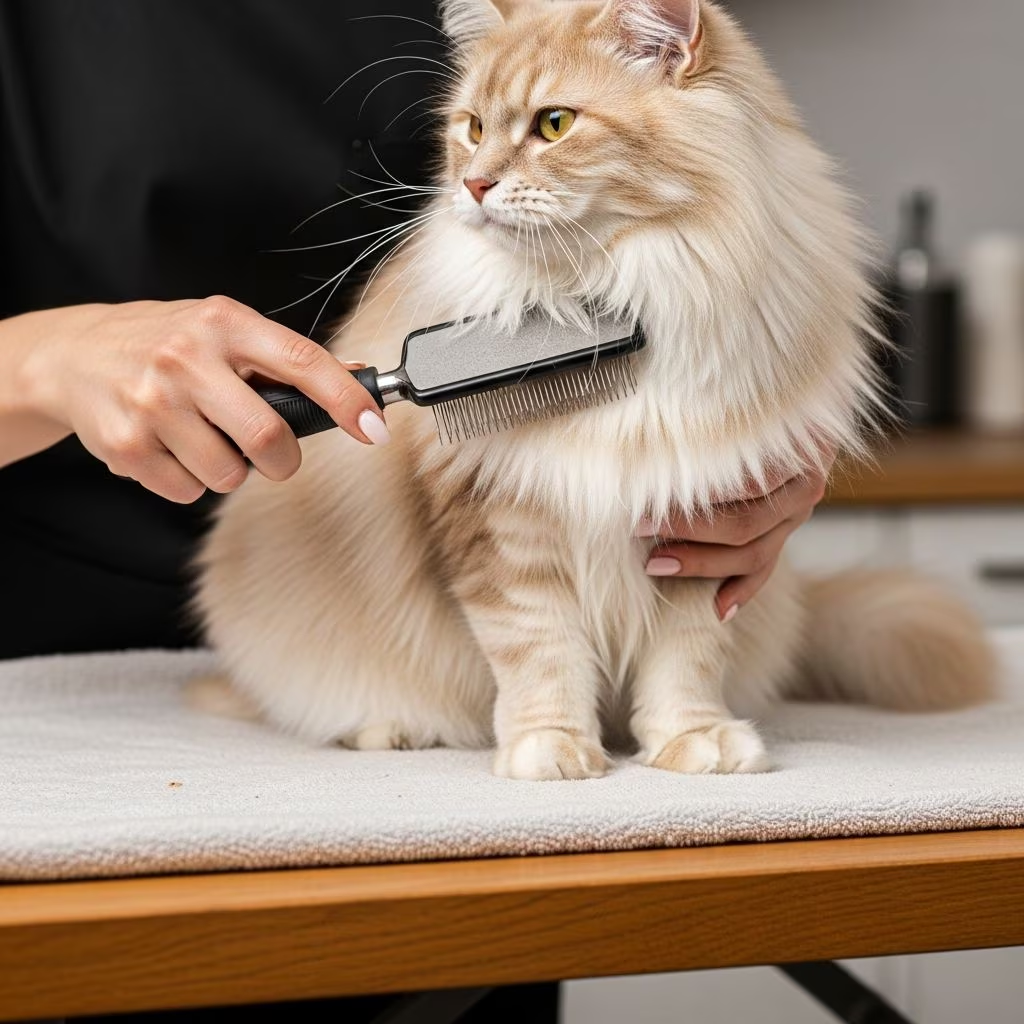
Long-haired cats are undeniably beautiful, with their flowing coats and elegant appearance capturing the hearts of cat lovers everywhere. However, maintaining that luxurious fur requires dedication, consistency, and the right knowledge. Unlike their short-haired counterparts, long-haired cats cannot adequately groom themselves and rely heavily on their owners to keep their coats healthy, mat-free, and beautiful. Understanding proper grooming techniques is essential for any long-haired cat owner who wants to ensure their feline companion remains comfortable, healthy, and looking their best.
Why Regular Grooming Matters for Long-Haired Cats
Regular grooming serves multiple critical purposes for long-haired cats beyond simply maintaining their appearance. Long-haired cats shed more noticeably than short-haired breeds, and without consistent grooming, loose hair accumulates on furniture, clothing, and throughout the home. More importantly, removing dead hair through regular brushing prevents your cat from ingesting excessive amounts of fur during self-grooming, which significantly reduces the formation of uncomfortable and potentially dangerous hairballs.
Grooming also provides an opportunity to monitor your cat’s overall health. Many conditions and illnesses first manifest through changes in skin and fur quality, making regular grooming sessions an ideal time to check for abnormalities, parasites, or signs of infection. Additionally, consistent grooming helps prevent the development of painful mats and tangles that can pull on the skin and cause discomfort.
Essential Grooming Tools for Long-Haired Cats
Having the right tools makes the grooming process significantly easier and more effective. Different tools serve specific purposes in maintaining your cat’s coat:
- Stainless Steel Combs: A comb with both wide and fine teeth is versatile and perfect for gently working through small tangles and detangling. Start with the wide-toothed side to work through larger knots, then use the fine-toothed side for finishing.
- Slicker Brush: This brush features fine, short wires that are excellent for removing loose undercoat and preventing mats before they develop. It works well for general maintenance and daily brushing.
- Dematting Tool: For tougher knots and existing mats, a dematting comb can safely break them apart. Use this tool with caution to avoid accidentally cutting the skin.
- Nail Clippers: Specialized cat nail clippers are essential for regular nail maintenance.
- De-Shedding Tool: These specialized tools help manage undercoat shedding and reduce the amount of loose hair in your home.
- Grooming Gloves: Some cats respond better to soft grooming gloves, which can make the final brushing pass more comfortable and enjoyable.
- Thinning Shears: Scissors with one blade featuring teeth and one smooth blade allow you to thin thick areas of fur without cutting it completely, particularly useful for thinning the ruff around the chin.
Take time to introduce your cat to different tools and observe which ones your feline friend responds to most positively. Every cat has preferences, and finding tools your cat enjoys will make grooming sessions much more pleasant for both of you.
Creating an Effective Grooming Schedule
Consistency is the foundation of effective long-haired cat grooming. A well-planned schedule prevents problems from developing and makes grooming sessions shorter and less stressful.
Daily Brushing: The Cornerstone of Care
Daily brushing is ideal for most long-haired cats. Spending just a few minutes each day is far more effective and less stressful than attempting a lengthy grooming session once a week. Daily brushing helps you stay on top of tangles before they become problematic mats, and it establishes a routine your cat can become comfortable with.
Begin your daily brushing by starting with your cat’s abdomen and legs, gently combing the fur upward toward her head. Comb the neck fur upward toward the chin, and pay special attention to areas where mats are most likely to form: behind the ears, under the legs, on the belly, and around the collar.
Weekly Deeper Grooming Sessions
Once a week, set aside dedicated time for more thorough grooming that goes beyond daily brushing:
- Thorough Brushing: Go over your cat’s entire coat systematically, paying special attention to friction areas like under the legs, on the belly, and behind the ears where mats are most likely to form.
- Nail Trimming: Check your cat’s claws weekly and trim them as needed. Overgrown nails can become painful and lead to walking difficulties.
- Ear and Eye Cleaning: Gently wipe your cat’s eyes and ears with a soft, damp cloth to remove any discharge. Check for signs of infection, such as redness, swelling, or unpleasant odors.
Professional Grooming Every 4-6 Weeks
Professional grooming should occur every 4-6 weeks, with seasonal adjustments based on your cat’s shedding patterns. Professional groomers have specialized training and equipment to handle your cat safely and effectively. When you bring your cat to a professional groomer, they typically perform the following services:
- Trim nails and shave the area around your cat’s bottom for sanitary purposes
- Bathe your cat and wash away dirt and buildup using specialized cat shampoos
- Wrap your cat in a towel and clean eyes and ears
- Dry your cat fully while clearing away loose fur and checking for any skin concerns
- Brush, trim, comb, and use de-shedding tools
- Provide haircuts if needed
By bringing your cat to the groomer regularly, you ensure their fur stays clean and they remain free of uncomfortable mats and tangles.
Step-by-Step Grooming Techniques
The Brushing Process
Proper brushing technique makes the entire grooming process more effective and comfortable for your cat. Begin with a wide-toothed brush to help make brushing easier and to work through initial tangles. Once you’ve addressed larger knots, use a fine-tooth comb to brush and soften your cat’s fur. The final brushing should happen with a glove or soft brush to ensure your cat’s comfort and create a pleasant experience.
Removing Mats and Tangles
Addressing mats quickly prevents them from worsening. Use trimmers or a special mat removal brush to help clear away any matted fur. For stubborn mats, work a guide comb as close to the skin under the mat as possible—this protects your cat from accidental cuts while you work above it. This technique breaks the mat open and allows you to start pulling it apart with your fingers or a comb. You can often gently work out the mat without resorting to trimming.
Never use regular scissors directly on a mat, as you risk cutting your cat’s sensitive skin underneath. Always prioritize your cat’s safety and comfort over speed.
Thinning Thick Areas
Some long-haired cats develop particularly thick areas of fur, especially around the ruff under the chin. Using thinning shears—scissors with one blade featuring teeth and one smooth blade—allows you to thin this area without cutting off the fur completely. Hold out the fur with two fingers and snip into it until it’s thinned and shorter. This maintains your cat’s handsome appearance while allowing them to groom themselves properly.
Bathing Your Long-Haired Cat
Most cats are careful self-groomers and don’t require frequent baths. However, some long-haired cats may benefit from a bath every 4-6 weeks, especially if their coat becomes greasy or they get into something messy. Always use a shampoo specifically formulated for cats, as human shampoos can dry out their skin.
When bathing is necessary, use two applications of cat shampoo to ensure thorough cleaning, and consider having a professional handle this task in a calm environment if your cat is particularly anxious.
Starting Your Kitten on a Grooming Routine
The earlier you introduce your cat to grooming, the more comfortable they’ll become with the process. Begin gentle grooming sessions as early as 8-12 weeks old to help your kitten become accustomed to handling. Start with short, positive sessions and gradually increase duration as they adjust.
You can even begin with a small toothbrush if your kitten is particularly tiny. Stroke your kitten with the back of the tool so they get used to the feel, and when you turn it over, brush or comb gently in just the top layer of fur to start. Reward your kitten with tiny meat treats when they accept the brush or comb, creating positive associations with grooming.
Best Practices for Successful Grooming Sessions
To make grooming sessions as effective and pleasant as possible, follow these guidelines:
- Make sure your cat is very relaxed and receptive to being handled before starting
- Feed your cat a tasty meal so they’re full and relaxed—avoid grooming right after playtime
- Use products specifically made for grooming long-haired cats rather than human products
- Keep grooming sessions brief and positive, especially when you’re starting a routine
- Establish a consistent routine so your cat knows what to expect
- Address small tangles immediately before they develop into larger mats
- Pay special attention to high-mat areas like behind ears, under arms, and around the collar
Professional Grooming Services
While home grooming is essential, professional grooming services provide specialized care that complements your daily routine. Professional mobile grooming services often include bathing, nail trimming, and ear cleaning, providing complete care at your doorstep. For specialized haircuts like the popular lion cut, it’s best to leave the task to professionals to ensure it’s done safely and correctly.
Frequently Asked Questions
Q: How often should I groom my long-haired cat?
A: Long-haired cats need daily brushing to prevent mats and tangles. Professional grooming should occur every 4-6 weeks, with seasonal adjustments based on your cat’s shedding patterns and coat condition.
Q: What’s the best brush for long-haired cats?
A: A combination approach works best: start with a wide-tooth comb for detangling, follow with a slicker brush for general maintenance, and use a de-shedding tool weekly to manage undercoat shedding.
Q: How can I prevent mats in my cat’s coat?
A: Daily brushing is the most effective prevention method. Focus on high-mat areas like behind ears, under arms, and around the collar. Address small tangles immediately before they develop into larger mats.
Q: When should I start grooming my long-haired kitten?
A: Begin gentle grooming sessions as early as 8-12 weeks old to help your kitten become comfortable with handling. Start with short, positive sessions and gradually increase duration as they adjust.
Q: Can I bathe my long-haired cat at home?
A: Yes, you can bathe your cat at home, but always use a shampoo specifically formulated for cats. Many owners find professional grooming services helpful for bathing, as professionals can handle anxious cats in a calm environment.
Q: How do I remove mats safely from my cat’s fur?
A: Work a guide comb as close to the skin as possible to protect your cat from accidental cuts. This breaks the mat open and allows you to gently pull it apart with your fingers or a comb. Never use regular scissors directly on mats, as you risk cutting your cat’s skin.
References
- Tips For Grooming Long-Haired Cats — Pet Doctors of America. 2024-07-15. https://www.petdoctorsofamerica.com/site/blog/2024/07/15/tips-grooming-long-haired-cats
- Tips for Grooming Long-Haired Cats — Crossroads Veterinary Hospital, Gilbert. 2024-03-15. https://www.crossroadsvh.com/site/blog/2024/03/15/tips-grooming-long-haired-cats
- When to Groom Long-Haired Cats | Healthy Coat Care — Happy Hounds Grooming. 2024. https://www.happyhoundsgrooming.com/groom-long-haired-cats
- Tame the floof! Grooming tips for longhaired cats — Happy Cats Haven. https://happycatshaven.org/resource/grooming-cats/
- Cat Grooming Tips — ASPCA. https://www.aspca.org/pet-care/cat-care/cat-grooming-tips



