

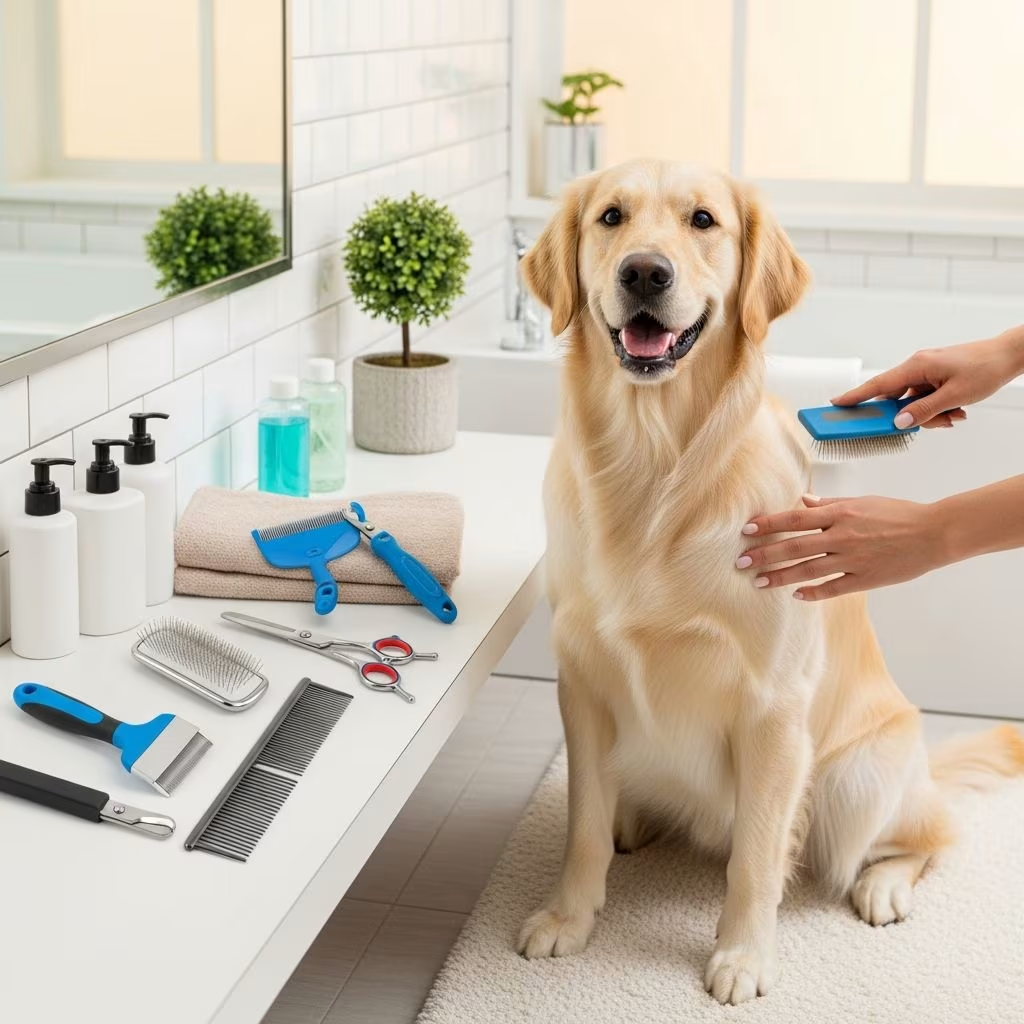
Grooming your dog at home is a rewarding way to maintain their health, hygiene, and appearance while saving money on professional services. Regular grooming prevents matted fur, infections, and discomfort, fostering a stronger bond between you and your pup. This comprehensive guide covers all essential steps, from bathing to nail trimming, tailored for beginners and experienced pet parents alike.
Why Groom Your Dog at Home?
At-home grooming offers numerous benefits beyond cost savings. It allows you to monitor your dog’s skin and coat for early signs of issues like fleas, allergies, or hot spots. According to veterinary guidelines, consistent grooming reduces shedding, distributes natural oils for a shiny coat, and promotes overall well-being. Professional groomers recommend DIY routines between salon visits, especially for short-haired breeds that need weekly touch-ups.
- Health Monitoring: Spot lumps, bumps, or irritations early.
- Bonding Time: Turns grooming into positive, stress-free interactions.
- Customization: Tailor frequency to your dog’s breed, coat type, and lifestyle.
- Cost-Effective: Basic tools cost under $50, versus $50–100 per pro session.
Breeds like Golden Retrievers benefit from frequent brushing to manage heavy shedding, while short-haired breeds like Beagles need less but regular baths to control oils.
Gathering Your Grooming Supplies
Invest in quality, dog-specific tools to avoid injury or irritation. Avoid human products, as their pH levels differ from canine skin.
| Tool | Purpose | Recommended Type |
|---|---|---|
| Shampoo | Bathing | Oatmeal or hypoallergenic, pH-balanced for dogs |
| Brush | Detangling & Shedding | Slicker for long coats, rubber for short |
| Nail Clippers | Nail Trimming | Guillotine-style with safety guard |
| Ear Cleaner | Ear Maintenance | Vet-approved solution, cotton balls |
| Toothbrush & Paste | Dental Care | Finger brush, enzymatic dog toothpaste |
| Towels & Dryer | Drying | Absorbent microfiber, low-heat blower |
Pro tip: Start with eco-friendly options like plant-based shampoos for sensitive skin. Total starter kit: around $75.
Step 1: Brushing Your Dog’s Coat
Brushing is the foundation of grooming, removing dirt, dead hair, and tangles while stimulating skin circulation. Frequency varies: daily for long-haired breeds like Shih Tzus, weekly for others.
- Choose the Right Brush: Use a pin brush for curly coats, bristle for smooth ones.
- Brush in Sections: Start from the head, working back, following hair growth direction.
- De-Mat if Needed: Gently use a de-matting tool on knots; never pull.
- Check Skin: Look for fleas, dryness, or redness.
For heavy shedders like Labs, use an undercoat rake. Sessions last 10–20 minutes; reward with treats for cooperation.
Step 2: Bathing Your Dog
Bathe every 4–6 weeks or when smelly/dirty, using lukewarm water to avoid drying skin. Overbathing strips oils, leading to itchiness.
- Prep Area: Use a bathtub or outdoor hose; place non-slip mat.
- Wet Thoroughly: Soak from neck down, avoiding eyes/ears.
- Lather Up: Massage shampoo into a foam, rinse completely to prevent residue.
- Conditioner Optional: For dry coats; rinse well.
- Dry Gently: Towel dry, then air-dry or low-heat blow-dry.
Celebrity groomers like Jess Rona advise spot-cleaning between baths with wipes for convenience. Puppies need gentler, shorter baths.
Step 3: Trimming Your Dog’s Nails
Nail trims prevent slipping, pain, and overgrown claws. Trim every 3–4 weeks; hear clicking on floors? It’s time.
- Acclimate Pup: Touch paws daily, introduce clipper sounds with treats.
- Position Comfortably: Hold paw firmly but gently.
- Clip Small Amounts: 1–2mm at a time, straight across.
- File Edges: Smooth with a file to prevent splits.
- Stop Bleeding if Hit Quick: Apply styptic powder.
For nervous dogs, use a Dremel grinder for gradual filing. Kinship experts emphasize positive reinforcement for stress-free trims.
Step 4: Cleaning Ears
Dirty ears lead to infections, especially in floppy-eared breeds like Spaniels. Clean weekly.
- Squirt cleaner into ear canal, massage base for 30 seconds.
- Let dog shake head; wipe debris with cotton ball (no Q-tips deep inside).
- Dry exterior thoroughly.
Signs of issues: odor, redness, discharge—see a vet.
Step 5: Dental Care
80% of dogs have dental disease by age 3. Brush 3x/week.
- Use dog-safe toothpaste (poultry flavor).
- Gently lift lips, brush outer surfaces in circles.
- Complement with dental chews.
Vets recommend professional cleanings annually alongside home care.
Special Considerations for Puppies and Breeds
Puppies: Short sessions, lots of praise. Breeds with double coats (Huskies) need de-shedding tools, not shaving. Curly coats (Poodles) require mat prevention.
Troubleshooting Common Issues
- Matted Fur: Cut parallel to skin with scissors.
- Skin Irritations: Consult vet before new products.
- Resistant Dog: Break into 5-min sessions, use lick mats.
Frequently Asked Questions (FAQs)
Q: How often should I groom my dog?
A: Depends on breed—daily brushing for long coats, baths every 4–6 weeks. Adjust for lifestyle.
Q: Can I use human shampoo on my dog?
A: No, it disrupts skin pH, causing dryness or infections. Always use dog-specific products.
Q: What if my dog hates nail trims?
A: Desensitize gradually with treats; consider professional help initially.
Q: How do I groom a senior dog?
A: Be gentle, focus on comfort; use soft brushes and shorter sessions.
Q: Is grooming different for short-haired dogs?
A: Yes, less brushing but regular baths and nail checks suffice.
Conclusion: Make Grooming a Routine
Incorporate grooming into your weekly routine for a healthier, happier dog. Patience and positivity yield the best results. Consult your vet for breed-specific advice.
References
- American Veterinary Medical Association (AVMA) – Pet Dental Care Guidelines — AVMA. 2024-06-15. https://www.avma.org/resources-tools/pet-owners/petcare/dental-care-your-pet
- ASPCA – Dog Grooming Tips — ASPCA. 2025-03-10. https://www.aspca.org/pet-care/dog-care/dog-grooming-tips
- AKC – Nail Trimming for Dogs — American Kennel Club. 2024-11-20. https://www.akc.org/expert-advice/health/trimming-dogs-nails/
- Merck Veterinary Manual – Canine Ear Care — Merck & Co. 2025-01-05. https://www.merckvetmanual.com/dog-owners/ear-disorders-of-dogs/ear-care-in-dogs
- CDC – Zoonotic Diseases and Pet Grooming Hygiene — Centers for Disease Control. 2024-09-12. https://www.cdc.gov/healthypets/pets/dogs.html



