

How to Groom a Chinchilla: Complete Care Guide
Grooming your chinchilla is an essential aspect of pet care that many new owners overlook. Unlike many other small animals, chinchillas have unique grooming needs that require regular attention and proper technique. If you’ve recently brought home your first chinchilla and noticed excessive shedding or matted fur, understanding proper grooming procedures will help you maintain your pet’s coat health and overall wellbeing.
Why Grooming Your Chinchilla Matters
The primary purpose of grooming your chinchilla is to remove dead fur and eliminate matted areas from the coat. Chinchillas naturally shed substantial amounts of fur, but they often cannot remove all the dead hair themselves. When dead fur remains trapped close to the skin, it prevents proper air circulation and compromises your chinchilla’s ability to regulate body temperature effectively.
Regular grooming serves several critical functions for your pet’s health. By removing dead fur, you ensure that dust penetrates all the way down the hair shaft during dust baths, allowing for thorough cleaning. Additionally, when chinchillas ingest large amounts of dead fur during self-grooming, it can lead to serious intestinal blockages. By keeping your chinchilla well-groomed, you significantly reduce this health risk.
Chinchillas typically replenish their entire coats every three to four months and exhibit varying degrees of shedding throughout the year. They tend to shed more heavily during seasonal transitions, such as fall to winter and spring to summer. Understanding this natural cycle helps you anticipate when your chinchilla will need more frequent grooming sessions.
Understanding Your Chinchilla’s Coat Type
Not all chinchilla coats are created equal. Some chinchillas have thick, cottony coats that tend to trap more dead fur, while others have thinner, coarser, or straighter fur. The density and texture of your chinchilla’s coat directly determines how frequently grooming sessions should occur. Chinchillas with dense, cottony coats require more frequent grooming compared to those with thinner or straighter coats.
This variation is important to recognize when establishing your grooming routine. By observing your specific chinchilla’s coat characteristics, you can determine the optimal grooming schedule. Breeders, who are experts in chinchilla care, typically use specialized combs and techniques that account for individual coat variations.
Essential Grooming Tools for Chinchillas
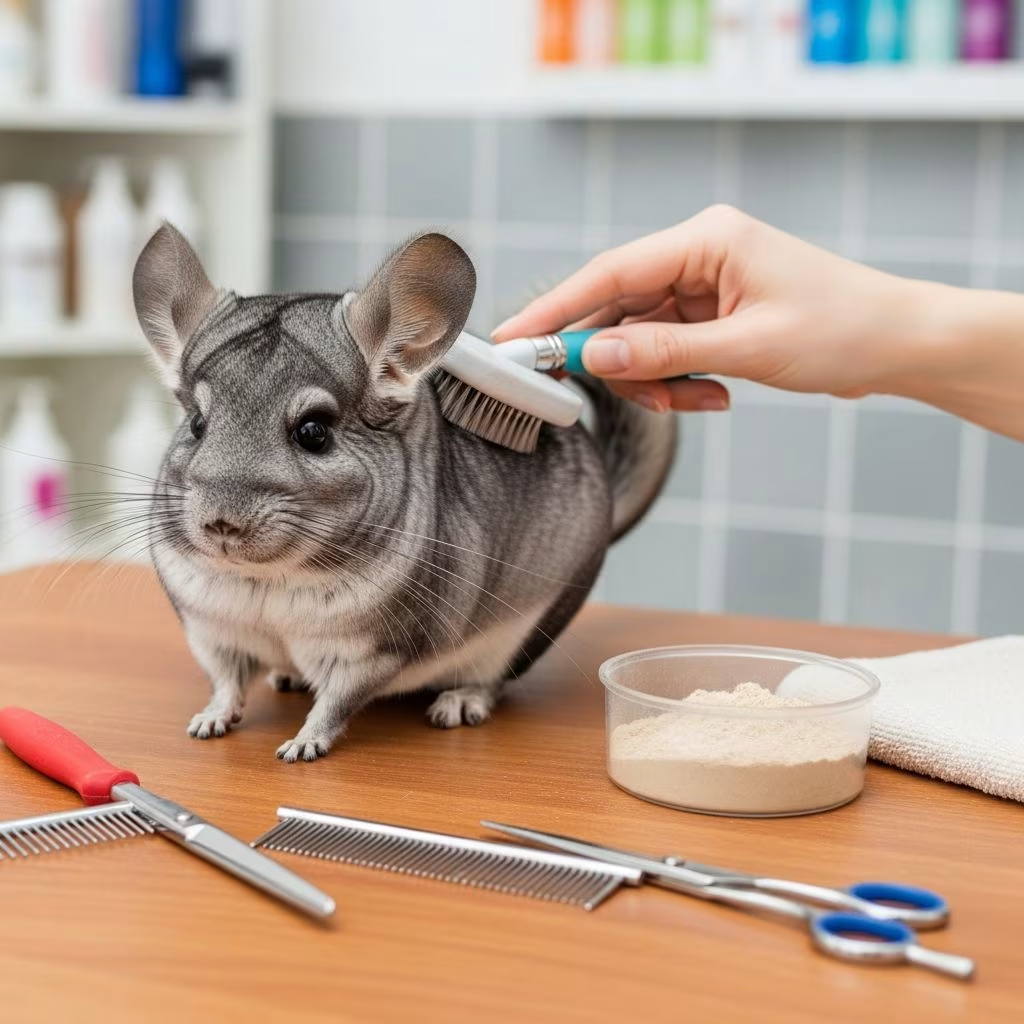
Professional breeders typically use fine metal combs with sharp, pointed teeth to groom chinchillas effectively. Many breeders maintain a set of four different combs, allowing them to gradually work through the coat from its roughest texture to its finest state. These specialized combs are highly effective but require careful handling due to their sharp teeth.
For pet owners without professional-grade tools, several alternative options work well:
- A good quality slicker brush designed for rabbits
- A sturdy metal comb with fine teeth
- Small grooming scissors for stubborn mats
It’s crucial to remember that sharp metal combs can injure both the owner and the chinchilla if used improperly. Always handle these tools with care and maintain a gentle touch throughout the grooming process.
Problem Areas Requiring Extra Attention
During grooming sessions, dead fur tends to accumulate in specific areas of your chinchilla’s body. Understanding where matting and fur buildup commonly occurs helps you focus your grooming efforts effectively:
- Near the base of the tail
- Along the back
- Near the back legs
- Around the genital area (depending on your chinchilla’s personal grooming habits)
Mats that form around the genital area should be gently removed to maintain hygiene and comfort. You’ll likely be amazed at the volume of dead fur that emerges from your chinchilla’s coat—sometimes the pile can be as large as your pet itself.
Step-by-Step Grooming Technique
Preparing Your Chinchilla
Most chinchillas do not naturally enjoy the grooming process. It may take several grooming sessions before your chinchilla accepts the procedure and learns to relax. Some chinchillas eventually become so comfortable that they fall asleep in your lap during grooming. The key to success is consistency and patience.
Create a comfortable grooming environment by placing a towel across your lap. This prevents your chinchilla from slipping and helps you maintain control throughout the session. Always maintain a firm hold of your pet during grooming to ensure its safety and your ability to work effectively.
Proper Handling During Grooming
Never place your hand or fingers in front of your chinchilla’s mouth while grooming. This position invites nipping or biting, especially if your chinchilla feels stressed or uncomfortable. Instead, hold your chinchilla securely from behind. Some owners prefer holding the rear end, while others find it effective to maintain a firm grip on the backside and the base of the tail closest to the body. This positioning keeps your fingers away from potential bites while allowing you to work through the coat with your other hand.
Working Through the Coat
Gently run your comb or brush through your chinchilla’s fur using smooth, controlled motions. Fur comes out very easily, so using excessive pressure or rough movements can cause unnecessary hair loss and discomfort. When you encounter a mat, use many short, gentle comb strokes to work through it gradually. Start at the outer edges of the mat and gradually work deeper into the coat until you can draw the comb smoothly through the area.
Removing Stubborn Mats
For large, stubborn mats that resist gentle combing, scissors can be helpful. Take a pair of small scissors and run one blade gently along the skin beneath the mat. Then carefully cut upward through the mat. This technique cuts some of the mat hairs, making it easier to untangle and disconnect the remaining mat without pulling on the skin. Always exercise extreme caution when using scissors to avoid accidentally cutting your chinchilla’s delicate skin.
What to Expect During Grooming
Chinchillas often produce various vocalizations during the grooming process. You might hear grumping, groaning, or other sounds that may initially seem concerning. However, these are often normal expressions rather than signs of distress. Interestingly, chinchillas typically appear more lively and energetic when they return to their cages after grooming sessions, suggesting they feel better and more comfortable after dead fur removal.
The behavioral shift after grooming demonstrates how beneficial the process is for your pet, even though they may resist it during the session itself.
Complementary Grooming: Dust Baths
While brushing and combing are important grooming techniques, dust baths serve as your chinchilla’s primary self-cleaning method. Chinchillas depend on regular dust baths to maintain their dense fur and healthy skin. Unlike most pets, chinchillas cannot tolerate water baths due to the density of their fur, which makes it nearly impossible to dry completely and can lead to mold growth and skin irritation.
Offer dust baths two to three times weekly, though frequency may need adjustment based on your environment and handling practices. If your home is humid or you handle your chinchilla frequently, you may need to increase baths to four times weekly. Conversely, in dry climates with minimal handling, once weekly may suffice. Always monitor your chinchilla’s fur appearance—if it looks greasy, clumped, or dull, increase dust bath frequency.
Use commercial chinchilla dust made from volcanic ash or activated clay. Never use sand, as it is too abrasive and can harm your pet’s skin and eyes. Place approximately 2 inches of dust in a metal container and leave it in the cage for 10-20 minutes, then remove it to prevent over-drying of the coat. Some owners store dust in the refrigerator during summer months to help their pets stay cool.
Establishing a Regular Grooming Schedule
The frequency of grooming sessions depends on your individual chinchilla’s coat type, shedding patterns, and environmental conditions. Chinchillas with dense coats may benefit from weekly grooming sessions, while those with thinner coats might need grooming every two weeks. During heavy shedding seasons, you may need to increase grooming frequency.
Pay attention to your chinchilla’s behavior and coat appearance to guide your scheduling. If you notice matting developing or your chinchilla seems to have difficulty moving comfortably, increase grooming frequency. Conversely, if your chinchilla’s coat appears clean and mat-free, your current schedule is likely adequate.
Health Benefits of Regular Grooming
Beyond maintaining coat appearance, regular grooming provides significant health benefits. By removing dead fur before your chinchilla ingests it, you reduce the risk of intestinal blockages—a serious health concern. Additionally, grooming allows you to inspect your chinchilla’s skin for any abnormalities, parasites, or health issues that might otherwise go unnoticed.
A well-groomed chinchilla can regulate body temperature more effectively, maintain better hygiene, and generally appears more lively and energetic. The process also strengthens the bond between you and your pet as your chinchilla gradually becomes accustomed to handling and grooming sessions.
Common Grooming Mistakes to Avoid
Understanding what not to do is as important as knowing proper grooming techniques. Avoid using excessive pressure when brushing, as this can cause unnecessary fur loss and skin irritation. Never rush the grooming process—patience is essential, especially when removing mats. Don’t attempt to groom an anxious or stressed chinchilla; instead, wait for a calmer moment.
Additionally, avoid placing your hands near your chinchilla’s mouth, never use water for bathing, and don’t leave dust in the cage too long after each bath. Finally, be cautious when using scissors to remove mats, as even small mistakes can injure your pet’s delicate skin.
Frequently Asked Questions
Q: How often should I groom my chinchilla?
A: Grooming frequency depends on coat type and shedding patterns. Chinchillas with dense coats typically need weekly grooming, while those with thinner coats may need grooming every two weeks. Adjust frequency based on your chinchilla’s individual needs and seasonal shedding patterns.
Q: Why does my chinchilla resist grooming?
A: Most chinchillas initially dislike the grooming process. With patience and consistency over several grooming sessions, many chinchillas gradually accept and relax during grooming. Some eventually become so comfortable they fall asleep in your lap.
Q: Can I use a human hairbrush to groom my chinchilla?
A: While a rabbit-specific slicker brush and sturdy metal comb are recommended for pet owners, professional breeders use specialized fine metal combs. Avoid using human hairbrushes, as they may be too large or poorly designed for chinchilla fur.
Q: What should I do if I accidentally cut my chinchilla’s skin while removing a mat?
A: If you make a small cut, gently clean the area with lukewarm water and monitor for infection. Contact your veterinarian if the wound appears deep, bleeds excessively, or shows signs of infection.
Q: How much dead fur should come out during grooming?
A: The amount varies depending on your chinchilla’s coat density and shedding cycle. During heavy shedding seasons, the pile of dead fur can be as large as your chinchilla itself—this is completely normal and beneficial for your pet’s health.
Q: Can grooming replace dust baths?
A: No. Grooming and dust baths serve different purposes. Dust baths are your chinchilla’s primary self-cleaning method, while grooming removes dead fur that dust baths cannot reach. Both are necessary for optimal coat health.
References
- How To Groom A Chinchilla — Chewy. 2024. https://www.chewy.com/education/small-pet/chinchilla/how-to-groom-a-chinchilla
- Chinchilla Care Guide — Oregon Small Animal Resources. 2024. https://www.oregonsmallanimalresources.org/chinchilla-care-guide
- 2025 Chinchilla Care Sheet: FAQs on Housing, Diet & Health — Luvn Care. 2025. https://luvncare.net/chinchilla-care-101-top-faqs/
- Chinchilla 101: How to Care for Your New Pet Chinchilla — Andy Pet. 2024. https://andy.pet/blogs/all/chinchilla-101-how-to-care-for-your-new-pet-chinchilla
- CARING FOR YOUR CHINCHILLA — Pet Advocacy Network. 2022. https://petadvocacy.org/wp-content/uploads/2022/01/Chinchilla-Care-Sheet.pdf



