

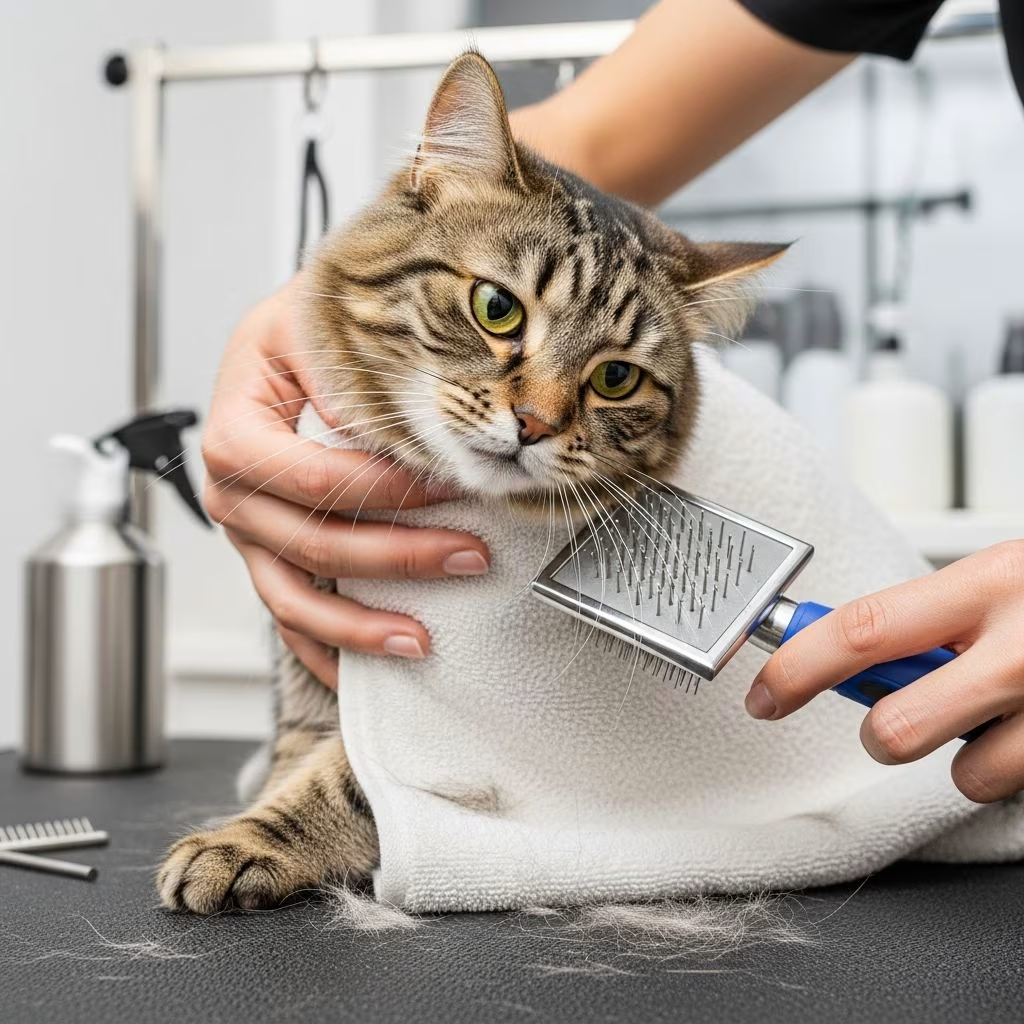
Grooming a cat that resists every brush stroke can feel like a battle, but with patience and the right approach, you can make it manageable. Regular grooming prevents mats, reduces shedding, controls hairballs, and helps you spot health issues early. This guide covers desensitization, tools, techniques, and when to seek pros, drawing from expert methods for fractious felines.
Why Grooming Matters for Cats That Hate It
Even grooming-averse cats benefit from routine care. Brushing removes loose fur to minimize hairballs and litter box messes, while nail trims prevent scratches. Baths control odors and dander, especially for long-haired breeds. Neglect leads to painful mats pulling skin, infections, or overgrown claws causing mobility issues. Start slow to build tolerance—short sessions yield better results than forced marathons.
Professional groomers emphasize assessing temperament first: fear-based resistance responds to calm handling, while anger-driven aggression needs swift, efficient techniques. Daily brushing with slicker brushes prevents mats in long coats, and weekly checks catch skin problems early.
Understanding Why Your Cat Hates Grooming
Cats resist grooming due to fear, pain, or bad past experiences. Sudden noises, rough handling, or sensitive areas like paws trigger flight-or-fight. Senior cats may have arthritis or hyperthyroidism making touch painful. Medical issues like allergies or parasites amplify discomfort—consult a vet if resistance is new or extreme.
Fractious cats often rate high on aggression scales (1-10); fear-aggression eases with desensitization, but true anger requires working with their comfort positions, like belly-down with legs tucked.
Tools You’ll Need for Reluctant Cats
- Slicker or rubber brushes: Gentle for short hair; wide-tooth combs for detangling long coats without pulling.
- Nail clippers: Cat-specific guillotine-style for safe trims.
- Dematting comb/spray: For mats; avoid scissors on skin-close tangles.
- Calming aids: Pheromone sprays, treats, grooming mitts for massage-like feel.
- Towels/restraints: For ‘kitty burrito’ wraps exposing only groomed areas.
- Water sprayer/Air Muzzle: Distracts or calms aggressive cats.
Introduce tools gradually—let your cat sniff first to reduce anxiety.
Step-by-Step Desensitization Techniques
Desensitization turns grooming into a positive routine. Start as kittens if possible, but adults improve with consistency.
- Handle daily without tools: Pet sensitive spots (paws, ears, belly) for 1-2 minutes, rewarding calm with treats/praise.
- Short sessions: 30-60 seconds of brushing in relaxed states, like post-meal. Gradually extend time.
- Positive reinforcement: High-value treats immediately after tolerance. Use soft voices, no punishment.
- Calm environment: Quiet room, white noise, pheromone diffusers. Avoid distractions.
- Progress to full groom: Once comfy, add nails/baths over weeks.
Sessions under 45 minutes prevent escalation; breaks reset stress.
Grooming Techniques for Cats That Fight Back
For aggressive cats, pros use structured methods. Start in comfort position (belly-down, legs under). Body-block to secure without flipping early.
- Towel burrito: Wrap body snugly, expose paws/head one at a time. Secures without harm.
- Fast efficiency: Prep all tools; trim nails first to prevent scratches, then brush/flow.
- Water distraction: Light spritz calms without soaking—turns fighters ‘mushy’.
- Gentle strokes: Follow fur direction; save irritants (belly, rear) for last.
- Air Muzzle/Towel combo: Protects hands while grooming face.
If overwhelmed, pause—rushing worsens behavior.
How to Trim Your Cat’s Nails Safely
Nail trims top reluctant cat challenges, but they’re essential to avoid shredded furniture or injury.
| Step | Tip |
|---|---|
| 1. Secure hold | Burrito wrap or belly-under arm grip; extend one paw. |
| 2. Identify quick | Clip only translucent tip—white part beyond pink vein. |
| 3. Quick snips | 1-2mm at a time; 2-3 nails per session max. |
| 4. Reward | Treat after each paw; styptic powder for bleeds. |
Practice on calm cats first; dark nails need light for visibility.
Bathing a Cat That Hates Water
Baths every 4-6 weeks suit oily or long-haired cats. Use cat shampoo only—human formulas irritate.
- Prep sink/tub with lukewarm water, non-slip mat.
- Burrito wrap, expose body gradually.
- Wet via handheld sprayer; lather neck-to-tail, avoid face.
- Rinse fully to prevent itching; towel-dry gently, warm blow-dry on low if tolerated.
Start with damp cloth wipes for desensitization.
Dealing with Matted Fur Humanely
Mats pull skin painfully, risking ulcers. Daily brushing prevents; for existing:
- Spray detangler; work wide-tooth comb from ends up.
- Dematting tool clips mats close without shaving.
- Severe cases: Pro groomer shaves sanitary areas (rear, belly).
Check seniors often—mobility limits self-grooming.
Professional Grooming: When and How
Home fails? Mobile or salon pros handle fractious cats with sedation-free methods. Expect temperament assessments, specialized restraints. Costs vary; certify feline specialists via institutes like National Cat Groomers.
Vet sedation for extremes only—post-checkup rule.
Grooming Tips for Kittens, Seniors, and Special Needs Cats
- Kittens: Daily play-grooming builds lifelong habits.
- Seniors: Soft mitts, short sessions; watch for pain signals.
- Long-haired: Frequent trims reduce mats.
- Multi-cat homes: Individual routines prevent jealousy stress.
Frequently Asked Questions (FAQs)
Can you groom a cat that hates it at home?
Yes, with desensitization, short sessions, and tools like burrito wraps. Patience trumps force; start 1-2 minutes daily.
What if my cat scratches or bites during grooming?
Use towel restraints, trim nails first, spritz water for calm. Reward heavily; pros for persistent aggression.
How often should I groom a reluctant cat?
Daily brushes (2-5 min), weekly nails/ears. Adjust for coat length; consistency beats intensity.
Is sedation safe for grooming?
Only vet-administered for severe cases; risks outweigh benefits routinely. Behavior mods first.
What tools are best for cats that hate grooming?
Slicker brushes, grooming gloves, pheromone sprays, cat clippers. Gradual intros key.
References
- Using Restraints on Cats — National Cat Groomers Institute. 2023. https://nationalcatgroomers.com/blogs/cat-grooming-training/using-restraints-on-cats
- How to Groom Fractious Cats With Confidence and Control — National Cat Groomers Institute. 2023. https://nationalcatgroomers.com/blogs/cat-grooming-training/fractious-cats-grooming-tips
- Cat Grooming Tips for a Happier, Healthier Kitty — Aspen Commons Veterinary Clinic. 2025-09-20. https://www.aspencommonsvet.com/2025/09/20/cat-grooming-tips/
- How do pet groomers handle grooming a difficult cat? — Cuttingcrap. 2024. https://www.cuttingcrap.com/how-do-pet-groomers-handle-grooming-a-difficult-cat



