

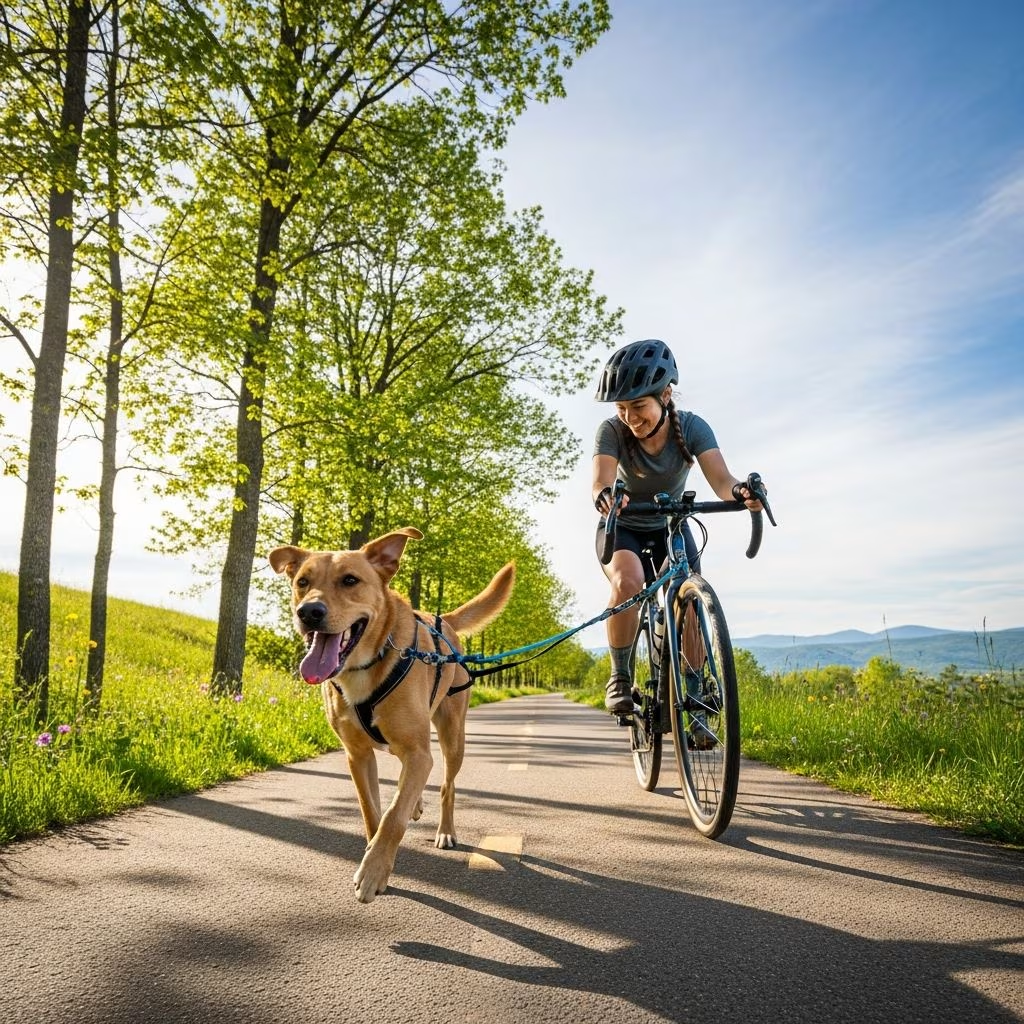
How to Go Bike Riding With Your Dog: Complete Guide
Biking with your dog is an excellent way to provide exercise, mental stimulation, and bonding time while enjoying the outdoors together. Whether you have a small lap dog or a large athletic breed, there are multiple methods to include your furry companion on your cycling adventures. Before hitting the road, it’s essential to understand the different options available, how to properly prepare your dog, and what safety measures to implement. This comprehensive guide will walk you through everything you need to know to make biking with your dog a fun and safe experience.
Assessment and Preparation: Is Your Dog Ready?
Before you begin any biking activity with your dog, it’s crucial to evaluate whether your dog is physically and mentally prepared for this type of exercise. Not all dogs are suited for running alongside bikes, and some may be better suited to alternative methods of transportation.
Consult with your veterinarian before starting any biking program. Your vet can assess your dog’s overall health, joint condition, and fitness level. This is particularly important for puppies, senior dogs, and dogs with existing health conditions. Rigorous exercise like running alongside a bike can damage growth plates in young dogs, leading to future mobility problems. Similarly, older dogs with stiff joints or overweight dogs may not be suitable candidates for running alongside a bicycle.
Consider your dog’s temperament and obedience level. Dogs that will be running alongside your bike should be comfortable with basic commands such as “stay,” “heel,” and “leave it.” They should also be accustomed to walking on a leash without pulling. A dog that is easily distracted, overly anxious, or prone to sudden movements may not be safe running next to a moving vehicle.
Understanding Your Options: Methods for Biking With Dogs
There are several different ways to bike with your dog, each suited to different dog sizes, fitness levels, and owner preferences. Understanding each method will help you choose the best option for your situation.
Dogs Running Alongside Your Bike
Having your dog run alongside your bike is an exciting way to exercise together, but it requires careful consideration and proper training. This method works best for healthy, large dogs with longer legs that can keep pace with a bicycle. Small-to-medium dogs typically cannot keep up with a bike due to their shorter stride length.
Running on concrete is a high-impact activity that can be tough on your dog’s joints and paws. Concrete surfaces are particularly problematic when hot, as they can cause burns and injuries to sensitive paw pads. Even in cooler weather, concrete is hard on feet. Always start slowly with short distances and monitor your dog for signs of discomfort such as limping or reluctance to continue.
Use a specialized biking leash that attaches directly to your bike frame rather than holding the leash in your hand. This keeps your dog away from the wheels while allowing you to maintain full control of the bicycle. A bungee-style leash works best for powerful dogs that might suddenly jerk. Additionally, use a proper harness rather than a collar, as this distributes pressure more evenly and prevents neck injuries.
Dogs in Bike Baskets
For small dogs, a basket attached to your handlebars or rear frame can be a comfortable transportation option. However, only use baskets specifically designed for dogs, and ensure they include appropriate safety straps to prevent your dog from falling or jumping out during the ride.
Before taking your dog on a full ride, introduce them to the basket gradually. Place your dog in the basket while stationary, praise and treat them, then remove them. Repeat this process several times until your dog becomes comfortable entering and exiting the basket. This conditioning process helps prevent anxiety and ensures your dog feels secure.
Ensure the basket is sturdy and can support your dog’s weight. Check the manufacturer’s instructions for proper attachment and follow all guidelines for securing your dog’s harness to the basket.
Dogs in Bike Trailers
Bike trailers represent one of the safest and most comfortable options for transporting dogs on longer journeys. Trailers work well for medium to large dogs and are excellent when conditions make running alongside a bike unsafe, such as extremely hot weather or busy city streets. They’re also ideal for older dogs unable to run or walk alongside a moving bike.
Bike trailers designed for children can be modified for dogs, or you can purchase trailers specifically designed as pet carriers. Accustom your dog to the trailer by encouraging them to enter and exit while stationary, rewarding with praise and treats each time. Once your dog is comfortable, attach the harness or seatbelt and gently move the trailer just a few inches, rewarding your dog for remaining calm.
Gradually increase the distance and speed of movement over several sessions. Ensure your dog is always securely attached to the trailer before beginning any ride to prevent them from jumping out into traffic. Start with short rides where you can stop regularly to check on your dog and provide rewards.
Backpacks and Carriers
For very small dogs or less active breeds, cycling backpacks and carriers offer a hands-free solution. These can be attached to your body or bicycle and allow you to keep close watch over your dog throughout the ride. Dog-specific models are designed with safety and comfort in mind, featuring secure attachment points and ventilation for your dog’s comfort.
Training Your Dog: Building the Foundation
Proper training is essential before your dog ever approaches a bike. Begin with basic obedience skills that will make the biking experience safer and more enjoyable.
Basic Obedience Training
Start with fundamental commands including walking on a leash without pulling and responding to a recall command. Your dog should understand “stay” and “heel” before introducing the bike. These commands will help you maintain control in various situations and ensure your dog responds appropriately to your directions.
Practice these commands in different environments, gradually introducing more distractions. Once your dog reliably responds to basic commands in controlled settings, you can begin introducing the bicycle.
Introducing Your Dog to the Bike
Allow your dog time to become familiar and comfortable with the bicycle itself. Many dogs are initially fearful of bikes, and this is normal. Let your dog investigate the bike stationary, rewarding calm behavior with treats and praise. If your dog shows mild fear, this can actually be beneficial as it may prevent them from running in front of the bike while riding.
Never force your dog to interact with the bike. Let them approach at their own pace and reward every positive interaction. Once your dog seems comfortable around the stationary bike, you can begin the next phase of training.
Progressive Conditioning
Start with very short distances and slow speeds when first biking with your dog. Begin by rolling the bike slowly while your dog walks alongside, praising and treating them frequently. As your dog becomes comfortable, gradually increase your pace to a trotting speed and observe how your dog reacts.
Watch your dog carefully for signs of fatigue or discomfort such as slowing down or limping. If you notice these signs, stop immediately and build on that distance or pace gradually during future rides. Start with 1-3 mile rides and build up from there, depending on your dog’s age, fitness level, and breed.
Continually praise and treat your dog as they adjust to walking or running alongside the bike. Positive reinforcement builds confidence and creates a positive association with the activity.
Essential Gear and Equipment
Having the right equipment makes biking with your dog safer and more enjoyable for both of you.
Harnesses and Leashes
A proper harness is more important than a collar when biking with your dog. Harnesses distribute pressure evenly across your dog’s shoulders and chest, preventing neck injuries that can occur from sudden jerking or pulling. Look for a non-pull harness if your dog tends to surge forward, as this design encourages proper behavior.
For dogs running alongside your bike, use a hands-free biking leash that attaches directly to your bike frame. These specialized leashes create a dynamic connection between you and your dog while keeping them at a safe distance from the wheels. The leash should have some give to allow natural movement while preventing your dog from veering into traffic or obstacles.
Protective Gear
Dog shoes are highly recommended for dogs running on concrete or rough terrain, as they protect paw pads from damage and injury. Extended biking sessions on abrasive surfaces can wear down paw pads quickly, so protective footwear is a worthwhile investment.
If biking during low-light hours, consider a high-visibility harness or collar to make your dog more visible to vehicles and other cyclists. This improves safety when sharing roads with other traffic.
Safety Accessories
Bring supplies such as treats, fresh water, and a first aid kit on all rides. Water breaks are essential, especially during longer rides or warm weather. A basic first aid kit allows you to address minor injuries immediately.
If you’re using a basket or rear carrier, verify the weight limit and ensure your bike’s tires are in good condition and properly inflated. These checks prevent accidents and mechanical failures during your ride.
Route Planning and Safety Considerations
Choosing the right route is crucial for safe and enjoyable bike rides with your dog.
Selecting Appropriate Routes
Choose wide-open spaces familiar to your dog whenever possible, and avoid busy roads and traffic. Start on easy trails with varying terrain and no long descents. As your dog builds fitness and experience, you can gradually tackle more challenging routes.
Be cautious of hazards such as lampposts or other cyclists that could tangle your dog’s leash. If using a rear basket, ensure long leashes don’t get caught in wheels or pedals.
Weather Considerations
Avoid biking in extreme weather conditions. In hot weather, concrete and asphalt surfaces become dangerously hot for paw pads, and carriers can become uncomfortably warm. Cold weather may be challenging for dogs with thin coats. Light rain is generally manageable, but intense rain or heat can stress dogs in carriers.
Always check the temperature of surfaces where you’ll be riding, as hot concrete can cause paw pad burns even when air temperature seems moderate.
Frequently Asked Questions
Q: At what age can puppies start biking?
A: Wait until your puppy’s growth plates have closed, typically around 12-18 months depending on breed. Consult your veterinarian for specific timing. Puppies under this age risk serious growth plate damage from high-impact activities like running alongside a bike.
Q: How long should bike rides last?
A: Start with 1-3 mile rides and gradually increase distance as your dog builds endurance. Pay attention to your dog’s fitness level and adjust accordingly. Remember that biking is high-impact exercise, so less distance than regular walking may be appropriate.
Q: Can small dogs run alongside bikes?
A: Most small-to-medium dogs cannot keep pace with a bike due to their shorter legs. Consider using a basket or carrier instead for small breeds.
Q: What if my dog pulls on the leash?
A: Use a non-pull harness designed to discourage pulling behavior. The bike leash attachment also helps control sudden jerks. Continued training and reinforcement of proper behavior will improve this over time.
Q: Is biking safe for senior dogs?
A: Senior dogs can bike if they’re in good health, but consider using a trailer or carrier instead of having them run alongside the bike. Discuss appropriate activities with your veterinarian.
Q: How do I know if my dog is tired?
A: Signs of fatigue include slowing pace, excessive panting, limping, or reluctance to continue. Stop immediately when you notice these signs and rest your dog. Build up distance gradually over multiple rides.
References
- Safety Tips for Biking With Dogs — American Kennel Club. 2024. https://www.akc.org/expert-advice/travel/biking-with-dogs/
- Tips for Biking With Your Dog — Liv Cycling. 2024. https://www.liv-cycling.com/global/campaigns/tips-for-biking-with-your-dog/26539
- Cycling With Your Dog: The Dos and Don’ts — James & Ella. 2024. https://ella.co/blog/cycling-with-your-dog-dos-and-donts
- How to Bike With Your Dog? Five Ways to Take Your Dog on Your Bike — Momentum Biking. 2024. https://www.momentum-biking.com/us/the-ultimate-guide-to-taking-your-dog-on-your-bike
- Dog Biking Gear for Cycling & Bikejoring — Ruffwear. 2024. https://ruffwear.com/pages/biking-with-dogs



