

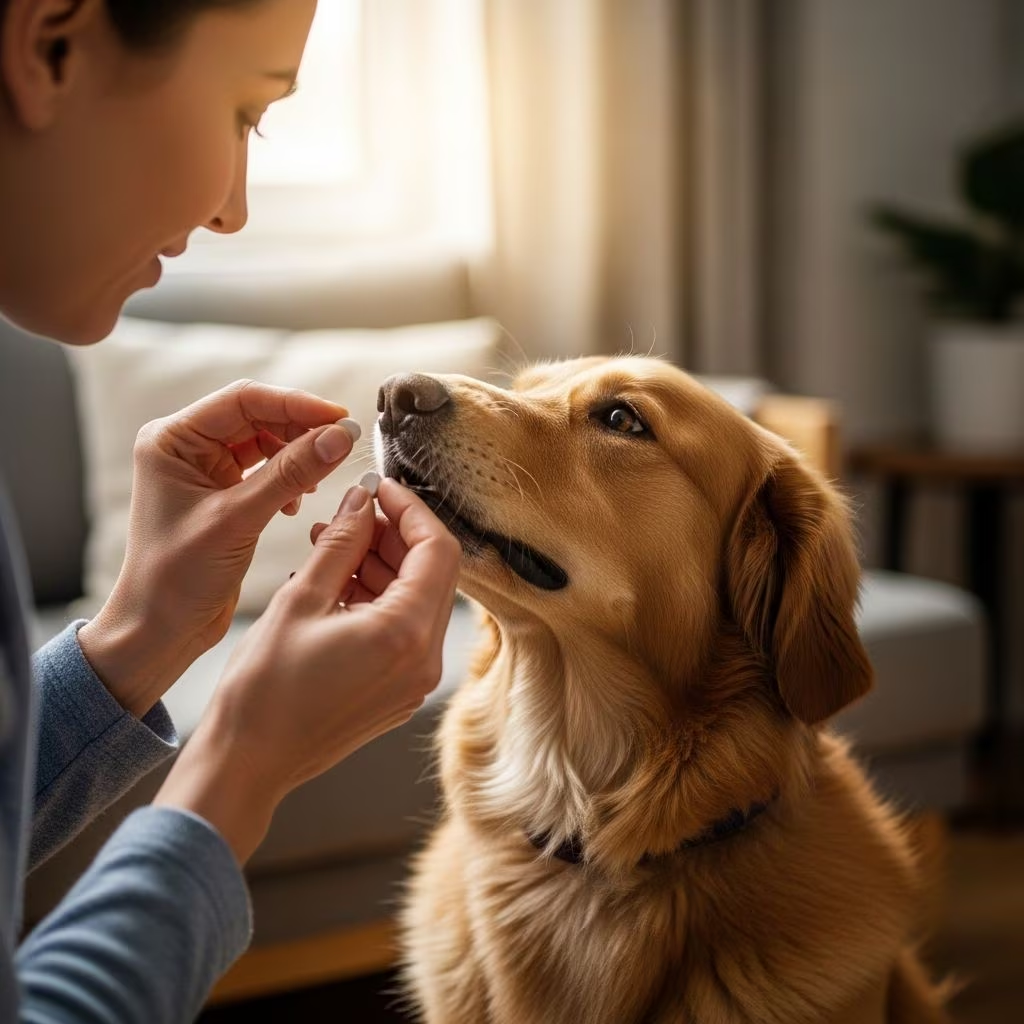
How to Give Your Dog a Pill: Proven Methods and Expert Guidance
Administering medication to your dog can be one of the most challenging aspects of pet ownership. Most dogs will eagerly consume any food you offer—until you attempt to conceal a pill within it. At that point, they scrutinize each morsel with surprising diligence, making the simple task of medication administration feel like a battle of wits. If you find yourself facing this challenge, whether your dog needs a single dose of medication or requires lifelong treatment for a chronic condition, you’re not alone. Fortunately, several proven strategies can help make this process smoother for both you and your furry companion.
Hide It in Food
One of the most straightforward approaches to medication administration involves using food as a delivery vehicle for your dog’s pill. The key to success is selecting a particularly tasty treat that your dog doesn’t receive on a regular basis, then disguising the medication within a small portion of it. This element of novelty can help prevent your dog from developing suspicion about the treat.
When employing this method, maintain your normal routine by asking your dog to perform tricks or follow obedience commands before offering the medicated treat. This consistency helps ensure your dog doesn’t associate the special treat exclusively with medication time. Among the most effective foods for concealing pills are:
- Peanut butter (verify it contains no xylitol, which is toxic to dogs)
- Cream cheese
- Liverwurst or other soft, pungent meats
- Wet cat food or soft dog food
- Meatballs or ground meat
- Yogurt or dairy products
- Soft cheeses
If your dog’s medication comes in capsule form, consider breaking it apart and mixing the contents directly into a small amount of canned food. This approach allows the medication to disperse throughout the food rather than remaining as an obvious solid object that your dog might reject.
Use a Pill Pocket
Pill pockets represent a specialized solution specifically designed for medication administration. These soft dog treats feature a hollowed center where you can conceal your pet’s medication. Multiple brands manufacture pill pockets in various flavors, so you can select one that matches your dog’s preferences.
The appeal of pill pockets lies in their simplicity and effectiveness. The soft texture makes it difficult for dogs to separate the medication from the treat, and the flavoring masks any taste of the underlying pill. If you find that standard pill pockets aren’t working for your particular dog, pill pastes offer an alternative. Unlike solid treats, these super-flavored pastes envelop your dog’s medication completely, making it nearly impossible for your pet to detect and spit out the pill.
Include a Treat with Their Medication
For dogs trained to expect treats as rewards for following commands, medication administration can leverage this established behavior pattern. Some dogs will willingly consume their medication simply to earn the accompanying reward. However, other dogs may require additional motivation.
A highly effective technique involves creating what can be thought of as a treat sandwich: provide your dog with a regular treat, followed immediately by the pill (with or without accompanying food), then follow up with another treat. This sequence conditions your dog to accept the medication as part of a positive experience.
An alternative variation involves using multiple pill pockets or food items, inserting the medication into just one of them, and having your dog consume all three in sequence. This method works like a medication roulette, preventing your dog from learning to identify and reject only the medicated treat.
Give Them Meds Before Mealtime
Timing can significantly impact your success with medication administration. Offering your dog their medication when they’re at their hungriest presents an ideal opportunity for acceptance. Try administering the pill—with or without an accompanying treat—immediately before their regular meal.
This approach works on multiple levels. First, the anticipation of an upcoming meal increases your dog’s motivation to consume anything you offer. Second, this timing creates an association between taking their medication and receiving their meal, potentially making future administrations easier as your dog learns that accepting their pill precedes their dinner. This method combines both behavioral conditioning and practical timing for maximum effectiveness.
Look for Another Form of Medication
The veterinary pharmaceutical industry has increasingly recognized that most pets resist traditional pill administration. As a result, manufacturers have developed alternative formulations to make medication acceptance easier for both pets and their owners.
If your dog consistently refuses pills despite your best efforts, inquire with your veterinarian about alternative forms of medication. Many common canine medications now come in multiple formats:
- Liquid formulations that can be mixed into food
- Powdered medications that disperse easily in meals
- Flavored chewables that dogs often accept readily
- Injectable medications administered by your veterinarian
- Compounded medications tailored to your dog’s specific needs
Liquids and powders prove particularly useful because they integrate seamlessly with food, and flavored chewables can actually make medication time feel like receiving a treat. Many frequently prescribed canine medications, including anti-inflammatories and pain relievers, already have alternative forms available. Your veterinarian can help determine whether a different formulation would suit your dog’s specific medication and medical condition.
Put It in Their Mouth
When all other methods have failed, direct oral administration becomes necessary. While this technique may feel uncomfortable for some dog owners, it remains an effective and commonly used method. Your dog’s safety and proper medication administration should always take priority over personal discomfort.
If you’re uncertain about performing this technique safely, request a hands-on demonstration from your veterinarian. They can show you proper technique and answer any questions about safety and effectiveness. If you do proceed independently, follow these steps carefully:
- Gently pry your dog’s lower jaw downward
- Place the pill clearly in the back of their throat, aiming to position it as far back as possible
- Remove your hand quickly and close their mouth
- Gently massage their throat to encourage swallowing
- Provide immediate praise and affection to reinforce positive association
The key to success with this method involves speed, confidence, and gentle handling. The faster you can complete the process, the less opportunity your dog has to resist or spit out the pill. Maintaining a calm demeanor helps your dog remain relaxed throughout the procedure.
What Do Vets Typically Do to Give Dogs Pills?
Professional veterinarians employ a systematic approach to medication administration, beginning with the least invasive methods and progressing to more direct techniques only when necessary. Most veterinary practices start with pill pockets or other food-based methods, as these are least stressful for the animal.
When circumstances require more direct administration, veterinarians employ the same technique described above for home use. They hold the pill between their thumb and index finger, gently pry open the dog’s lower jaw, and quickly slip the pill as far down the throat as possible. Once the mouth closes, they apply gentle throat massage to facilitate swallowing.
The experience and confidence that veterinary professionals bring to this task often makes the process quicker and less stressful than home administration. If you feel uncomfortable attempting direct administration, your veterinary team remains available to help. Many practices offer guidance or can administer medication at the clinic if home administration proves consistently problematic.
Safety Considerations During Pill Administration
Regardless of which method you employ, several safety principles should guide your approach to medication administration. Always ensure proper dosage as prescribed by your veterinarian, and never split or crush pills without explicit veterinary approval, as some medications have special coatings or formulations that must remain intact.
When using the direct administration method, be careful not to place your fingers between your dog’s teeth, as this creates unnecessary risk of accidental bites. Instead, position your fingers behind the canine teeth or on the sides of the muzzle. If your dog has a history of biting or aggression, consult your veterinarian before attempting direct administration at home.
Always have fresh water available immediately after pill administration to help ensure the medication moves down the esophagus properly. For certain medications, food intake may be necessary or advised—follow your veterinarian’s specific instructions regarding timing relative to meals.
Frequently Asked Questions
Q: What if my dog spits out the pill after I’ve placed it down their throat?
A: This occasionally happens, particularly if the pill hasn’t been positioned far enough back in the throat. If this occurs, remain calm and try again, perhaps positioning the pill even further back. If your dog continues to resist after multiple attempts, consult your veterinarian about alternative administration methods or medication formulations.
Q: Can I crush my dog’s pill to hide it in food?
A: Only with explicit veterinary approval. Some pills have special coatings designed to protect the medication in your dog’s stomach. Crushing these pills compromises their effectiveness. Always ask your veterinarian whether a specific medication can be crushed before attempting to do so.
Q: How long does it typically take for a dog to swallow a pill?
A: Once properly positioned in the throat, most dogs will swallow a pill within seconds. If your dog hasn’t swallowed within a minute, gentle throat massage can encourage the reflex. If swallowing doesn’t occur after a few minutes, your dog may have expelled the pill or it may be positioned incorrectly.
Q: What should I do if my dog refuses all food-based methods?
A: If your dog consistently refuses to take pills hidden in food despite trying multiple methods and foods, discuss alternative formulations with your veterinarian. Liquid, powder, or chewable alternatives often prove successful where traditional pills fail.
Q: Is it safe to use pill guns or other administration devices?
A: Pill guns and similar devices can be helpful tools for safe pill administration, particularly if you’re uncomfortable with direct hand placement. Your veterinarian can recommend appropriate devices and demonstrate their proper use.
Bottom Line
Most pet parents will face the challenge of administering pills to their dog at some point in their pet’s life. While dogs typically enjoy food without hesitation, medication administration often requires creativity and persistence. Success frequently depends on trying multiple approaches and identifying what works best for your individual dog’s preferences and temperament.
When your dog refuses traditional pill administration methods, get creative by hiding the pill in tasty foods, offering treats before and after medication, timing administration before meals, or exploring alternative medication formulations with your veterinarian. In cases where all other methods have failed, direct oral administration administered with proper technique remains an effective solution.
If you continue experiencing difficulty administering your dog’s medication despite trying various methods, don’t hesitate to contact your veterinarian. They can observe your technique, suggest refinements, demonstrate alternative approaches, prescribe different medication formulations, or administer the medication themselves. Remember that consistent, proper medication administration is crucial to your dog’s health, and your veterinary team stands ready to support you in achieving this important health goal.
References
- How to Give Your Dog a Pill to Swallow — Kinship (Official Pet Health Platform). 2025. https://www.kinship.com/dog-health/how-to-give-a-dog-a-pill
- How to Give Your Dog a Pill at Home | MedVet — MedVet Veterinary Emergency and Specialty Hospital. 2024. https://www.youtube.com/watch?v=F9ggYe1up1Q
- How to Give Pills to a Dog — Expert Trainer Tutorial. 2024. https://www.youtube.com/watch?v=KV5tZ5oDc6o
- How to Give Oral Meds to Dogs: Tricks That Actually Work! — SEVN Veterinary Technician Resources. 2024. https://www.youtube.com/watch?v=iKid4w1I2aw



