
How To Give Your Dog A Pill: 5 Proven Techniques
Master the art of administering pills to dogs with proven techniques and expert tips.
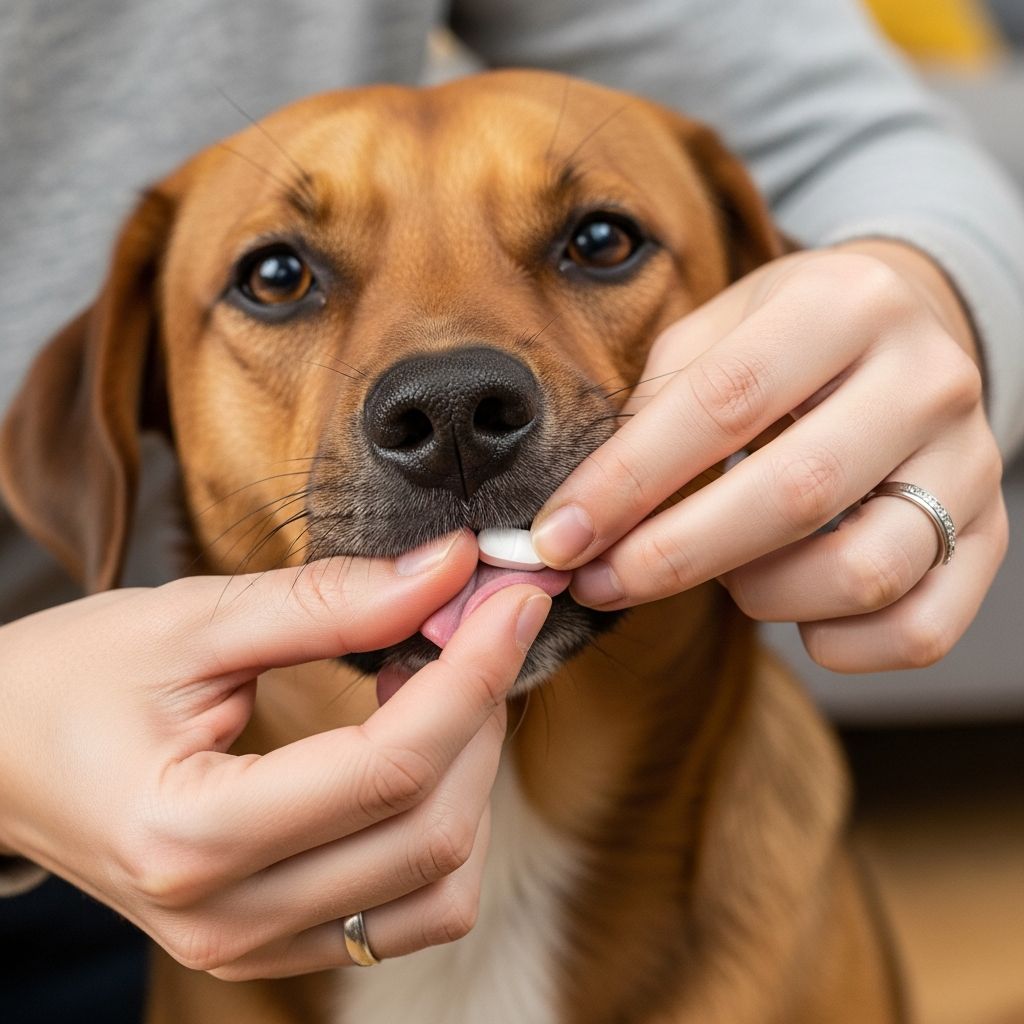
How to Give Your Dog a Pill or Tablet
Administering medication to your dog can be one of the most challenging aspects of pet ownership. Whether your dog requires short-term antibiotics or long-term management medication, getting them to take a pill can test even the most patient pet owner. The good news is that with the right techniques and preparation, you can make medication time a smooth and stress-free experience for both you and your dog. This comprehensive guide will walk you through multiple proven methods for giving your dog a pill or tablet, along with practical tips to overcome common challenges.
Understanding Why Dogs Resist Medication
Before diving into techniques, it’s helpful to understand why dogs often resist taking pills. Dogs have excellent senses of smell and taste, allowing them to detect unfamiliar objects in their food or mouth. Additionally, the act of having their mouth handled can feel invasive or threatening to some dogs, particularly those not accustomed to this type of handling. Understanding your dog’s individual personality and preferences is key to selecting the most effective administration method.
Preparation: Setting Yourself Up for Success
The foundation of successful pill administration begins before you ever attempt to give your dog the medication. Preparation involves both mental and physical readiness on your part and creating the right environment for your dog.
Gather Your Materials
Before starting, have all necessary items within reach. This might include the medication itself, treats, water, a syringe if needed, and any other supplies specific to your chosen method. Having everything prepared prevents fumbling around and keeps the process quick and efficient. The faster you can administer the pill, the less time your dog has to become anxious or resistant.
Choose the Right Time
Select a time when your dog is calm and not overly excited or anxious. Avoid medication time right after intense play or exercise, as your dog may be too stimulated. Similarly, timing medication with a meal can help mask the taste and make the experience more positive. However, always follow your veterinarian’s specific instructions regarding timing and food interactions.
Stay Calm and Confident
Dogs are remarkably perceptive and can sense your anxiety or tension. If you approach medication time with dread, your dog will pick up on this energy and likely become more resistant. Instead, adopt a calm, matter-of-fact attitude. Treat it as just another part of your daily routine, and your dog will be more likely to cooperate.
Technique 1: The Treat Method
The treat method is often the easiest and most enjoyable approach for both you and your dog, particularly for food-motivated canines. This technique leverages your dog’s natural desire for treats to make medication administration nearly invisible.
How to Use the Treat Method
Start by offering your dog a small, ordinary treat without any medication. This builds enthusiasm and sets expectations. Immediately follow with a second treat that has the pill hidden inside. Soft, moldable treats work best because they can completely encase the medication, preventing your dog from detecting it. Excellent options include small pieces of cheese, xylitol-free peanut butter, cream cheese, or commercially available pill pockets specifically designed for this purpose. The key is ensuring the pill is completely hidden within the treat so your dog swallows it without suspicion.
Tips for Success
Use high-value treats that your dog truly loves and wouldn’t normally refuse. This increases the likelihood they’ll swallow quickly without investigation. Keep treats appropriately sized so your dog can consume them in one bite. Always follow the medicated treat with a regular treat to create a positive association and ensure your dog doesn’t develop suspicion about treats in general.
Technique 2: The Direct Approach – Administering Pills By Hand
When treats aren’t appropriate or effective, the direct approach provides reliable medication delivery. This technique requires some practice but becomes easier with repetition and builds confidence over time.
Step-by-Step Instructions
Position yourself behind or to the side of your dog rather than directly in front, as facing them head-on can feel confrontational. Gently tilt your dog’s head upward by placing one hand on the top of their muzzle, using your thumb and fingers to apply gentle pressure at the corners of the mouth. This pressure naturally causes most dogs to open their mouth slightly. With your dominant hand, hold the pill between your thumb and index finger, keeping it ready for quick insertion.
Once the mouth opens, quickly place the pill as far back on the tongue as possible—ideally in the center of the tongue’s base. This positioning is crucial because it triggers the natural swallowing reflex. Immediately close your dog’s mouth while continuing to hold the head tilted slightly upward. Gently stroke your dog’s throat in a downward motion or blow a quick puff of air on their nose to further encourage swallowing.
Verification and Positive Reinforcement
Watch for lip licking or check the floor to ensure the pill wasn’t spit out. Offer praise, affection, or a treat (if medically appropriate) immediately after successful administration to create positive associations with medication time. This positive reinforcement is essential for building cooperation with future doses.
Technique 3: Using Pill Pockets and Food Disguises
Commercial pill pockets and creative food disguises offer excellent alternatives when the basic treat method isn’t working. These products are specifically designed to hold pills while masking their presence.
Popular Food Disguises
Beyond commercial pill pockets, various foods can effectively hide medications. Soft foods like mashed banana, applesauce, yogurt, or liverwurst can be molded around pills. Some dogs will eagerly consume pills hidden in a small amount of ice cream or wet food. The ideal disguise food should be something your dog finds irresistible but isn’t part of their regular diet, making it a special treat associated with medication time.
Important Considerations
Always check with your veterinarian before using any food disguise, as some medications cannot be taken with certain foods or must be taken on an empty stomach. Some pills should not be crushed or dissolved, so confirming administration methods is essential. Additionally, if your dog is on a restricted diet due to health conditions, ensure any disguise food aligns with their dietary requirements.
Technique 4: Pill Dispensers and Syringes
For dogs who consistently resist manual pill administration, specialized pill dispensers can be invaluable tools. These devices hold the medication and allow you to place it deep in the mouth without putting your fingers at risk of being bitten.
How Pill Dispensers Work
Most dispensers feature a soft tip to avoid injuring your dog’s mouth and a plunger mechanism to release the pill once positioned correctly. To use a pill dispenser effectively, load the medication into the device according to the manufacturer’s instructions. Gently open your dog’s mouth by tilting the head back slightly and pressing gently at the corners of the mouth. Insert the dispenser to the back of the tongue and depress the plunger to release the pill. As with manual administration, gently hold the mouth closed and stroke the throat to encourage swallowing.
When to Use Pill Dispensers
Pill dispensers are particularly useful for anxious dogs, those with a history of biting during handling, or when you want to avoid direct finger-to-mouth contact. They provide a barrier between your fingers and your dog’s teeth while still allowing precise medication placement.
Technique 5: Liquid Medication Administration
Liquid medications offer an alternative that some dogs tolerate better than pills. These formulations can be particularly useful for small dogs, puppies, or dogs with certain medical conditions that make pill administration difficult.
Administration Steps
Use the syringe or dropper provided with the medication to measure the exact prescribed dose. Position yourself at your dog’s side rather than in front, which feels less threatening to them. Gently lift the corner of the lip to create a small pocket between the cheek and teeth, called the buccal pouch. Slowly dispense the liquid into this pocket rather than directly down the throat. This approach prevents accidental aspiration into the lungs and gives your dog time to swallow naturally.
Important Technique Notes
Aim the syringe toward the back of the mouth but alongside the teeth, not directly at the throat. Administer the medication slowly in small amounts, giving your dog time to swallow between portions if it’s a larger volume. Never tilt your dog’s chin upward when administering liquid medication, as this position increases choking risk. Instead, keep the head level or slightly angled downward.
Troubleshooting Common Challenges
Despite your best efforts, you may encounter resistance. Here are strategies for common problems:
The Pill Spitter
If your dog consistently spits out pills after you’ve administered them, ensure the pill is placed far enough back on the tongue to trigger the swallowing reflex. You might also follow pill administration with a small amount of water using a syringe to encourage swallowing. Some dogs respond well to offering a favorite treat immediately after the pill, creating motivation to swallow quickly.
The Pill Hider
Dogs adept at finding and ejecting hidden pills require different strategies. Your veterinarian might be able to prescribe the medication in liquid form, or you may need to use the direct approach. Pill dispensers are particularly useful for these clever canines.
The Anxious Dog
For dogs who become very anxious during medication administration, consider asking your veterinarian if a mild sedative could be given beforehand. Taking time to desensitize your dog to mouth handling through positive reinforcement exercises can also help over time.
Building a Positive Medication Experience
Creating positive associations with medication time is crucial for long-term success, especially if your dog requires ongoing treatment. Make medication a normal part of your routine without drama or special build-up. Avoid showing anxiety or frustration, as dogs respond to your emotional state. Celebrate successful medication administration with praise, affection, and rewards.
If your dog has had negative experiences with medication in the past, consider reframing the experience. Use high-value rewards, be extra patient, and celebrate small successes. Over time, your dog may come to associate pill time with positive outcomes rather than something to fear.
When to Contact Your Veterinarian
If you’re unable to administer medication despite trying multiple techniques, contact your veterinarian. They may be able to provide alternative medication forms, adjust administration timing with food, or prescribe the medication in liquid form. Never skip doses or attempt methods that feel unsafe for you or your dog without veterinary guidance.
Frequently Asked Questions
Q: Can I crush my dog’s pill to make it easier to administer?
A: Not always. Some medications are designed to be released slowly and shouldn’t be crushed. Others are extremely bitter when crushed. Always ask your veterinarian before crushing any medication. If the pill can be crushed, mix it with a small amount of food immediately before administration to prevent degradation.
Q: What if my dog refuses all food-based methods?
A: Try the direct approach or a pill dispenser. These methods don’t rely on your dog’s appetite and can be highly effective. Your veterinarian may also be able to prescribe the medication in an alternative form.
Q: How can I give liquid medication to a dog who thrashes and fights?
A: Position yourself safely, use the buccal pouch technique, and administer small amounts slowly. If your dog is extremely resistant, consult your veterinarian about alternative administration methods or possible sedation options.
Q: Should I force my dog to take medication if they strongly resist?
A: Forcing can create negative associations and make future administration harder. Instead, discuss alternatives with your veterinarian. There are often multiple formulations or administration methods available.
Q: Can I hide liquid medication in food?
A: Some liquid medications can be hidden in food, but others may lose effectiveness when mixed with certain foods. Always check with your veterinarian first. Using a syringe to administer liquid medication directly is often the most reliable method.
Q: How long does it typically take to get good at administering pills?
A: Most people become comfortable with the direct approach after 3-5 attempts. With practice, you’ll develop confidence and your dog will sense this, making cooperation easier. Be patient with yourself as you develop this new skill.
Conclusion
Administering pills and tablets to your dog doesn’t have to be a battle. By understanding your dog’s individual personality, selecting the right technique for their temperament, and maintaining a calm, positive approach, you can make medication time manageable and even stress-free. Whether you choose the treat method, direct approach, pill dispensers, or liquid medication, the key is consistency, patience, and positive reinforcement. Remember that each dog is unique, and what works for one may not work for another. Don’t hesitate to consult your veterinarian if you’re struggling—they can provide additional guidance and alternative solutions tailored to your dog’s specific needs. With these proven techniques in your toolkit, you’ll be well-equipped to keep your beloved companion healthy and compliant with their prescribed medications.
References
- Dog Oral Medication Administration: 5 Proven Techniques for Success — The Pet Vet. 2024. https://thepetvet.com/dog-oral-medication-administration/
- Giving Your Dog Oral Medications — Cornell University College of Veterinary Medicine. 2024. https://www.vet.cornell.edu/hospitals/pharmacy/consumer-clinical-care-guidelines-animals/giving-your-dog-oral-medications
- How to Give Your Dog a Pill – Vetstreet — Vetstreet. 2024. https://www.vetstreet.com/dogs/how-to-give-your-dog-a-pill
- Try These Tricks the Next Time You Have to Give Your Pet Medication — Everhart Veterinary Medicine. 2024. https://www.everhartvet.com/try-tricks-next-time-give-pet-medication/
- Administering Medications — Pet Medical Center. 2024. https://www.pet-medcenter.com/patient-resources/health-topics/administering-medications
- How to Give Your Dog a Pill at Home — MedVet. YouTube. 2024. https://www.youtube.com/watch?v=F9ggYe1up1Q
Similar Articles








Read full bio of Sneha Tete


