

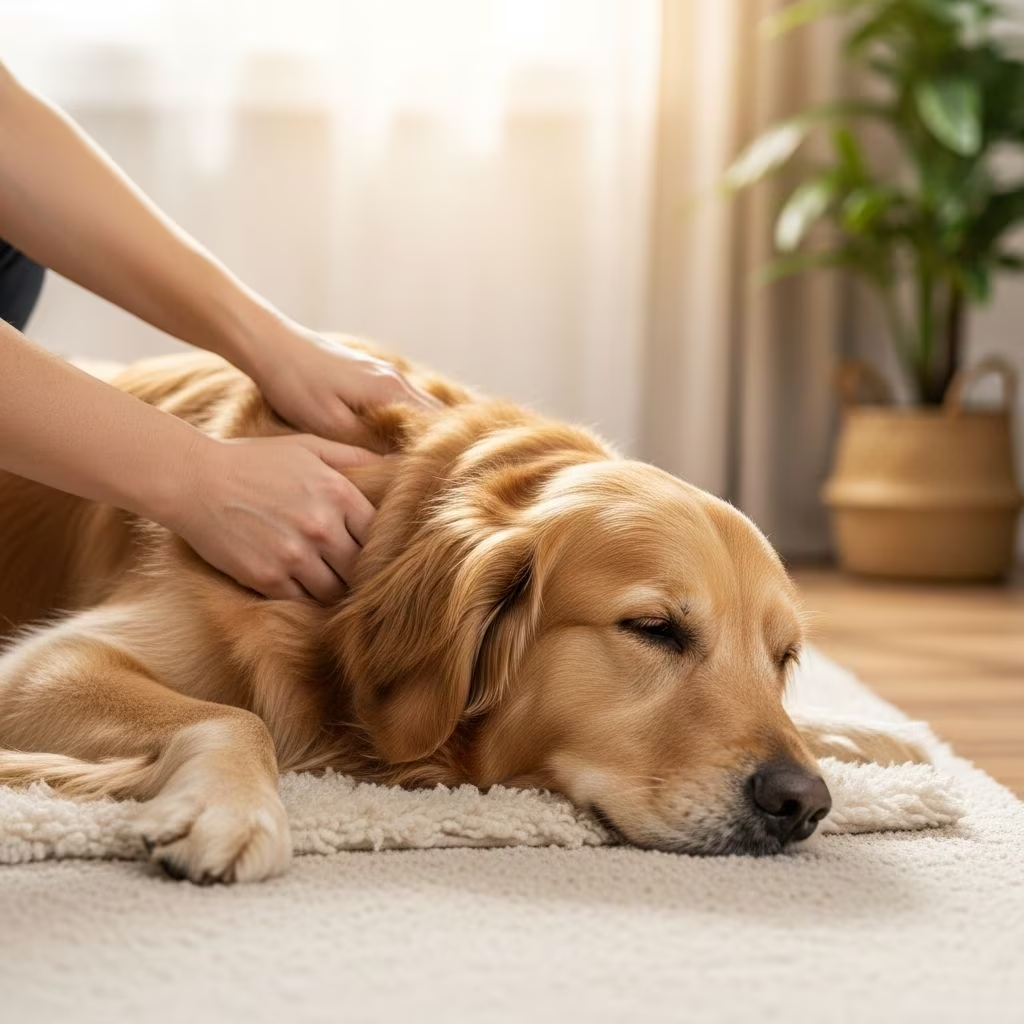
How to Give Your Dog a Massage: A Complete Guide to Canine Wellness
Massage is one of the most effective and enjoyable ways to bond with your dog while promoting their physical and mental health. Whether your pup is a high-energy athlete, a senior companion dealing with age-related stiffness, or simply a beloved pet in need of relaxation, learning how to give a proper dog massage can make a significant difference in their quality of life. This comprehensive guide will walk you through everything you need to know about canine massage, from understanding its numerous benefits to mastering the techniques that will make your dog feel pampered and cared for.
Understanding the Benefits of Dog Massage
Before diving into the hands-on techniques, it’s important to understand why massage is beneficial for your dog. Canine massage is far more than just a luxury spa treatment—it’s a therapeutic practice that addresses multiple aspects of your dog’s wellbeing.
Reduces Stress and Anxiety
One of the primary benefits of dog massage is its ability to calm anxious and stressed dogs. When you massage your dog, it triggers the release of endorphins, the body’s natural feel-good chemicals. This process also reduces cortisol, the stress hormone that can negatively impact your dog’s health over time. Additionally, massage increases serotonin levels, often referred to as the “feel-good” hormone, and slows your dog’s breathing and heart rate, creating a deeply calming effect. This is particularly beneficial for dogs prone to behavioral issues, hyperactivity, or anxiety in high-stress environments.
Alleviates Pain and Discomfort
Massage is an excellent natural pain management tool for dogs suffering from various conditions. By stimulating the release of endorphins through direct work on soft tissues, massage helps alleviate pain from sore muscles, arthritis, and other orthopedic conditions. Dogs that have spent a long day running, playing, or swimming often experience muscle soreness and stiffness. Massage helps relax these tight muscles and release tension in affected areas. For senior dogs or those recovering from injuries or surgery, massage can significantly reduce discomfort and support the healing process.
Improves Circulation and Lymphatic Flow
Enhanced blood circulation is one of the most important physiological benefits of massage. By increasing blood flow, massage ensures your dog receives adequate oxygen and nutrients throughout their body, which is essential for overall health and tissue repair. Improved lymphatic flow helps remove metabolic waste and toxins from muscles and internal organs, supporting immune function and helping your dog avoid conditions like hypertension and edema. This improved circulation also supports better skin and coat health, contributing to your dog’s overall vitality.
Enhances Flexibility and Mobility
Massage therapy works to stretch and loosen muscles, making it particularly valuable for older dogs or those recovering from injuries. By promoting flexibility, massage helps dogs regain or maintain mobility, which is crucial for their quality of life. Studies have demonstrated that dogs receiving massage therapy experience improved joint flexibility and reduced pain levels, making it an effective complementary treatment for conditions like osteoarthritis.
Strengthens the Bond Between Owner and Pet
Beyond physical benefits, massage serves as a powerful bonding tool. Touch is a fundamental way to reinforce trust and affection with your dog. Learning massage techniques creates a rewarding shared experience that deepens your relationship. This is especially beneficial for puppies, as massage teaches them to view touch positively, preparing them for future vet visits, grooming, and potentially careers as therapy or service dogs. For skittish or traumatized dogs, massage can help build confidence in human connection.
Essential Massage Techniques for Your Dog
Understanding the fundamental massage techniques is crucial for providing effective treatment to your dog. Each technique serves a specific purpose and can be tailored to different areas of your dog’s body.
Effleurage: The Foundation Stroke
Effleurage is the fundamental massage technique that should begin and end every massage session. This technique involves long, soothing strokes applied with gentle pressure along your dog’s body. Effleurage serves multiple purposes: it helps your dog relax, warms up the underlying tissues, and encourages blood flow throughout the body. This warming effect prepares the muscles for deeper work and creates a calm, receptive state in your dog.
Petrissage: Kneading and Rolling
Petrissage involves kneading or rolling motions that increase blood flow and lymphatic drainage. This technique is particularly effective at stimulating the removal of toxins trapped in the tissues. When performing petrissage, use your fingers and palms to gently squeeze and release the muscles in a rhythmic, wave-like motion. This technique is especially useful for addressing muscle tension and promoting flexibility in tight areas.
Compression: Gentle Pressure Work
Compression involves gently pressing the muscle against the bone to help spread muscle fibers and increase circulation. This technique is performed by applying gentle pressure with two hands on opposite sides of the limbs, without pressing very hard. Compression is particularly effective for working on legs and larger muscle groups, helping to break down tension and promote healing.
Friction: Deep Tissue Work
Friction is a deeper technique used to break down adhesions or scar tissue. This technique involves applying firmer pressure in circular motions to target specific problem areas. Friction should be used carefully and not applied to all areas of the body, as it can be quite intense for sensitive dogs.
Passive Joint Movements: Flexibility Enhancement
Passive joint movements involve gently moving your dog’s joints through their range of motion to reduce stiffness and improve flexibility. This technique is performed by supporting the joint and slowly moving the limb through its natural range, never forcing beyond comfortable limits. This technique is particularly beneficial for senior dogs or those with mobility issues.
Step-by-Step Guide to Massaging Your Dog
Now that you understand the benefits and techniques, here’s how to give your dog an effective massage session:
Preparation and Environment
Choose a quiet, comfortable space where your dog can relax without distractions. Ensure the room is warm, as this helps muscles relax. Have your dog lie down on a comfortable surface—a dog bed, yoga mat, or blanket works well. Make sure your hands are clean and warm before beginning. You may want to use a massage oil or balm designed for dogs, though this is optional.
Starting the Session
Begin with slow, gentle effleurage strokes along your dog’s body to help them relax and warm their muscles. Spend several minutes on this initial phase, watching for signs that your dog is settling into a calm state. This preparation is essential before moving to deeper techniques.
Targeting Key Areas
Focus on specific areas of your dog’s body that commonly hold tension. The base of the skull is an important area where dogs often accumulate stress. Gently massage this area using circular motions to help release tension and promote relaxation. The tail area is another key focus point that can assist in promoting better balance and flexibility.
Working the Neck and Shoulders
The neck and shoulders are common areas of tension in dogs. Use kneading movements to relieve stiffness and increase mobility in these areas. Apply moderate pressure and work in slow, deliberate motions.
Massaging the Legs
When massaging your dog’s legs, use gentle circular motions to ease tension and promote flexibility. Work from the shoulder or hip down toward the paw, supporting the limb with your other hand. Pay special attention to any areas where your dog seems to have tension or sensitivity.
Addressing the Chest and Abdomen
Apply light pressure with long strokes to the chest and abdomen to enhance relaxation and improve circulation. This area requires a gentler touch than the limbs, so use minimal pressure and avoid sensitive areas.
Closing the Session
End your massage session with several minutes of gentle effleurage strokes, gradually slowing your movements. This helps your dog transition from the massage and allows them to enjoy the relaxed state you’ve created. Allow your dog to rest quietly after the session for optimal benefits.
Tips for Success
Here are practical tips to make your dog massage sessions as effective and enjoyable as possible:
- Start short: Begin with 5-10 minute sessions and gradually increase duration as your dog becomes comfortable with the experience.
- Read your dog’s body language: Watch for signs of comfort or discomfort, adjusting pressure and techniques accordingly.
- Be consistent: Regular massage sessions provide the most benefit. Aim for weekly or bi-weekly sessions, or more frequently if your dog has specific health concerns.
- Ask your vet: Consult with your veterinarian, especially if your dog has injury, surgery recovery, or chronic conditions.
- Avoid certain areas: Be cautious around joints, the spine, and any areas where your dog shows pain or sensitivity.
- Use appropriate products: If using massage oil or balm, ensure it’s specifically formulated for dogs and safe for ingestion.
- Pay attention to early signs: Massage sessions offer an opportunity to detect early signs of potential health problems such as stiffness or lumps that may require veterinary attention.
When Massage is Particularly Beneficial
For Senior Dogs
Massage is exceptionally valuable for aging dogs. It can improve range of motion and decrease stiffness, allowing senior dogs an easier time going to the bathroom and getting up and down from the ground. Regular massage can help prevent senior dogs from injuring themselves and maintain their quality of life during their golden years.
For Active and Athletic Dogs
High-energy dogs can benefit from massage to help with sore muscles from competition and physical exertion. Massage helps relax muscles and reduces tension from intense activity.
For Dogs Recovering from Injury or Surgery
Massage can significantly aid the recovery process after an injury or surgical procedure. By enhancing blood flow to affected areas, massage promotes tissue healing and reduces inflammation. This natural approach contributes to decreased recovery time and can help alleviate discomfort and stiffness associated with healing.
For Anxious or Traumatized Dogs
Dogs that are skittish, anxious, or have experienced trauma can benefit greatly from therapeutic massage. The calming effects and positive human contact help build confidence and trust in human connection.
Complementary Therapies
Many owners combine massage with other canine wellness practices to maximize health benefits. These may include:
- Chiropractic adjustments: Works synergistically with massage to improve alignment and mobility.
- Acupuncture: Another holistic therapy that can complement massage for pain management and overall wellness.
- Physical therapy exercises: Targeted exercises recommended by your vet can enhance the benefits of massage.
- Proper nutrition: A healthy diet supports the body’s natural healing processes.
Frequently Asked Questions
Q: How often should I massage my dog?
A: For general wellness, weekly or bi-weekly massage sessions are ideal. Dogs with specific health concerns may benefit from more frequent sessions. Consult your veterinarian for recommendations tailored to your dog’s individual needs.
Q: Can I massage my dog if they have arthritis?
A: Yes, massage is particularly beneficial for dogs with arthritis. Studies have shown that massage therapy helps dogs with osteoarthritis experience improved joint flexibility and reduced pain levels. However, discuss specific techniques with your veterinarian to ensure they’re appropriate for your dog’s condition.
Q: What should I do if my dog seems uncomfortable during massage?
A: Stop immediately and consult your veterinarian. Some discomfort during initial sessions is normal as your dog adjusts, but persistent pain or anxiety may indicate an underlying issue that requires professional attention.
Q: Can puppies receive massage?
A: Yes, puppies can benefit from gentle massage. It teaches them to view touch positively, which prepares them for future vet visits, grooming, and potentially careers as therapy or service dogs. Use very gentle pressure and shorter sessions with puppies.
Q: Do I need professional training to massage my dog?
A: While professional training is beneficial, basic massage techniques can be learned and applied at home. For dogs with specific health conditions or injuries, consider consulting a professional canine massage therapist or your veterinarian for guidance.
Q: Can massage help with my dog’s anxiety?
A: Absolutely. Massage triggers the release of endorphins and reduces cortisol levels, both of which help calm anxious dogs. Regular massage sessions can be an effective tool for managing anxiety and promoting relaxation.
Q: What products should I use for dog massage?
A: While massage can be performed without products, dog-specific massage oils or balms can enhance the experience. Ensure any products you use are specifically formulated for dogs and safe if ingested. Consult your veterinarian if your dog has sensitive skin.
References
- Benefits of Dog Massage for Dogs of Any Age and Activity Level — American Kennel Club. 2024. https://www.akc.org/expert-advice/health/dog-massage/
- The Benefits of Canine Massage: How and Why to Massage Your Dog — TopDog Health. 2024. https://topdoghealth.com/the-benefits-of-canine-massage-how-and-why-to-massage-your-dog/
- Dog Massage — Irene’s Myomassology Institute. 2024-10-03. https://www.irenes.edu/2024/10/03/dog-massage/
- Discover How Canine Massage Can Transform Your Dog’s Life — University Animal Hospital. 2024. https://www.uah-vet.com/discover-how-canine-massage-can-transform-your-dogs-life/
- Dog Massage: Everything You Need to Know About Canine Massages — PetMD. 2024. https://www.petmd.com/dog/general-health/dog-massage-everything-to-know-about-canine-massages
- Massage Therapy for Dogs — AKC Pet Insurance. 2024. https://www.akcpetinsurance.com/blog/hands-healing-hounds-the-power-of-canine-massage
- Should my pet get a massage? — American Animal Hospital Association. 2024. https://www.aaha.org/resources/should-my-pet-get-a-massage/



