

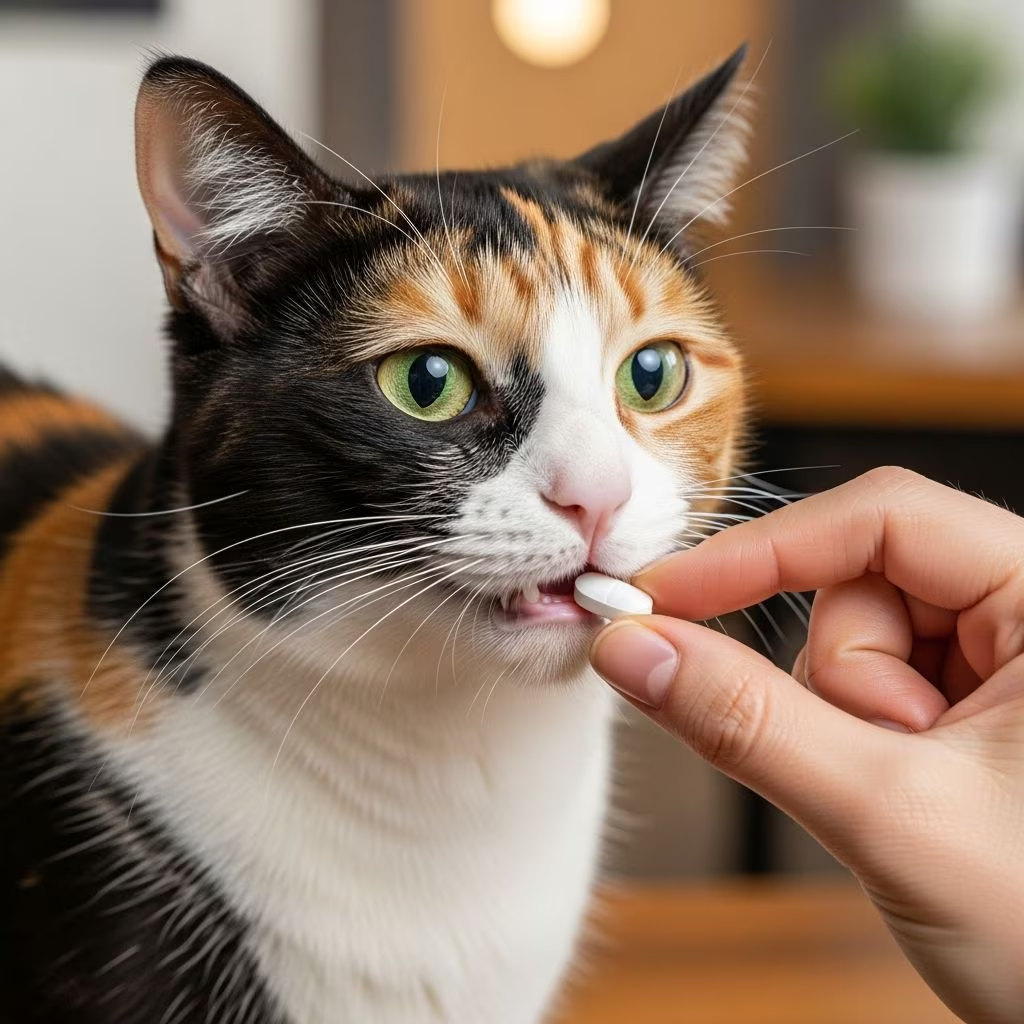
How to Give Your Cat Medication: Expert Tips and Techniques
Administering medication to your feline companion can be challenging, but with the right approach and techniques, you can make the process smoother for both you and your cat. Whether your veterinarian has prescribed tablets, liquid medication, or capsules, understanding the best methods to deliver these treatments is essential for your cat’s health and well-being. This comprehensive guide will walk you through various strategies to give your cat medication effectively while minimizing stress.
Understanding Your Medication Options
Before administering any medication, it’s crucial to understand the type of medication your cat needs and how it should be given. Different medications have different requirements, and some cannot be given with food or mixed with certain substances. Always consult with your veterinary team about the specific requirements of your cat’s medication before attempting to administer it.
The three primary types of medications you may need to give your cat are tablets, liquid medications, and capsules. Each type requires slightly different administration techniques, and understanding these differences will help you choose the most appropriate method for your situation.
Preparing Your Environment
Creating a calm environment is one of the most important steps in successfully administering medication to your cat. Find a quiet, secluded area in your home where you can work without distractions. This helps reduce your cat’s stress and makes the process quicker and more efficient.
Before you begin, gather all necessary supplies and have them within arm’s reach. This includes the medication itself, any tools you’ll need (syringes, pill givers, or droppers), treats, and a towel if needed. Never restrain your cat before you’re completely ready, as this will only increase their anxiety.
If your cat is stressed or uncomfortable, consider waiting until it’s calm and relaxed. A stressed cat is more likely to resist medication administration and may cause injury to itself or you during the process.
Method 1: Hiding Medication in Food
One of the easiest and least stressful methods of administering medication is hiding it in your cat’s food, provided your veterinarian approves this approach. Some medications must be taken with food, while others should be given on an empty stomach, so always check with your vet first.
Tips for Successfully Hiding Medication in Food:
- Make your cat hungry: Remove all food for 12 hours (if appropriate) before administering medication to ensure your cat will eagerly consume the medicated food.
- Use small portions: Mix the medication into a small amount of wet food that you feed by hand rather than a full bowl, ensuring your cat consumes all the medication.
- Choose appealing treats: Use canned food, liquid treats, or other foods your cat particularly enjoys.
- Crush tablets carefully: If appropriate, crush the tablet and mix it with a liquid treat. Some cats readily accept this method.
- Try alternative mixing methods: Crushed tablets can be mixed with a small amount of water or oil (such as tuna in spring water) and drawn up into a syringe without a needle, then gently dribbled into the side of your cat’s mouth.
Method 2: Direct Oral Administration of Tablets
When hiding medication in food isn’t possible or effective, direct oral administration becomes necessary. This method requires proper technique to ensure the tablet reaches the back of your cat’s tongue where it’s difficult for them to spit out.
Step-by-Step Guide to Administering Tablets:
- Prepare your cat: Gently restrain your cat using one hand, approaching from the side rather than from above, which is less threatening.
- Hold the tablet properly: Hold the tablet between your thumb and forefinger in one hand.
- Position your cat’s head: Place your other hand on top of your cat’s head and hold their head gently but firmly between your thumb and fingers. Extend your thumb and forefinger downward to either side of their jaw.
- Open the mouth: Gently tilt your cat’s head upward and use the middle finger of the hand holding the tablet to pull the lower jaw down and open their mouth.
- Place the tablet: Quickly place or drop the tablet as far back on your cat’s tongue as possible. Aim for the center of the tongue as far back as you can see—the further back the tablet goes, the harder it is for your cat to do anything other than swallow it.
- Encourage swallowing: Hold your cat’s jaw closed for a few seconds and wait for them to swallow. Gently rubbing their throat under the chin may help.
- Confirm swallowing: If your cat licks their lips or nose, you know they’ve swallowed the medication.
- Follow with a treat: Give your cat a small treat or water after the medication, as some medications can irritate the esophagus.
Method 3: Using a Pill Giver Device
A pill giver is a helpful tool that can make administering tablets safer and easier for both you and your cat. This device holds the tablet securely and releases it at the back of your cat’s tongue with minimal handling.
How to Use a Pill Giver:
- Load the tablet or capsule into the soft nozzle at the end of the pill giver before restraining your cat.
- Make sure the plunger is just in contact with the tablet to make it as easy as possible to release.
- Restrain your cat as described in the direct administration method.
- Insert the pill giver into your cat’s mouth and depress the plunger to release the tablet at the back of the tongue.
Method 4: Administering Liquid Medication
Liquid medications offer an alternative to tablets and can sometimes be easier to administer. However, they require a slightly different approach to ensure your cat receives the full dose.
Preparation Steps:
- Gently shake or mix the liquid medication as indicated on the label.
- Draw up the appropriate amount of liquid into a syringe or dropper according to dosage instructions.
- If the medication was refrigerated, hold the syringe in your hand for 1–2 minutes to warm it up or place it in a warm water bath. Do not microwave the medication.
Administration Steps:
- Hold your cat in your lap and place the medication within reach.
- Massage or cuddle your cat to help them relax.
- You may wrap your cat in a blanket or towel with only the head exposed, and consider having another person gently hold the wrapped cat while you administer the medication.
- Hold the syringe or dropper with your dominant hand.
- If your cat likes the taste, you can let them lick the medication from the tip of the syringe as you slowly depress the plunger.
- Gently insert the syringe or dropper into the side of your cat’s mouth, behind the last upper molar.
- Slowly squeeze the syringe to dispense the liquid medication, allowing the cat time to swallow and breathe.
- Most cats will spit out some medication; do not re-medicate unless you’re certain none was swallowed.
- You may follow the medication with water to encourage drinking or to help with taste issues.
- Rinse the dropper or syringe thoroughly with water and refrigerate any remaining medication.
Method 5: Capsule Administration Techniques
Capsules can sometimes be easier to administer than tablets due to their shape, and they offer additional flexibility in how they can be given to your cat.
Capsule Administration Options:
- Whole capsule method: Administer the capsule whole using the same technique as tablets, as far back on the tongue as possible.
- Lubricating the capsule: A small smear of butter or similar lubricant on the capsule can make it easier to administer and swallow.
- Splitting the capsule: The two halves of a gelatin capsule can be pulled apart, with pieces of tablet placed inside, then the two halves put back together. Always check with your vet before splitting capsules.
- Pill giver use: Capsules can be administered by hand or with a pill giver device.
Topical Medication Administration
For topical medications such as spot-on treatments applied to the back of the neck, proper application is essential to ensure effectiveness.
Steps for Applying Topical Medications:
- Part the fur high on the back of the neck to apply the product.
- Avoid applying too low, as your cat may be able to reach the area to lick it off.
- Distract your cat with a treat or favorite food.
- Have another person gently hold your cat so you can focus on applying the product.
Important Tips for Success
- Stay calm and confident: Cats are perceptive and can sense your anxiety. Approach the task with confidence and calm energy.
- Move quickly but gently: Restrain your cat only when you’re completely ready, and work as quickly as possible without being rough.
- Use the right tools: Invest in appropriate equipment such as pill crushers, syringes, or pill givers to make administration easier.
- Consider your cat’s personality: Some cats respond better to certain methods than others. Work with your cat’s natural tendencies.
- Seek professional help if needed: If you have problems administering medication or your cat gets upset, contact your veterinary team for guidance.
- Use a towel restraint if necessary: Wrapping your cat in a towel with only the head exposed can help during administration and protect you from scratches.
Common Challenges and Solutions
Many cat owners encounter specific challenges when administering medication. Understanding how to address these issues will help you overcome obstacles:
- Your cat refuses to eat medicated food: Try different food options, or switch to direct oral administration methods.
- Your cat spits out the tablet: If your cat is not distressed, you can try repeating the procedure. A pill giver device may help prevent this issue.
- Your cat becomes very stressed: Take a break and try again later when your cat is calmer. Stress can be counterproductive and may cause injury.
- Liquid medication causes foaming at the mouth: This is a normal reaction to the taste. Follow up with water or encourage your cat to drink to help rinse away the taste.
- You’re unsure if your cat swallowed medication: Contact your veterinarian for guidance on whether to re-administer the dose.
Post-Medication Care
After administering medication, monitor your cat for any adverse reactions or signs of discomfort. Some medications may cause side effects, and it’s important to report these to your veterinarian. Additionally, keep detailed records of when medications were given to ensure you don’t miss doses.
Frequently Asked Questions
Q: Can I crush all types of tablets before giving them to my cat?
A: No, not all tablets can be crushed. Some medications are formulated to be absorbed slowly or have special coatings that help protect the stomach. Always ask your veterinarian before crushing any medication.
Q: What should I do if my cat refuses to take medication mixed with food?
A: If your cat refuses medicated food, try using different foods they particularly enjoy, or switch to direct oral administration methods such as pills on the tongue or liquid medication delivered via syringe.
Q: Is it normal for cats to spit out some liquid medication?
A: Yes, many cats will spit out some medication. However, do not re-medicate unless you are certain that none of the medication was swallowed.
Q: How can I tell if my cat has successfully swallowed a tablet?
A: If your cat licks their lips or nose, you can be fairly confident they’ve swallowed. You can also follow the tablet with a small amount of water or a treat to help ensure it goes down.
Q: Should I warm up cold liquid medication before giving it to my cat?
A: Yes, if medication has been refrigerated, hold the syringe in your hand for 1–2 minutes to warm it up or place it in a warm water bath. Do not microwave the medication as this can damage it.
Q: What’s the best way to restrain my cat during medication administration?
A: Approach your cat from the side rather than from above, as this is less threatening. Hold their head gently but firmly between your thumb and fingers. Wrapping your cat in a towel can also help if additional restraint is needed.
Q: Can I hide medication in my cat’s regular meals?
A: It’s better to mix medication into a small amount of food that you feed by hand rather than a full bowl of food, ensuring your cat consumes all the medication. Hiding it in regular meals may result in incomplete dosing if your cat doesn’t finish their meal.
References
- How to give a cat medication — International Cat Care. 2024. https://icatcare.org/articles/how-to-give-a-cat-medication
- How to Give a Cat Medicine: Helpful Tricks & Tips — Park Veterinary Hospital. 2024. https://parkvet.net/blog/how-to-give-a-cat-medicine/
- Giving Liquid Medication to Cats — VCA Animal Hospitals. 2024. https://vcahospitals.com/know-your-pet/giving-liquid-medication-to-cats



