

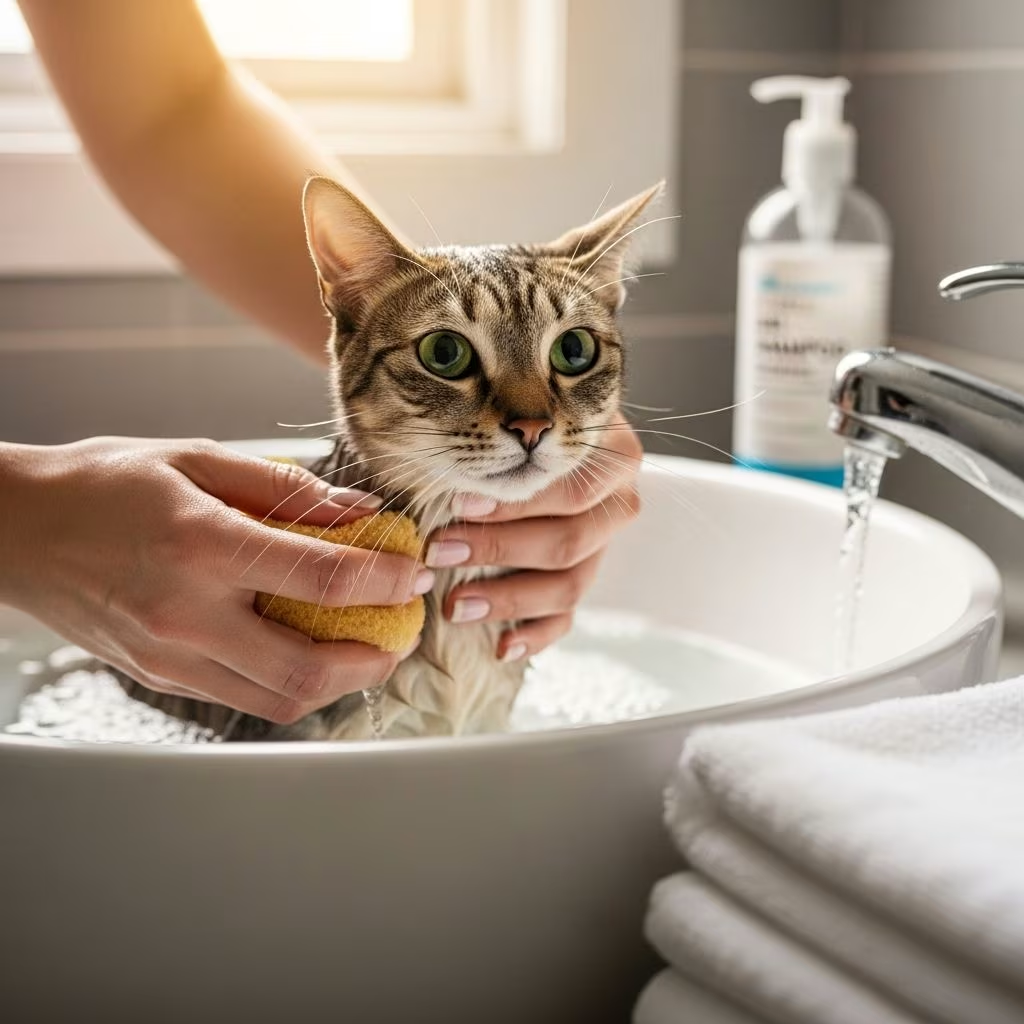
How to Give Your Cat a Bath: Safe Tips and Tricks For Stress-Free Bathtime
Bathing a cat can feel like wrangling a balloon in a windstorm, but with the right approach, preparation, and understanding of your feline friend’s needs, you can transform bathtime from a chaotic ordeal into a manageable experience. Whether your cat occasionally gets into mischief or you need to maintain their coat for health reasons, this comprehensive guide will walk you through everything you need to know about safely bathing your cat.
Do Cats Really Need Baths?
One of the most common misconceptions about cat care is that cats require regular bathing. The truth is far more reassuring for most cat owners. Unless you have a hairless breed, you likely don’t need to bathe your cat regularly—or perhaps not at all. Cats are naturally fastidious groomers and can keep themselves clean through their self-grooming behaviors, which is an instinctive part of their daily routine.
For most situations outside of emergencies, waterless shampoo or pet wipes are excellent alternatives that will keep your cat as clean as they need to be without the stress of a full bath. However, there are important exceptions to this general rule. Hairless cat breeds, such as the Sphynx, are the only cats who truly require regular bathing, typically every week to every other week. These breeds overproduce sebum on their skin, and bathing is essential for their skin health. Additionally, hairless cats need their ears and nail beds cleaned regularly, as they have no hair to prevent dirt from accumulating in these sensitive areas.
Beyond breed-specific needs, there are several situations where your cat might benefit from a bath:
- Your cat has gotten into a mess they cannot groom away on their own
- A deep clean is needed to reduce excessive shedding
- Your cat has contracted fleas or other parasites requiring medicated treatment
- Your cat has dermatological skin conditions requiring medicated shampoo
- You or family members have cat allergies and need to reduce dander accumulation
Preparing for Bathtime: Essential Supplies and Setup
Before you turn on that faucet, proper preparation is crucial to ensuring a smooth bathing experience. Gathering all necessary supplies beforehand prevents you from leaving your cat unattended mid-bath and reduces stress for both of you.
Here are the essential supplies you’ll need:
- Cat-specific shampoo: Always use shampoo specially formulated for cats to avoid skin irritation and ensure their coat remains healthy
- Towels: Have several towels ready for drying your cat after the bath
- Washcloth: A soft washcloth helps you gently apply water and shampoo to your cat’s coat
- Treats: High-value treats are essential for rewarding your cat’s cooperation throughout the bathing process
- Optional items: A sprayer attachment, cup for pouring water, rubber gloves for grip and protection, and a towel or mat for the bottom of the sink or tub to prevent slipping
A sink is generally preferable to a bathtub because it’s easier to contain your cat in a smaller space. If you have access to a sprayer attachment, this will make the rinsing process considerably easier, though you can also use a cup to pour water over your cat if a sprayer isn’t available.
Before you even lure your cat into the bathroom, ensure all supplies are within arm’s reach. If your cat has long hair, brush any loose hair and debris from their coat before bathing to prevent matting and tangling during the bath.
Running the Bath: Water Temperature and Setup
Water temperature is critically important for your cat’s comfort and safety. The bath water should be comfortably warm, similar to what you would use for a baby. Test the water with your wrist or elbow to ensure it’s not too hot, and avoid temperature extremes to prevent scalding or discomfort that could cause your cat to panic or fear future baths.
For the actual bath setup, fill your sink or tub with approximately three to four inches of warm water. If you’re using a bathtub, lay a towel down on the bottom so your cat doesn’t slip around in the slippery environment. You can prepare a soapy bath by squirting shampoo directly into the water and mixing it until bubbly, or you can apply the shampoo directly to your cat during the bathing process—whichever approach feels more manageable to you.
Gently place your cat into the prepared sink or tub and maintain at least one hand on them at all times. Your cat may vocalize loudly—yowling like they’re being tortured—but this is normal feline behavior and doesn’t necessarily indicate genuine distress. Stay calm and maintain your gentle approach throughout the process.
Lathering and Rinsing: Step-by-Step Process
Once your cat is in the water, slowly pour small amounts of warm water over them using a cup or sprayer, starting from the neck and working your way down their body. Wet their entire coat gradually, and once they’re sufficiently wet, begin lathering them with shampoo. Add additional shampoo as necessary to ensure thorough coverage of their coat.
The key to successful lathering is gentle, consistent movement without aggressive scrubbing. Work the shampoo into their coat using your hands or a washcloth, being especially careful around sensitive areas like the face, ears, and belly. Throughout this entire process, consistently reward your cat with treats and praise to build positive associations with bathtime.
When it comes time to rinse, restart the bath water to ensure you have clean, fresh water for rinsing. Using a cup, slowly pour fresh water over your cat to rinse out all the shampoo. This step is crucial because leftover shampoo can irritate your cat’s skin and make their coat feel greasy or uncomfortable. Continue rinsing until all soap residue is completely removed from their coat.
Handling and Restraint: Minimizing Fear and Aggression
One of the most critical aspects of successful cat bathing is understanding how to handle your cat without increasing fear, stress, or aggression. To reduce stress during the bathing process, avoid manhandling, scruffing, or using forceful restraint on your cat. Scruffing and rough handling can significantly increase fear and aggression, causing your cat to panic and struggle even more intensely.
Instead, practice gentle control using the least amount of restraint necessary. Keep one hand on your cat at all times, but use a calm, reassuring touch rather than a firm grip. If your cat is particularly resistant or anxious about bathing, having a helper present can make the process easier. Your assistant can help hold your cat gently while you focus on the bathing itself, distributing the responsibility and making the experience less overwhelming for everyone involved.
Additionally, take steps to protect yourself during the bathing process. Some cats will redirect their fear and panic onto their owners through scratching or biting. Wearing rubber gloves will help you maintain a good grip in the soapy water while also protecting your hands and arms from scratches. A long-sleeved shirt provides additional protection if your cat becomes particularly panicked.
Drying Your Cat: The Final Step
After the bath is complete, the drying process is just as important as the bathing itself. Blot as much water as you can from your cat using towels, but avoid rubbing the towel around, especially if you have a long-haired cat, as this can cause tangling and matting. Instead, wipe in the direction the hair grows, gently squeezing your cat to absorb moisture from their coat.
Pay close attention to areas that tend to stay wet longer, such as under the chin, between the hind legs, and in the belly area. The drying process should be thorough to prevent your cat from developing skin irritation from prolonged moisture. Some cats may benefit from being dried in a warm room away from drafts, as they can become chilled quickly after bathing.
Additional Tips for Successful Cat Bathing
Making bathtime as stress-free as possible is the ultimate goal. Follow these evidence-based tips to transform your cat’s next bath into a calming experience rather than a chaotic catastrophe:
- Start bathing them young: Kittens between 8 and 12 weeks old can begin experiencing baths safely with warm water and gentle handling. Early exposure helps them acclimate to water
- Gradually introduce them to water: Don’t jump straight into a full bath. Let your kitten play with water in a shallow dish, wet their paws gently, and build positive associations gradually
- Give lots of praise and treats: Reward your cat throughout the entire bathing process, not just at the end, to reinforce positive associations
- Consider clicker training: Clicker training for cats can reward good behavior and create positive connections with bath-related activities
- Don’t use forceful restraint: Gentle handling is always preferable to force, as it builds trust and reduces fear
- Keep water comfortably warm: Temperature regulation is essential for your cat’s comfort and willingness to tolerate bathing
- Get a buddy to help: Having a second person present makes the process significantly easier and less stressful
- Stay calm—your cat can sense your stress: Cats are remarkably perceptive animals and will pick up on your anxiety or frustration, amplifying their own stress levels
- Create a calm environment: Dim the lights, eliminate loud noises and distractions, and maintain a quiet, peaceful atmosphere
- Use gentle, cat-specific products: Specialized shampoos prevent skin irritation and ensure your cat’s coat remains healthy
Not All Cats Hate Water
Contrary to popular belief, not all cats hate water or bathing. While it’s true that most cats are hesitant about water initially, some breeds naturally enjoy aquatic environments. Maine Coons and Turkish Vans, for example, have water-resistant coats and often enjoy playing in water. Individual personalities play an enormous role in determining whether a cat will tolerate or even enjoy bathing.
With gentle introduction and consistent positive reinforcement, many cats can learn to tolerate water or even develop a genuine fondness for it. Some cats have even been known to voluntarily play in bathtubs or enjoy supervised swimming. The key is understanding your individual cat’s preferences and respecting their comfort level throughout the entire process. Never force a cat into bathing if they show extreme signs of distress, and always prioritize their emotional wellbeing over achieving a perfectly clean coat.
Monitoring Your Cat’s Response to Bathing
After bathing your cat, pay close attention to the effects that bathing or playing in water has on them individually. If bathing creates dry, irritated skin, you should cut back on bathing frequency or consider switching to gentler products. Additionally, if getting water in your cat’s ears leads to ear infections, that’s a strong indication that you should discontinue regular bathing and explore alternative cleaning methods like waterless shampoos or pet wipes instead.
Every cat is unique, and what works for one cat may not work for another. By observing your cat’s individual responses and adjusting your approach accordingly, you can ensure that any necessary bathing contributes positively to their overall health and wellbeing rather than causing additional problems.
Frequently Asked Questions
Q: At what age can I start bathing my kitten?
A: Kittens between 8 and 12 weeks old can safely be bathed using warm (not hot) water, kept brief, and with very gentle handling. Always use kitten-safe products and never force a frightened kitten into the bath.
Q: How often should I bathe my cat?
A: Most cats don’t need regular baths. Only bathe them when necessary, such as when they get into something messy or have fleas. Hairless breeds like Sphynx cats are the exception, requiring bathing every week to every other week.
Q: What should I do if my cat gets into a harmful substance?
A: If your kitten gets into harmful substances like paint or chemicals, rinse them immediately with lukewarm water and contact your veterinarian for guidance on further treatment or decontamination.
Q: How can I make my cat less afraid of water?
A: Gradually introduce your cat to water by letting them play in shallow water dishes, wetting their paws gently, and using positive reinforcement with treats and praise. Start when they’re young if possible, and never force them into situations that cause extreme distress.
Q: What’s the ideal water temperature for bathing a cat?
A: Use comfortably warm water, similar to what you’d use for a baby. Test it with your wrist or elbow to ensure it’s not too hot and avoid temperature extremes that could cause scalding or discomfort.
Q: Are there alternatives to bathing my cat?
A: Yes. Waterless shampoos and pet wipes are excellent alternatives for most cats. These products can keep your cat clean without the stress of a full bath, unless your cat requires regular bathing for medical or breed-specific reasons.
Q: Can bathing cause skin problems in cats?
A: Yes, for some cats, frequent bathing can cause dry, irritated skin. If you notice this happening, reduce bathing frequency. Additionally, if water in the ears leads to ear infections, discontinue regular bathing and use alternative cleaning methods.
References
- How to Give Your Cat a Bath: Tips and Tricks For a Safe Bathtime — Kinship. 2025. https://www.kinship.com/cat-health/cat-bath-self-care
- How to Bathe Your Cat — Kinship. 2025. https://www.kinship.com/uk/cat-health/cat-bath
- Can You Bathe Your Kitten? A Step-By-Step Guide — Kinship. 2025. https://www.kinship.com/cat-health/how-to-bathe-kitten
- Tips for a Drama-Free Cat Bath — Adobe Vet Center. 2025. https://adobevetcenter.com/tips-for-a-drama-free-cat-bath-cat-health-month/
- Cat Bath Time Survival Guide — Hot Springs Animal Hospital. 2025. https://hotspringsvet.com/cat-bath-time-survival-guide/



