

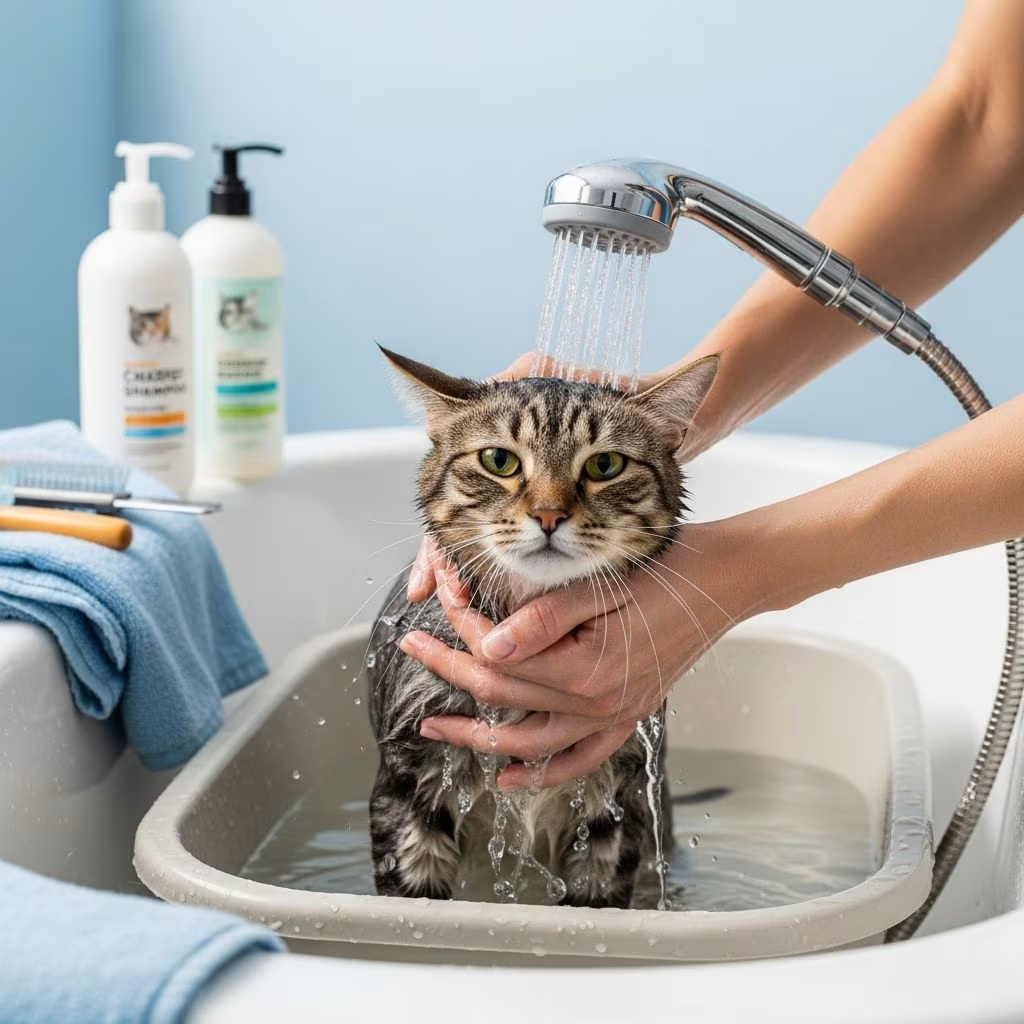
How to Give Your Cat a Bath: Expert Tips and Techniques
Bathing a cat can be a challenging task for many pet owners, as most felines are naturally averse to water and prefer to groom themselves. However, there are situations where a bath becomes necessary—whether your cat has gotten exceptionally dirty, has a skin condition requiring medicated shampoo, or is elderly and no longer grooming effectively. The key to a successful cat bathing experience lies in preparation, patience, and understanding your cat’s unique temperament. With the right approach and professional guidance, you can transform bath time from a stressful ordeal into a manageable and even positive experience for both you and your furry companion.
Why Do Cats Need Baths?
The reality is that most cats do not require regular baths. Cats are meticulous self-groomers and spend a significant portion of their day maintaining their coat and skin. However, there are legitimate reasons to bathe your cat. Elderly cats may lose the ability or motivation to groom themselves properly, leaving their coat matted or soiled. Cats with certain skin conditions often benefit from medicated baths prescribed by veterinarians as part of their treatment plan. Additionally, if your cat has encountered something particularly sticky, dirty, or potentially toxic, a bath becomes necessary for their health and safety. Before bathing your cat, consult with your veterinarian to determine the appropriate frequency and discuss which shampoo is best suited for your individual pet’s needs.
Essential Supplies for Cat Bathing
Successful cat bathing begins with gathering all necessary supplies before bringing your cat into the bathroom. Preparation prevents delays and keeps the process moving smoothly, reducing your cat’s stress and anxiety during the experience.
- Cat-Specific Shampoo: Never use human shampoo or dog shampoo on your cat. Feline skin has a different pH balance than human or canine skin, and inappropriate shampoos can cause irritation, dryness, and discomfort. Cat-specific formulas are specially designed to maintain the natural balance of your cat’s skin and coat. Some shampoos are formulated for specific purposes, such as treating skin conditions or soothing sensitive skin.
- Non-Slip Mat: Place a non-slip mat or towel on the bottom of your sink or bathtub. Cats are prone to panic when they feel unstable, and a secure surface gives them confidence and reduces their likelihood of attempting to escape. This simple addition can significantly improve your cat’s sense of security during the bath.
- Towels: Have at least two towels on hand—one to place in the bathing area for traction and another for drying your cat afterward. Use soft, absorbent towels to gently wrap and dry your pet after the bath.
- Water Delivery System: A handheld shower sprayer, cup, or pitcher is essential for wetting and rinsing your cat. A sprayer offers the most control and allows you to avoid creating puddles that might frighten your cat. If you don’t have a sprayer, a simple cup works perfectly well.
- Gentle Brush: Brushing your cat before the bath removes loose fur, mats, and tangles, making the bathing process more effective and comfortable. Choose a brush appropriate for your cat’s coat type—short-haired cats benefit from rubber or bristle brushes, while long-haired cats are better served by slicker brushes or metal combs.
- Nail Clippers: Trim your cat’s nails a few hours or a day before bathing to minimize the risk of scratches during the bath. Reward your cat with treats after nail trimming to create a positive association with this activity.
- Treats: Have an abundant supply of your cat’s favorite treats nearby. Treats serve as positive reinforcement throughout the bathing process and help your cat remain calm and cooperative.
Preparing Your Cat for a Successful Bath
Preparation extends beyond gathering supplies. Properly acclimating your cat to the bathing environment and creating the right conditions significantly impacts the success of bath time.
Choose the Right Time and Environment
Select a time when your cat is naturally relaxed and calm—never attempt to bathe a cat that is already agitated or hyperactive. Choose a quiet moment when your cat is in a peaceful mood. The bathroom environment should be calm and minimize external disturbances. Close doors to prevent escape and reduce noise from household activity. Dimming the lights and playing soft, soothing music can further reduce your cat’s anxiety. If possible, ensure the water temperature is appropriate before bringing your cat into the bathroom, as the sound of running water can startle anxious cats.
Acclimate Your Cat to the Bathroom
In the days leading up to the bath, bring your cat into the bathroom for short, positive visits. Allow your cat to explore the space, play in the dry tub or sink, and become familiar with the environment. This gradual acclimation reduces the shock factor when bath time arrives. Offer treats and praise during these exploratory visits to create a positive association with the bathroom space.
Brush and Trim Nails
Thoroughly brush your cat’s coat to remove knots, tangles, and loose fur. This step makes the bathing process smoother and more comfortable for your pet, as matted or tangled fur becomes increasingly difficult to manage when wet. Trim your cat’s nails a few hours or a day before the bath. Shorter nails reduce the risk of your cat scratching you or damaging the tub during a moment of panic.
Step-by-Step Guide to Bathing Your Cat
Step 1: Fill the Tub or Sink with Lukewarm Water
Fill your bathtub or sink with three to four inches of lukewarm water before bringing your cat into the bathroom. Use the same water temperature you would for bathing a human baby—warm enough to be comfortable but never hot. Cats’ skin is exceptionally sensitive, and water that is too hot can cause burns or discomfort, while water that is too cold can trigger shock or intense anxiety. Test the temperature with your elbow or a thermometer to ensure it is just right. Avoid filling the tub with running water while your cat is present, as the sound and sensation of water filling can trigger panic responses.
Step 2: Gently Lower Your Cat Into the Water
Slowly and calmly lower your cat into the prepared water, using a reassuring voice throughout the process. Some cats respond well to being submerged gradually, while others prefer to remain standing in shallow water. Speak in soothing, gentle tones and maintain a calm demeanor—your cat will pick up on your energy and anxiety levels. If your cat shows extreme distress, you can immediately remove them from the water and try again on another day with a smaller amount of water or a shorter session.
Step 3: Wet Your Cat From Ears Back
Using your sprayer, cup, or hand, wet your cat’s body starting from behind the ears and working toward the tail. Wet the sides, back, underside, and legs thoroughly. To wet the underside, you may need to carefully lift your cat’s front legs with one hand while pouring water with the other. Avoid getting water on your cat’s head, particularly in the ears, eyes, and nose. Excess moisture in the ears can lead to ear infections, and water in the eyes or nose is extremely uncomfortable for cats and can trigger panic.
Step 4: Apply Shampoo and Lather
Follow the instructions on your chosen shampoo bottle carefully, as some formulas require dilution before use. Apply the shampoo starting at your cat’s neck and working downward to the tail, paying special attention to areas that tend to get dirty, such as the genital region, armpits, and between the toes. Lather the shampoo gently throughout the body, using a massage motion to work the product into the fur and down to the skin. Do not apply shampoo to your cat’s head or face; these sensitive areas should be cleaned separately if necessary using a damp cloth without shampoo.
Step 5: Rinse Thoroughly
Rinse all shampoo from your cat’s body using clean, lukewarm water. Pay particular attention to areas prone to shampoo buildup, such as the armpits, groin area, and between the toes. Residual shampoo left on the skin can cause irritation, itching, and discomfort. If your cat’s coat is particularly dirty or matted, you may need to apply shampoo a second time. After the second application, rinse even more thoroughly to ensure complete removal of all shampoo residue. Incomplete rinsing is a common mistake that leads to post-bath skin irritation.
Step 6: Clean the Head (Optional)
If your cat’s head requires cleaning, use a damp cloth or cotton ball with a small amount of water and shampoo. Carefully wipe the face and ears, ensuring no water or shampoo enters the eyes, nose, or ear canal. Many cats can be bathed without wetting their head, which is often preferable as facial washing tends to trigger the most resistance.
Step 7: Dry Your Cat
Gently lift your cat from the tub and wrap them in a soft, absorbent towel. Some cats tolerate brief sessions with a pet-safe blow dryer on the lowest heat setting, but most prefer air drying combined with towel drying. Pat your cat gently to remove excess water—never rub vigorously, as this can tangle the fur. Keep your cat in a warm, draft-free area until they are completely dry, as wet cats can develop chills.
Managing a Cat That Hates Water
Some cats have an extreme aversion to water that makes bathing particularly challenging. If your cat falls into this category, take a gradual, patient approach using positive reinforcement and clicker training.
Begin by introducing your cat to water in the smallest possible increments. Start with a shallow basin containing just an inch or two of lukewarm water. Encourage your cat to explore by placing their paws in the water while offering treats and praise. Never force your cat into deeper water before they are ready. Over several days or weeks, gradually increase the depth and duration of water exposure, always prioritizing your cat’s comfort and emotional safety.
Practice clicker training to create a positive association with bath-related cues. Click and reward your cat when they approach the bathtub, place their paws in water, or tolerate being sprayed. This operant conditioning approach helps your cat learn that water-related activities lead to rewards and praise. Patience is absolutely paramount; rushing the process or using force will only intensify your cat’s water phobia and make future baths exponentially more difficult.
Post-Bath Care and Considerations
After your cat has been bathed, continue offering praise and treats to reinforce the positive aspects of the experience. Allow your cat to groom themselves as they dry, which is a natural behavior that helps them regain a sense of control and normalcy after a stressful event. Some cats may want to be left alone for a while after bathing, and this is completely normal. Provide a quiet, warm space where your cat can relax undisturbed.
Monitor your cat’s skin and coat in the days following the bath. Healthy skin should not appear red, flaky, or irritated. If you notice any signs of discomfort, excessive itching, or skin problems, contact your veterinarian, as these may indicate an allergic reaction to the shampoo or an underlying skin condition.
Frequently Asked Questions
Q: How often should I bathe my cat?
A: Most cats do not require regular baths and self-groom effectively. Consult your veterinarian to determine the appropriate bathing frequency for your cat based on their age, health, and specific needs. Some cats may never need a bath, while others with skin conditions might benefit from medicated baths monthly or as prescribed.
Q: Is it OK to never bathe my cat?
A: Yes, it is absolutely acceptable to never bathe a cat if they maintain their coat through self-grooming and have no medical conditions requiring medicated baths. However, elderly cats or those with mobility issues may eventually require assistance with grooming and occasional baths.
Q: What shampoo should I use for my cat?
A: Always use a cat-specific shampoo formulated for feline skin pH. Never use human or dog shampoo. If your cat has skin conditions, allergies, or sensitive skin, ask your veterinarian to recommend an appropriate product. Some therapeutic shampoos require a prescription.
Q: Can I use a blow dryer on my cat?
A: Most cats do not tolerate blow dryers well. If you choose to use one, select a pet-safe dryer on the lowest heat setting and keep it at a safe distance. Many cats prefer natural air drying combined with gentle towel drying.
Q: What should I do if my cat gets water in their ears?
A: Excess water in the ears can cause infections. If water enters your cat’s ears, use a clean, dry cotton ball to gently remove moisture from the outer ear only—never insert anything into the ear canal. Contact your veterinarian if your cat develops an ear infection following a bath.
Q: How can I prevent my cat from scratching me during a bath?
A: Trim your cat’s nails before bathing and keep your cat facing forward when possible, as this positioning makes it harder for them to scratch. Having an assistant hold the cat while you wash can also reduce the risk of scratches.
Conclusion
Bathing a cat requires patience, preparation, and a deep understanding of feline behavior and needs. While most cats are excellent self-groomers and do not require regular baths, situations arise where bathing becomes necessary for health and hygiene reasons. By gathering appropriate supplies, creating a calm environment, following a step-by-step approach, and offering positive reinforcement throughout the process, you can successfully bathe your cat while minimizing stress for both of you. Remember that every cat is unique; what works for one cat may not work for another. Adjust your approach based on your individual cat’s temperament and tolerance level. When in doubt, consult your veterinarian for personalized advice tailored to your cat’s specific needs and circumstances.
References
- How to Bathe a Cat: Step-by-Step Tips From a Professional Groomer — Chewy. 2024. https://www.chewy.com/education/cat/grooming/how-to-bathe-a-cat-step-by-step-tips-from-a-professional-groomer
- A Step-by-Step Guide on How to Clean Your Cat — Noble Vet Clinic. 2024. https://noblevetclinic.com/blog/how-to-clean-your-cat
- Essential Cat Wash Guide: Steps for a Healthy, Clean Cat — Welltayl. 2025. https://welltayl.com/blogs/news/essential-cat-wash-guide-steps-for-a-healthy-clean-cat
- The Essential Guide to Cat Bathing: Do’s and Don’ts for Happy Feline Friends — Darwin’s Pet. 2024. https://www.darwinspet.com/blogs/pet-behavior/the-essential-guide-to-cat-bathing-dos-and-donts-for-happy-feline-friends



