

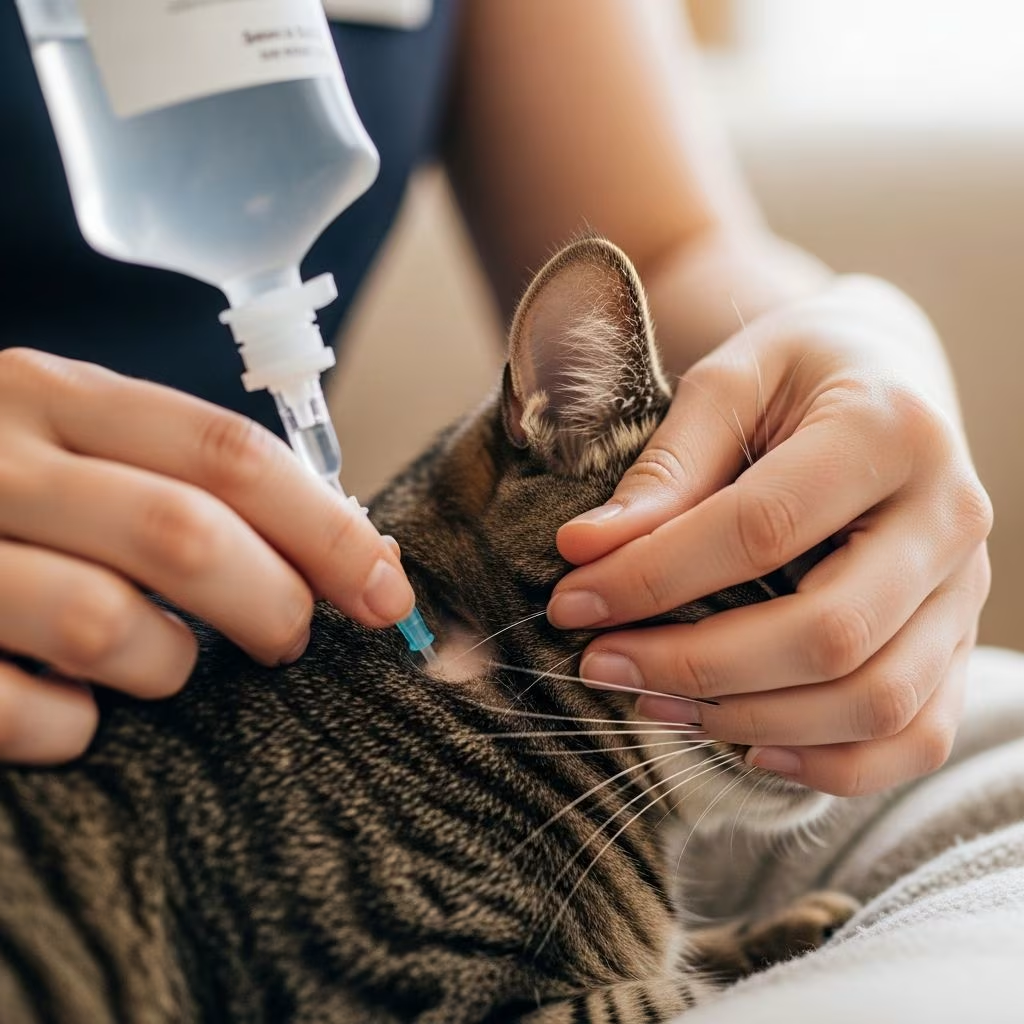
Administering subcutaneous fluids to cats is a vital skill for pet owners dealing with conditions like chronic kidney disease (CKD), dehydration, or other illnesses that impair hydration. This procedure, also known as sub-Q or SQ fluids, involves injecting fluid into the space beneath the skin where it is slowly absorbed into the bloodstream. While it may seem intimidating at first, most cats tolerate it well, and with practice, it becomes routine. Veterinary guidance is essential before starting, as your vet will prescribe the type, volume, and frequency based on your cat’s needs.
Subcutaneous fluids help maintain hydration, support kidney function, and improve quality of life. Common fluids include Lactated Ringer’s or Hartmann’s solution, provided in sterile bags. This guide mirrors proven veterinary instructions to empower you to care for your cat confidently at home.
What Are Subcutaneous Fluids?
Subcutaneous fluids are sterile electrolyte solutions delivered under the skin rather than into veins. Unlike intravenous (IV) fluids, which require professional administration, SQ fluids are absorbed gradually, making them ideal for home use. They mimic the body’s natural fluids, replenishing electrolytes lost due to illness.
Cats with CKD often need 60-100ml daily or every other day, but dosages vary by weight—typically 10-20ml per kg per site. Your vet determines the exact amount, often starting with smaller volumes to assess tolerance. Benefits include brighter eyes, increased appetite, and better energy levels in dehydrated cats.
Why Do Cats Need Subcutaneous Fluids?
Cats may require SQ fluids for dehydration from vomiting, diarrhea, kidney disease, diabetes, or hyperthyroidism. In CKD, kidneys fail to concentrate urine, leading to excessive water loss. Home administration prevents frequent vet visits, reduces stress, and stabilizes health between checkups.
Early intervention can extend life expectancy and comfort. Studies show hydrated CKD cats maintain muscle mass longer. Always monitor for signs like lethargy, dry gums, or skin tenting, and consult your vet promptly.
Supplies Needed for Subcutaneous Fluids
Gather these vet-supplied items before starting:
- Sterile fluid bag (500ml common for cats)
- Fluid administration (drip) set with tubing, roller clamp, and needle (20-25 gauge)
- Hangar or hook to suspend the bag
- Alcohol wipes (optional)
- Gloves (optional for hygiene)
- Towel or mat for comfort
- Sharps container for needle disposal
New drip sets per bag prevent contamination. Syringe methods with butterfly catheters offer control for small volumes but are less common for cats.
Preparation Steps
Proper setup ensures safety and ease:
- Unpack supplies: Remove fluid bag and drip set from packaging in a clean area.
- Close line lock: Slide the roller clamp to pinch tubing shut.
- Attach drip set: Insert spiked end into bag’s exit port firmly to avoid leaks.
- Prime the set: Squeeze drip chamber bulb half-full, then open clamp to fill tubing, expelling air bubbles. Keep end sterile.
- Warm fluids: Place bag in warm (not hot) water for 10-15 minutes to body temperature. Test on wrist; cold fluids cause discomfort.
- Hang bag: Suspend 3 feet above cat’s head for gravity flow.
Inspect fluids: Discard if cloudy or discolored.
How to Give Subcutaneous Fluids to a Cat: Step-by-Step
Position comfortably—lap, table, or counter. Distract with food or pets.
- Restrain gently: Have a helper hold if needed. Calm cat with strokes.
- Choose site: Scruff of neck or flank (loose skin areas). Avoid one spot repeatedly to prevent lumps.
- Tent skin: Lift skin into a tent with thumb and finger.
- Insert needle: Horizontal, bevel up, at tent base pointing toward head. Advance 1/3 to 2/3 under skin steadily. No alcohol needed; it agitates.
- Release skin: Needle stays subcutaneous.
- Start flow: Open roller clamp fully. Fluid forms a bubble under skin.
- Monitor: Give prescribed ml (e.g., 100ml total, 50ml per site). Watch bag level.
- Stop and remove: Close clamp, pull needle quickly. Massage site for absorption.
Takes 5-10 minutes. If flow slows, reposition needle or raise bag.
Tips for Success and Comfort
- Timing: Feed during administration for distraction.
- Multiple sites: Split volume if >50-100ml to avoid swelling.
- Squirmy cats: Use scruff; point needle toward head so it slips out safely if cat moves.
- Temperature: Lukewarm fluids reduce irritation.
- Practice: Vet demo first; record sessions.
- Hygiene: Wash hands; no need to shave fur.
Common Problems and How to Fix Them
| Problem | Solution |
|---|---|
| No flow | Check clamps open, needle not kinked, bag raised. Reposition needle bevel up. |
| Leakage | Re-tent skin firmly; ensure needle subcutaneous, not through both sides. |
| Cat discomfort | Warm fluids; choose calm time. Stop if distressed, retry later. |
| Skin lump | |
| Air bubbles | Prime properly; small amounts harmless. |
Rare issues: Infection (rare with sterile technique) or resistance—consult vet.
How Often and How Much Fluid?
Vet-specific: e.g., 100ml every other day. Instructions like: “Give 50ml twice weekly.” Weigh cat; adjust as 10-20ml/kg/site. Recheck bloodwork periodically.
Frequently Asked Questions (FAQs)
Is it painful for my cat?
No, most cats feel little discomfort after initial insertion. It’s like a vaccine sting.
Can I do this alone?
Yes, with practice. Lap position works for many.
What if fluids leak out after?
Minor leaks normal; not all absorbs immediately. Massage helps.
Storage tips?
Room temp; warm before use. Refrigerate opened bags short-term, discard after 24h.
When to call vet?
No absorption, swelling, lethargy post-fluids, or flow issues.
Conclusion
Mastering subcutaneous fluids transforms cat care, offering hydration control at home. Start under vet supervision for confidence. Track progress; celebrate small wins like perkier behavior. Your dedication significantly boosts your cat’s well-being.
References
- Subcutaneous Fluid Administration in Cats — VCA Animal Hospitals. 2023. https://vcahospitals.com/know-your-pet/subcutaneous-fluid-administration-in-cats
- Giving Subcutaneous Fluids to Cats – An Owner’s Guide — Vet Professionals. 2022. https://www.vetprofessionals.com/site/downloads/free/Giving%20subcutaneous%20fluids%20to%20cats.pdf
- Subcutaneous Fluids How-To — Fairhaven Veterinary Hospital. 2024. https://fairhavenvet.com/subcutaneous-fluids-how-to/
- Subcutaneous Fluids Administration — Paws, Whiskers & Claws. 2023. https://pawswhiskersandclaws.com/general/subcutaneous-fluids-administration/



