

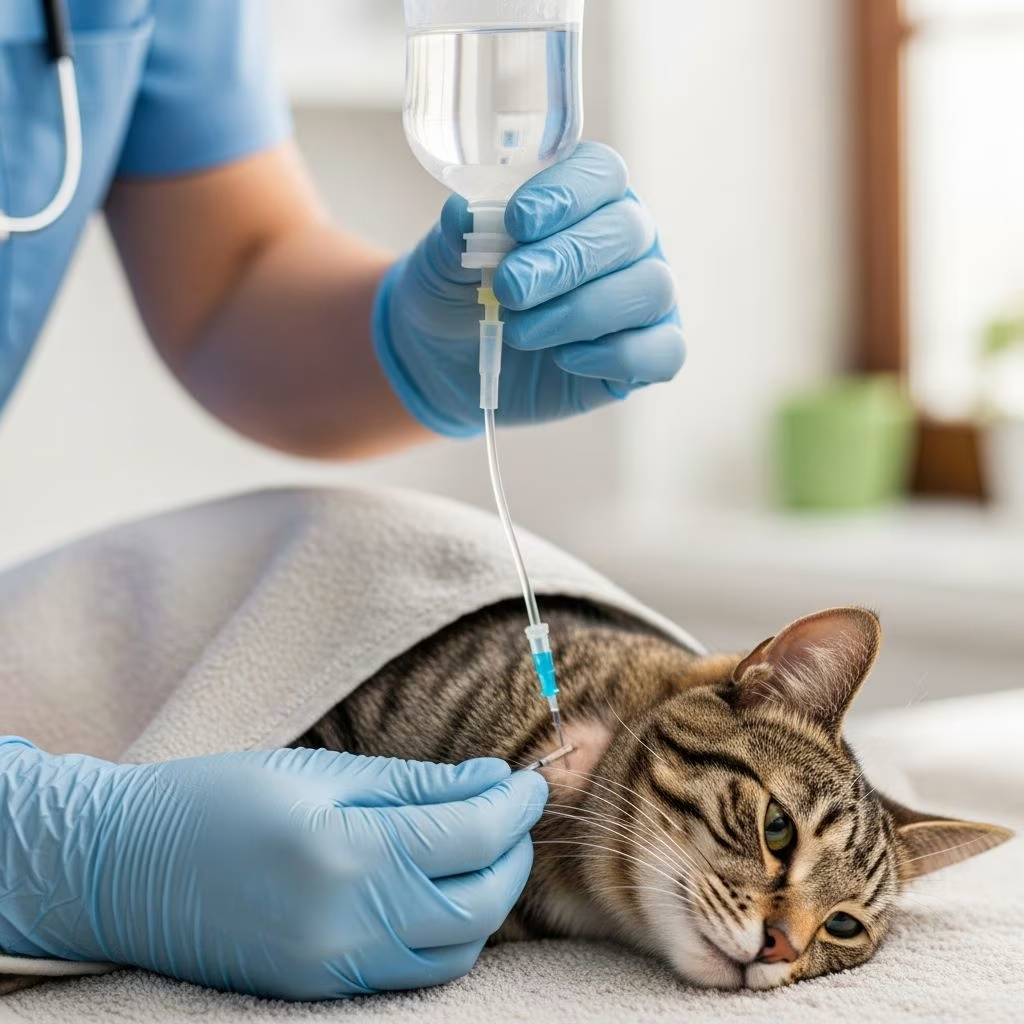
Administering **subcutaneous fluids** (SQ fluids) to your cat at home is a vital skill for managing conditions like chronic kidney disease (CKD), dehydration, or other illnesses that impair hydration. This procedure involves injecting sterile fluids under the skin, where they are slowly absorbed into the bloodstream. While it may seem daunting, most cats tolerate it well with proper technique, and veterinary guidance makes it straightforward. Learning this can improve your cat’s quality of life, reduce vet visits, and provide comfort during treatment.
Veterinarians commonly prescribe SQ fluids for cats with kidney issues, as these conditions often lead to poor appetite, vomiting, and fluid loss. The fluids—typically Lactated Ringer’s or Hartmann’s solution—help maintain electrolyte balance and hydration without the need for intravenous administration. This guide mirrors proven veterinary instructions, ensuring you can perform it safely and effectively.
Why Do Cats Need Subcutaneous Fluids?
Cats with **chronic kidney disease (CKD)**, urinary blockages, diabetes, or severe dehydration benefit from SQ fluids. Kidneys filter waste and regulate fluids; when failing, cats lose the ability to concentrate urine, leading to excessive thirst and urination. SQ therapy replenishes lost fluids, flushes toxins, and supports appetite.
- Chronic Kidney Disease (CKD): The most common reason; fluids slow progression and ease symptoms like lethargy and weight loss.
- Dehydration: From illness, heatstroke, or poor intake; quick rehydration prevents organ stress.
- Post-Surgery or Acute Illness: Aids recovery by maintaining hydration.
- Other Conditions: Hyperthyroidism, diabetes, or cancer treatments where fluid balance is crucial.
Studies and veterinary consensus show SQ fluids extend life expectancy in CKD cats by 6-12 months or more when combined with diet and medication. Always follow your vet’s dosage—typically 100-150 ml per session for an average 4-5 kg cat, 2-3 times weekly.
Gathering Supplies for Subcutaneous Fluid Administration
Your vet provides a kit including a **fluid bag** (500ml or 1L), **drip set** (tubing with clamps and roller), **needles** (20-25 gauge, 1-inch), and gloves. Additional items: clean towel, hanging hook, and sharps container.
| Item | Purpose | Tips |
|---|---|---|
| Fluid Bag (Lactated Ringer’s) | Sterile hydration solution | Warm to body temp; discard if cloudy |
| Drip Set/Tubing | Connects bag to needle | Prime to remove air bubbles |
| Needles (sterile) | Injects fluids under skin | Change per session; dispose safely |
| Hanging Stand/Hook | Suspends bag 3 ft above cat | Gravity flow essential |
| Sharps Container | Safe needle disposal | Return to vet |
Store supplies in a clean, dry area. Use new sterile components each time to prevent infection.
Preparing the Fluid Bag and Drip Set
Preparation ensures smooth flow and sterility. Work in a quiet, clean space.
- Warm the Fluids: Place bag in warm (not hot) water for 5-10 minutes. Lukewarm fluids reduce discomfort.
- Attach Drip Set: Remove protective covers from bag port and drip set spike. Firmly insert spike into bag.
- Prime the Line: Squeeze drip chamber bulb half-full, open roller clamp fully, then pinch clamp. Let fluid fill tubing, expelling air bubbles. Close clamps.
- Hang the Bag: Suspend 3 feet (1m) above your cat’s level for gravity flow.
If using syringe method (for small volumes), draw fluids directly into a 60ml syringe with butterfly catheter for precise control.
Positioning Your Cat Comfortably
Choose a familiar spot like a table, lap, or counter. Calm your cat with pets, treats, or a favorite toy. Many cats associate fluids with treats.
- Position cat standing, sitting, or lying on chest/towel.
- Support hindquarters if needed; two people help for wiggly cats.
- Avoid stress—short sessions (5-10 min) build tolerance.
Step-by-Step Guide: Inserting the Needle
The **scruff** (loose skin at neck/shoulders) is ideal; use flanks for larger volumes.
- Lift Skin Tent: Grasp skin between thumb and finger, pulling up a tent at scruff base.
- Position Needle: Hold 20-25G needle horizontal, bevel up, pointing toward head. Place at tent base.
- Insert Firmly: Slide needle forward under skin while pulling skin toward it. Advance 1/2 inch subcutaneously.
- Secure: Release skin; needle hub stays flat against skin. Tape if needed.
No blood means correct placement. If resistance or pain, withdraw and retry.
Administering the Fluids
Open roller clamp fully; fluids flow at 5-10ml/min. Monitor bag markings (e.g., from 500ml to 400ml for 100ml dose).
- Distract with food/treats; a bump forms under skin (normal, absorbs in 4-24 hours).
- Flow slow? Raise bag, reposition needle, or gently massage site.
- Multiple sites: Divide dose (e.g., 50ml scruff, 50ml flank).
Close clamps at dose end, swiftly remove needle. Praise your cat.
How Much Fluid and How Often?
Vet-determined: 10-20ml/kg per site (60-150ml total for 5kg cat), 1-7 times/week. CKD often 100ml every 2-3 days. Track in a log.
Troubleshooting Common Problems
Issues are rare with practice.
- Slow/No Flow: Check air bubbles, clamps, height; reposition needle.
- Leakage: Needle not subcutaneous; withdraw, reinsert.
- Swelling/Pain: Absorbs slowly; if hard/hot, contact vet (infection rare).
- Cat Resists: Use gloves, treats; demo at vet first.
- Overhydration: Signs: labored breathing, swelling—stop and call vet.
Cleaning Up After Fluid Administration
Wipe area with damp cloth. Place used needle in sharps container immediately. Dispose fluids/bag. Clean surfaces. Log dose/time. Return sharps to vet.
Tips for Success and Making It Stress-Free
- Practice on orange/hamster toy first.
- Associate with positives: tuna juice during session.
- Two-person team for beginners.
- Warm everything; use distraction.
- Monitor weight/appetite weekly.
Success rate high; 90% of owners master after 1-2 sessions.
Frequently Asked Questions (FAQs)
Is giving subcutaneous fluids painful for my cat?
No, tiny needles and proper technique cause minimal discomfort, like a flu shot. Most cats relax with treats.
How often should I give fluids?
Depends on condition: daily for acute, 2-3x/week for CKD. Vet specifies.
What if the fluid bump doesn’t go away?
Normal for hours; if persistent after 24h or painful, consult vet.
Can I do this alone?
Yes, with practice; start with help.
Are there risks?
Low: infection, overhydration. Sterility prevents most issues.
Syringe vs. Bag method?
Bag for volume/speed; syringe for control/small doses.
References
- Subcutaneous Fluid Administration in Cats — VCA Animal Hospitals. 2023. https://vcahospitals.com/know-your-pet/subcutaneous-fluid-administration-in-cats
- How to Give Subcutaneous Fluids to Your Cat — International Cat Care. 2024. https://icatcare.org/articles/how-to-give-subcutaneous-fluids-to-your-cat
- Giving Subcutaneous Fluids to Cats – An Owner’s Guide — Vet Professionals. 2022. https://www.vetprofessionals.com/site/downloads/free/Giving%20subcutaneous%20fluids%20to%20cats.pdf



