

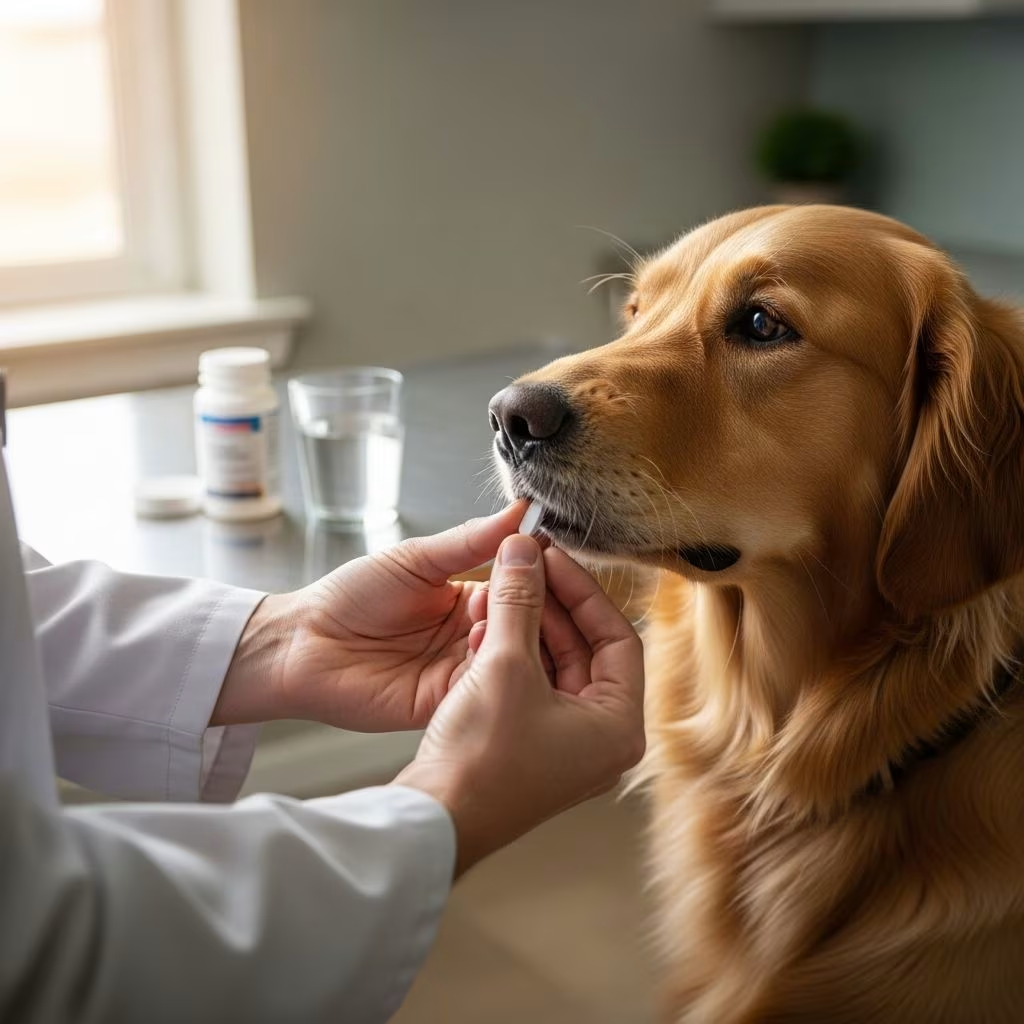
How to Give Pills to Dogs: A Comprehensive Guide to Medication Administration
Administering medication to your dog can be one of the most challenging aspects of pet care, especially when it comes to pills and tablets. Whether your veterinarian has prescribed medication for a chronic condition, acute illness, or preventative health measure, knowing how to properly give your dog a pill is essential for ensuring your pet receives the treatment they need. This comprehensive guide covers various techniques and strategies to make the process as smooth and stress-free as possible for both you and your canine companion.
The Easiest Way to Give Your Dog a Pill
The most straightforward and least stressful method for most dog owners is to hide the pill in a special treat or food item. This approach is often successful because it capitalizes on your dog’s natural instinct to eat and can make the entire process feel like a reward rather than a medical procedure. The key to success with this method is selecting the right vehicle for hiding the medication.
Best Foods and Treats for Hiding Pills
Several types of foods work particularly well for concealing dog pills:
– Specially designed pill treats such as Pill Pockets or pill wrap products- Small amounts of canned dog food with a soft, moldable texture- Soft dog treats that can be shaped around the pill- Peanut butter (in moderation)- Lunch meat rolled into a ball- Cheese pieces- Marshmallows- Cooked sweet potato- Any other appealing food your dog enjoys
When selecting a treat, consider your dog’s dietary restrictions and any foods they must avoid due to medical conditions or allergies. Always verify with your veterinarian that the food you choose is safe for your dog before using it as a pill vehicle.
Tips for Successful Treat-Based Administration
Hand-feeding the medicated treat to your dog is crucial for ensuring they actually consume the pill. Rather than mixing the medication into a large bowl of food that your dog might not finish completely, offer the treat directly to your dog by hand. This allows you to observe whether your dog swallows the pill completely. Some clever dogs may spit out the pill and leave it behind a bed, couch, or other hiding spot, so supervision immediately after administration is essential.
Timing also matters significantly. Offer the pill-containing treat when your dog is hungry, as they’re more likely to swallow it quickly without inspection. Avoid attempting to administer pills during mealtimes when your dog is already eating, as this can interfere with their normal feeding routine and may cause them to be more suspicious of their food.
Direct Pilling Technique: When Food Methods Don’t Work
If your dog consistently spits out pills, has dietary restrictions that prevent using food vehicles, or if the medication requires administration on an empty stomach, you’ll need to use the direct pilling method. This involves placing the pill directly into your dog’s mouth—a technique that requires practice, patience, and confidence.
Preparation and Mental Approach
Before you begin the direct pilling process, prepare yourself mentally and physically. Although medicating your dog may feel intimidating at first, it’s important to remain calm and confident throughout the procedure. Dogs are perceptive animals and can easily pick up on your stress and anxiety. If you’re nervous or uncertain, your dog will sense this and become more resistant to taking the pill. Take a deep breath, review the prescription label carefully to understand the dosing instructions, and approach the task with quiet confidence.
Prepare your environment by placing your dog in a safe, comfortable area where they can be easily handled. Have the pill ready and easily accessible before you begin. Never interrupt your dog during eating, drinking, grooming, or bathroom breaks to administer medication, as this can create negative associations with these normal activities.
Step-by-Step Direct Pilling Instructions
Step 1: Lubricate the Pill
Before placing the pill in your dog’s mouth, lubricate it with a soft treat or a small amount of butter. This makes the pill easier to swallow and reduces the risk of it sticking to your dog’s mouth or throat.
Step 2: Hold the Pill Properly
Hold the lubricated pill between your thumb and index finger on your dominant hand. This positioning allows for quick and precise placement when you open your dog’s mouth.
Step 3: Open Your Dog’s Mouth
With your non-dominant hand, gently grasp your dog’s muzzle from above. Place your thumb behind the canine teeth on one side of the upper jaw and position your fingers on the opposite side. This grip allows you to gently tilt your dog’s head upward and open their mouth without causing discomfort.
Step 4: Position for Swallowing Success
With your dog’s mouth open, quickly place the pill as far back over the tongue as possible, ideally beyond the hump of the tongue at the back of the mouth. Dogs are more likely to swallow pills when they’re positioned deeper in the throat. Avoid placing your hand or fingers too far back, as this may trigger a gag reflex and cause your dog to reject the pill.
Step 5: Close and Hold the Mouth
Close your dog’s mouth and hold it gently closed while you return their head to a normal position. Maintain gentle pressure for a few seconds to prevent them from immediately opening their mouth again.
Step 6: Stimulate Swallowing
Gently rub your dog’s nose or throat, or blow lightly on their nose to stimulate the swallowing reflex. Most dogs will lick their nose if they have successfully swallowed the pill, which is a good indicator that the medication has been ingested.
Step 7: Provide Positive Reinforcement
Immediately after the pill has been swallowed, give your dog enthusiastic praise, treats, petting, or playtime. Positive reinforcement creates a favorable association with the pilling process and makes subsequent administrations easier.
What to Do If Your Dog Still Won’t Swallow the Pill
If you continue to experience difficulty despite following proper techniques, several alternative options are available:
Pet Piller Device
A “pet piller” is a specialized device designed to help deliver pills to the back of your dog’s mouth. This tool can be particularly helpful for owners who struggle with the manual technique or who have difficulty controlling their dog during administration. The device holds the pill and helps position it correctly in the throat, reducing the need for manual dexterity and coordination.
Medication Compounding
If your dog is particularly anxious or fearful of being pilled, or if other methods have proven unsuccessful, contact your veterinarian about medication compounding options. Veterinary pharmacies can prepare many medications into flavored liquid formulations or treats with appealing flavors such as chicken or beef. These alternatives can make medication administration significantly easier while ensuring your dog receives their necessary treatment.
Professional Assistance
Your veterinarian may be able to demonstrate proper pilling techniques in person, or they might suggest alternative delivery methods or medications that better suit your dog’s needs. Don’t hesitate to reach out for professional guidance if you’re struggling with pill administration.
Important Considerations for Pill Administration
Supervision and Monitoring
Always supervise your dog after administering a pill, regardless of which method you use. Watch your pet for at least 10-15 minutes to ensure they haven’t hidden the pill somewhere and to confirm that the medication has been properly ingested. If your dog spits out the pill after you’ve administered it, do not re-administer unless you’re absolutely certain the medication wasn’t swallowed.
Dosing Instructions
Carefully read and follow all prescription label instructions regarding dosing, frequency, and any special administration requirements. Some medications must be given with food, while others require an empty stomach. Some should be given at specific times of day. Understanding these details is crucial for the medication’s effectiveness and your dog’s safety.
Building Positive Associations
Give plenty of praise throughout the pilling process and offer rewards afterward. This positive reinforcement helps your dog understand that taking medication isn’t something to fear and can make future administrations much easier. Many dogs will eventually anticipate their pill time if it’s consistently followed by rewards and praise.
Frequently Asked Questions
Q: How do I know if my dog has swallowed the pill?
A: The most reliable indicator is if your dog licks their nose after you’ve released their mouth and stimulated the swallowing reflex. Additionally, you should supervise your dog afterward to ensure they haven’t hidden the pill somewhere in your home.
Q: Can I crush the pill and mix it with food?
A: Not all pills can be crushed. Some medications are specially formulated as extended-release tablets or coated pills that must remain intact to work properly. Always ask your veterinarian before crushing any medication.
Q: What should I do if my dog refuses all food-based pill delivery methods?
A: You can try the direct pilling technique, use a pet piller device, or contact your veterinarian about having the medication compounded into a liquid or flavored treat formulation.
Q: How often should I practice pilling with treats before I need to give medication?
A: It’s helpful to practice with non-medicated treats beforehand so your dog becomes accustomed to the experience, making actual medication administration less stressful.
Q: Is it safe to give my dog pills without food?
A: It depends on the specific medication. Some pills should always be taken with food to prevent stomach upset, while others must be taken on an empty stomach for proper absorption. Follow your veterinarian’s specific instructions.
Conclusion
Administering pills to your dog doesn’t have to be a stressful experience for either of you. By understanding the various methods available—from hiding medication in special treats to direct pilling techniques—you can choose the approach that works best for your individual dog’s personality and needs. Remember that patience, positive reinforcement, and confidence are key to success. If you’re struggling with medication administration, don’t hesitate to consult your veterinarian for personalized guidance and alternative solutions. With practice and the right approach, pill time can become a routine part of your dog’s healthcare regimen.
References
- Giving Pills to Dogs — VCA Animal Hospitals. 2025. https://vcahospitals.com/know-your-pet/giving-pills-to-dogs
- Tips and Tricks to Give Your Pet a Pill — VCA Animal Hospitals. 2025. https://vcahospitals.com/shop/home/articles/tips-and-tricks-to-give-your-pet-a-pill
- Giving Liquid Medication to Dogs — VCA Animal Hospitals. 2025. https://vcahospitals.com/know-your-pet/giving-liquid-medication-to-dogs
- How to Give Oral Medication to Your Dog — VCA South Shore Weymouth Animal Hospital. 2020. https://www.youtube.com/watch?v=YRfb6bQjbuQ
- Has Your Dog Eaten A Bottle Of Pills? New Treatment Can Help — Texas A&M School of Veterinary Medicine & Biomedical Sciences. 2025. https://vetmed.tamu.edu/news/press-releases/has-your-dog-eaten-a-bottle-of-pills/



