

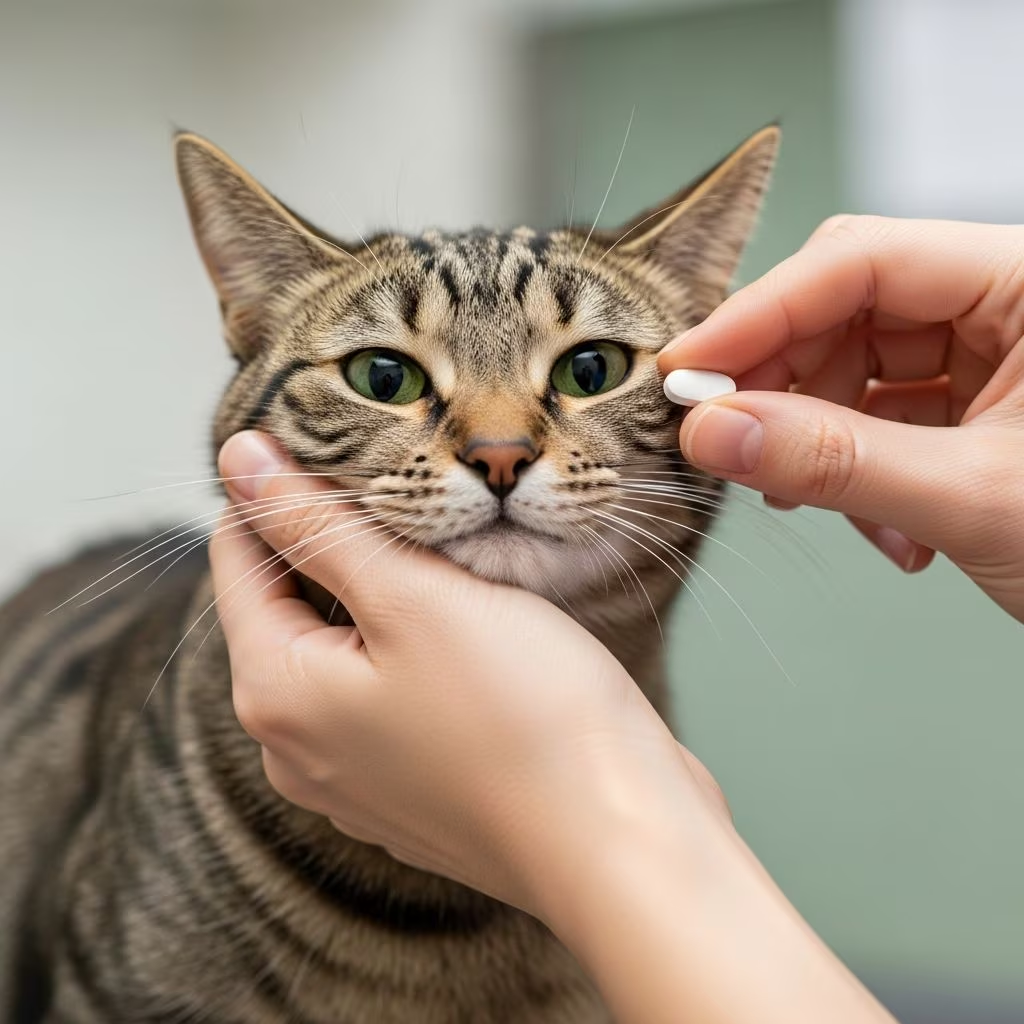
How to Give Pills to Cats: A Complete Guide
Administering medication to your feline companion can seem daunting, but with the right techniques and preparation, you can make the process easier for both you and your cat. Whether your cat needs daily medication or occasional treatment, understanding the best methods for pill administration is essential for ensuring your pet receives proper care. This comprehensive guide will walk you through the most effective strategies for giving pills to cats, from simple food-based methods to direct oral administration techniques.
Understanding Your Medication Options
Before attempting to give your cat a pill, it’s crucial to understand what you’re working with. Make sure you have carefully read the prescription label and understand the dosing instructions provided by your veterinarian. Different medications have different requirements—some can be crushed or hidden in food, while others must be given whole. Always consult with your veterinarian about whether your specific medication can be mixed with food or if it requires direct administration. This step can prevent complications and ensure your cat receives the full therapeutic benefit of the medication.
The Easiest Methods: Hiding Pills in Food
Why Food-Based Approach Works Best
The easiest way to give your cat a pill is to hide it in a small amount of wet cat food, tuna, or a soft treat that can be molded around the pill. This method works particularly well for food-motivated cats and eliminates the stress of direct handling. When using food as a delivery method, consider these important factors: your cat’s food preferences, the texture of the food, and whether the medication can be safely mixed with the specific food you choose.
Three Effective Food-Based Techniques
Mixed into Wet Food: You can add some wet food to your cat’s dish and simply mix the pill into it. However, some medications cannot be crushed or mixed with food, so verify with your veterinarian first. Pâté-style wet food works exceptionally well for this method because it’s thick enough to hold the pill in place.
Formed Wet Food “Meatballs”: Mold your cat’s wet food into a ball and insert the pill inside so that all the medication is covered. This approach ensures your cat gets the full dose without detecting the medication. The key is to make the meatball large enough to completely encase the pill while remaining small enough for your cat to swallow comfortably.
The Three-Meatball Trick: If your cat is suspicious of medicated treats, try this proven strategy: make two plain wet food meatballs and one meatball with the pill stuffed inside. Give your cat one plain meatball, followed by the pill meatball, then another plain meatball. This technique reduces your cat’s suspicion by establishing a pattern, making them less likely to detect the medication.
Pill Pocket Alternatives
Commercial pill pockets, such as Feline Greenies Pill Pockets, are specifically designed to hide pills and make administration easier. These treats are formulated with appealing flavors that most cats enjoy, and they’re shaped to easily conceal tablets. However, if your cat doesn’t respond to commercial options, soft treats like cheese, liverwurst, or small pieces of cooked chicken can serve as excellent alternatives.
Direct Oral Administration: The “Pilling” Method
When Direct Administration Is Necessary
Sometimes, a cat’s sense of smell will alert them to medication hidden inside a treat or food, and they will refuse it or eat the food but spit out the medication. In these cases, you might need to give the pill directly by mouth, a process called “pilling.” While this can be more challenging, with proper technique and confidence, you can successfully administer medication directly to your cat. Although medicating your cat can be intimidating, try to remain calm and confident, as your cat is likely to pick up on your stress.
Step-by-Step Direct Administration Process
Step 1: Prepare the Pill Lubricate the pill with a bit of butter, gravy from canned food, or a piece of a soft treat so it is easier to swallow. This simple step significantly increases the likelihood that your cat will swallow the pill rather than spit it out.
Step 2: Position Your Hand Hold the pill between the thumb and index finger on your dominant hand. Keep your hand ready and positioned so you can quickly place the pill in your cat’s mouth.
Step 3: Secure Your Cat’s Head With your other hand, gently grasp your cat’s head from above by placing your thumb on one side of the upper jaw and your fingers on the other. Some sources recommend approaching your cat from the side rather than from above, as this is less threatening for your cat. Avoid using excessive force—your goal is gentle control, not restraint.
Step 4: Tilt the Head Back Tilt your cat’s head back, pointing her nose upwards. Her jaw should drop open slightly. This positioning uses gravity to help the pill move toward the throat and makes it harder for your cat to spit out the medication.
Step 5: Open the Mouth Further With your pilling hand, use your little finger and ring finger to open your cat’s mouth further by gently putting pressure on the lower lip and front teeth. The goal is to create enough space to insert the pill far back in the mouth.
Step 6: Place the Pill Quickly place the pill as far back over the tongue as possible, then close your cat’s mouth and hold it closed while you return her head to a normal position. Try to place the pill on the back one-third of the tongue to stimulate an automatic swallowing reflex. The further back the tablet goes, the harder it is for your cat to do anything other than swallow it.
Step 7: Encourage Swallowing Gently rub your cat’s nose or throat or blow lightly on her nose to stimulate swallowing. Usually, a cat will lick its nose if it has swallowed the pill. You can also try gently massaging their neck to encourage the swallowing reflex.
Using a Pet Piller Device
For difficult cats, the best approach is to use a pet piller to administer medication. This handheld device holds the pill in a small chamber and releases it at the back of your cat’s tongue with a plunger mechanism. Here’s how to use a pet piller effectively:
Place your cat’s medication into the pet piller and set it aside. Have your assistant hold the cat tucked inside their arms, with the cat’s back against their chest. This positioning prevents your cat from backing away from you when you’re administering the medication. The assistant can gently hold your cat’s head still by placing their hands on either side of your cat’s neck.
While your assistant is holding your cat securely, gently open your cat’s mouth by tipping their head back. Place the pet piller in the back corner of the cat’s mouth and move it deeper until it reaches the base of the tongue. Push the plunger to release the pill into your cat’s mouth and make sure it is swallowed.
The Towel Wrap Technique
If your cat is particularly resistant or anxious, a towel wrap can help keep them calm and secure during medication administration. Lay a towel flat and set your cat in the middle of it, facing away from you. Encourage your cat to lie down with their legs tucked beneath them. Wrap one of the top corners of the towel around the cat’s back and tuck it near their back leg. Repeat this step for the other side of the towel but wrap the corner all the way under your cat’s body. This should leave only your cat’s head exposed. The towel wrap should be fairly snug to prevent your cat from removing any of their legs.
Alternative Administration Methods
Liquid Medications
For liquid medications, position your cat comfortably and do not tilt their head upward. Place the liquid-filled syringe just past the lower teeth and slowly squirt small amounts into the mouth, pausing between squirts to allow your cat to swallow. This method prevents liquid from going down the wrong pipe and choking.
Crushing Tablets
Some crushed tablets may be mixed with a liquid treat—some cats like that type of treat and will take the medication this way. Always check with your vet before attempting this, as it won’t be suitable for all tablets. Some crushed tablets may be mixed with a little water or oil (for example, from a tin of tuna in spring water) and then sucked up into a syringe without a needle and dribbled gently into the side of your cat’s mouth.
Using Capsules
The two halves of the gelatine capsule can be pulled apart, the pieces of tablet placed inside, and then the two halves put back together. The shape of the capsule means that it can be easier to administer, but lubricating it with a little smear of butter or something similar may also help. The capsules can be administered by hand or with a pill-giver device.
Common Challenges and Solutions
Opening Your Cat’s Mouth Safely
Do not try to open a cat’s mouth using your hands alone, as this can lead to accidental bites or scratches. Instead, insert a pet piller in the corner of your cat’s mouth and gently push it until your cat’s mouth opens. If administering by hand, use only your fingers as described in the step-by-step process above.
Dealing with Difficult Swallowing
Gently rubbing your cat’s throat after giving a pill can help them to swallow. If your cat persists in spitting out the pills or if dietary restrictions prevent you from hiding the pills in food, try putting the pill directly into your cat’s mouth, a process called “pilling”. After administering a pill, it’s quite important to actually have a little bit of food or water available for your cat, as some cats have trouble swallowing pills on their own.
When to Seek Professional Help
If your pet is struggling, distressed, or trying to bite, call your vet for help. Your veterinarian can demonstrate the pilling technique in person, provide additional medication options, or in some cases, administer the medication at the clinic if home administration proves too stressful for your cat.
Frequently Asked Questions
Q: What’s the best time to give my cat a pill?
A: Timing depends on the specific medication and your veterinarian’s instructions. Some medications should be given with food, while others should be given on an empty stomach. Follow your prescription label carefully, and if you’re unsure, contact your veterinarian for clarification.
Q: Can I crush all cat medications?
A: No, not all medications can be crushed. Some are designed to be released slowly in your cat’s system and crushing them can affect their effectiveness. Always check with your veterinarian before crushing any medication.
Q: What should I do if my cat spits out the pill?
A: If your cat spits out the pill after you’ve administered it directly to the mouth, stay calm and wait a few minutes before trying again. Offer water or a small treat to help your cat relax. If the pill was in food and your cat spat it out, try the three-meatball trick or switch to a different hiding method.
Q: How can I tell if my cat swallowed the pill?
A: Look for your cat to lick its nose—this is typically a sign that the pill has been swallowed. Additionally, if your cat licks their lips or appears to be finishing a swallow, the medication has likely gone down.
Q: Is it normal for my cat to be stressed during pill administration?
A: Some stress is normal, but excessive distress is not. If your cat becomes extremely upset or aggressive, stop the process and consult your veterinarian. They may recommend alternative forms of medication or suggest additional techniques to minimize stress.
Q: Can I use pill pockets for all types of medication?
A: While pill pockets are convenient and work well for many medications, some cats can smell through them and refuse them. Additionally, not all medications can be safely mixed with the ingredients in pill pockets. Check with your veterinarian before use.
Final Tips for Success
Successfully giving your cat a pill requires patience, preparation, and practice. Keep these final recommendations in mind: remain calm and confident throughout the process, as cats pick up on human stress; prepare all necessary materials before restraining your cat; if using food-based methods, choose high-value treats your cat loves; consider having a second person assist you, especially when using the towel wrap or pet piller method; and always follow your veterinarian’s specific instructions for your cat’s medication. With these proven techniques and strategies, you’ll be able to administer your cat’s medication effectively while minimizing stress for both you and your feline friend.
References
- How To Give a Cat a Pill: A Step-By-Step Guide — PetMD. 2025. https://www.petmd.com/cat/general-health/how-to-give-a-cat-a-pill
- Giving Your Cat Oral Medications — Cornell University College of Veterinary Medicine. 2025. https://www.vet.cornell.edu/hospitals/pharmacy/consumer-clinical-care-guidelines-animals/giving-your-cat-oral-medications
- How to give a cat medication — International Cat Care. 2025. https://icatcare.org/articles/how-to-give-a-cat-medication
- Giving Pills to Cats — VCA Animal Hospitals. 2025. https://vcahospitals.com/know-your-pet/giving-pills-to-cats
- Giving Medicine to a Cat – Cat Owners — Merck Veterinary Manual. 2025. https://www.merckvetmanual.com/cat-owners/caring-for-cats/giving-medicine-to-a-cat



