

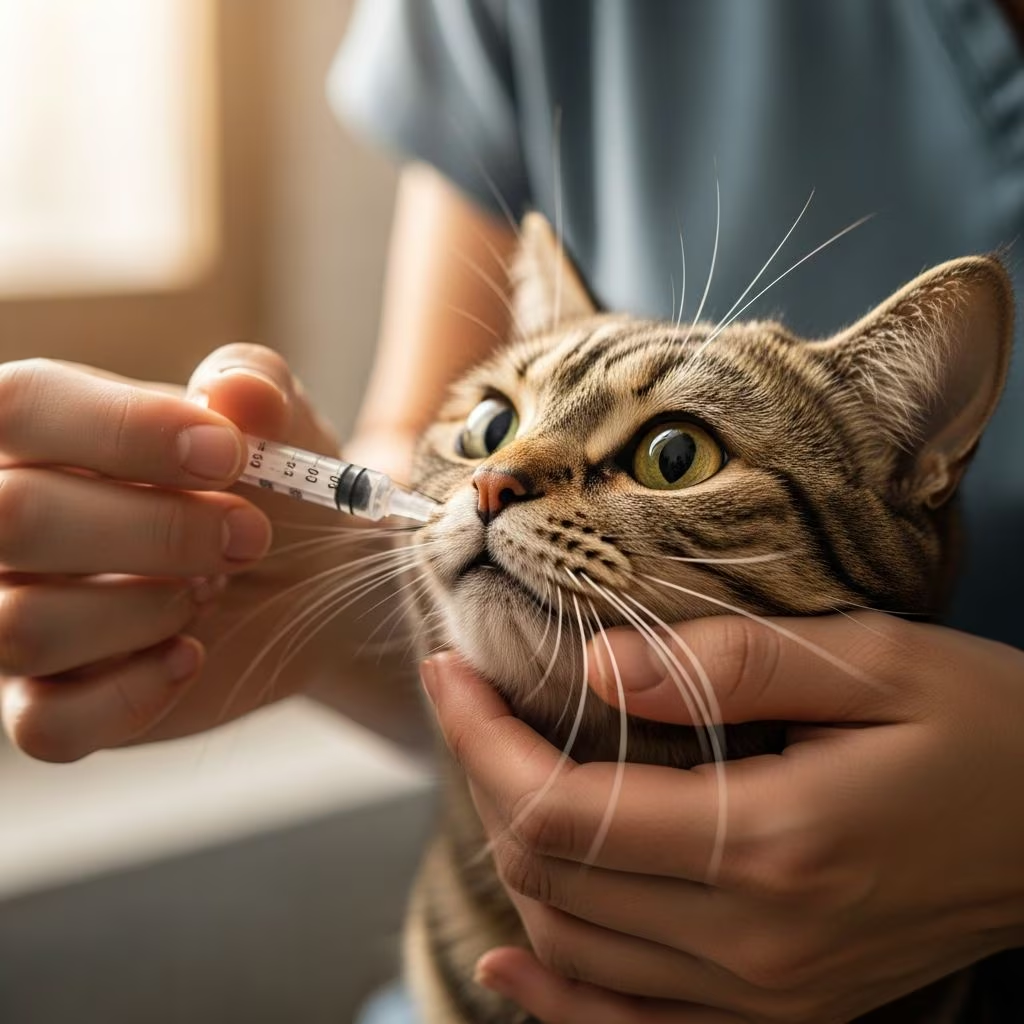
Administering medication to your cat can be challenging, but with the right techniques, it becomes manageable and less stressful for both you and your pet. Cats often resist due to the unfamiliar taste or texture, yet consistent dosing is crucial for their recovery. This guide covers all common types—pills, liquids, eye drops, ear medications, and more—drawing from veterinary best practices to ensure safety and effectiveness.
Why Giving Medication to Cats is Important
Medication helps treat infections, pain, inflammation, and chronic conditions in cats. Skipping doses can prolong illness or lead to resistance, so follow your vet’s instructions precisely. Always check labels for dosage, frequency, and storage. If your cat spits out a pill or refuses food-mixed meds, do not redose without vet advice to avoid overdose.
Preparation Tips Before Giving Medication
Success starts with preparation. Create a calm environment in a quiet room to minimize stress. Gather tools: pill popper, syringe/dropper, gloves, towel for wrapping (burrito method), treats, and lubricant like butter. Warm refrigerated liquids in your hand for 1-2 minutes—never microwave. Have a helper if possible for restraint.
- Read the prescription label twice.
- Shake liquid bottles well.
- Measure exact doses.
- Reward immediately after with treats or play.
How to Give Your Cat a Pill or Tablet
Pills are common but tricky as cats detect them easily in food. The easiest method is hiding in palatable food, but direct administration works best for guaranteed dosing.
Hiding Pills in Food
Crush the pill (if vet-approved) using a pill crusher and mix into a small amount of wet food, tuna, or pill pockets. Offer by hand to ensure full consumption—do not mix into a full bowl. Lubricate whole pills with butter or gravy for smoother swallowing.
Direct Pill Administration (Step-by-Step)
1. Hold the pill between thumb and index finger of one hand.
2. Grasp cheekbones with the other hand, tilt head back until eyes face up; jaw often opens naturally. Gently press lower jaw if needed.
3. Place pill far back on tongue (back third triggers swallow reflex), close mouth immediately.
4. Stroke throat, rub nose, or blow lightly to encourage swallowing. Watch for nose-licking sign of success.
Tip: Wrap cat in a towel to protect from claws. Use a pill popper device: insert pill, hold like syringe, push plunger after placing on tongue.
How to Give Liquid Medication to Cats
Liquids are easier for some cats. Ideal if they dislike pills.
Food Mixing Method
Mix into small portion of canned food (empty stomach meds excluded). Feed by hand.
Direct Administration (Step-by-Step)
1. Shake bottle, draw dose into syringe/dropper.
2. Secure cat in lap or towel-wrapped, head slightly tilted up.
3. Insert tip into side of mouth, between cheek and molars (behind canines).
4. Slowly dispense, allowing swallows and breaths. Aim for pouch to avoid choking.
5. Follow with water or treat; some foaming is normal from taste. Rinse syringe after.
If cat spits, do not redose unless none swallowed.
Eye Drops and Ointments for Cats
For infections or injuries, eye meds require precision to avoid contamination.
Step-by-Step Application
1. Wash hands; clean eye area with damp cotton ball (no soap).
2. Gently pull down lower lid to form pocket.
3. Hold dropper/ointment tube 1 cm from eye, apply prescribed drops/amount without touching eye.
4. Release lid, let cat blink to spread. Wipe excess gently.
Tip: Have helper hold cat. Use separate droppers per eye.
Ear Medications for Cats
Common for mites or infections. Shake bottle first.
Step-by-Step
1. Clean visible debris with cotton ball (no deep insertion).
2. Fill dropper with dose, hold ear flap up.
3. Squeeze into ear canal, massage base 30 seconds to distribute.
4. Let cat shake head; wipe outer ear.
Ask vet for demo if unsure.
Other Types of Cat Medications
Topical/Spot-On Treatments
Apply directly to skin (e.g., between shoulders for flea meds). Part fur, squeeze on, avoid petting spot until dry.
Injections
Only if vet-trained; typically insulin or vaccines. Use proper needle technique; seek pro help first time.
Tips and Tricks for Stress-Free Medication
- Timing: Dose when cat is sleepy or hungry.
- Tools: Pill crushers, flavored treats, electronic pill guns.
- Training: Practice with empty syringes/treats for desensitization.
- Burrito Wrap: Towel muffles claws, calms cat.
- Positive Reinforcement: Praise, play post-dose.
- Alternatives: Ask vet for liquid/pill pocket versions or compounded flavors.
What If Your Cat Refuses Medication?
Stay calm—stress worsens resistance. Try food hiding first, then direct. If persistent, contact vet for alternatives like injections or hospital dosing. Never force excessively to avoid injury.
Frequently Asked Questions (FAQs)
Can I crush all cat pills?
No, only if vet approves—some are time-release. Use crusher for approved ones.
What if my cat spits out the pill?
Do not redose unless none swallowed. Monitor and consult vet.
How do I know liquid was swallowed?
Go slow; watch throat. Some spit/foam is ok if most ingested.
Is it safe to mix meds in food?
Yes for small amounts if no empty-stomach requirement.
How often should I clean tools?
Rinse syringes after each use; store dry.
Can another pet lick the medicated spot?
No—keep separated until dry.
Common Mistakes to Avoid
| Mistake | Why Avoid | Solution |
|---|---|---|
| Tilting head too far back | Risk of aspiration | Slight tilt only |
| Dosing too fast (liquids) | Choking/gagging | Slow, incremental squeezes |
| Not measuring precisely | Over/under dose | Use vet syringe markings |
| Redosing spits | Overdose risk | Observe, call vet |
Mastering these techniques ensures your cat gets vital treatment promptly. Consult your vet for personalized advice, demos, or prescription changes.
References
- How to Give Your Cat Medication — Calder Vets. Accessed 2026. https://www.caldervets.co.uk/pet-help-advice/cats/medication-for-cats/81-how-to-give-your-cat-medication
- How to Give a Cat Medicine: Helpful Tricks & Tips — Park Vet. Accessed 2026. https://parkvet.net/blog/how-to-give-a-cat-medicine/
- Give Your Cat Liquid Medications — Wake Veterinary Medical Center. Accessed 2026. https://wakeveterinarymedicalcenter.com/give-your-cat-liquid-medications/
- The Stress-Free Way to Medicate Your Cat — Just Cats Clinic. Accessed 2026. https://justcatsclinic.com/the-stress-free-way-to-medicate-your-cat/
- Giving Liquid Medication to Cats — VCA Animal Hospitals. Accessed 2026. https://vcahospitals.com/know-your-pet/giving-liquid-medication-to-cats
- Giving Medicine to a Cat — Merck Veterinary Manual. Accessed 2026. https://www.merckvetmanual.com/cat-owners/caring-for-cats/giving-medicine-to-a-cat
- Giving Pills to Cats — VCA Animal Hospitals. Accessed 2026. https://vcahospitals.com/know-your-pet/giving-pills-to-cats



