

How to Give Injections to Dogs: A Complete Guide
Many dog owners feel apprehensive about administering injections to their pets, but this common concern is completely understandable. Providing medical treatment to your beloved companion can feel intimidating, especially when it involves needles and syringes. However, with proper instruction and a little practice, giving injections to your dog is a manageable task that you can confidently perform at home. Your veterinarian will guide you through the specific technique and ensure you are comfortable before you begin treating your dog independently.
When Are Injections Necessary for Dogs?
Certain medical conditions require medications that are only available in injectable form. Understanding why your dog needs injections can help you feel more motivated and confident about learning this skill. Two common conditions requiring regular injections include:
- Diabetes mellitus, which requires daily insulin injections to maintain blood sugar levels
- Certain allergies, which are controlled by regular injections of allergenic extracts to reduce allergic reactions
In many cases, dog owners can safely administer these medications at home rather than visiting the veterinary clinic for each treatment. This not only saves time and money but also allows your dog to receive consistent care in a familiar environment, which can reduce stress for both you and your pet.
Will the Injection Be Painful for My Dog?
One of the primary concerns dog owners have is whether injections will cause their pets pain or discomfort. The good news is that most dogs do not seem to mind routine injections when administered correctly. Modern veterinary medicine uses disposable, single-use needles that ensure the needle tip remains extremely sharp, which minimizes pain upon insertion. Your veterinarian will prescribe the appropriate needles and syringes specifically designed for your pet’s needs, taking into account factors such as your dog’s size, the medication type, and the injection frequency. Proper needle selection and technique are crucial for making the experience as painless as possible for your dog.
Understanding Injection Sites and Technique
Injections for dogs are given in the subcutaneous tissue, which is the layer of tissue located directly under the skin (sub meaning under, and cutaneous meaning skin). This tissue is considerably looser in dogs than in humans, making it an ideal location for medication delivery. The subcutaneous route allows medications to be absorbed gradually, providing sustained therapeutic effects. Understanding the anatomy helps demystify the process and builds confidence in your ability to administer injections safely.
Step-by-Step Injection Technique
Follow these detailed steps to administer an injection to your dog:
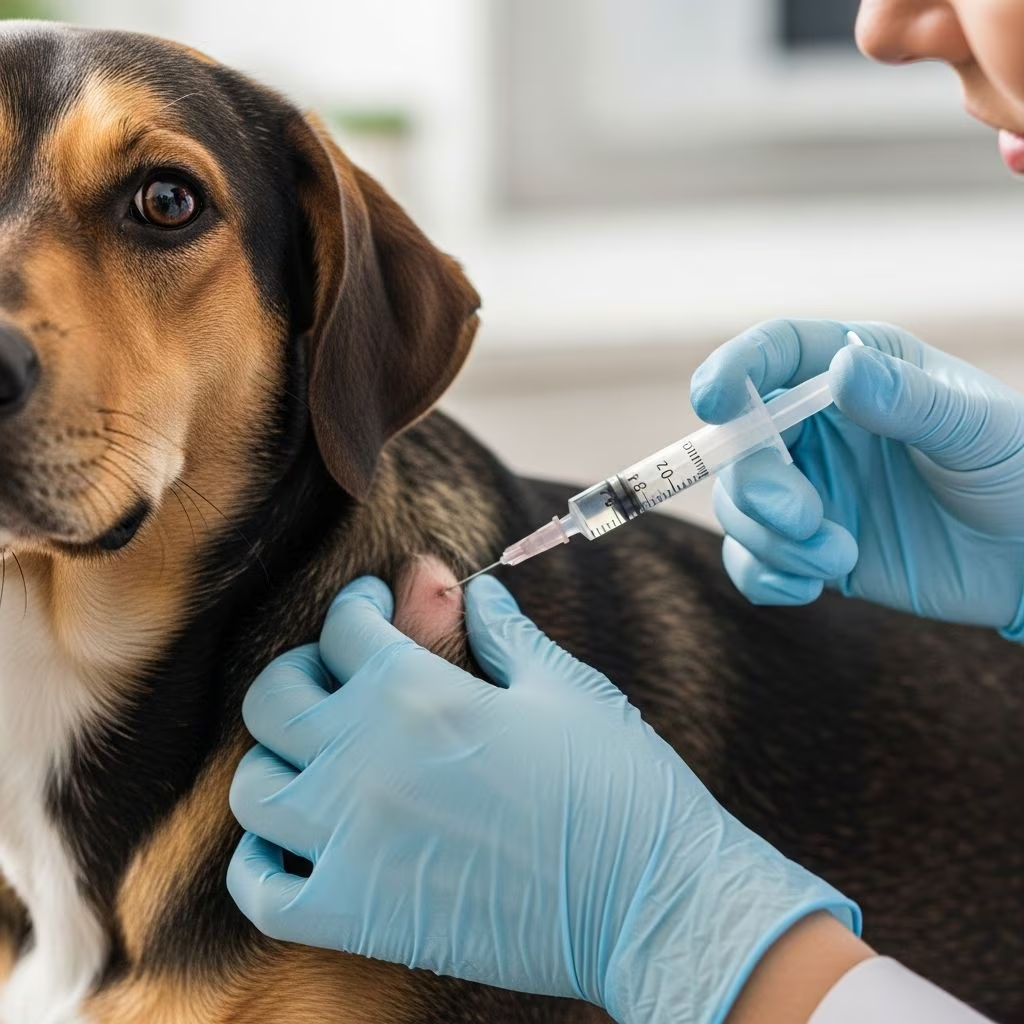
- Prepare the injection site: Pinch some loose skin from the back of the neck or “scruff” region (between the shoulder blades) between your thumb and forefinger. This area is ideal because the skin is naturally loose, making it easier to create a tent of skin for needle insertion.
- Hold the syringe properly: Hold the syringe firmly in your dominant hand in a way that feels comfortable and natural to you. Importantly, do not place your hand or finger over the plunger of the syringe. This precaution prevents accidental injection of the medication if your dog suddenly moves and pushes your hand.
- Insert the needle: Insert the needle swiftly into the fold of skin, with the needle angled downwards at a 30-degree to 45-degree angle. Most syringes are small enough to allow the plunger to be depressed with the palm of the same hand once the needle has been positioned underneath the skin.
- Administer the medication: Once the needle is properly positioned, administer the contents of the syringe quickly and smoothly. Quick administration reduces your dog’s awareness of the injection and minimizes discomfort.
- Withdraw and massage: After injecting the medication, withdraw the needle and gently massage the area. This massage helps distribute the medication and provides comfort to your dog.
Managing Your Dog’s Movement During Injections
Many first-time pet owners worry about what will happen if their dog moves during the injection. This is a valid concern, but understanding the realities of the situation can help alleviate anxiety. Ideally, have someone assist you while you give the injection, especially for your first few treatments. An assistant can help calm your dog and hold them steady, making the process safer and less stressful for everyone involved.
Distraction Techniques
One of the most effective strategies for managing movement is distraction. Try offering your dog a special food or treat as a distraction while you administer the injection. Some pet owners find it easier to give their dog an injection while he is eating a meal, as the dog’s focus is directed toward the food rather than the needle. However, if your dog has diabetes or allergies, they may be restricted from getting certain treats or may need prescription treats. Always speak to your veterinarian to determine if you can give treats or food while administering the injection, as this will depend on your dog’s specific medical condition and dietary requirements.
Is Needle Breakage a Real Risk?
Most owners express concern that they may accidentally break the needle off in their dog’s skin, but this is extremely unlikely. Modern needles are designed with flexibility in mind. If anything, the needle may bend, but it is much more likely that the injection will end up outside the pet rather than inside when dealing with a particularly wiggly pet. If you are unsure whether your pet received the full amount of the injection, contact your veterinary hospital immediately for instructions. Do not administer more medication unless specifically directed by your veterinarian, as this could lead to overdosing.
Helpful Tips for Successful Home Injections
Beyond the basic technique, several practical tips can make the injection process smoother and more successful:
- Skip alcohol sterilization: It is usually not necessary to sterilize the skin with alcohol before inserting the needle. While wiping a little alcohol on the skin does not truly sterilize it, more importantly, the odor and feel of alcohol may aggravate your dog and cause unnecessary stress.
- Warm the medication: Ideally, medications should be administered at about body temperature. Most dogs tolerate injection quite well, but if the medication is unusually cold or hot, they may experience discomfort. Warm the medication in a water bath to increase comfort. Always ensure the medication is not too hot by placing your wrist on the container to check the temperature. Do not refrigerate medications unless specifically instructed by your veterinarian.
- Use positive reinforcement: Use a creamy treat or baby food (ensuring it contains no garlic or onion) to keep your dog’s focus away from what you are doing. Alternatively, if your dog prefers cuddles and affection, you or an assistant can rub them around their head and neck while you give the injection. This provides emotional comfort and helps your dog remain calm.
- Practice without medication: Practice the procedure without a needle, but with the same rewards, to help your dog relax for the real thing. This familiarization technique reduces anxiety and helps your dog understand that injections are not a threat.
- Long-haired dogs: If you have a long-haired dog, you may need to part the fur or ask your veterinarian to shave a small patch so you can be more precise with needle placement.
Building Confidence Through Practice
With a little practice, most pet owners find they have no problems administering routine injections to their dog without assistance. Your confidence will grow with each successful injection, and your dog will become increasingly comfortable with the process. The key is to approach each injection calmly and confidently, as dogs are perceptive animals that can sense your anxiety. If you remain calm and matter-of-fact about the procedure, your dog is more likely to remain calm as well.
When to Seek Professional Help
While many pet owners successfully manage home injections, some situations may require professional assistance. Contact your veterinary hospital if you experience any of the following: difficulty locating an appropriate injection site, your dog’s severe anxiety or aggression during injections, concerns about whether your dog received the full dose, or any signs of infection or adverse reaction at the injection site. Your veterinary team is always available to answer questions and provide additional guidance.
Frequently Asked Questions
Q: How often will my dog need injections?
A: The frequency depends on your dog’s specific medical condition. Diabetic dogs typically require daily insulin injections, while allergy injections may be administered weekly, monthly, or less frequently depending on the treatment protocol prescribed by your veterinarian.
Q: What should I do if I accidentally miss the subcutaneous tissue?
A: If you are unsure whether you properly placed the needle in the subcutaneous tissue, contact your veterinary hospital for guidance. Do not attempt to administer another dose unless specifically instructed by your veterinarian.
Q: Can I give injections in different locations on my dog’s body?
A: While the scruff region is the most common and recommended location, your veterinarian may suggest alternative sites depending on your dog’s needs and the medication being administered. Always follow your veterinarian’s specific instructions regarding injection sites.
Q: What type of needle should I use?
A: Your veterinarian will prescribe the appropriate needle size and syringe for your dog’s specific medication and needs. Never use needles or syringes other than those prescribed by your veterinarian.
Q: Is it normal to feel anxious about giving injections?
A: Yes, feeling anxious is completely normal. Most people outside the medical profession feel hesitant or apprehensive about administering any treatment to their pet. With proper training and practice, your confidence will increase significantly.
Q: How should I store medication between injections?
A: Storage instructions vary depending on the medication. Some medications require refrigeration while others should be stored at room temperature. Always follow your veterinarian’s specific storage instructions to ensure medication effectiveness.
References
- Giving Injections to Dogs — VCA Animal Hospitals. 2024. https://vcahospitals.com/know-your-pet/giving-injections-to-dogs
- Subcutaneous Fluid Administration in Dogs: Bag Method — VCA Animal Hospitals. 2024. https://vcahospitals.com/know-your-pet/subcutaneous-fluid-administration-in-dogs
- 2022 AAHA Canine Vaccination Guidelines — American Animal Hospital Association. 2022. https://www.aaha.org/resources/2022-aaha-canine-vaccination-guidelines/
- Care for Your Pet After Vaccination — VCA Animal Hospitals. 2024. https://vcahospitals.com/know-your-pet/care-for-your-pet-after-vaccination



