

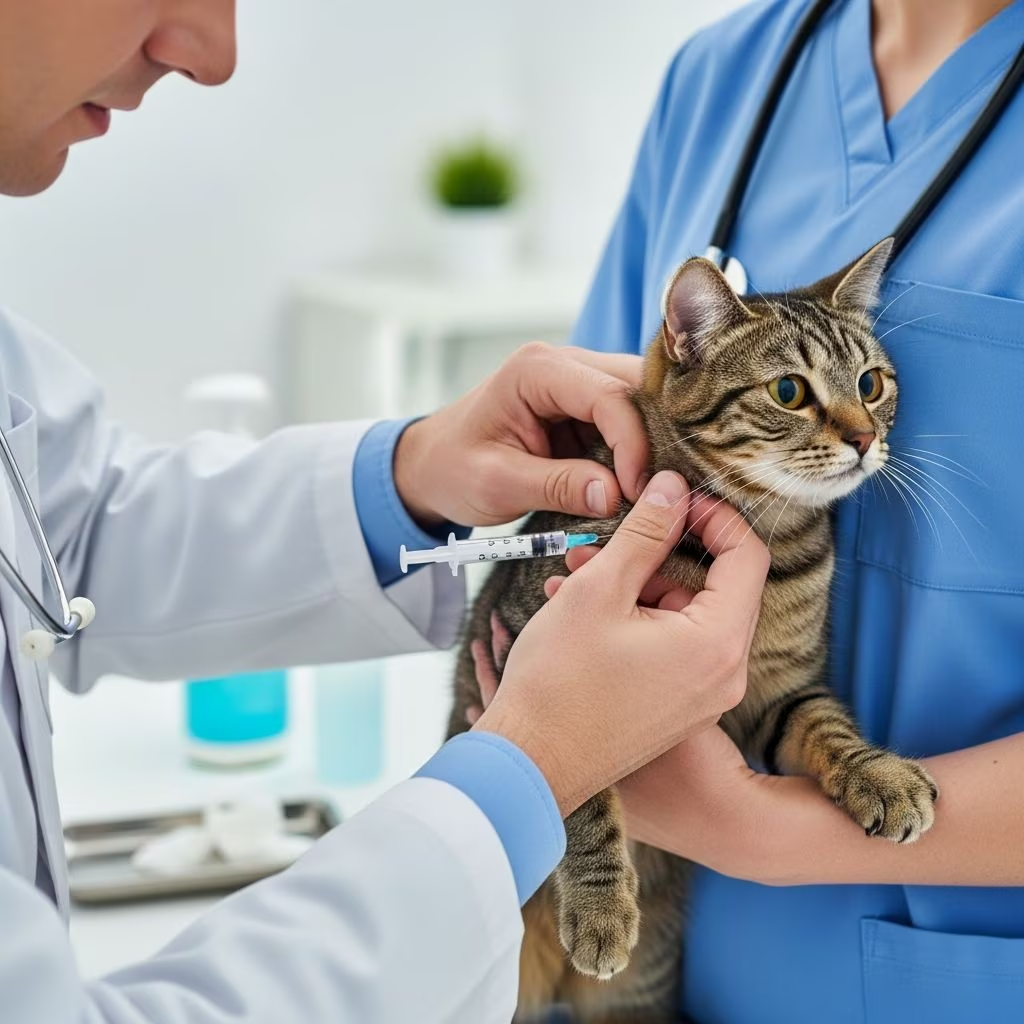
How to Give Injections to Cats: A Complete Guide
For many pet owners, the thought of giving injections to their cats can seem intimidating and stressful. However, administering routine injections to your feline companion is a skill that most pet owners can master with proper guidance and practice. Understanding the correct technique and being prepared can transform this task from something anxiety-inducing into a manageable part of your cat’s healthcare routine. Most cats do not seem to mind routine injections, especially when the procedure is performed correctly with sharp, single-use needles that minimize pain and discomfort.
Understanding Subcutaneous Injections
Subcutaneous injections are administered in the tissue layer located just beneath the skin, known as the subcutaneous tissue. The prefix “sub” means under, while “cutaneous” refers to skin, making the term descriptive of the injection location. The key advantage of subcutaneous injections is that cats have considerably looser subcutaneous tissue compared to humans, which makes this technique more accessible for pet owners to learn and perform. This anatomical feature makes cats excellent candidates for at-home injection administration, whether for medications, insulin, or fluid therapy.
The use of disposable, single-use needles is essential for safe injection administration. These modern needles have extremely sharp tips that minimize pain during insertion, reducing stress for your cat and making the overall experience more comfortable. The sharpness of the needle is crucial because a dull needle can cause unnecessary discomfort and may require multiple attempts to penetrate the skin barrier.
Preparing for the Injection
Successful injection administration begins with thorough preparation. Before you attempt to give your cat an injection, ensure you have all necessary materials readily available. This includes the medication or fluid in the prescribed syringe, alcohol pads for cleaning, treats or rewards for your cat, and a comfortable location where both you and your pet can relax during the procedure.
If your cat has long hair, you may need to part the fur or ask your veterinarian to shave a small patch of skin in advance. This preparation ensures you can be more precise during needle insertion and helps you see exactly where you are working. Long hair can obscure the injection site and make it difficult to identify the correct location, potentially leading to missed injections or improper needle placement.
Consider choosing a location where your cat feels comfortable and relaxed. Some cats prefer being treated on a table or countertop, while others may feel more secure sitting on your lap. The environment should be calm and free from distractions that might startle your pet during the procedure.
Step-by-Step Injection Technique
The proper technique for administering subcutaneous injections involves several critical steps that must be performed in sequence:
Step 1: Select the Injection Site
Pinch some loose skin along your cat’s back between your thumb and forefinger. The space between the shoulder blades is an excellent choice for injection sites as it produces ample skin with good accessibility. This area is generally well-tolerated by cats and provides enough loose skin to create a proper tent formation necessary for safe needle insertion.
Step 2: Hold the Syringe Correctly
Hold the syringe firmly in your dominant hand in a way that feels comfortable and natural for you. It is critically important that you do not place your hand or finger over the plunger of the syringe. This precaution is essential because if your cat suddenly moves and pushes your hand, the contents could be wasted through accidental injection or the full dose might be administered unintentionally. By keeping your plunger hand clear, you maintain better control of the medication delivery.
Step 3: Insert the Needle
Insert the needle swiftly into the fold of skin, with the needle angled downwards at a 30-degree to 45-degree angle. The angle should be adjusted based on how high you have created the skin tent. The swift insertion minimizes discomfort by quickly penetrating the skin barrier. Most syringes are small enough to allow the plunger to be depressed with the palm of the same hand once the needle has been positioned underneath the skin, providing you with good control throughout the injection process.
Step 4: Administer the Medication
Once the needle is properly positioned under the skin, administer the contents of the syringe quickly and smoothly. The speed of administration can affect your cat’s comfort level, so ask your veterinarian for guidance on the appropriate injection speed for your specific medication. After the medication has been fully delivered, withdraw the needle with a swift motion.
Step 5: Provide Aftercare
Gently massage the area where you administered the injection. This massage helps distribute the medication evenly and can provide comfort to your cat. Offering praise, affection, or a small treat following the injection creates a positive association with the procedure, making future injections easier to administer.
Making the Process Easier for Your Cat
Creating a stress-free injection experience benefits both you and your feline companion. Consider the following strategies to improve your cat’s comfort and cooperation:
Use Positive Reinforcement
Use a creamy treat or baby food (ensuring it contains no garlic or onion, which are toxic to cats) to keep your cat’s focus away from what you are doing. Many cats will concentrate on enjoying their reward and pay less attention to the injection procedure. Alternatively, if your cat prefers cuddles and physical affection, you or an assistant can gently rub them around their head and neck while you give the injection, providing comfort and distraction simultaneously.
Practice Without a Needle
Before attempting your first real injection, practice the procedure without a needle but with the same rewards you plan to use. This rehearsal helps your cat relax and become familiar with the routine, reducing anxiety when the actual injection occurs. Cats are intelligent animals that benefit from predictability and routine, so this practice session can significantly reduce stress during the real procedure.
Seek Assistance
Having someone assist you will make the procedure considerably easier, especially during your first attempts. An assistant can help hold your cat in position, provide distraction with treats or affection, or manage other aspects of the procedure while you focus on administering the injection. With a little practice, most pet owners find they have no problems administering routine injections to their cat without assistance, but having help during initial attempts can boost your confidence.
Common Concerns and Solutions
| Concern | Solution |
|---|---|
| Needle feels dull or causes excessive pain | Always use fresh, single-use disposable needles for each injection |
| Cat moves suddenly during injection | Keep your plunger hand free of the needle and be ready to stabilize |
| Difficulty finding loose skin | Ask your veterinarian to shave a small patch for better visibility |
| Cat anxious or resistant | Practice without needle first, use positive reinforcement, and consider having an assistant |
| Long-haired cat obscures injection site | Part the fur carefully or request veterinary assistance with pre-injection grooming |
When to Seek Veterinary Guidance
While many pet owners successfully administer injections at home, certain situations warrant professional veterinary assistance. If your cat is particularly anxious or aggressive, if you are uncertain about the correct injection site or technique, or if your cat shows any signs of adverse reactions to previous injections, consult with your veterinarian. Your veterinary healthcare team can provide personalized instruction and observe you performing the injection to ensure you are using the correct technique.
Subcutaneous Fluid Administration
Beyond medication injections, some cats require subcutaneous fluid administration for conditions such as chronic kidney disease or dehydration. There are two primary methods for administering subcutaneous fluids at home: using a fluid bag with a drip set or using a syringe with a butterfly catheter. The syringe method offers more control over fluid delivery, while the bag method is ideal for giving larger volumes and often works faster. Understanding both methods allows you to choose the approach that works best for your cat’s specific needs.
Frequently Asked Questions
Q: How often do cats typically need injections?
A: The frequency depends on your cat’s specific health condition and medication requirements. Some cats receive injections daily (such as insulin for diabetic cats), while others may need them weekly, monthly, or as needed. Your veterinarian will provide specific instructions based on your cat’s prescription and health status.
Q: What should I do if I accidentally inject air into the subcutaneous tissue?
A: Small amounts of air in the subcutaneous tissue are generally not harmful and will be reabsorbed by the body. However, it is best to avoid this situation by ensuring you have properly drawn up the medication into the syringe before injection. If you are concerned about air bubbles, gently tap the syringe to allow air to rise to the top before administration.
Q: Can I give injections in different locations on my cat’s body?
A: While the space between the shoulder blades is the most common and recommended injection site, other areas along the back and sides where loose skin is available can also be used. However, always follow your veterinarian’s recommendations regarding injection sites, as different medications may have specific anatomical requirements.
Q: What if my cat has very little loose skin?
A: If your cat appears to have minimal loose skin, consult with your veterinarian. They may recommend different injection sites, demonstrate techniques to create more visible skin tents, or in some cases, provide alternative medication delivery methods.
Q: How do I know if the injection was successful?
A: A successful injection should result in the needle penetrating the skin and reaching the subcutaneous layer, after which the medication is delivered smoothly. You may feel slight resistance as you depress the syringe plunger. If there is significant pressure or resistance, the needle may have hit deeper tissue or bone. If you encounter resistance, withdraw slightly and reposition the needle.
Q: Should I massage the injection site after administering medication?
A: Yes, gentle massage of the injection site after administration helps distribute the medication evenly throughout the subcutaneous tissue and can provide comfort to your cat. Use gentle circular motions for approximately 30 seconds after injection.
Q: What are the signs that my cat is experiencing pain during injection?
A: Signs of pain include sudden movement, vocalization, hissing, or aggressive behavior. Most of these reactions are minimal with properly performed injections using sharp, single-use needles. If your cat shows significant pain response, discuss alternative approaches or pain management options with your veterinarian.
Building Confidence Through Practice
The key to successfully administering injections to your cat is building confidence through practice and proper technique. During your first attempts, having your veterinarian observe and provide feedback can be invaluable. They can confirm you are using the correct technique, identify any areas for improvement, and answer specific questions about your cat’s medication requirements. With each successful injection, your confidence will grow, and the procedure will become increasingly routine for both you and your feline companion.
Remember that most cats adapt well to regular injections when the procedure is performed correctly with minimal pain and maximum care. By investing time in learning the proper technique and preparing both yourself and your cat, you are taking an active role in your pet’s healthcare and potentially saving on veterinary visit costs while ensuring your cat receives timely medication administration at home.
References
- Giving Injections to Cats — VCA Animal Hospitals. 2025. https://vcahospitals.com/know-your-pet/giving-injections-to-cats
- Subcutaneous Fluid Administration in Cats: Syringe Method — VCA Animal Hospitals. 2025. https://vcahospitals.com/know-your-pet/subcutaneous-fluid-administration-in-cats-syringe-method
- Subcutaneous Fluid Administration in Cats: Bag Method — VCA Animal Hospitals. 2025. https://vcahospitals.com/know-your-pet/subcutaneous-fluid-administration-in-cats
- Vaccines for Cats — VCA Animal Hospitals. 2025. https://vcahospitals.com/know-your-pet/vaccines-for-cats
- Giving Liquid Medication to Cats — VCA Animal Hospitals. 2025. https://vcahospitals.com/know-your-pet/giving-liquid-medication-to-cats



