

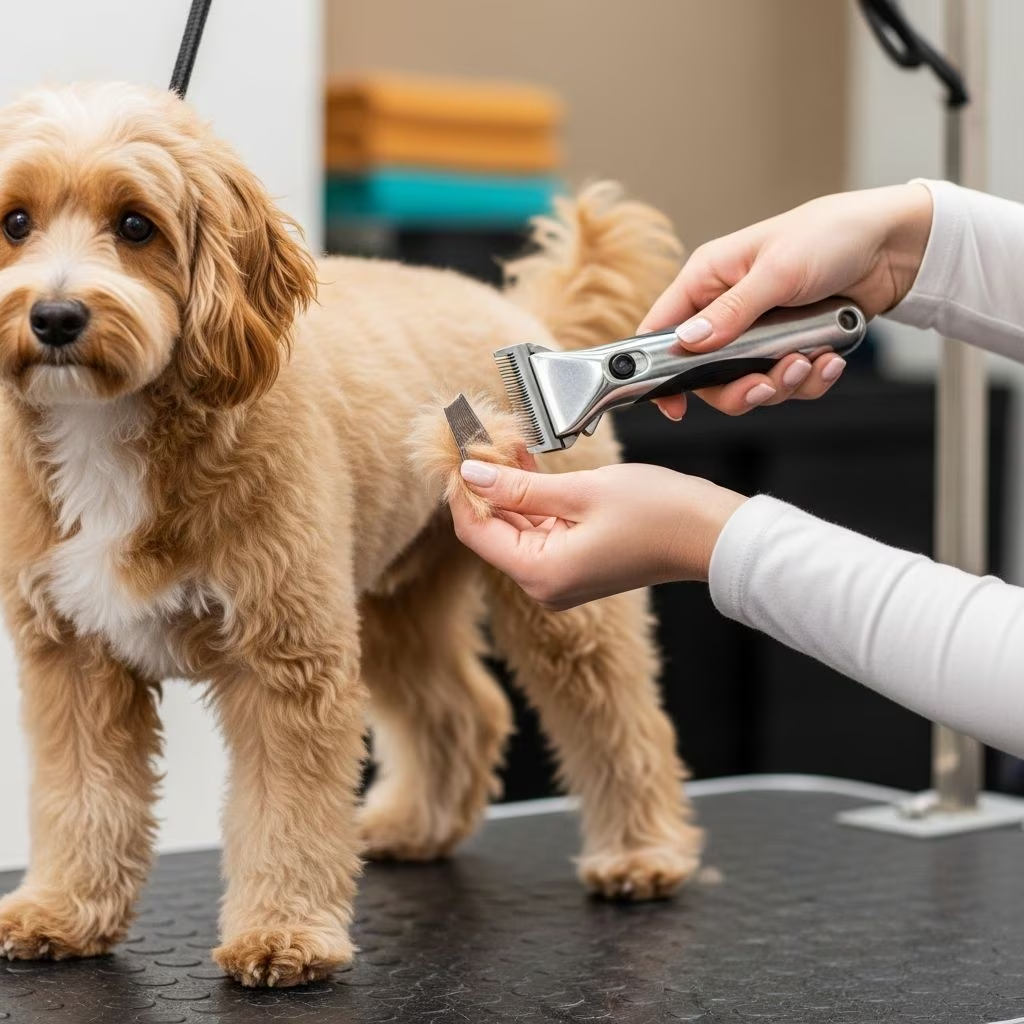
How to Give Your Dog a Sanitary Trim: A Complete Grooming Guide
Maintaining your dog’s hygiene goes beyond regular baths and brushing. One essential grooming task that many pet owners overlook is the sanitary trim. This focused grooming service helps keep your dog clean, comfortable, and healthy by removing hair from areas prone to trapping dirt, moisture, and bacteria. Whether you’re looking to maintain your dog’s hygiene between professional grooming appointments or prefer to handle grooming at home, understanding how to properly give a sanitary trim is crucial for your pet’s well-being.
What Is a Sanitary Trim for Dogs?
A sanitary trim is a specialized grooming technique that involves carefully trimming the fur around your dog’s belly, genital areas, and rear end. Unlike a full-body haircut that focuses on overall coat length and style, a sanitary trim is specifically designed to address hygiene and health concerns in sensitive areas. This grooming practice helps prevent matting, skin irritation, and potential health issues caused by accumulated dirt, moisture, and bacteria.
The sanitary trim addresses several key areas of your dog’s body:
- The area around the anus to prevent feces from clinging to the fur
- The vulva region in female dogs to reduce urine retention and bacteria growth
- The area around the penis in male dogs to prevent urine matting and moisture buildup
- The lower belly and inner thighs to maintain overall cleanliness
Why Sanitary Trims Matter: Health Benefits
Regular sanitary trims offer numerous health and comfort benefits for your dog. One of the primary advantages is preventing urinary tract infections, particularly in female dogs. When long hair remains around the vulva, it can become tangled and retain moisture, creating an ideal environment for bacterial growth. This trapped moisture and bacteria can lead to serious health complications if left unaddressed.
Beyond infection prevention, sanitary trims also provide:
- Reduced skin irritation and matting: Overgrown fur in sensitive areas can cause painful matting and pulling
- Improved comfort: Your dog will feel more comfortable, especially during potty breaks and when sitting
- Easier home maintenance: Trimmed areas are significantly quicker to clean after walks or bathroom breaks
- Better hygiene: Less fur means less accumulation of dirt and debris in sensitive areas
- Prevention of odor: Reduced moisture retention helps eliminate unpleasant smells around your home
How Often Should You Give Your Dog a Sanitary Trim?
The frequency of sanitary trims depends on several factors, including your dog’s breed, coat type, and lifestyle. Generally, experts recommend scheduling a sanitary trim every 4 to 6 weeks to maintain optimal hygiene. However, some dogs may need more frequent trims, while others with shorter coats might go longer between appointments.
Dogs that benefit most from regular sanitary trims include:
- Long-haired breeds such as Poodles, Doodles, and Shih Tzus
- Senior dogs who may struggle to groom themselves effectively
- Dogs with thick or curly coats that mat easily
- Dogs prone to skin sensitivities or infections
- Less mobile dogs with mobility challenges
Essential Tools and Equipment for Home Sanitary Trims
Before attempting a sanitary trim at home, you’ll need to gather the proper tools. Using the right equipment is essential for both safety and achieving professional-looking results. Never use human hair clippers or scissors on your dog, as these tools are not designed for pet grooming and can cause injury or discomfort.
Recommended Grooming Tools:
- Cordless pet clippers: These provide better control and are easier to maneuver in tight spaces. The small size makes them ideal for reaching tricky areas around sensitive regions
- #10 blade setting: This is typically the safest blade length, as shorter settings may cause skin irritation in sensitive areas
- Attachment combs: For dogs with sensitive skin, a short attachment comb provides an extra layer of protection
- Curved scissors: These help with precise trimming and shaping
- Pet-safe wipes: Non-irritating wipes for gentle cleaning of trimmed areas
- Grooming restraint or grooming loop: Helps keep your dog steady and secure during the trim
- Treats and positive reinforcement: Essential for keeping your dog calm and cooperative
Step-by-Step Guide to Giving Your Dog a Sanitary Trim
Preparation: Setting Up for Success
Before you begin, ensure your dog is clean and completely dry. Trimming clean, dry fur reduces the chances of irritation and allows you to see the hair length more clearly. Have all your tools within arm’s reach and consider using a grooming table or sturdy surface that allows you to work at a comfortable height. If your dog is anxious, give them time to adjust to the grooming environment and offer treats to create positive associations.
Securing Your Dog
Use a grooming restraint or loop to keep your dog steady throughout the process. For dogs with longer tails, tuck the tail to the side or secure it away from the work area to prevent accidental trimming. A calm, secure dog is much easier to groom safely and effectively.
Trimming the Anal Area
When clipping the anal area, extreme care is necessary. Never let the clipper blade come into direct contact with the delicate skin around the anus. Instead, clip away from the anal opening, pushing the fur away from the area as you trim. This technique prevents cuts or irritation to sensitive skin. Some pet owners prefer an extensive trim in this area, while others opt for minimal removal. Adjust your approach based on your dog’s needs and your comfort level.
Trimming the Genital Areas
For female dogs: Gently lift the back leg and carefully trim the fur around the vulva from both sides. Work slowly and deliberately, moving toward the vulva rather than across it. You don’t need to remove all the fur completely; the goal is to reduce moisture retention and prevent matting while maintaining sensitivity considerations.
For male dogs: Male dogs are particularly prone to matting around the penis because the fur is constantly dampened by urine. Carefully shave along the sides of the penis, the tip, and along the bottom to prevent moisture buildup and matting. This area requires especially thorough attention to prevent future complications.
Trimming the Belly and Inner Thighs
When trimming the belly and inner thighs, be cautious not to clip too large of an area. An overly close clip in these visible areas will show when your dog sits or moves, affecting the overall appearance of the grooming. The objective is to keep these areas tidy while maintaining a natural look that complements your dog’s overall grooming appearance.
Safety Considerations and Best Practices
Safety should always be your top priority when performing a sanitary trim at home. Here are critical safety guidelines to follow:
- Use the correct blade setting: A #10 blade is generally safe, while shorter lengths may cause irritation. For sensitive-skinned dogs, use an attachment comb for added protection
- Never force your dog: If your dog is uncomfortable or struggling, stop and try again another time. Forcing the process can create negative associations with grooming
- Trim only clean, dry fur: Wet or dirty fur is harder to trim accurately and increases irritation risk
- Avoid the skin directly: Always trim away from the skin, never directly against sensitive areas
- Keep tools clean and sharp: Dull blades are more likely to pull hair and cause discomfort
- Watch for signs of distress: If your dog shows excessive anxiety, pain, or resistance, consider professional grooming
When to Seek Professional Help
While many pet owners successfully perform sanitary trims at home, certain situations warrant professional grooming services. If your dog has:
- Extremely anxious or aggressive behavior during grooming
- Previous negative grooming experiences
- Severe matting or tangled fur
- Sensitive skin or known skin conditions
- Medical concerns or recent injuries in the grooming area
Professional groomers are trained to handle all coat types and temperaments with appropriate techniques and pet-safe tools, ensuring safe, breed-appropriate results.
Post-Trim Care and Maintenance
After completing the sanitary trim, gently clean the trimmed areas with pet-safe, non-irritating wipes. Monitor the area over the next few days for any signs of irritation or infection. If you notice redness, swelling, or your dog excessively licking the area, contact your veterinarian.
Between trims, maintain good hygiene by:
- Wiping your dog after potty breaks, especially after urination or bowel movements
- Checking the area regularly for matting or excessive hair growth
- Maintaining a consistent brushing routine
- Keeping the area as dry as possible
Frequently Asked Questions About Dog Sanitary Trims
Q: Is a sanitary trim painful for dogs?
A: No, a sanitary trim is not painful when performed correctly by someone with proper training and appropriate tools. The procedure is gentle and stress-free when handled with care and precision.
Q: Can I use human clippers for my dog’s sanitary trim?
A: Never use human clippers on your dog. Human clippers are not designed for pet grooming and can cause injury, discomfort, and improper cutting. Always use pet-safe clippers specifically designed for dog grooming.
Q: How long does a professional sanitary trim take?
A: A professional sanitary trim typically takes 10 to 15 minutes to complete, though the exact time may vary depending on your dog’s size, coat type, and cooperation level.
Q: Is a sanitary trim necessary for all dogs?
A: While beneficial for all dogs, sanitary trims are especially essential for long-haired breeds, senior dogs, and less mobile dogs who cannot effectively groom themselves. Short-haired dogs may need them less frequently but can still benefit from periodic trims.
Q: What signs indicate my dog needs a sanitary trim?
A: Signs include visibly long fur around the rear or belly area, matting, excessive scratching, irritability, or difficulty with hygiene after potty breaks. If you notice any of these indicators, it’s time for a trim.
Q: Can I combine a sanitary trim with other grooming services?
A: Yes, sanitary trims are often combined with baths, deshedding treatments, nail trims, ear cleaning, and other grooming services as part of comprehensive grooming packages.
References
- Dog Sanitary Trim: Essential Grooming Tips — PetEdge. 2024. https://www.petedge.com/blog/sanitary-trim-basics/
- Dog Sanitary Trim: A Grooming Essential for Pet Hygiene — Boops N Bubbles. 2024. https://www.boopsnbubbles.com/dogs-sanitary-trim-guide
- Sanitary Trim for Dogs: Why a Professional Groomer Is Best — Happy Hounds Grooming. 2024. https://www.happyhoundsgrooming.com/professional-sanitary-trim-for-dog
- How To Give Your Dog A Sanitary Trim At Home — Healthy Happy Paws. June 13, 2023. https://www.youtube.com/watch?v=DFnO7_na9uc



