

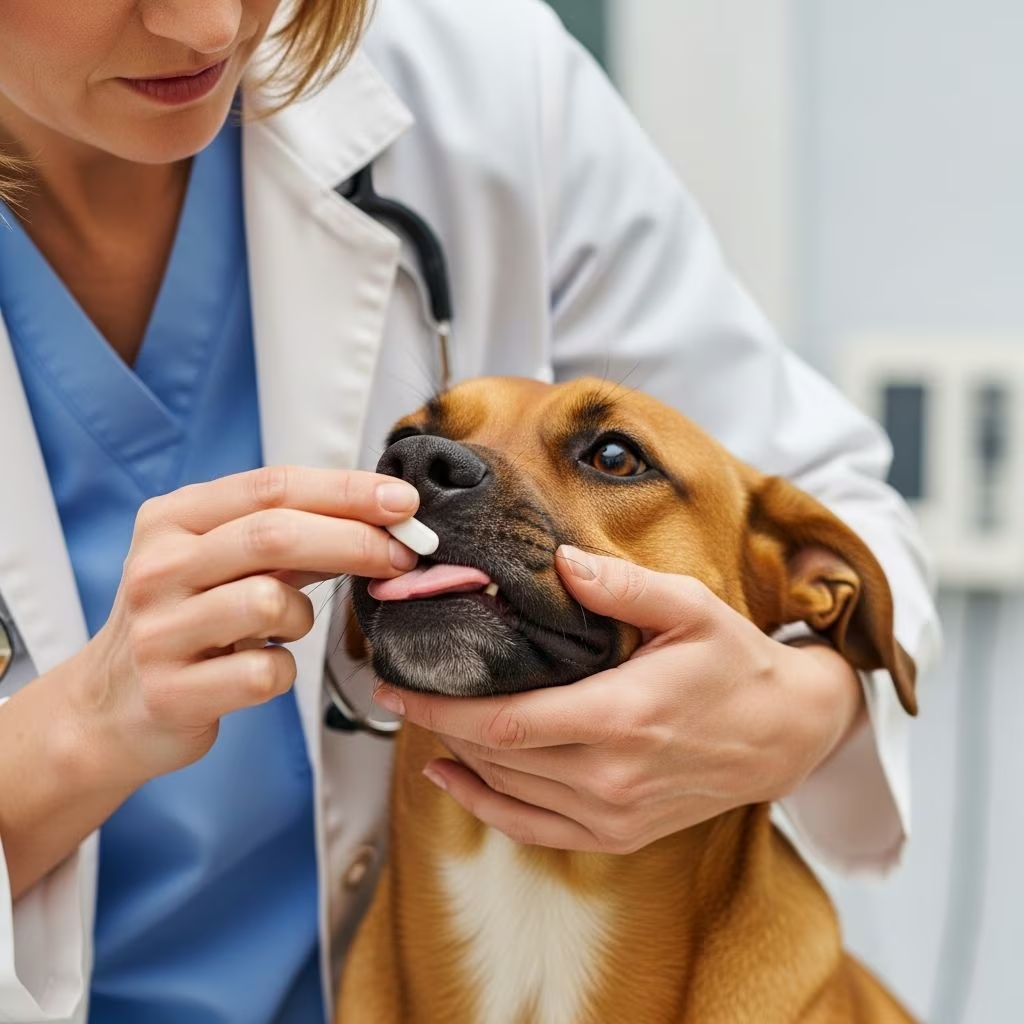
Administering medication to your dog is an essential part of responsible pet ownership, but it can also be one of the most challenging tasks for any dog parent. Whether your canine companion needs antibiotics, pain relievers, or daily supplements, getting them to take their medication willingly requires patience, technique, and sometimes a bit of creativity. This comprehensive guide will walk you through four proven methods to give your dog a pill, along with professional tips to make the process as smooth and stress-free as possible.
Before You Administer Medication: Important Checks
Before you attempt to give your dog any medication, it’s crucial to verify several important details to ensure your pet’s safety and the effectiveness of the treatment.
Is This the Correct Medication?
Check your pill bottle’s label carefully, as many pills and pill containers can look remarkably similar. Mix-ups can be dangerous, so take time to confirm you have the right medication for your dog. Compare the label information with your veterinarian’s prescription instructions.
Am I Giving the Correct Dose?
Read the prescription label thoroughly to confirm that you’re administering the right amount of medication. Dosage errors can compromise your dog’s treatment or potentially cause harm. When in doubt, contact your veterinarian or pharmacist for clarification.
Is It Time to Give the Medication?
The prescription label should clearly explain how often your dog needs to take the medication—whether that’s once daily, twice daily, with food, or on an empty stomach. Setting reminders on your phone can help you stay on schedule and avoid missed doses.
4 Ways to Give a Dog a Pill
Method 1: Hide the Pill in Food or Treats
If your dog’s medication can be given with food, this is typically the easiest and least stressful way to administer it. Dogs are often highly food-motivated and will eagerly consume their regular meals or favorite treats without questioning what’s inside. In many cases, they’ll hoover up the medication without even noticing the pill was there.
Tips for Success:
- Start with a hungry dog: Give pills hidden in food or treats on an empty stomach when possible and appropriate for your dog’s condition and medication. Then feed your dog their regular meal afterward. This builds a positive association with taking pills in your dog’s mind, motivating them to take their medication more happily in the future.
- Choose high-value treats: Use foods your dog absolutely loves—peanut butter, cheese, wet food, or commercial pill pockets designed specifically for this purpose.
- Use the multiple-treat trick: For dogs that catch on quickly, try giving multiple treats in succession, with the medicated treat being the second or third one. This establishes trust and prevents them from expecting medication in every treat.
- Check with your vet first: Some medications cannot be given with food or must be taken whole, so always verify with your veterinarian before using this method.
Method 2: Use a Pill Popper Device
A pill popper, also known as a pet piller or pill gun, is a helpful device that allows you to place the medication directly in your dog’s mouth without using your fingers. This method works well for dogs that won’t take pills in food or when you need precise medication placement.
Step-by-Step Instructions:
- Start in a comfortable area where both you and your dog feel at ease, and ensure your dog cannot escape.
- Load the pill into the soft end of the device opposite the plunger.
- Gently but firmly grasp your dog’s muzzle from above with your non-dominant hand, placing your thumb and fingers right behind the large canine teeth on either side of the upper jaw.
- Tilt your dog’s head up toward the ceiling. This will usually cause the lower jaw to drop open slightly.
- Use the middle finger of your dominant hand to open the jaw further if needed.
- Insert the pill popper into your pet’s mouth far enough so you can depress the plunger and deposit the pill onto the back of your dog’s tongue. Be careful not to go too far back or you may poke the back of your dog’s throat.
- Press the plunger to deposit the pill.
- Close your dog’s mouth and bring their head back to a normal position.
- Massage their throat to encourage swallowing. You may also try lightly blowing on their nose—this often triggers a swallowing reflex.
- You’ll notice your dog swallowing and often licking their lips after they’ve swallowed the pill.
- Follow this procedure with a treat and praise for a job well done. Offer water or use a plastic syringe to squirt some into the corner of their mouth if necessary, helping the pill travel down the esophagus.
Method 3: Liquid Medication Alternative
If your dog absolutely refuses to take pills, ask your veterinarian whether the medication can be liquified or suspended in liquid form. Many medications have liquid alternatives that are much easier to administer.
How to Give Liquid Medication:
- Before handling any medication, wash your hands thoroughly. Wearing gloves is recommended.
- Refer to the instructions for how to handle the medication properly. Carefully read all information, including safety precautions and storage information.
- Ensure your pet is in a comfortable position. If needed, hold their head in place gently.
- Put the syringe in the pouch between their teeth and cheek.
- Slowly give your pet the medication, being careful not to administer it faster than they can swallow.
- Should your pet spit out any medication, consult your veterinarian before giving them an additional dose.
- Wipe away any medication that may get on your pet’s face using a moist cloth.
- Separate the plunger and syringe when finished.
Method 4: Give the Pill by Hand
Sometimes, you have to take matters into your own hands—literally. This direct method works well for dogs that are cooperative and don’t have painful conditions that would make handling their mouth uncomfortable.
Important Warning:
Do not try giving a pill by hand to a dog with a painful neck, back, or mouth, as this could result in a dog bite. If your dog is experiencing pain in these areas, consult your veterinarian about alternative administration methods.
Step-by-Step Instructions:
- Start by rolling the pill in a small amount of dog food gravy or butter (as long as it’s approved by your vet). This helps the pill slide down easily.
- Begin in a comfortable area for both you and your dog. Avoid letting your dog see the pill beforehand.
- Hold the pill between your index finger and the thumb of your dominant hand.
- Gently but firmly grasp your dog’s muzzle from above with your non-dominant hand, placing your thumb and fingers right behind the large canine teeth on either side of the upper jaw.
- Tilt your dog’s head up toward the ceiling. This should cause the lower jaw to drop open slightly.
- Use the middle finger of your dominant hand to open the jaw further.
- Once the mouth is open, quickly drop the pill on the back of the tongue, as close to the back of the mouth as possible.
- Once you’ve deposited the pill, close your dog’s mouth and bring their head back to a normal position.
- Gently massage your dog’s throat and/or lightly blow on their nose to encourage swallowing.
- Remember to follow with a treat and praise, plus water to help wash the pill down.
Professional Tips and Tricks
Ask Your Veterinarian for Guidance
One of the best professional tips is to ask your veterinary staff to administer your dog’s first pill at the veterinary clinic with you in the room. This allows them to demonstrate the proper technique, which you can then replicate at home. Seeing how a professional handles your dog can boost your confidence and ensure you’re using the correct method.
Build Positive Associations
Always reward your dog with praise, treats, and affection immediately after taking their medication. This builds a positive association with pill time and can make future doses easier to administer. Consistency is key—the more your dog associates medication time with rewards, the more cooperative they’ll become.
Consider Your Dog’s Hunger Level
Administering medication when your dog is hungry increases the likelihood they’ll accept the pill readily. Feed medications on an empty stomach when appropriate, then follow with their regular meal. This sequence creates anticipation for food and makes them more eager to swallow the medication.
Alternative Solutions When Pills Don’t Work
Injectable Medications
Ask about injectables if your dog absolutely refuses to take pills. Some medications are available as one-time injectable medications that your veterinarian can administer. While this option may cost slightly more, for many pet parents it’s well worth the expense and reduced stress.
Professional Medication Administration
Hire professional help if you’re unable to administer medication yourself. Some professional dog walkers or pet sitters offer medication administration as part of their services. Alternatively, you can take your dog to their veterinary clinic daily to have vet staff give the pills. This ensures your dog receives their medication while eliminating stress for both you and your pet.
Compounded Medications
Many pharmacies now offer compounded medications customized for your pet’s specific needs. These can be made in different flavors, strengths, and forms—including treats, liquids, or capsules—to match your dog’s preferences. Ask your veterinarian whether compounding might be an option for your dog’s particular medication.
Frequently Asked Questions
Q: Can all dog medications be given with food?
A: No. Some medications must be taken on an empty stomach or without food to be effective. Always consult your veterinarian or read the prescription label carefully to understand your specific medication’s requirements before administering it.
Q: What should I do if my dog spits out the pill?
A: If your dog spits out medication, consult your veterinarian before giving an additional dose. They can advise whether a second dose is safe or if you should wait until the next scheduled dose. Never guess about medication administration.
Q: My dog refuses all four methods. What are my options?
A: Contact your veterinarian. They may be able to convert the medication to a liquid form, suggest injectable alternatives, recommend compounded versions in different flavors, or refer you to professional services that specialize in medication administration.
Q: How can I make pill time less stressful for my dog?
A: Build positive associations by rewarding your dog immediately after taking medication. Keep the process calm and routine, choose a comfortable location, and practice patience. The more relaxed you are about administering the pill, the calmer your dog will be.
Q: Is it safe to crush my dog’s medication?
A: Not always. Some medications must be taken whole to be effective or safe. Check the prescription label or ask your pharmacist before crushing any medication. Many pills have protective coatings that must remain intact.
Q: How do I know if my dog actually swallowed the pill?
A: Look for signs of swallowing such as lip licking and throat movements. Following medication with water or a treat can help facilitate swallowing. If you’re unsure, your veterinarian can provide additional guidance for your specific situation.
Conclusion
Administering medication to your dog doesn’t have to be a stressful experience for either of you. By understanding the different methods available—hiding pills in food, using a pill popper device, offering liquid alternatives, or giving pills by hand—you can choose the approach that works best for your dog’s temperament and your comfort level. Remember to always consult with your veterinarian about the best way to administer your dog’s specific medication, verify dosages and timing, and build positive associations with pill time through rewards and praise. With patience, practice, and the right technique, you’ll be able to ensure your dog receives the medication they need to stay healthy and happy.
References
- How to Give a Dog a Pill — Chewy. 2024. https://www.chewy.com/education/dog/training-and-behavior/vet-approved-pet-care-tricks-make-dog-take-medication
- How to Give Your Pet Liquid Medication — Chewy. 2024. https://www.chewy.com/education/dog/health-and-wellness/first-aid-for-dogs-cats
- How to Give a Dog a Pill – Tips & Tricks — Stella and Chewy’s. 2024. https://www.stellaandchewys.com/blogs/articles/how-to-give-a-dog-a-pill
- Medicine Made Just for Your Pet, From America’s #1 Pet Pharmacy — Chewy Compounding Pharmacy. 2024. https://www.chewy.com/b/learn-about-compounding-169822



