

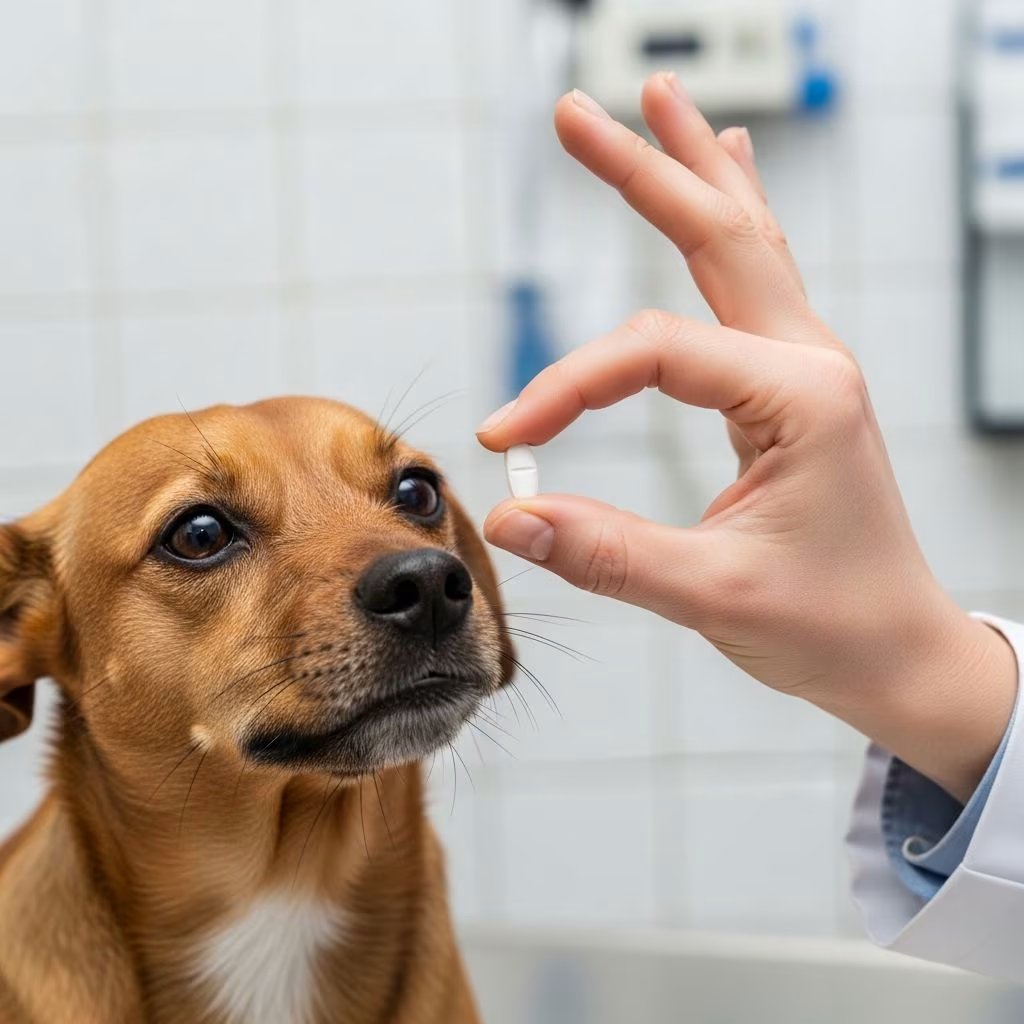
How to Give a Dog a Pill: A Comprehensive Guide for Pet Owners
Administering medication to your dog can be one of the most challenging aspects of pet ownership. Whether your furry companion requires a regular heartworm preventative or antibiotics for an infection, getting them to take their medicine is often easier said than done. Many dogs seem to have an innate ability to detect medication hidden in their food or treats, spitting it out before you can say “vet appointment.” Understanding the various methods available to administer pills to your dog can transform this stressful experience into a manageable part of your pet care routine.
Hiding Medication in Food: The Easiest Approach
The most straightforward method for giving your dog a pill is to hide the medication in food. This approach is often the first choice for veterinarians and pet owners alike because most dogs will readily consume their medication when it’s incorporated into their meals without suspicion. In many cases, dogs will even eat medication on its own, particularly when it comes to common preventatives like heartworm treatments.
Using Canned Food for Pill Administration
One of the simplest techniques is to conceal the pill in canned food that’s part of your dog’s regular diet. The strong aroma and appealing texture of wet food can effectively mask the taste and smell of medication. When using this method, it’s crucial to use a small portion of food to ensure your dog consumes the entire dose without leaving the pill behind. Many pet owners make the mistake of placing the pill in a large bowl of food, only to discover their dog has eaten around the medication, leaving it uneaten at the bottom of the dish.
Commercial Pill Pockets and Cheese Wraps
Commercial products like Pill Pockets have revolutionized the way pet owners administer medication. These specially designed treats have a pocket where you can insert the pill, and their appealing flavor often convinces dogs to swallow them whole without chewing. Alternatively, wrapping a pill in a small piece of cheese creates an effective homemade solution that works just as well. The key to success with this method is choosing a dog treat that your pet will gulp down without thoroughly chewing, as chewing may expose the unpleasant-tasting medication inside.
However, pet owners should be aware that dogs with food sensitivities or allergies may have adverse reactions to the ingredients in commercial pill pockets. If your dog has a history of gastrointestinal issues or food allergies, consult with your veterinarian before using these products. Additionally, dogs that are habitual chewers may eventually learn to detect and spit out hidden medication, making this method less effective over time.
Creating Special Meatball Treats
For dogs that are particularly picky or suspicious, creating a special homemade meatball can work wonders. Form a small ball of ground meat, cream cheese, or another favorite food around the pill, making it compact enough to be swallowed quickly. The novelty of receiving a special treat separate from regular meals can make your dog more excited to consume it without hesitation.
Managing Medication in Multi-Pet Households
Pet owners with multiple dogs face unique challenges when medicating a single animal. Dogs are naturally competitive and observant, and they quickly learn which treats contain medication versus which ones are simply enjoyable snacks.
Timing and Special Treatment Strategy
One effective approach is to give medicated pills as a special treat at a time distinctly separate from regular mealtimes. By singling out the dog requiring medication, you create an illusion that they’re receiving something special and desirable rather than something medicinal. This strategy works particularly well for short-term medications because, over extended periods, even the most unsuspecting dog will eventually catch on to the pattern.
Using Treat Competition to Your Advantage
Alternatively, you can give treats to all your dogs simultaneously, with only one treat containing the medication. If there’s natural competition among your pets for treats, the medicated dog will feel compelled to eat quickly, consuming the pill before investigating it too closely. This method works best when the dog needing medication is the treat-stealing member of your household rather than the shy one who lets others take their food. However, this strategy requires careful supervision to prevent fights over treats and to ensure that other animals don’t accidentally consume the medicated treat.
Administering Pills Directly: Proper Technique
When hiding medication in food proves unsuccessful, you may need to administer the pill directly into your dog’s mouth. While this method can be highly effective, it requires proper technique and caution to ensure both your safety and your dog’s comfort.
Understanding Dog Anatomy and Pill Placement
A dog’s tongue has a natural hump, and successful pill administration depends on placing the medication behind this anatomical feature. To accomplish this, you’ll need to gently open your dog’s mouth and position the pill far enough back on the tongue to trigger the swallowing reflex. Once the pill is properly positioned, close your dog’s jaws gently and stroke their throat in a downward motion to encourage swallowing. This technique requires practice and a calm demeanor from both you and your pet.
Safety Considerations When Pilling Your Dog
Placing your fingers in your dog’s mouth carries inherent risks, including accidental bites. If you’re concerned about being bitten or if your dog is aggressive, talk to your veterinarian or veterinary technician before attempting this method. Numerous online tutorials provide excellent demonstrations of proper pilling technique, which can help you understand the process before attempting it at home. It’s important to note that this forceful method can be stressful for animals and may result in the dog running away and hiding for several days afterward. For shy, nervous, or anxious dogs, this approach is generally not recommended as it can exacerbate behavioral issues and damage your relationship with your pet.
Using Pill Administration Devices
Modern veterinary science has produced several useful tools to make pill administration safer and less stressful. Pill devices place the medication directly into your dog’s mouth without requiring you to insert your fingers, significantly reducing the risk of accidental bites. These devices allow you to maintain a safe distance while still ensuring the pill reaches the back of your dog’s throat where it will be swallowed. Learning to use a pill device correctly can transform medication administration from a stressful wrestle into a quick, efficient process.
Alternative Medication Formulations
If traditional pill administration proves consistently unsuccessful, discussing alternative medication forms with your veterinarian can provide a viable solution.
Liquid and Compounded Medications
Many medications can be formulated as liquid solutions or compounded into flavored treats that dogs find more palatable. Liquid medications can be squirted directly into your dog’s mouth or mixed into food, though be prepared for potential mess if your dog spits out the medication. Compounded medications are specially prepared by pharmacies to improve taste and ease of administration, making them ideal for dogs that refuse traditional pills. However, these alternatives typically cost more than standard pills, and your veterinarian may advise against compounding certain medications if doing so could affect their effectiveness. Not all pharmacies offer compounding services, so your veterinarian can recommend reputable compounding pharmacies in your area.
Transdermal and Topical Medications
Some medications can be formulated as transdermal patches or topical applications that absorb through the skin, eliminating the need for pills altogether. These formulations work exceptionally well for pill-avoiding dogs and can be particularly useful for long-term medications. However, transdermal medications must be specially prepared and therefore cost more than standard formulations. When applying these medications, always wear gloves because they can absorb through human skin just as easily as through your dog’s skin. Follow all application instructions carefully to ensure proper dosing and effectiveness.
Heartworm Preventatives and Topical Applications
Heartworm preventative medications often come in topical formulations that are applied directly to your dog’s skin, typically between the shoulder blades. These convenient applications eliminate pill-related stress while providing reliable disease prevention. As with all topical medications, careful adherence to application instructions is essential for maintaining efficacy.
Getting Professional Help and Support
Restraining your dog while attempting to administer medication requires skill and coordination. If possible, recruit a family member or friend to help hold your dog steady while you focus on getting the medication administered. Having an extra set of hands can make the process safer, faster, and less stressful for everyone involved. Your veterinarian or veterinary technician can provide demonstrations of proper pilling technique, ensuring you understand the correct method before attempting it at home. Don’t hesitate to ask for this guidance, as successful medication administration truly is an art form that improves with practice and proper instruction.
Making the Process Stress-Free
The emotional experience surrounding medication administration can significantly impact your dog’s behavior and your overall relationship. After successfully administering a pill, reward your dog with a small treat or praise to create positive associations with the process. Maintaining a calm demeanor throughout the experience, even if you feel frustrated, helps keep your dog relaxed and cooperative. The last thing you want is for medication time to become a source of anxiety or conflict between you and your beloved pet.
Frequently Asked Questions
Q: What should I do if my dog refuses all food-based pill hiding methods?
A: If your dog consistently refuses hidden pills in food, discuss alternative formulations with your veterinarian, such as liquid medications, compounded treats, or transdermal applications. Using a pill device for direct administration may also be necessary.
Q: Can I crush my dog’s pills to mix them with food?
A: Never crush medication without consulting your veterinarian first. Some medications lose effectiveness when crushed, while others may cause gastrointestinal upset in that form. Always ask your vet before altering how medication is administered.
Q: How can I tell if my dog actually swallowed the pill?
A: When using food-based methods, use the smallest portion possible to ensure complete consumption. Watch your dog’s mouth and throat movement when using direct administration techniques. When in doubt, ask your veterinarian for confirmation.
Q: What if my dog has a food allergy and I can’t use pill pockets?
A: Use hypoallergenic foods your dog safely eats, such as plain chicken, specific prescription diet foods, or ask your veterinarian about allergy-safe compounding options.
Q: Is it harmful to my dog if they occasionally miss a dose?
A: This depends entirely on the medication type and your dog’s condition. Contact your veterinarian immediately if a dose is missed, as they can advise whether a makeup dose is necessary or if the regular schedule should continue.
Q: How long does it typically take to administer a pill using direct placement?
A: With proper technique, direct pill administration takes just a few seconds. Having an assistant hold your dog steady can further reduce the time required.
References
- How to Give a Dog a Pill — Best Friends Animal Society. Accessed 2025-11-28. https://bestfriends.org/pet-care-resources/how-give-dog-pill
- How to Give a Dog a Pill: 6 Tips for Pet Owners to Try — American Kennel Club. Accessed 2025-11-28. https://www.akc.org/expert-advice/health/how-to-give-a-dog-a-pill/
- Heartworm Disease Management — Best Friends Animal Society. Accessed 2025-11-28. https://bestfriends.org/network/resources-tools/heartworm-disease-management



