

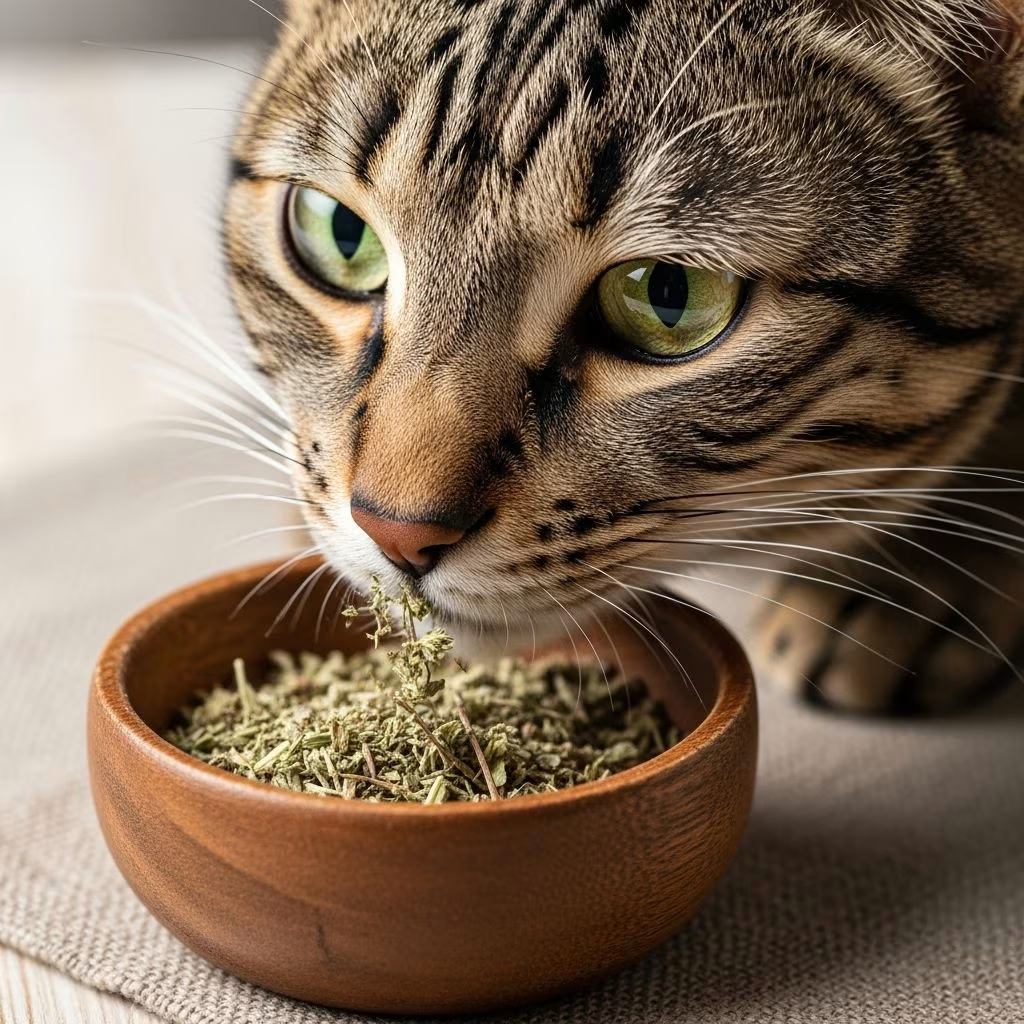
Lots of cats go bananas for catnip, but knowing how to give cats catnip safely and effectively can enhance playtime, reduce boredom, and promote healthy behaviors. Catnip (*Nepeta cataria*), a member of the mint family, triggers euphoric responses in about two-thirds of cats through its active compound, nepetalactone. This guide covers the pros and cons, four vet-approved methods, safety considerations, and answers to common questions.
What Is Catnip and Why Do Cats Love It?
Catnip is a perennial herb with light-green foliage and lavender flowers, native to North America and Europe. Its key compound, nepetalactone, is stored in microscopic bulbs on the leaves and stems. When sniffed, chewed, or rubbed against, it enters the cat’s nasal cavity, binding to sensory neurons and activating brain areas linked to pleasure—mimicking feline sex pheromones.
Common reactions include:
- Sniffing and rubbing the face/head against it
- Rolling on the ground
- Twitching or rippling of the back
- Jumping, flipping, and playful pouncing
- Drooling and excessive grooming
- Stretching or apparent ‘hallucinations’
- Relaxation or brief euphoria lasting 5-15 minutes
Not all cats respond—genetics determine sensitivity, affecting roughly 66-75% of felines. Kittens under 6-9 months and seniors may show little reaction, and effects wane after repeated exposure until a reset period of about an hour.
Pros and Cons of Giving Your Cat Catnip
Offering catnip provides natural enrichment but requires moderation.
Pros
- Natural amusement: Sparks play, exercise, and mental stimulation.
- Safe when used properly: No addiction risk; cats build tolerance but experience no withdrawal.
- Alleviates boredom: Redirects energy from destructive behaviors like furniture scratching.
- Reduces stress: Mimics endorphin release, aiding anxiety, separation issues, or vet trips.
- Encourages healthy habits: Promotes scratching post use and claw maintenance.
Cons
- Temporary effects (10-15 minutes), requiring spaced use.
- Potential overstimulation: Rare aggression or hyperactivity in sensitive cats.
- Gastrointestinal upset if overeaten (vomiting, diarrhea).
- Tolerance buildup with daily use, diminishing response.
- Not universal: 25-33% of cats ignore it.
The 4 Ways to Give Your Cat Catnip
Here are four vet-recommended methods to introduce catnip safely. Start with small amounts of dried or fresh organic catnip to gauge your cat’s reaction.
1. Rub Catnip on Toys
Crush dried catnip leaves and sprinkle or rub them onto existing toys like balls, mice, or wand teasers. The scent entices sniffing, rubbing, and vigorous play. Reapply every few days as the aroma fades. For durability, choose toys with catnip-infused filling, such as bite-proof sticks handmade with 100% organic catnip.
Tip: Use sparingly—about 1/4 teaspoon per toy—to avoid waste and overstimulation.
2. Add Catnip to a Scratching Post
If your scratching post goes unused, dust it with catnip powder or spray catnip-infused mist. This creates positive associations, encouraging scratching to sharpen claws and mark territory naturally. Benefits include reduced furniture damage and healthier nails.
Spray or sprinkle weekly, focusing on sisal or cardboard posts for best adhesion.
3. Grow Your Own Catnip Plant
Cultivate catnip indoors or outdoors for a fresh, endless supply. Plant in well-drained soil with full sun; it’s hardy and self-seeding. Pinch leaves as needed, but elevate pots or use hanging baskets—cats may chew excessively, leading to tummy upset.
Growing Tips:
- Start from seeds or cuttings in spring.
- Harvest leaves before flowering for peak potency.
- Dry extras by hanging upside down in a dark, airy spot.
4. Make DIY Catnip Toys
Create custom toys at home for cheap, personalized fun. A simple recipe:
- ¼ cup organic dried catnip
- ½ cup organic cotton stuffing
- Fabric scraps (felt or cotton)
- Sewing needle and thread
- Mix catnip with stuffing.
- Form into small balls.
- Wrap in fabric and sew securely to prevent leaks.
- Offer to your cat for batting and chewing.
Alternatives: Stuff socks, sew felt mice, or fill tennis balls with holes punched for scent release.
How Long Does Catnip Last and When Does It Kick In?
Effects typically begin within seconds of sniffing, peaking in 2-5 minutes and lasting 5-15 minutes. A refractory period follows, where cats ignore catnip for 30-60 minutes due to sensory overload. Vomiting is rare unless ingested in large quantities; when eaten, it acts more as a sedative than stimulant.
Is Catnip Safe for Cats?
Yes, catnip is non-toxic and safe in moderation for all ages, though kittens under 6 months may not respond. Avoid overindulgence to prevent GI issues or aggression. It’s not addictive—studies confirm no withdrawal symptoms. Use during heat cycles for distraction, but monitor for heightened excitability.
| Factor | Response Likelihood | Notes |
|---|---|---|
| Kittens (<6 months) | Low | Immature olfactory system |
| Adults | High (66-75%) | Genetic; peaks at sniffing |
| Seniors | Variable | May prefer calming effects |
| Frequent Use | Tolerance | Reset after 1 hour |
Frequently Asked Questions (FAQs)
Q: Can cats get addicted to catnip?
A: No, cats cannot get addicted. They may develop tolerance with frequent exposure, but no withdrawal occurs.
Q: Can cats eat catnip?
A: Yes, it’s safe in small amounts, though eating tends to sedate rather than excite. Limit to avoid vomiting.
Q: At what age can kittens have catnip?
A: Safe for all ages, but most don’t react until 6-9 months.
Q: Does catnip help cats in heat?
A: It can distract and calm briefly, but results vary; monitor for aggression.
Q: Why do some cats go crazy on catnip?
A: Nepetalactone triggers opioid-like endorphin release, mimicking euphoria or sex hormones.
Q: How often can I give my cat catnip?
A: 1-2 times weekly prevents tolerance; rotate methods for best results.
By incorporating catnip thoughtfully, you provide safe, engaging enrichment that strengthens your bond and keeps your cat happy and healthy.
References
- Can Cats Get Addicted to Catnip? Vet Approved Facts & FAQ — Catster. 2023. https://www.catster.com/cat-health-care/can-cats-get-addicted-to-catnip/
- How to Give Cats Catnip: 4 Vet-Approved Ways & FAQ — Catster. 2023. https://www.catster.com/cat-health-care/how-to-give-cats-catnip/
- Why Does Catnip Make Cats Go Crazy? What Science Tells Us — Catster. 2023. https://www.catster.com/cat-health-care/why-does-catnip-make-cats-go-crazy/
- Does Catnip Help a Cat in Heat? Vet-Reviewed Facts & FAQ — Catster. 2023. https://www.catster.com/cat-health-care/does-catnip-help-a-cat-in-heat/
- Can Cats Eat Catnip or Is It Just for Sniffing? Vet-Verified Facts — Catster. 2023. https://www.catster.com/nutrition/can-cats-eat-catnip/
- Is Catnip Safe for Cats? Vet-Reviewed Facts & FAQ — Catster. 2023. https://www.catster.com/cat-health-care/is-catnip-safe-for-cats/



