

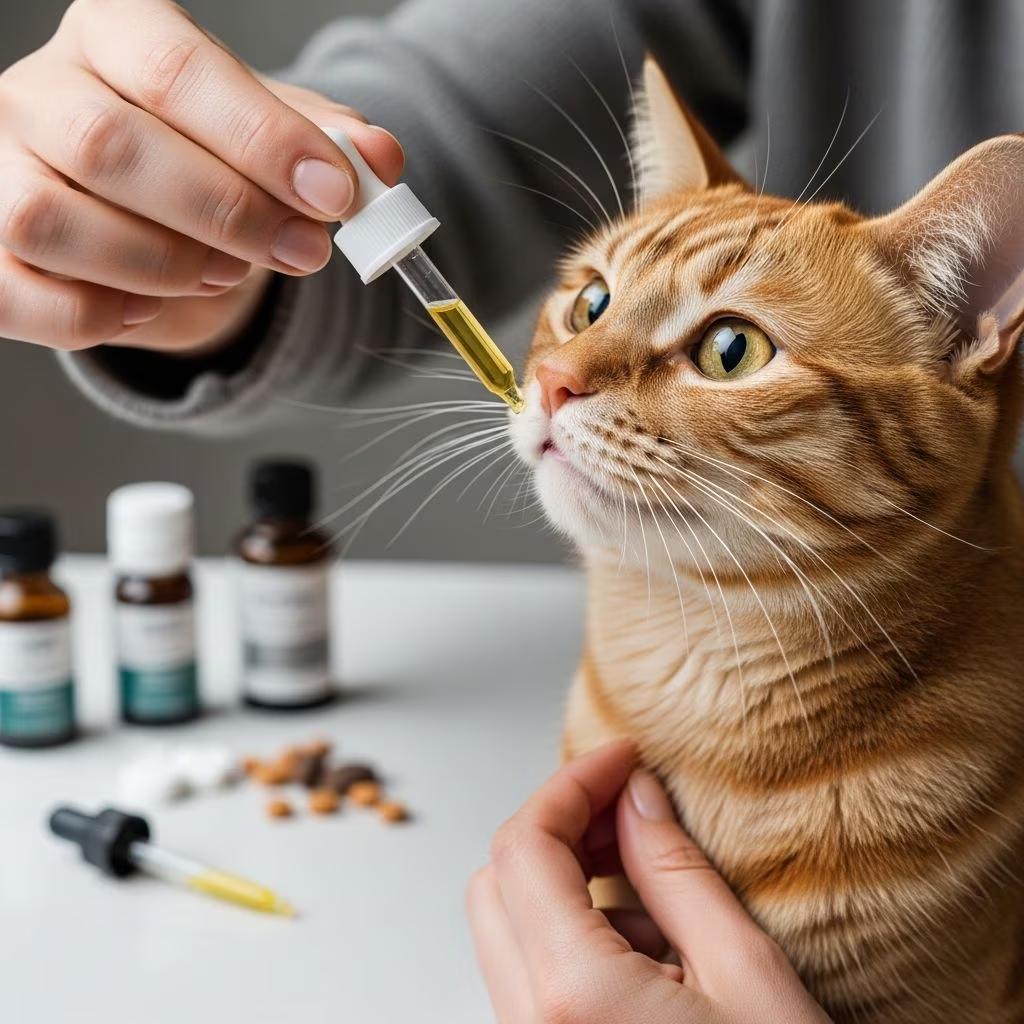
How to Give Cat Supplements: A Complete Guide to Feline Wellness
As a dedicated cat parent, you want to ensure your furry companion lives a long, healthy, and vibrant life. One way to support your cat’s wellness is through proper supplementation. However, giving your cat supplements requires knowledge about which products work best, how to administer them effectively, and when supplementation is truly necessary. This comprehensive guide will walk you through everything you need to know about giving cat supplements to optimize your feline’s health.
Understanding Cat Supplements and Their Purpose
Cat supplements are dietary products designed to fill nutritional gaps that may not be adequately covered by your cat’s regular food. While a high-quality, well-balanced cat food should provide most essential nutrients, certain life stages, health conditions, or individual needs may warrant supplementation. Supplements come in various forms and target specific health concerns ranging from digestive health to joint support, immune function, and coat quality.
It’s important to note that supplements are not medications and should not replace veterinary care. Instead, they work as preventative measures or supportive tools alongside a balanced diet and professional veterinary guidance. Before introducing any new supplement to your cat’s diet, consult with your veterinarian to ensure it’s appropriate for your pet’s specific health needs and age.
When Your Cat May Need Supplements
Not all cats require supplements. Healthy young cats eating AAFCO-approved, veterinary-formulated food typically get all the nutrients they need from their regular diet. However, certain situations may warrant supplementation:
- Senior cats: Aging cats may benefit from joint support, mobility supplements, and additional nutritional support as their metabolism changes
- Pregnant and nursing cats: These cats experience significant nutritional demands and may develop deficiencies requiring multivitamin supplementation
- Cats with chronic health conditions: Conditions like upper respiratory infections, feline herpes, or digestive issues may require targeted supplements
- Cats with dietary sensitivities: Cats with allergies or specific health challenges may need targeted nutritional support
- Recovery periods: Cats recuperating from illness or surgery may benefit from high-calorie or specialized supplements
Common Cat Supplement Types and Their Benefits
Multivitamins
Multivitamin supplements are among the most popular supplemental options for cats. These comprehensive formulas typically contain essential nutrients including taurine, an amino acid crucial for heart and vision health that cats cannot produce themselves. Quality multivitamins also contain B vitamins, probiotics, electrolytes, omega fatty acids, and iron. Multivitamins come in various forms including gels, liquids, soft chews, and tablets, making administration flexible based on your cat’s preferences.
Omega Fatty Acids
Omega-3 and omega-6 fatty acids support skin health, coat shine, and overall inflammation management in cats. These supplements are particularly beneficial for cats with dry skin, dull coats, or inflammatory conditions. Omega supplements come in liquid, gel, and mousse formats, with many featuring fish oil as the primary ingredient. Fish-based formulas appeal to most cats’ natural dietary preferences.
Joint and Mobility Supplements
Glucosamine and chondroitin supplements help maintain joint health and cartilage integrity in cats, particularly important as they age. Much joint damage occurs when cats are young and active, making preventative supplementation valuable. These supplements support mobility, reduce stiffness, and promote long-term joint health.
Immune Support Supplements
L-lysine supplements provide powerful immune support for cats suffering from chronic viral diseases like upper respiratory infections or feline herpes. This essential amino acid helps manage viral load and supports respiratory and immune system function. L-lysine comes in powder, chew, and bite-sized formats, with dosages typically around 500 mg per serving.
Digestive and Probiotic Supplements
Probiotic supplements contain beneficial bacteria that support gastrointestinal health, promote healthy digestion, and encourage normal stool quality. Prebiotics work synergistically with probiotics by stimulating the growth of beneficial bacteria in the digestive system. These supplements are particularly helpful for cats with digestive sensitivities or irregular bowel movements.
Calming Supplements
For anxious or stressed cats, calming supplements containing specialized probiotic strains can support relaxed behavior and emotional stability. These formulas work gradually to promote natural calm without sedation.
Forms of Cat Supplements: Choosing What Works for Your Cat
Cat supplements come in multiple formats, allowing you to choose the option that works best for your individual feline:
| Supplement Form | Advantages | Best For |
|---|---|---|
| Soft Chews | Tasty, easy to administer, appealing to most cats, precise dosing | Cats that enjoy treats, finicky eaters with flavored options |
| Tablets/Pills | Long shelf life, concentrated nutrition, versatile dosing options | Cats that tolerate direct administration or can hide in food |
| Liquids/Gels | Easy to mix into wet food, precise measurements, good for picky eaters | Senior cats, cats with swallowing difficulties, those in wet food |
| Powders | Highly concentrated, flexible dosing, easily mixed into meals | Cats eating wet food, multiple-pet households, customizable dosing |
| Water Additives | Simple administration, no food mixing required, discreet dosing | Cats that drink adequate water, supplementation without food changes |
| Mousse/Toppers | Highly palatable, appealing to finicky eaters, easy application | Picky cats, those preferring lickable formats, easy acceptance |
How to Administer Cat Supplements
Follow Package Instructions
Always follow the dosage and frequency recommendations provided on the supplement packaging. These guidelines are established based on clinical testing and veterinary research. Never exceed recommended dosages, as more is not better and could potentially cause harm.
Administration Methods
Mixed into wet food: For powders, liquids, and gels, mix the supplement thoroughly into your cat’s wet food. This works well for cats who eat wet meals regularly.
Direct administration: Soft chews and tablets can be given directly by mouth. Offer the supplement as a treat, and most cats will accept it willingly. If your cat resists, try hiding tablets in pill pockets or wrapping them in a small amount of soft food.
Coating food: Sprinkle powder supplements over regular food, ensuring they stick to moistened kibble or wet food for better acceptance.
Water additives: Some supplements dissolve in drinking water, providing supplementation without direct administration or food modification.
Training and positive reinforcement: Reward your cat with praise or treats after accepting their supplement to create positive associations with supplementation time.
Dealing with Picky Eaters
If your cat refuses supplements mixed into food, try offering supplements in more palatable formats. Fish-flavored supplements appeal to most cats’ natural preferences. Lickable mousses and soft chews often work better for finicky felines than tablets or powders. You can also try warming wet food before adding supplements, as this can enhance aroma and appeal.
Herbal Supplements for Cat Health
Herbal supplements offer natural support for various feline health concerns. Licorice root, for example, supports digestive health with natural anti-itch properties similar to cortisone, and helps normalize digestive tract function. This herb can benefit cats with upset stomachs and gastrointestinal sensitivity.
Herbal formulas combining multiple beneficial plants like nettle leaf, eyebright herb, and burdock root support natural immune function and help maintain healthy histamine levels, making them particularly valuable during allergy seasons. These formulas work synergistically to provide comprehensive natural support.
Understanding FDA Status and Veterinary Guidance
Most cat supplements are not FDA-approved, which differs from pharmaceutical medications. This distinction means supplements undergo different regulatory standards and testing processes. Veterinary oversight remains crucial to ensure you’re selecting appropriate, safe products for your specific cat. Your veterinarian understands your cat’s complete health history and can recommend supplements that align with your feline’s unique needs and any existing medications or conditions.
Considerations for Special Life Stages
Kittens
Young, healthy kittens eating quality kitten food typically don’t need supplementation. However, if your kitten experiences digestive upset or shows signs of nutritional deficiency, your vet may recommend supplements. Always verify that any supplement is safe for kittens, as some formulations are designed specifically for adults.
Adult Cats
Healthy adult cats eating balanced commercial food rarely need supplements. However, if your cat has specific health challenges, dietary sensitivities, or you notice changes in coat quality or energy levels, supplements may help. Joint supplements can also be valuable for active cats to support long-term joint health.
Senior Cats
Aging cats often benefit significantly from supplementation. Joint support becomes increasingly important as mobility naturally decreases with age. Senior formulas provide high-calorie support for cats with changing metabolic needs, and supplements promoting cognitive function and digestive health address common age-related concerns.
Creating a Supplement Routine
Consistency improves supplement effectiveness and helps you track your cat’s response. Establish a regular administration time, ideally daily at the same moment. This creates a routine your cat can anticipate and adapt to more easily. Keep detailed notes about any health changes you observe after starting supplements, whether positive or negative, to share with your veterinarian at checkups.
Frequently Asked Questions About Cat Supplements
Q: Do all cats need supplements?
A: No. Healthy young cats eating high-quality, AAFCO-approved commercial cat food formulated by veterinary nutritionists typically receive all necessary nutrients from their diet alone. Supplements become more valuable for senior cats, pregnant or nursing cats, cats with chronic health conditions, and those with specific nutritional deficiencies.
Q: Can supplements replace a quality diet?
A: Absolutely not. A balanced, nutritionally complete diet should form the foundation of your cat’s nutrition. Supplements work to enhance and support nutrition, not replace it. Always prioritize feeding your cat high-quality commercial food or properly formulated home-cooked meals under veterinary guidance.
Q: Are supplements safe for all cats?
A: Most quality supplements are safe for healthy cats when given at recommended dosages. However, some supplements may interact with medications or be inappropriate for cats with certain health conditions. Always consult your veterinarian before starting any new supplement, particularly if your cat takes medications or has existing health concerns.
Q: How long before I see results from supplements?
A: Results vary depending on the supplement type and your cat’s individual response. Some benefits like improved coat quality may become apparent within weeks, while joint support may require several weeks of consistent supplementation to demonstrate noticeable improvement. Discuss realistic timelines with your veterinarian.
Q: What should I do if my cat refuses supplements?
A: Try different supplement formats. If your cat refuses tablets, try soft chews, liquids, or lickable mousses. Mix supplements into different food flavors or textures to find what your cat accepts most readily. If your cat consistently refuses all formats, discuss alternative supplementation methods with your veterinarian.
Q: Can I give my cat human supplements?
A: No. Always use supplements formulated specifically for cats. Feline nutritional requirements differ significantly from human needs, and some human supplements may contain ingredients harmful to cats. Only use products specifically labeled for feline use.
Q: Should I give supplements to pregnant or nursing cats?
A: Yes. Pregnant and nursing cats experience significant nutritional demands and often benefit from supplementation like multivitamins. However, work with your veterinarian to determine which supplements are appropriate during pregnancy and nursing to ensure both mother and kittens receive proper nutrition.
Conclusion: Supporting Your Cat’s Optimal Health
Giving your cat supplements when appropriate can meaningfully support their health, wellness, and quality of life. By understanding different supplement types, choosing appropriate administration methods, and following veterinary guidance, you can make informed decisions that benefit your feline companion. Remember that supplements should enhance—never replace—a balanced diet and professional veterinary care. Work closely with your veterinarian to develop a supplementation plan tailored to your individual cat’s unique health needs and life stage, ensuring your beloved pet enjoys the long, healthy, and happy life they deserve.
References
- Cat Vitamins & Supplements: Best Cat Supplements — Chewy. 2025. https://www.chewy.com/education/cat/health-and-wellness/give-cat-supplements
- Does Your Cat Need a Multivitamin? — Chewy. 2025. https://www.chewy.com/education/cat/health-and-wellness/everything-you-need-to-know-about-cat-multivitamins
- Taurine for Cats: What It Is, and Why It’s So Essential — Chewy. 2025. https://www.chewy.com/education/cat/food-and-nutrition/taurine-for-cat-nutrition
- What Are Prebiotics and Probiotics and How Can They Help Your Cat? — Chewy. 2025. https://www.chewy.com/education/cat/food-and-nutrition/probiotic-prebiotic-treats-cats
- Herbal Pet Supplies for Cats — Chewy. 2025. https://www.chewy.com/education/cat/health-and-wellness/beneficial-herbal-cat-supplements



