
How To Give A Cat A Pill: 4 Easy, Stress-Free Methods
Master the art of administering pills to your cat with proven techniques and strategies.
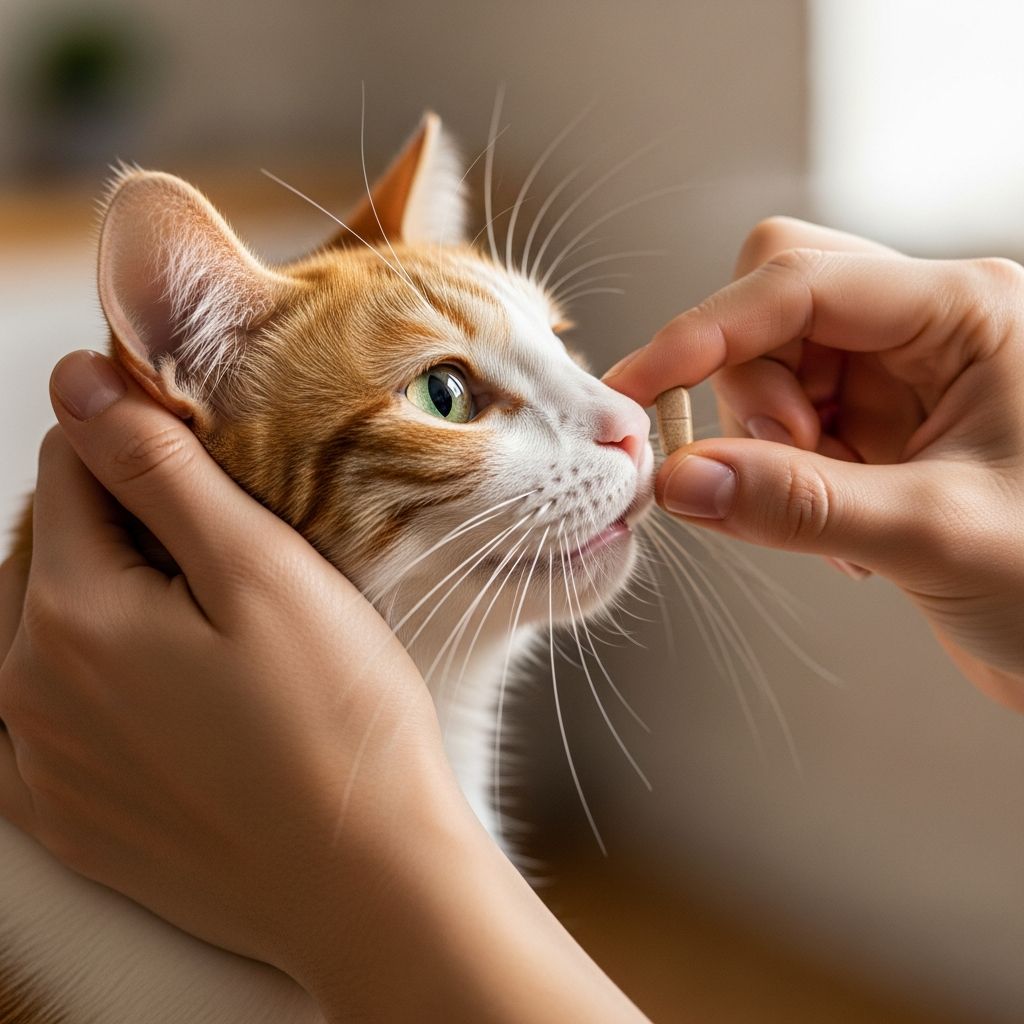
How to Give a Cat a Pill or Tablet
Administering medication to cats can be one of the most challenging tasks a pet owner faces. Whether your feline companion needs antibiotics, pain relief, or other essential medications, getting them to take a pill requires patience, technique, and sometimes a bit of creativity. Medicines in pill or capsule form are commonly prescribed to treat a variety of feline conditions, but many cats instinctively resist taking pills. Understanding the proper methods and having backup strategies can make this necessary task significantly easier for both you and your cat.
Understanding Why Cats Resist Pills
Cats are naturally suspicious creatures, and their resistance to pills often stems from their keen senses and independent nature. They can detect the taste, smell, and texture of medications, which triggers their defensive instincts. Additionally, the act of forcing a pill down a cat’s throat can feel threatening and invasive to them, potentially damaging your trust-based relationship. Recognizing these challenges is the first step toward finding solutions that work best for your individual cat.
Method 1: The Direct Administration Technique
For many cat owners, directly administering a pill remains the most straightforward approach. This method requires proper technique to ensure both your safety and your cat’s comfort. Here’s how to master this fundamental skill:
Step-by-Step Direct Administration
Preparation: Before attempting to give your cat a pill, gather everything you need. Have the pill ready, ensure you know the correct dosage, and consider having a treat or reward nearby. Some owners find it helpful to have a helper present, especially when first learning the technique. Make sure you’re in a calm state of mind, as cats can sense tension and anxiety.
Positioning: Hold the top of your cat’s mouth on both sides with one hand, applying gentle but firm pressure. Use your thumb and fingers to hold the upper jaw securely. With your other hand, gently open your cat’s lower jaw by pressing down on the chin. This two-handed approach gives you control while minimizing the risk of being bitten.
Pill Placement: Once the mouth is open, use your free hand or a pill gun to place the pill as far back in the throat as possible. The farther back you place it, the less likely your cat will be able to spit it out. Drop the pill quickly and decisively, then immediately close the mouth and hold it gently closed for a few seconds.
Swallowing Verification: Gently stroke your cat’s throat to encourage swallowing. You should see a small bobbing motion indicating the pill has been swallowed. Some owners follow pill administration with a small amount of water or a tasty treat to help flush the medication down and reward the cat for cooperation.
Method 2: Hiding Pills in Food
Many cat owners find success by disguising pills in food, a method that eliminates the stress of direct administration for both pet and owner. This approach works particularly well for cats that are motivated by food and for owners who struggle with the direct technique.
Effective Food Carriers
Not all foods work equally well for hiding pills. Wet cat food is often the best choice because it’s moldable and can be formed around the pill. Tuna, salmon, and chicken-flavored wet foods tend to have strong odors that can mask the pill’s smell. You can also try:
- Small pieces of cooked chicken or turkey
- Cream cheese or butter (in small amounts)
- Pill pockets made specifically for cats
- A small amount of wet food wrapped in a thin layer of more aromatic food
- Liverwurst, which has a very strong smell that masks medication odors
Important Consideration: Always check with your veterinarian before hiding medications in food, as some medications require an empty stomach for proper absorption, or may interact negatively with certain foods. Additionally, if your cat is on a special diet due to health conditions, ensure the food carrier won’t interfere with their dietary requirements.
Best Practices for Food Administration
When using food to administer pills, present the medicated portion separately from your cat’s regular meal. Give your cat the pill-containing food first while they’re hungry and focused. If they eat it without detecting the pill, offer additional food rewards to create a positive association. This method works best when your cat isn’t suspicious, so avoid telegraphing the process or acting nervous about whether they’ll eat it.
Method 3: Using Pill Guns and Devices
Pill guns, also called pet pilling devices, are mechanical tools designed to safely place pills in a cat’s mouth without risking finger injury. These devices hold the pill securely and allow for precise placement at the back of the throat.
How to Use a Pill Gun: Load the pill into the device according to the manufacturer’s instructions. Hold your cat’s mouth open as previously described. Insert the pill gun into the mouth, aiming toward the back of the throat, and press the plunger to release the pill. The device provides a barrier between your fingers and your cat’s teeth, reducing bite risk and giving you more confidence during administration.
Many pet owners find pill guns easier to use than the direct hand method, particularly if they have arthritis or limited hand strength. Practice with the device before attempting to use it on your cat so you’re comfortable with its operation.
Method 4: Liquid and Compounded Alternatives
If your cat absolutely refuses pills or if you consistently struggle with administration, ask your veterinarian about alternative formulations. Many medications that are typically prescribed as pills or capsules can be compounded into liquid or powder forms, making them easier to administer.
Liquid Medications
Liquid medications should come with a dropper or syringe for administration. Fill the dropper or syringe with the prescribed amount of medicine. Gently place the syringe tip inside your cat’s mouth at the side of the cheek, not directly at the throat. Slowly release the medication, allowing your cat to swallow naturally. This method is less invasive than direct pilling and often more acceptable to cats.
Compounded Medications
Compounding pharmacies can reformulate many medications into flavors cats find more palatable or into forms that are easier to administer. Some compounded medications come in treats, making administration feel less like medication administration and more like a regular treat. While compounded medications may cost slightly more, many pet owners find the reduced stress worth the investment.
Preparing Your Cat for Medication
Success with pill administration often depends on preparation. Pilling is a skill that can be learned and improved with practice and education. Several strategies can help your cat become more cooperative:
Training and Desensitization
Spend time gently handling your cat’s mouth and throat when they’re not receiving medication. This desensitization helps them become more comfortable with the process. Reward any cooperation with treats and praise, building positive associations with mouth handling.
Creating Calm Conditions
Choose a quiet time when both you and your cat are calm. Avoid attempting to pill your cat when they’re playful, aggressive, or already stressed. Having an extra pair of hands can be helpful, particularly with resistant cats, though some cats actually become more defensive when multiple people handle them.
Establishing a Routine
Consistency matters with cats. If possible, give medications at the same time each day. This routine helps your cat know what to expect and may reduce overall resistance to the process. Many cats eventually accept medication as part of their daily routine.
When to Call Your Veterinarian
If you’re unable to administer pills safely or if your cat consistently refuses medication, contact your veterinarian. They can provide additional guidance, demonstrate techniques you might not have tried, or adjust your cat’s treatment plan. Never skip doses because you’re unable to administer them—your veterinarian needs to know about compliance issues to ensure your cat receives appropriate care.
Safety Considerations
When administering pills to your cat, keep several safety factors in mind. Always verify you have the correct medication and correct dose before administration. Know the route of administration—whether the medication should be given by mouth, into the ears, or via another route. Understand the dosing frequency, whether medication should be given once daily, every twelve hours, or at another interval. Keep your hands and face protected from potential scratches or bites. If your cat becomes too aggressive or resistant, stop the attempt and try again at a different time.
Frequently Asked Questions
Q: What should I do if my cat spits out the pill?
A: If your cat spits out the pill immediately after administration, don’t re-administer it without consulting your veterinarian, as you may not have given them the full dose. If this happens frequently, discuss alternative formulations with your vet. For future attempts, ensure the pill is placed far enough back in the throat, practice the technique, or try an alternative method like a pill gun or compounded medication.
Q: Can I crush the pill and mix it with food?
A: Never crush a pill without explicit permission from your veterinarian. Many medications have special coatings that allow them to be absorbed properly in the stomach. Crushing can destroy these coatings, reduce effectiveness, or cause stomach upset. Always ask your vet if a medication can be crushed before attempting this method.
Q: How can I tell if my cat actually swallowed the pill?
A: Look for a small bobbing motion in the throat area, which indicates swallowing. You might also gently stroke the throat to encourage swallowing and feel the pill move downward. If you’re uncertain, follow the pill with a small amount of water or offer a favorite treat, which encourages additional swallowing and helps move the pill further down.
Q: Is it safe to use pill pockets for cats?
A: Yes, pill pockets designed specifically for cats are safe when used as directed. However, always ensure the product is appropriate for your cat’s age and health status. Check that the pill pocket ingredients won’t interfere with your cat’s diet or medications. Some cats can detect the pill even inside a pocket, so this method doesn’t work for all felines.
Q: What if my cat refuses all methods of medication?
A: Contact your veterinarian immediately. They may be able to provide alternative medications in different forms, adjust your cat’s treatment plan, or refer you to a veterinary behaviorist who specializes in medication administration challenges. Some veterinary clinics also offer medication administration services if home treatment becomes impossible.
Q: Should I give medication with or without food?
A: This depends on the specific medication. Some medications should be given on an empty stomach for proper absorption, while others should be given with food to prevent stomach upset. Always follow your veterinarian’s specific instructions regarding food and medication administration.
References
- How to Give Your Cat a Pill — Vetstreet. 2024. https://www.vetstreet.com/cats/how-to-give-your-cat-medication
- How to Give Your Cat Liquid Medicine — Vetstreet. 2024. https://www.vetstreet.com/cats/how-to-give-your-cat-liquid-medicine
- Simple Strategies to Get a Cat to Take a Pill — Vetstreet. 2024. https://www.vetstreet.com/our-pet-experts/simple-strategies-to-get-a-cat-to-take-a-pill
- 5 Things Every Owner Needs to Know About Giving Cats Pills — Vetstreet. 2024. https://www.vetstreet.com/our-pet-experts/5-things-every-owner-needs-to-know-about-giving-cats-pills
- Care Guides: Medicine Administration — American Animal Hospital Association. 2024. https://www.aaha.org/
Similar Articles








Read full bio of Sneha Tete




