

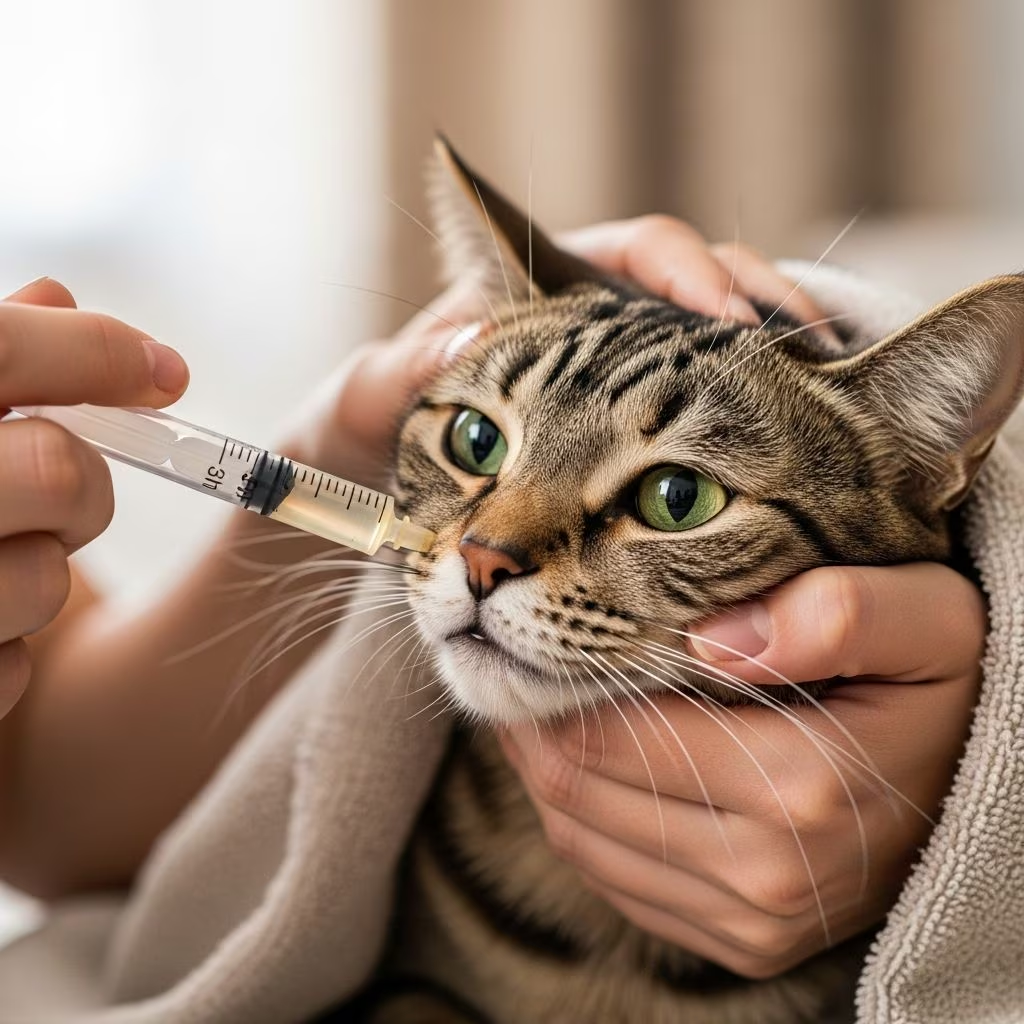
How to Give a Cat Liquid Medicine Safely
Administering liquid medication to your cat can seem daunting, but with the right preparation and techniques, you can make the process smooth and stress-free for both you and your feline companion. Whether your veterinarian has prescribed antibiotics, pain relievers, or other medications in liquid form, understanding the proper methods will ensure your cat receives the full dose and maintains a positive relationship with you during treatment.
Before You Begin: Essential Preparation
Successful medication administration starts long before you approach your cat. Taking time to prepare properly can significantly reduce stress and improve your chances of successfully delivering the full dose.
Gather Your Supplies
Before involving your cat, assemble all necessary materials within arm’s reach. You will need the liquid medication itself, a syringe or dropper (most liquid medications come with one), and a small reward treat to give your cat after administration. Having everything prepared in advance prevents fumbling around while holding your cat, which can increase both your stress and your cat’s anxiety. Check the medication label for any specific instructions, such as whether the medication needs to be shaken before use or if it should be warmed to room temperature.
Draw Up the Correct Dose
Always measure the medication according to your veterinarian’s instructions before your cat is involved. Drawing up the dose in advance prevents delays and ensures accuracy. If the medication has been refrigerated, warm it to room temperature by holding the syringe in your hand for one to two minutes or by placing it in a warm water bath. Never use a microwave, as this can damage the medication and create hot spots that may burn your cat’s mouth.
Positioning Your Cat for Success
How you position your cat plays a crucial role in administering medication safely and effectively. The right positioning reduces stress, prevents injury, and makes the process quicker.
Choosing Your Location
Select a quiet, well-lit area where your cat feels secure and comfortable. Placing your cat on a table or counter provides an ideal angle for administration, allowing you to stand behind or beside them with both arms available to gently hold them in place. Alternatively, you can kneel on the floor and use your legs in a “V” shape to keep your cat gently secure. Some cat owners prefer holding their cat in their lap or the crook of their arm, facing away, to prevent the cat from backing away. Choose the method that feels most comfortable and secure for your situation.
Wrapping Your Cat in a Towel
For cats that are particularly anxious or resistant, wrapping them in a towel can help keep them calm and secure. To properly wrap your cat:
- Place a towel on your work surface and position your cat in the center
- Wrap one end of the towel up and around your cat’s shoulders and back
- Wrap the other end in the opposite direction
- Both ends should wrap around and meet under your cat’s chest
- Ensure your cat’s front and back feet remain inside the wrap for security
Keep the wrapping snug but not uncomfortably tight, and leave your cat’s head fully exposed so you can easily access their mouth. This technique works particularly well for anxious or squirmy cats, as it provides gentle restraint while maintaining comfort.
Getting Assistance
Having an assistant can make medication administration much easier, especially if your cat is large, strong, or particularly resistant. Your assistant can gently restrain your cat by placing one arm around the chest and neck area and a hand on the cat’s back, holding them close to their body. This frees both of your hands to open the cat’s mouth and administer the medication without struggle. If you don’t have an assistant available, the towel-wrapping technique can provide the restraint you need to manage alone.
Step-by-Step Administration Techniques
Once your cat is positioned and prepared, follow these steps to safely deliver the medication.
Opening Your Cat’s Mouth
Gently open your cat’s mouth using one of these techniques. You can position your hand under your cat’s chin or cup it on top of their head to keep the head still. Some cats will open their mouth naturally if you tip their head back slightly, with their nose pointing toward the ceiling. If your cat won’t open their mouth voluntarily, use your thumb on one side of the mouth and your index finger on the other side, gently squeezing to encourage opening. Never force the mouth open or be rough, as this can injure your cat and create negative associations with medication time.
Inserting the Syringe Properly
Once your cat’s mouth is open, insert the syringe into the back corner of the mouth, between the cheek and the molars, rather than directly down the throat. This placement is crucial for safety. Angle the syringe slightly to the side so that the medication deposits onto the tongue rather than straight into the back of the throat, which could cause your cat to inhale the liquid into its lungs. You can also insert the syringe just behind the long canine teeth. This positioning allows your cat to control the medication flow and reduces the risk of choking or aspiration.
Dispensing Medication Slowly
Slowly squeeze the syringe or depress the plunger to administer the medication. Never forcefully squirt liquid medication down your cat’s throat, as this increases the risk of choking, gagging, or inhalation. Depending on the volume of medication you need to give, administer small amounts at one time, allowing your cat adequate time to swallow before giving more. If you’re administering more than a small amount, break it into multiple smaller doses with swallowing time between each one. This approach prevents overwhelming your cat and reduces the likelihood of medication leaking from the mouth, which would result in an incomplete dose.
Alternative Methods: Medication with Food
If your veterinarian confirms that your cat’s medication doesn’t require an empty stomach, mixing it with food can be an easier and less stressful approach.
Mixing Medication into Food
The easiest way to give liquid medication is to mix it with some canned food if safe to do so. Select a food your cat enjoys, such as wet cat food, baby food (ensuring it contains no onion or garlic), plain Greek yogurt, or pureed squeezable treats. Mix the liquid medicine into a small amount of wet food that you feed by hand rather than mixing it into a full bowl, which your cat might not completely consume. This ensures your cat receives the entire dose rather than leaving medication-laced food uneaten in the bowl.
Creating a Medication “Meatball”
Another effective technique involves creating a small “meatball” of canned food and inserting the liquid medicine into the middle of it. This keeps the medication contained and makes it easier to ensure your cat consumes the entire dose. You can then feed this meatball to your cat by hand and watch to confirm they eat it completely. This method works particularly well for cats that are food-motivated and resistant to direct mouth administration.
Creating Positive Associations
How your cat feels about medication time significantly impacts future doses. Building positive associations helps reduce stress and resistance.
Reward Immediately After Medication
Follow medication administration immediately with a treat or praise to reward your cat, create a positive association with the experience, and give them something good to swallow that replaces the taste of medicine. This could be a favorite treat, a small amount of wet food, or enthusiastic praise and petting. Over time, your cat will begin to associate medication time with positive outcomes rather than stress or discomfort.
Keep Sessions Calm and Brief
Minimize stress during medication administration by keeping sessions calm and brief. Avoid chasing your cat around the house to capture them. Instead, calmly approach and gently position them for medication. The entire process should take only a minute or two. If you remain calm and matter-of-fact about the process, your cat will sense your confidence and be less likely to panic.
Special Considerations for Difficult Cases
Some cats are particularly resistant to medication, and these situations require modified approaches and increased patience.
When Your Cat Refuses Liquid Medicine
If your cat consistently refuses to swallow liquid medication, spits out the dose, or starts foaming at the mouth, discuss alternatives with your veterinarian. Some medications are available in pill form, which some cats find easier to tolerate. Additionally, many medications can be compounded into flavored chewable treats by a compounding pharmacy, making administration much easier. Your veterinarian can provide referrals to compounding pharmacies and recommend which medications can be reformulated this way.
Managing Anxiety and Resistance
For anxious cats, try massaging or cuddling them before medication administration to help them relax. Spending a few minutes with calm, gentle interaction can significantly reduce their stress levels. Some cats also respond well to a quiet environment with minimal distractions. If your cat is struggling, distressed, or trying to bite, stop the process and call your veterinarian for additional guidance or alternative solutions. Your safety and your cat’s wellbeing are more important than forcing medication administration.
After Medication: Important Aftercare
What you do after administering medication is just as important as the administration itself.
Monitor for Spitting
Most cats spit out some medication, which is normal. Do not re-medicate unless you are certain that none of the medication was swallowed. A small amount of spillage is common and doesn’t necessarily mean your cat didn’t receive an adequate dose. However, if your cat spits out the entire syringe contents immediately, consult your veterinarian about the best approach.
Encourage Hydration
After medication administration, you can follow up with some water or encourage your cat to drink afterward. Some medications leave an unpleasant taste, and cats may foam at the mouth from the taste, which is completely normal. Offering water helps rinse away the medicinal taste and promotes hydration.
Clean Your Equipment
After each dose, rinse the dropper or syringe thoroughly with water to prevent medication buildup and contamination. Store the remaining medication according to label instructions, which often involves refrigeration. Proper equipment maintenance ensures accurate dosing for future administrations.
Helpful Tips and Best Practices
These additional recommendations can improve your medication administration experience:
- A syringe is often easier than a dropper for measuring and administering medication, as syringes provide better control and more accurate dosing
- Always use your dominant hand to hold the syringe, allowing your non-dominant hand to manage your cat’s head and mouth
- Never forcefully squirt liquid medication; instead, use gentle, steady pressure on the plunger
- If your cat likes the taste of medication, you can let them lick it from the tip of the syringe as you slowly depress the plunger
- Keep medication and supplies in a consistent location so you can quickly access everything when it’s time for a dose
- Write down administration times on a calendar to ensure you don’t miss doses
- If you’re unsure about any aspect of medication administration, ask your veterinarian to demonstrate the proper technique
Frequently Asked Questions
Q: Can I hide liquid medication in my cat’s water bowl?
A: Generally, this is not recommended. Cats may refuse to drink water that tastes like medication, and you won’t know if they’ve received the full dose. It’s better to mix medication with food or administer it directly to ensure complete dosing.
Q: What if my cat foams at the mouth after receiving liquid medicine?
A: Foaming is a normal reaction to the taste of medication and not typically a cause for concern. However, if your cat also shows signs of distress, difficulty breathing, or other unusual symptoms, contact your veterinarian immediately.
Q: How do I know if my cat swallowed the medication?
A: Some signs that your cat has swallowed medication include the syringe emptying completely, your cat licking their lips or tongue, and a natural swallowing motion in the throat. Some cats may spit out a small amount even after swallowing most of the dose.
Q: Can I give liquid medication to my kitten using the same techniques?
A: Yes, but use extra gentleness with kittens, as their mouths are smaller and more delicate. Use a smaller syringe if available, and administer smaller quantities at a time. Always consult your veterinarian about proper dosing for kittens.
Q: What should I do if I accidentally give my cat too much medication?
A: Contact your veterinarian or animal poison control center immediately. Have your medication bottle available so you can provide information about what was given and the amount.
Q: Is it better to have my veterinarian administer the medication instead?
A: If your cat is extremely resistant or aggressive, or if you’re uncomfortable administering medication, your veterinarian can help. However, for ongoing medication courses, learning to administer medication yourself at home is often more convenient and cost-effective.
References
- How to Give Cats Liquid Medication — Zoetis Petcare. 2024. https://www.zoetispetcare.com/blog/article/how-give-cats-liquid-medication
- Giving Liquid Medication to Cats — VCA Animal Hospitals. 2024. https://vcahospitals.com/know-your-pet/giving-liquid-medication-to-cats
- How To Give a Cat Liquid Medicine: A Step-By-Step Guide — PetMD. 2024. https://www.petmd.com/cat/general-health/how-to-give-a-cat-liquid-medication
- Cat Medication Administration — Green Valley Veterinary Care. 2024. https://www.greenvalleyveterinarycare.com/services/cat-medication-administration
- How to Give a Cat Liquid Medicine — 8 Easy Steps — Your Pet and You, Elanco. 2024. https://yourpetandyou.elanco.com/us/health-and-care/how-to-give-a-cat-liquid-medicine
- How to Give a Difficult Cat Liquid Medicine — ADAMS Pet Care. 2024. https://www.adamspetcare.com/expert-care-tips/new-pet-owners/how-to-give-a-difficult-cat-liquid-medicine
- Give Your Cat Liquid Medications — Wake Veterinary Medical Center. 2024. https://wakeveterinarymedicalcenter.com/give-your-cat-liquid-medications/



