

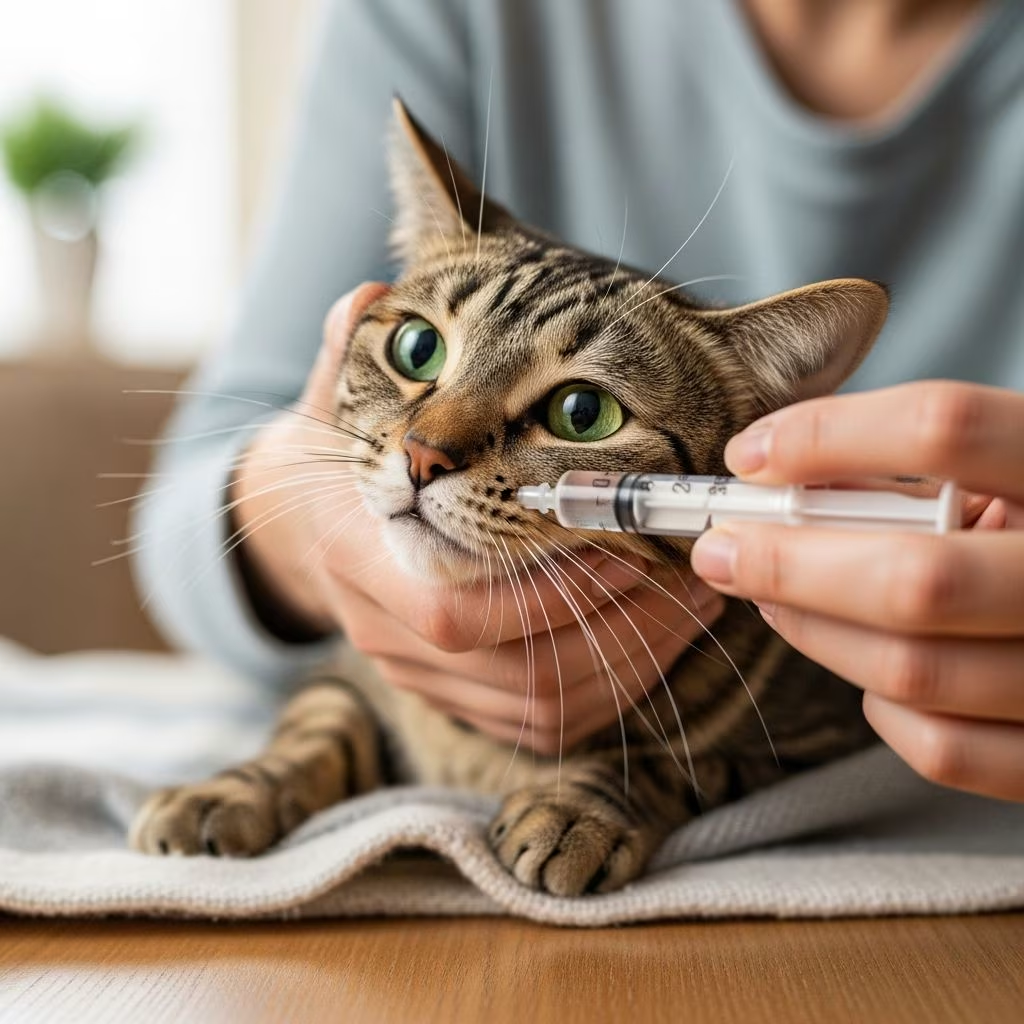
Administering liquid medicine to a cat can be challenging due to their natural aversion to unfamiliar tastes and the stress of handling. However, with the right techniques, you can ensure your feline gets the necessary treatment safely. This guide covers multiple methods, from the easiest food-based approaches to direct syringe administration, towel wrapping for difficult cats, and professional tips to make the process smoother.
Why Giving Liquid Medicine to Cats Is Tricky
Cats are instinctive hunters with sensitive palates, often rejecting bitter or unusual flavors common in medications. Unlike dogs, they resist restraint and may scratch or bite when feeling threatened. Liquid forms are prescribed for precise dosing, especially for kittens, seniors, or cats unable to swallow pills. Always consult your veterinarian before starting, as some meds require an empty stomach or specific timing. Success relies on preparation, patience, and positive reinforcement to build trust.
Preparation Before Administering Medicine
Proper setup minimizes stress and ensures accurate dosing. Gather supplies: veterinarian-prescribed liquid medicine, oral syringe or dropper (often provided), treats, canned wet food (pâté-style), towel or fleece blanket, and gloves if needed. Shake the bottle well as directed, draw the exact dose into the syringe, and warm refrigerated medicine in your hand or warm water for 1-2 minutes—never microwave. Choose a quiet, well-lit room where your cat feels secure to reduce anxiety.
Method 1: Giving Liquid Medicine with Food or Treats
The simplest approach for food-motivated cats is hiding the medicine in enticing edibles. This works best if the vet confirms it’s safe with food.
- Mix into a small portion of wet food: Use 1-2 teaspoons of canned pâté or chunks in gravy. Stir in the medicine thoroughly to mask the taste. Feed by hand or in a dish, ensuring your cat consumes every bit—do not add to a full bowl.
- Create a “meatball”: Form a pea-sized ball of wet food, poke a hole, insert the liquid, and seal it. Offer by hand; many cats devour it eagerly.
- Liquid treat sandwich: Dilute Churu or pureed treats with water, draw into syringe: treat first, then medicine, then more treat. Administer slowly for a flavored delivery.
Monitor for full consumption and praise lavishly. If your cat detects the medicine and refuses, switch methods.
Method 2: Direct Syringe Administration
For cats uninterested in food tricks, use an oral syringe directly. Have an assistant if possible for restraint.
- Fill the syringe: Draw the prescribed dose.
- Position the cat: Sit comfortably, cradle your cat in the crook of your arm facing away, or have a helper hold them gently by chest and back.
- Open the mouth: Tilt head slightly back, insert syringe into the side cheek pouch toward the back corner—never pry jaws or insert fingers to avoid bites.
- Administer slowly: Depress plunger gradually, aiming liquid over the tongue base for swallowing. Pause to let them breathe and swallow.
- Follow up: Offer water, treats, or food immediately for positive association.
If foaming or spitting occurs, do not redose unless none was swallowed. Rinse syringe thoroughly after use.
Method 3: The Burrito Towel Wrap for Difficult Cats
Stubborn or aggressive cats benefit from the “purrito” technique, swaddling the body to expose only the head.
- Materials: Large towel or fleece.
- Step 1: Place cat in center, fold one side over body like a burrito, tucking front leg snugly.
- Step 2: Fold opposite side under, securing hind leg.
- Step 3: Pull bottom up between legs and over shoulders for full wrap—head only exposed.
- Administer: Proceed with syringe method while assistant holds the wrap.
- Unwrap and reward: Gently release and give treats to end positively.
Practice wrapping without medicine first to desensitize your cat.
Pro Tips from Veterinarians
Enhance success with these expert strategies:
- Practice runs: Use empty syringes or tasty liquids to familiarize your cat.
- Timing: Dose when calm, like post-meal or during petting sessions.
- Alternatives: Ask about transdermal gels (ear application), injectables, or flavored compounding.
- Two-person team: One restrains, one doses for safety.
- Monitor side effects: Watch for drooling, vomiting, or distress; contact vet if persistent.
International Cat Care recommends small food amounts or liquid treats to avoid deterring main meals.
Common Mistakes to Avoid
Steer clear of these pitfalls for safety:
| Mistake | Why Avoid | Correct Approach |
|---|---|---|
| Overfilling syringe | Risk of choking or aspiration | Precise dose only, dispense slowly |
| Prying mouth open | Bite risk, injury | Side insertion, gentle tilt |
| Mixing in full meal | Incomplete dosing | Small portions, hand-fed |
| Ignoring warm-up | Cold shocks cat | Hand-warm refrigerated meds |
| Redosing spits | Overdose danger | Observe swallow, no re-dose |
When to Seek Veterinary Help
If your cat consistently refuses medicine, shows aggression, or exhibits distress (panting, hiding), stop and call your vet. They may demonstrate techniques, switch formulations, or hospitalize for administration. For chronic needs, discuss long-term plans like pill pockets or professional compounding.
Frequently Asked Questions (FAQs)
Q: How do you give a cat liquid medicine without a syringe?
A: Mix into a small canned food “meatball” or portion and feed by hand, ensuring full consumption.
Q: How do you open a cat’s mouth for medicine?
A: Insert syringe into cheek pouch side, depress slowly until they swallow—never pry or use fingers.
Q: Can I mix cat liquid medicine with food?
A: Yes, if vet-approved; use minimal amounts to guarantee ingestion.
Q: What if my cat spits out the medicine?
A: Do not redose unless certain none was swallowed; encourage water and monitor.
Q: Is towel wrapping safe for medicating cats?
A: Yes, when done snugly; it prevents scratches and calms many cats.
Q: How often should I give liquid medicine?
A: Follow vet dosage exactly—typically 1-2 times daily, but varies by prescription.
References
- How To Give a Cat Liquid Medication: A Step-By-Step Guide — PetMD. 2023. https://www.petmd.com/cat/general-health/how-to-give-a-cat-liquid-medication
- How to Give a Cat Liquid Medicine — 8 Easy Steps — Your Pet & You (Elanco). 2023. https://yourpetandyou.elanco.com/us/health-and-care/how-to-give-a-cat-liquid-medicine
- Giving Liquid Medication to Cats — VCA Animal Hospitals. 2023. https://vcahospitals.com/know-your-pet/giving-liquid-medication-to-cats
- How to Give a Cat Medicine: Helpful Tricks & Tips — Park Vet Group. 2023. https://parkvet.net/blog/how-to-give-a-cat-medicine/
- How to give a cat medication — International Cat Care. 2023. https://icatcare.org/articles/how-to-give-a-cat-medication



