

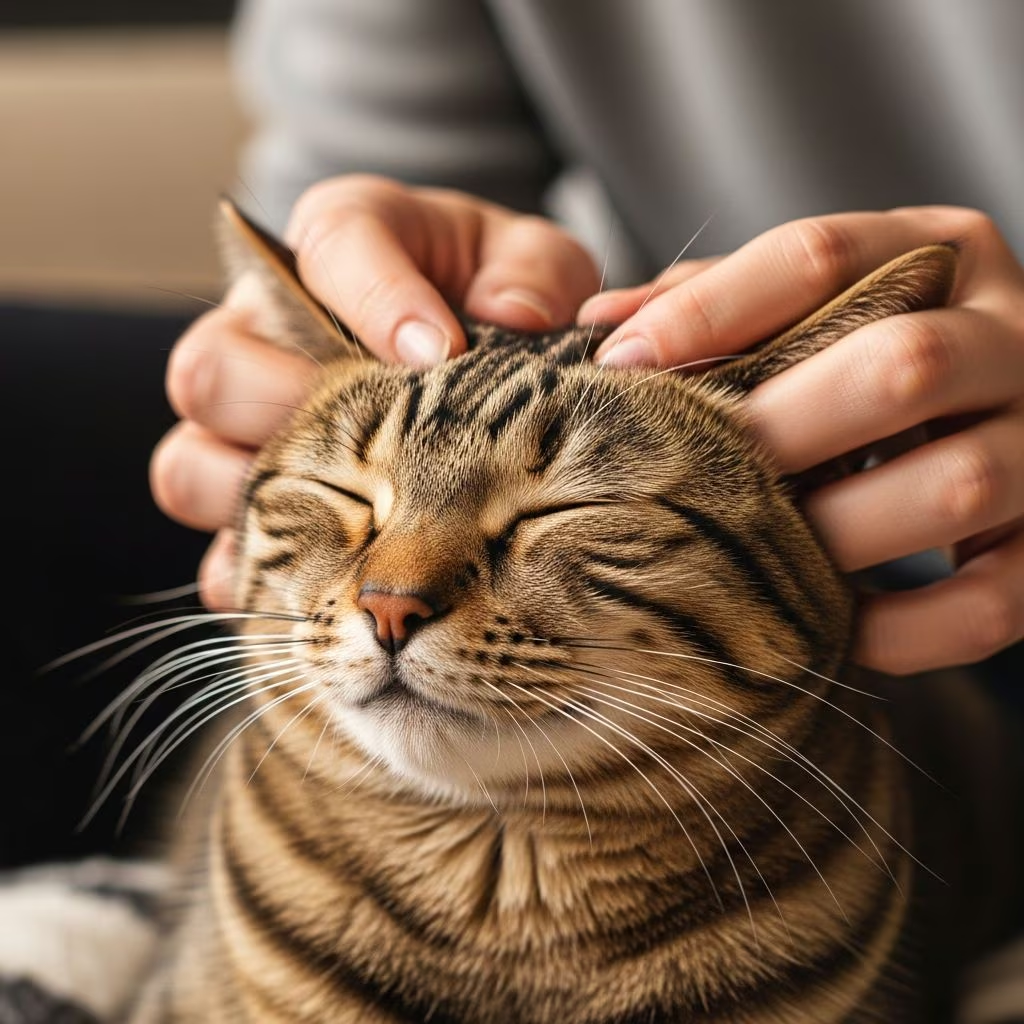
How to Give a Cat a Head Massage: Tips & Benefits
Massaging your cat’s head is one of the most effective ways to promote relaxation, improve their physical health, and deepen your bond with your feline companion. Unlike humans who may visit a professional massage therapist, cats rely on their owners to provide therapeutic touch. A head massage can be a simple yet powerful way to show affection while providing genuine health benefits. Whether your cat is experiencing stress, muscle tension, or simply needs some extra attention, learning the proper techniques for head massage can transform your daily interactions with your pet.
Understanding Cat Massage and Its Importance
Cat massage is not merely a luxury for pampered pets; it serves as a legitimate therapeutic practice with measurable health outcomes. Massage stimulates the nerves, muscles, circulatory and lymphatic systems in cats, much like it does in humans. This stimulation enhances motion, increases oxygen supply, and helps to flush away toxic compounds that cause pain. When performed correctly, massage can address both immediate comfort concerns and long-term wellness goals.
The practice achieves its effects through mechanical, physiological, and psychological means. When you massage your cat’s body, the muscles are mechanically stretched, reducing their tone and increasing their elasticity. Simultaneously, the soothing contact contributes to the nervous system’s relaxation. Professional massage therapists can identify and evaluate physical abnormalities, tension, soreness, and other issues that may not be visible through an X-ray.
The 4 Steps to Give Your Cat a Head Massage
Step 1: Use Your Fingertips
Most felines love to have their heads massaged, making this an excellent starting point for any massage session. Begin at the top of your pet’s head and use either a straight or circular motion with your fingertips to slowly massage the area. This initial phase sets the tone for the entire massage experience and allows your cat to acclimate to your touch.
Start with light pressure and observe your cat’s body language. If they seem comfortable and engaged, you can gradually apply slightly more pressure. The goal is to create a soothing experience that encourages relaxation and trust.
Step 2: Move Down to the Forehead and Eyes
Gradually work your way down from the forehead to massaging the base of the head and the neck. Pay special attention to the area between the eyes and above the nose, as many cats find this particularly soothing. Some cats may also enjoy having their eyebrows massaged, from the base of the nose outwards. Use gentle, deliberate strokes that follow the natural contours of your cat’s face.
This region contains sensitive nerve endings that respond well to careful touch. The forehead area is often a tension-holding zone, so gentle massage here can provide noticeable relief.
Step 3: Focus on the Ears
The ears are a particularly sensitive and enjoyable area for most cats. Continue using your fingertips to massage their ears. This region is rich with scent glands and nerve endings, making it highly responsive to touch. Cats enjoy gentle massages primarily in areas with scent glands, such as the chin, cheeks, head, and base of the tail.
Try rotating your fingers slowly around each ear and observe your cat relax and purr with enjoyment. Continue for a minute or two, adjusting pressure based on your cat’s reaction. Some cats may prefer lighter touch around the ears, while others enjoy more focused pressure.
Step 4: Extend to the Neck and Base of Head
Complete the head massage by working down to the neck region. Bring your thumb and index finger together repeatedly along the back of the neck, following the natural contours of your cat’s cervical spine. The neck is another area where cats commonly hold tension, and massage here can help relieve stiffness and promote relaxation.
This transition between the head and shoulders creates a cohesive massage experience that flows naturally from top to bottom. Pay attention to your cat’s comfort level, as some cats have sensitive necks.
Massage Techniques for Optimal Results
Stroking
Stroking is the foundation of cat massage, involving gently running your hands from head to tail with light to medium pressure. This basic yet effective technique sets the foundation for a relaxing experience and can be used throughout the massage session to maintain your cat’s relaxation state.
Effleurage
Effleurage is a key massage technique offering a gliding stroke that improves circulation. This technique uses the whole hand to apply medium pressure, enhancing therapeutic benefits. It works particularly well on larger areas and helps warm up the muscles before applying deeper techniques.
Petrissage
Petrissage consists of kneading and rolling movements, particularly useful for massaging larger muscle groups. Use your fingertips to gently knead the muscles along your cat’s back and shoulders. In cat massage therapy, petrissage plays a vital role in relieving muscle tension and providing a deeper relaxation experience.
Friction
Friction involves small, circular movements with your fingertips, targeting specific areas of tension. This technique is excellent for relieving muscle knots and stiffness. Apply gentle pressure using small, controlled circular motions, focusing on areas where you feel tightness or resistance.
Tapotement
Tapotement is a tapping or percussive movement using the pads of your fingers to lightly tap along your cat’s back and sides. This technique should be used sparingly and gently, as it’s more stimulating than other massage techniques.
Skin Rolling
Skin rolling is a specialized technique that involves gently pinching the skin and fur between your fingers, boosting circulation and relaxation. This method is especially beneficial in comprehensive cat massage routines and can be applied across various body areas.
Health Benefits of Massages for Cats
The therapeutic benefits of cat massage extend far beyond simple relaxation. Research and veterinary practice have documented numerous positive health outcomes:
Improved Circulation
Gentle massage stimulates blood flow, which can help reduce stiffness and improve overall mobility. Improved circulation ensures that oxygen and nutrients reach tissues more efficiently, supporting faster healing and better overall function. This benefit is particularly valuable for aging cats or those with mobility issues.
Stress Relief and Anxiety Reduction
The calming touch of massage can help reduce anxiety and stress, promoting a sense of relaxation and well-being. Massage has been used to treat depression and anxiety, making it ideal for rescue cats who’ve had a rough start in life. The release of endorphins during massage contributes to improved emotional health and behavioral stability.
Joint Pain Relief
Regular massage can help relieve joint pain and reduce muscle pain and spasms when performed correctly. This benefit is especially significant for senior cats or those experiencing arthritis-related discomfort.
Enhanced Muscle Health
Massage can alleviate muscle tension and soreness, especially beneficial for older cats or those with arthritis. The mechanical stretching of muscles increases elasticity and reduces overall muscle tone, promoting better flexibility and range of motion.
Chronic Pain Management
Massage therapy reduces pain in animals with painful conditions. Although unproven scientifically, it’s theorized that massage inhibits pain by stimulating the release of endorphins, opiate-like enzymes produced in the brain to reduce pain awareness.
Digestive System Support
Massage therapy may also positively impact your cat’s digestive system, promoting better digestion and nutrient absorption. Gentle abdominal massage can stimulate digestive function and help alleviate gastrointestinal discomfort.
Immune System Enhancement
Massaging may strengthen the immune system and help guard your cat against infections and illnesses. Massages can improve your cat’s immune system and overall immunity, strengthening their ability to fight off illnesses.
Increased Serotonin Production
The warmth of the gliding hand promotes the release of endorphins, influences the blood capillaries, and increases oxygen flow to the area, producing a healing and relaxing effect. This neurochemical boost contributes to improved mood and overall emotional wellbeing.
Strengthened Bonding
Regular massage sessions can deepen the bond between you and your cat, building trust and affection. The physical contact and undivided attention create positive associations and strengthen your relationship with your feline companion.
Creating the Ideal Environment for Cat Massage
Successful cat massage requires more than just proper technique; the environment plays a crucial role in your cat’s willingness to relax and enjoy the experience. Choose a quiet, comfortable space where your cat feels safe and secure. Minimize external distractions such as loud noises, bright lights, or other pets that might interrupt the session.
Warm your hands before beginning, as cold hands can startle or tense your cat. Ensure your cat is in a relaxed state before starting; attempting to massage a stressed or anxious cat may produce counterproductive results. Many cats prefer massage sessions during their natural relaxation times, such as early evening or just before bedtime.
Reading Your Cat’s Body Language
Understanding your cat’s communication is essential for effective and safe massage. Positive signs include purring, relaxed posture, slow blinks, and gentle head rubbing. Your cat may also knead their paws or lean into your hands, indicating satisfaction with the massage.
Conversely, signs of discomfort or stress include tail swishing, ear flattening, skin twitching, attempting to move away, or sudden tensing of muscles. If your cat displays any negative signals, pause the massage and allow them to rest. Every cat has individual preferences, and respecting these boundaries is crucial for maintaining a positive experience.
Special Considerations and Precautions
While massage is generally beneficial, certain situations warrant special care or avoidance. Cats with open wounds, severe injuries, or acute inflammation should not be massaged in affected areas without veterinary approval. Pregnant cats, very young kittens, and cats with certain medical conditions may require modified massage techniques or should avoid massage altogether.
Always consult your veterinarian before starting any new health practices, especially if your cat has existing health issues. Your vet can provide personalized recommendations based on your cat’s specific health status and any medical conditions they may have.
Frequently Asked Questions
Q: Is it good to massage your cat?
A: Yes, massage is excellent for your cat since it provides a whole health package when administered with care, skill, and knowledge. Daily cat massage can aid recovery from stress, illness, injury, or surgery through enhanced tissue healing and improved emotional welfare.
Q: How do cats like to be massaged?
A: Cats enjoy gentle massages primarily in areas with scent glands, such as the chin, cheeks, head, and base of the tail. Many also like being massaged on their shoulders using effleurage and kneading techniques. Some cats like having their ears rubbed, while others dislike it, so always observe your individual cat’s preferences.
Q: How long should a cat massage session last?
A: Most cats benefit from massage sessions lasting 5-15 minutes. Start with shorter sessions and gradually extend the duration as your cat becomes more comfortable with the experience. Quality matters more than quantity; even brief, consistent sessions provide significant benefits.
Q: How often should I massage my cat?
A: Daily massage can be beneficial for most cats, but even two to three sessions per week can provide notable health benefits. Adjust frequency based on your cat’s preferences and your schedule. Some cats enjoy daily massage, while others prefer less frequent sessions.
Q: Can I massage my cat if they have arthritis?
A: Yes, massage can be particularly helpful for arthritic cats, as it improves circulation, reduces inflammation, and alleviates pain. However, consult your veterinarian first to ensure the massage won’t interfere with any ongoing treatment or medication.
Q: What should I do if my cat doesn’t enjoy massage?
A: Not all cats enjoy massage equally. Some may prefer brief sessions or limited to specific areas. Respect your cat’s boundaries and focus on areas they clearly enjoy. You can also try different techniques or times of day to find what works best for your individual cat.
Q: Are there cats that shouldn’t receive massage?
A: Cats with acute injuries, open wounds, infections, or certain medical conditions should avoid massage or receive modified treatment. Always consult your veterinarian before massaging a cat with existing health issues.
Conclusion and Key Takeaways
Cat massage offers numerous benefits, including improved circulation, stress relief, enhanced muscle health, and a stronger bond between you and your feline friend. By creating a calm environment, using gentle techniques, and paying attention to your cat’s cues, you can provide a relaxing and beneficial experience for your pet. Regular massage sessions can contribute to your cat’s overall well-being, making it a valuable addition to their care routine.
Learning to give your cat a head massage is an accessible skill that requires no special equipment or professional training. With patience, gentle hands, and attention to your cat’s individual preferences, you can unlock powerful therapeutic benefits for your beloved companion. Whether your goal is stress relief, pain management, or simply strengthening your relationship, head massage provides a natural, non-invasive approach to feline wellness.
References
- The Benefits of Cat Massage and How to Do It — Facts About Cats. https://facts-about-cats.com/cat-massage.aspx
- Cat Massage Therapy and Its Benefits, Techniques, and Application — Cats.com. https://cats.com/cat-massage-therapy
- A Guide to Cat Massages: Techniques, Benefits, and Feline Wellness — Katris Cat. https://katriscat.com/blog/cat-massages-guide/
- How to Give a Cat a Head Massage: 4 Vet-Reviewed Tips & Benefits — Catster. https://www.catster.com/cat-health-care/how-to-give-a-cat-a-head-massage/
- Cats Benefit from Massages Too: A How to Guide — Purina Australia. https://www.purina.com.au/cats-benefit-from-massages-too.html



