

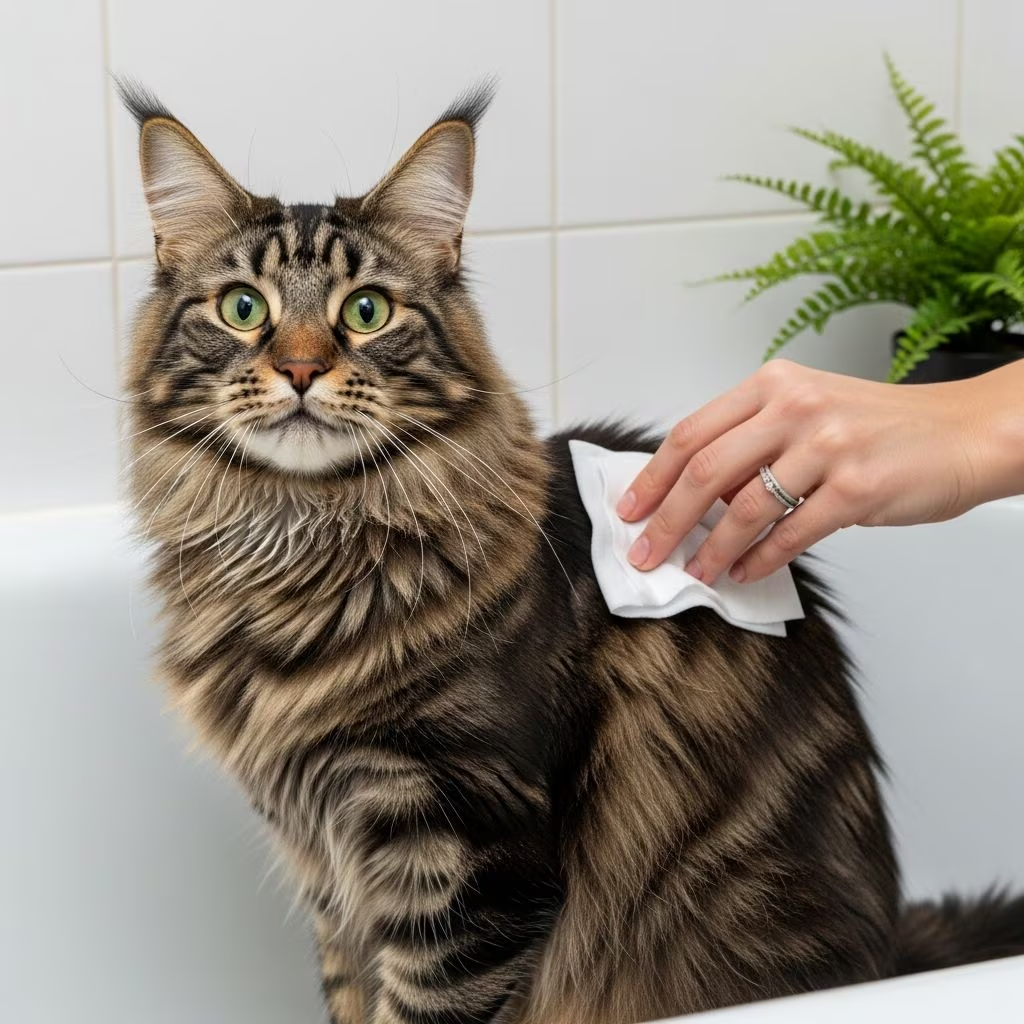
Most cats are meticulous self-groomers, keeping their coats clean through licking and natural oils, making traditional water baths rarely necessary. However, situations like accidents, medical conditions, or long-haired breeds may require extra cleaning help. If your cat despises water, attempting a wet bath can turn into a stressful battle for both of you. Fortunately, waterless bathing methods offer a gentle, effective alternative to maintain hygiene without the drama.
Waterless cat baths use specialized products like dry shampoos and grooming wipes designed specifically for felines. These methods remove dirt, oils, and odors while being safe for ingestion since cats groom themselves afterward. This guide covers everything from product selection to step-by-step instructions, regular grooming routines, and when waterless methods suffice or fall short. By following these vet-approved tips, you can keep your cat fresh and comfortable with minimal fuss.
Product Recommendations
Selecting the right waterless grooming products is key to success. Look for items formulated for cats, free from harsh chemicals, and pH-balanced to avoid skin irritation. Avoid human products, as they can disrupt your cat’s natural coat oils and cause digestive issues if licked off.
Here’s a comparison of top recommended waterless options:
| Product | Type | Best For | Pros | Cons |
|---|---|---|---|---|
| Hepper Waterless No Rinse Dry Shampoo | Spray/Foam | Full body refresh | Quick application, pleasant scent, easy to massage in | May need towel wipe-off |
| Hepper Wash Wipes | Wipes | Face, paws, ears, bum | Precise cleaning, no mess, portable | Best for spot cleaning, not full baths |
| Generic Cat Dry Powder Shampoo | Powder | Heavy dirt removal | Absorbs oils effectively | Requires thorough brushing, can leave residue |
These products are gentle, effective, and widely available at pet stores or online. Always check for the ‘cat-safe’ label and introduce new items gradually.
How to Give a Cat a Bath Without Water
There are two primary waterless methods: waterless shampoos (sprays, foams, powders) and grooming wipes. Both mimic petting to keep your cat relaxed. Choose based on your cat’s needs—shampoos for full-body cleans, wipes for quick touch-ups. Preparation is crucial: trim nails if needed, have treats ready, and pick a quiet, familiar spot.
1. Using Waterless Shampoo
Waterless shampoos come in spray, foam, or powder forms. Sprays can startle noise-sensitive cats, so apply to your hands first. Foams spread easily for even coverage, while powders absorb deeply but need brushing.
- Choose a comfortable location: No bathroom required—opt for the living room or wherever your cat relaxes. Lay down a towel to catch any residue.
- Calm your cat: Coax with treats or gentle petting. Stay relaxed to keep them at ease. Position them on the towel naturally.
- Apply the shampoo: Dispense into your palm (avoid direct spraying). Massage gently from head to tail, avoiding eyes, nose, and mouth. Use a soft cloth for paws or sensitive areas.
- Lather and wipe: Work spray/foam into a lather, then towel off excess. For powders, massage thoroughly and brush out residue completely to prevent clumping or whitening of fur.
- Brush and dry: Gently brush to detangle and distribute oils. Let air dry—no rinsing needed. Reward with treats and playtime.
This process typically takes 10-15 minutes and leaves your cat smelling fresh with a shiny coat.
2. Using Grooming Wipes
Grooming wipes are pre-moistened, cat-safe cloths ideal for daily maintenance or targeted cleaning. They’re like extended petting sessions, making them highly tolerable.
- Prepare wipes: Pull out several for quick access. Start in a cozy spot post-meal or play when your cat is mellow.
- Pet to relax: Stroke normally first, then swap your hand for a wipe, continuing the motion seamlessly.
- Wipe systematically: Start at the head, moving backward. Focus on high-dirt areas like neck, belly, and base of tail. Gently clean face, ears, and paws—wipes excel here without water risks.
- Massage for effectiveness: Use circular motions to loosen dirt and oils. Dispose of used wipes responsibly.
- Reward generously: End with treats to build positive associations.
Wipes are perfect for multi-cat homes or travel, offering convenience without bulk.
Groom Your Cat Regularly Between Baths
Preventive grooming reduces the need for baths altogether. Cats shed seasonally, and brushing removes loose fur, dirt, and distributes sebum for a healthy coat. Aim for 2-3 sessions weekly, more for longhairs.
- Brushing tools: Use slicker brushes, grooming gloves, or deshedding tools. Start slow to acclimate skittish cats.
- Technique: Brush in the direction of fur growth, focusing on back, sides, and tail. Avoid overbrushing—thinning spots signal excess.
- Benefits: Reduces hairballs, mats, and allergens. Combats shedding by capturing fur before it spreads.
- Mat management: For tangles, use wide-tooth combs. Severe mats may need clipping (blunt scissors) or professional grooming.
- Face and paws: Wipe with damp cloths or specialized mitts weekly.
Combine with a lint roller for furniture and regular nail trims for safety during sessions. Consistent grooming fosters bonding and keeps vet visits minimal.
Troubleshooting Common Issues
Not all waterless baths go perfectly. Here’s how to handle hiccups:
- Cat resistance: Use pheromone sprays or play first. Short sessions build tolerance.
- Sensitive areas: Skip or use wipes/cloths. Consult vets for skin issues.
- Residue leftover: Double-brush powders. Choose foams for less mess.
- Allergies/irritation: Test products on small areas first. Switch if redness occurs.
For heavy soiling like potty messes or wounds, waterless methods supplement but don’t replace vet-recommended water baths occasionally.
Frequently Asked Questions (FAQs)
Q: How often should I give my cat a waterless bath?
A: 1-2 times monthly for most cats, or as needed for odors/dirt. Daily spot wipes are fine.
Q: Are waterless shampoos safe if my cat licks them?
A: Yes, cat-specific formulas are ingestible and non-toxic.
Q: Can I use baby wipes on my cat?
A: No—opt for pet wipes to avoid chemicals and alcohol that irritate skin.
Q: What if my long-haired cat gets mats?
A: Brush daily; cut severe mats or see a groomer.
Q: Is brushing enough instead of baths?
A: Often yes, especially with regular grooming to prevent buildup.
When to See a Vet
Waterless cleaning aids hygiene but isn’t a cure-all. Seek professional help for persistent odors, greasy fur, bald spots, or excessive scratching—these signal fleas, allergies, or thyroid issues. Vets may recommend medicated shampoos or diet changes.
References
- How to Give a Cat a Bath Without Water: Vet-Approved Step-by-Step — Catster. 2023. https://www.catster.com/cat-health-care/how-to-give-cat-bath-without-water/
- How to Clean Your Cat Without Water? — Mr Fluffy Friend. 2023. https://mrfluffyfriend.com/blogs/fluffy-friend-family-blog/clean-your-cat-without-water
- Tips on How to Wash a Cat That Hates Water [Step-By-Step Guide] — Sploot Veterinary Care. 2024. https://www.splootvets.com/post/tips-on-how-to-wash-a-cat-that-hates-water



