

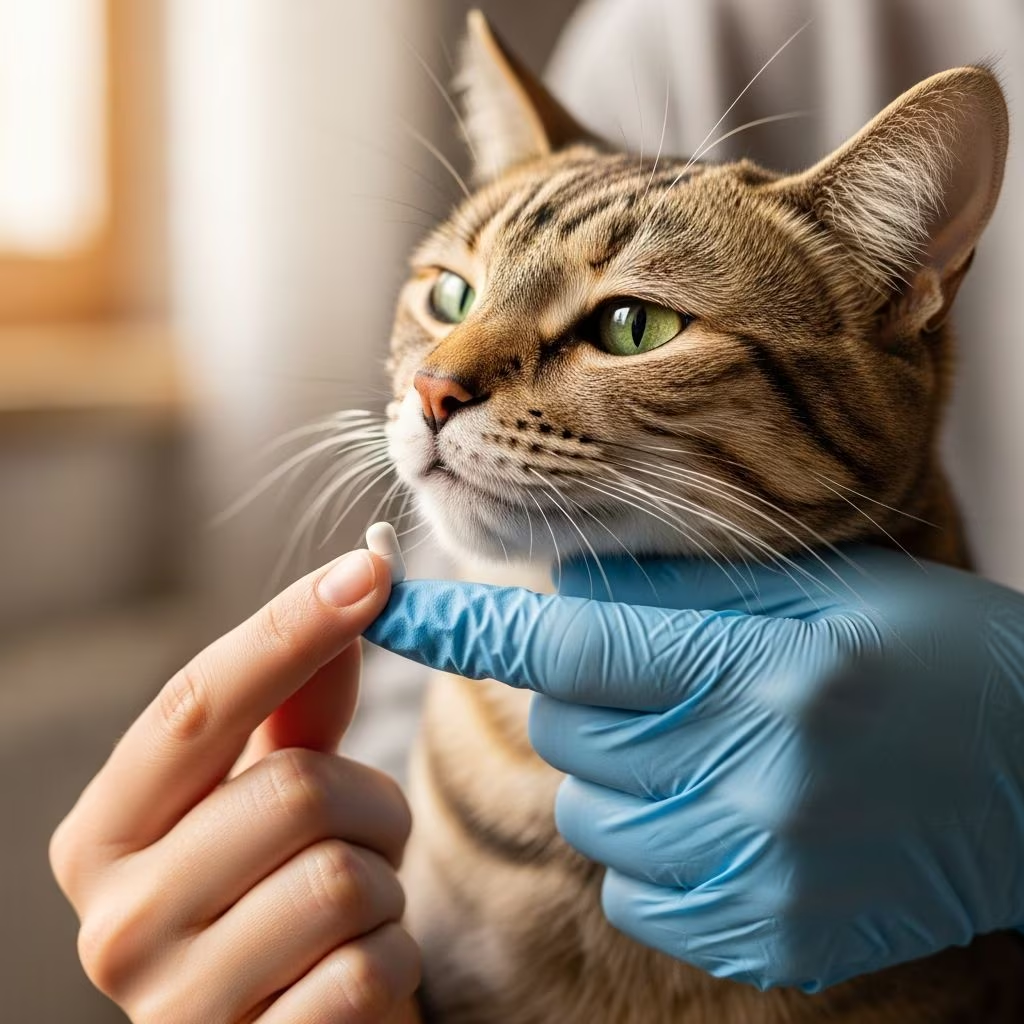
How to Give a Cat a Pill: 5 Easy Steps (Vet Answer)
Giving medication to your cat can feel like a challenging mission that requires strategy, patience, and courage. Cats are naturally clever and suspicious creatures, making them expert escapists when it comes to taking pills. Their sense of smell is remarkably acute—approximately 14 times more accurate than a human’s—allowing them to detect unfamiliar medications hidden in food from considerable distances. However, with the right techniques and tools, you can successfully administer your cat’s prescribed medication without excessive stress for either you or your feline companion.
Before attempting any method to give your cat a pill, consult with your veterinarian to understand whether the medication should be taken with or without food, if it can be crushed or split, and any other critical information about administration. This foundational step ensures you’re following the safest and most effective protocol for your cat’s specific medication.
Why Cats Resist Taking Pills
Understanding why cats are resistant to taking pills can help you approach the situation with empathy and better strategy. Cats have an innate wariness of unfamiliar tastes and textures. They instinctively avoid anything that seems out of place in their food or environment. This survival mechanism, while protective in the wild, makes medication administration a delicate undertaking in domestic settings.
Additionally, cats are creatures of habit and preference. They enjoy predictability in their meals and routines. The introduction of a foreign object or unusual taste disrupts this comfort, triggering their natural avoidance response. By understanding these behavioral traits, you can better anticipate your cat’s reactions and choose the most appropriate administration method.
Method 1: Hide the Pill in Food or Treats
One of the easiest and least stressful ways to give your cat a pill is to disguise it in a high-value food or treat—something your cat loves but doesn’t receive regularly. When executed properly, your cat may be so excited about the special treat that they don’t notice the hidden medication.
Best Foods and Treats to Use
- Soft, wet cat food mixed with a small amount of the pill
- Specialized pill pockets or soft, moldable treats designed specifically for medication
- Lickable treats that your cat particularly enjoys
- Small amounts of no-salt tuna
- Plain cooked chicken or turkey
- Cream cheese or butter
- Sticky foods like pâté
The Three-Treat Technique
To maximize success with the food-hiding method, use the three-treat technique. First, offer your cat a small amount of their chosen food or treat without the pill. This primes their excitement and expectation. Second, sneak the pill into a second treat and present it immediately while your cat’s guard is down. Third, follow up with a third treat without a pill to distract them and ensure they fully swallow the medication. Have all three portions prepared and ready before you begin, allowing you to execute this sequence quickly before your cat suspects anything unusual.
Tips for Success with Food Hiding
Ensure the pill is completely hidden within the food—no edges should be visible. Use the stickiest and tastiest foods possible, as these are more likely to slide down your cat’s throat without inspection. If your cat is particularly picky or has a keen ability to detect hidden pills, this method may not work. However, it remains an excellent starting point before attempting more involved techniques.
Before giving your cat their full meal, make sure they’re hungry. Ideally, keep food away from them for 8 to 12 hours before medication time. A hungry cat is more likely to consume food quickly without scrutiny. After your cat has eaten the food containing the pill, check to ensure they’ve swallowed it completely before offering the remainder of their regular meal.
Method 2: Manual Pill Administration
When food-hiding methods aren’t effective, manually placing the pill in your cat’s mouth becomes necessary. While this approach requires more physical control and can be stressful, it ensures the medication reaches your cat’s system.
Step-by-Step Guide to Manual Administration
Step 1: Secure Your Cat
Position your cat securely in your lap or wrap them gently in a towel or blanket to restrict movement. Having a second person assist with this step is helpful, though it can be accomplished alone with practice. The goal is to keep your cat calm and prevent them from escaping or thrashing.
Step 2: Control the Head
Using your nondominant hand, hold the top of your cat’s head firmly. Position your thumb near the back of one side of your cat’s upper jaw, with your fingers resting on the other side. This grip provides control without causing pain or discomfort.
Step 3: Open the Mouth
Gently tilt your cat’s head upward toward the ceiling while maintaining head control. Using the middle finger of your dominant hand, gently pull the lower jaw downward to open their mouth. Be gentle to avoid stressing or injuring your cat.
Step 4: Place the Pill
Hold the pill between your thumb and forefinger of your dominant hand. Drop the medication as far back into your cat’s mouth as possible, aiming for the middle of the tongue right at the back of the throat. The farther back you place the pill, the more instinctive it is for your cat to swallow involuntarily.
Step 5: Encourage Swallowing
Release your cat’s head gently and allow them to close their mouth. You can encourage swallowing by gently stroking their throat or offering a small amount of water via syringe. Some cats will swallow immediately, while others may need a moment.
Method 3: Using a Pet Piller or Pill Popper
A pet piller, also called a pill popper, is a specialized device that simplifies pill administration. This plastic tube resembles a syringe without a needle and features a soft rubber tip designed to hold a pill securely. A plunger mechanism allows you to deposit the pill far back into your cat’s mouth and release it with precision.
Advantages of Using a Pet Piller
- Speeds up the medication administration process
- Easier to insert into your cat’s mouth compared to fingers
- Provides greater safety—your cat bites the piller instead of your fingers
- Allows precise pill placement at the back of the throat
- Reduces overall stress for both you and your cat
How to Use a Pet Piller
Follow the same restraint and head-positioning procedures as manual administration. However, instead of holding the pill between your thumb and finger, insert it into the soft rubber tip of the pet piller. Position the piller in your cat’s open mouth and gently press the plunger to release the pill at the back of the throat. Practice the technique on your hand first to understand the mechanism before attempting it on your cat.
Important Considerations Before Giving Your Cat a Pill
Consult Your Veterinarian First
Before administering any medication, discuss the following with your veterinarian:
- Whether the pill must be taken with or without food
- If the medication can be safely crushed or split
- The proper dosage and administration schedule
- Potential side effects to monitor
- Any interactions with other medications your cat is taking
Never Crush Without Permission
While crushing pills might seem like an easy solution, many medications lose effectiveness or become dangerous when broken down. Some pills have special coatings designed to protect your cat’s digestive system or ensure proper absorption. Only crush pills with explicit veterinary approval. If a pill can be crushed, you can disguise the powder in liquids like broth administered via syringe if your cat won’t drink it voluntarily.
Keep Track of Dosage
If you do split or crush tablets, carefully track all pieces to ensure your cat receives the correct dose. Losing even a small portion could result in underdosing your cat’s medication.
When Food Methods Don’t Work: Alternative Solutions
Compounding Pharmacies
If your cat refuses to take a pill despite your best efforts, consult your veterinarian about compounding pharmacies. These specialized pharmacies can reformulate medications into alternative forms that are easier to administer, such as:
- Chewable tablets with appealing flavors
- Liquid suspensions
- Flavored treats or pastes
- Smaller tablets
While compounding services may cost more than standard pills, they can be worth the investment if your cat is particularly resistant to medication or if the stress of administration is affecting your relationship with your pet.
Pill Pockets and Specialty Treats
Pill pockets are soft, moldable treats specifically designed to hold pills. Most cats find them highly palatable and will consume them quickly without detecting the hidden medication. These treats come in various flavors and are widely available at pet stores and online retailers.
Preparing Your Cat for Medication Administration
Choose the Right Time
Administer medication when your cat is calm and relaxed. Avoid times when they’re playful or agitated. Early morning or late evening often works well for many cats. Ensure you have sufficient time and aren’t rushing, as stress transfers to your cat.
Stay Calm and Confident
Cats are highly perceptive and can sense your anxiety. Approach medication time with calm confidence. Speak to your cat in a soothing voice and move deliberately. Your composure directly impacts your cat’s willingness to cooperate.
Have Everything Ready
Prepare all materials before beginning: the pill, treats or food, a towel if needed, a pill popper if using one, and water or a syringe. Having everything within arm’s reach prevents delays and maintains your cat’s focus.
Frequently Asked Questions
Q: What’s the easiest way to trick a cat into taking a pill?
A: The easiest method is hiding the pill in a small amount of highly palatable, sticky food such as tuna, cream cheese, or a specialized pill pocket. Choose foods your cat loves, and use the three-treat technique to maximize success without arousing suspicion.
Q: Can I crush my cat’s pill to make it easier to give?
A: Only with veterinary approval. Many medications have protective coatings or special formulations that are damaged by crushing. Always ask your vet before crushing any medication, as it could reduce effectiveness or cause harm.
Q: How can I pill a difficult cat by myself?
A: Use a towel to gently restrain your cat’s legs while holding them close to your chest. Use one hand to open their mouth and the other to place the pill at the back of their throat. A pill popper makes this easier and safer than using your fingers alone.
Q: What if my cat refuses to eat food with the pill hidden in it?
A: Try different foods—some cats prefer tuna while others prefer chicken or cream cheese. If food methods consistently fail, consider asking your vet about compounding the medication into a liquid or chewable form. You can also try manual administration with a pill popper.
Q: Is it normal for my cat to resist medication?
A: Yes, absolutely. Cats are naturally suspicious of unfamiliar tastes and textures, so resistance is expected. Don’t take it personally. Focus on finding the method that works best for your individual cat, whether that’s food hiding, manual administration, or a combination of techniques.
Q: Should I give the pill with food or on an empty stomach?
A: This depends on the specific medication. Some pills must be taken with food to reduce stomach upset, while others require an empty stomach for proper absorption. Always follow your veterinarian’s specific instructions for your cat’s medication.
Q: How can I help my cat swallow the pill after I’ve placed it in their mouth?
A: After placing the pill at the back of your cat’s throat, you can gently stroke their throat to encourage swallowing. Offering a small amount of water via syringe can also help wash the pill down. Some cats swallow involuntarily when the pill touches the back of their throat.
Conclusion
Successfully giving your cat a pill requires patience, understanding of your individual cat’s personality, and willingness to try different approaches. The easiest method for one cat may not work for another, so flexibility and persistence are key. Start with the least stressful method—hiding the pill in food—and progress to manual administration or a pill popper only if necessary. Always consult your veterinarian before attempting any administration technique or modifying the medication form. With the right strategy and the techniques outlined in this guide, you can administer your cat’s medication safely and effectively while minimizing stress for both you and your feline companion.
References
- How to Give a Cat a Pill: A Complete Guide With Tips — GoodRx. 2025. https://www.goodrx.com/pet-health/cat/how-to-give-a-cat-a-pill
- How To Give Your Cat a Pill (With 7 Proven Tips!) — Cats.com. 2025. https://cats.com/how-to-give-your-cat-a-pill
- Giving Pills to Cats — VCA Animal Hospitals. 2025. https://vcahospitals.com/know-your-pet/giving-pills-to-cats
- How to Give Your Cat Medication: Dr. Karyn’s Tips (with Video) — Catster. 2025. https://www.catster.com/felines-weekly/how-to-give-your-cat-medication-dr-karyns-tips/
- How to Cut Pills Easily & Accurately for Your Cat: Vet-Verified Tips — Catster. 2025. https://www.catster.com/cat-health-care/how-to-cut-pills-easily-and-accurately/



