

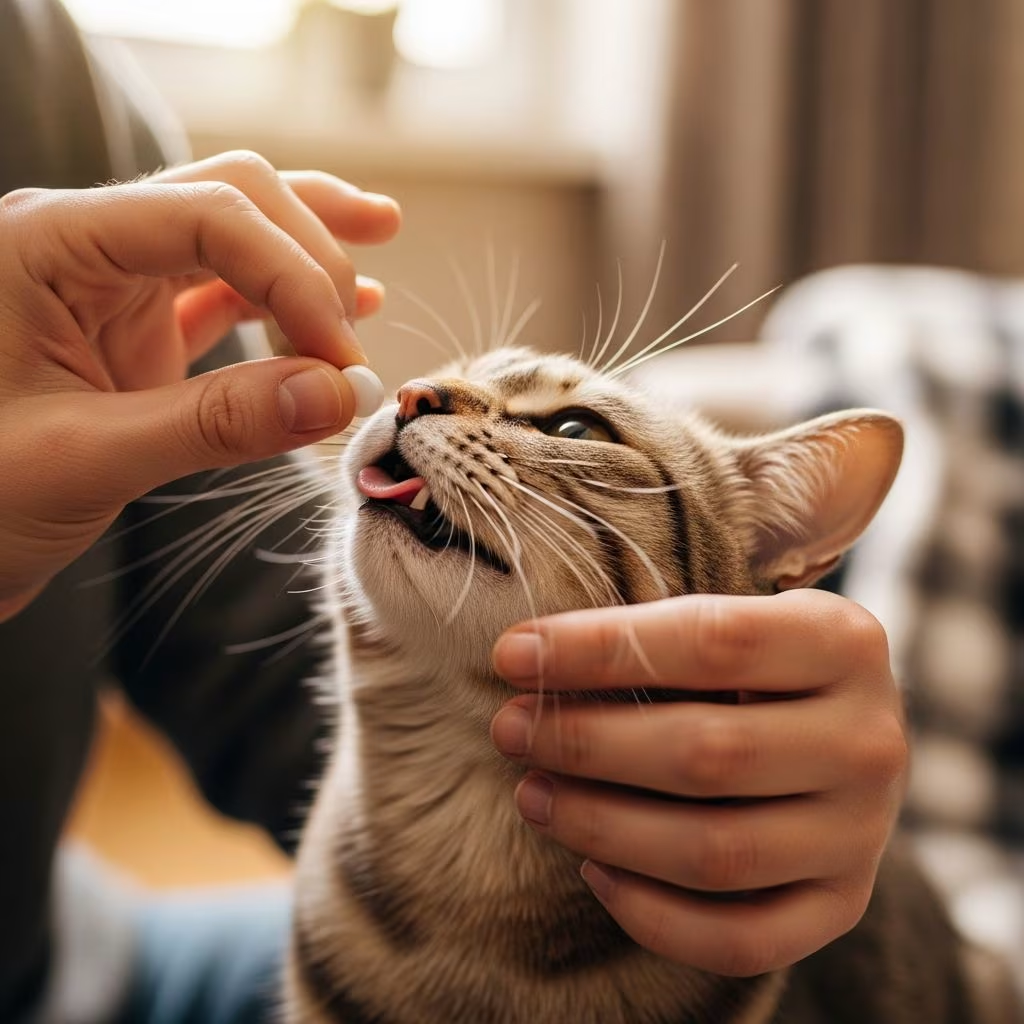
Cats are famously independent creatures that seem to operate entirely on their own terms, and accepting medication is rarely part of their agenda. Yet if your veterinarian has prescribed a pill for your feline companion, ensuring they take it becomes your responsibility. The good news? Giving your cat a pill is absolutely possible with the right knowledge, techniques, and a healthy dose of patience. This comprehensive guide will walk you through proven methods to successfully administer medication to your cat, whether they’re cooperative or resistant to the process.
What You’ll Need to Give a Cat a Pill
Before you attempt to give your cat any medication, gather the necessary supplies to make the process as smooth as possible. Having everything within reach will prevent delays and reduce stress for both you and your feline friend.
Essential items include:
- Your cat’s medication in pill form
- A pet piller (such as the VetOne Pet Piller for Dogs & Cats), which is highly recommended for safe administration
- Optional: high-value treats, wet cat food, or pill pockets
- A helper or assistant (optional but helpful)
- A comfortable location where you can work with your cat
A pet piller is particularly valuable because it functions as a long, plastic plunger that allows you to deposit the pill deep into your cat’s mouth without risking your fingers to their teeth. Cats often perceive human hands near their mouth as a threat, making them more likely to bite, so this tool serves as both a safety measure and an effective delivery mechanism.
How to Give a Cat a Pill
Step 1: Hold Your Cat Securely
The foundation of successful pill administration is establishing a secure hold on your cat. You’ll need a good grasp to prevent your cat from escaping or thrashing, which could result in the pill being dislodged or your cat getting hurt.
Choose one of these positioning methods based on your cat’s temperament and your comfort level:
- In your lap: Sit comfortably with your cat in your lap, ensuring you have their medication within easy reach
- On a flat surface: Stand while holding your cat on a stable, non-slippery surface like a table or counter, which gives you better control and leverage
- Burrito wrap: Wrap your cat in a blanket or towel burrito-style with only their head exposed. This method works particularly well for cats that are prone to escaping, biting, or scratching
Wherever you decide to position your cat, ensure you’re both comfortable and that the medication is within arm’s reach. Having everything prepared before you begin reduces the time your cat spends restrained and anxious.
Step 2: Prepare the Pill
Preparation is key to swift and successful pill administration. Load the pill into your pet piller before you attempt to open your cat’s mouth. This means you’ll have the pill ready to deploy immediately when your cat’s mouth opens, minimizing the window for your cat to react or escape.
With the plunger extended, insert the pill into the piller and ensure it’s positioned securely so it won’t fall out prematurely. Hold the piller in your dominant hand and keep it in position throughout the process. The goal is to move as quickly as possible once your cat opens their mouth, so having everything pre-loaded and ready is essential.
Step 3: Gently Open Your Cat’s Mouth
Opening your cat’s mouth requires a gentle but confident technique. Many cat owners make the mistake of trying to pry the mouth open from above, but cats actually open their mouths by dropping their lower jaw downward.
Follow these steps to properly open your cat’s mouth:
- Place your non-dominant hand on your cat’s upper jaw
- Position your thumb near the back corner of one side of the upper jaw
- Place your fingers on the opposite side for stability
- Apply gentle pressure to encourage the lower jaw to drop
- If your cat resists, use a single finger of your dominant hand to apply gentle downward pressure on their front lower teeth while keeping the pet piller ready in your other hand
- Continue applying steady, gentle pressure until your cat opens their mouth
The key is consistency and gentleness—never force your cat’s mouth open, as this can cause injury and create negative associations with the process. Most cats will eventually relax and allow their mouth to open when they realize you’re not causing them harm.
Step 4: Put the Pill in Your Cat’s Mouth
This is the moment when speed becomes your greatest advantage. As soon as your cat’s mouth is open, quickly place the pet piller in the back corner of their mouth and move it deeper until it reaches the base of their tongue. This positioning ensures the pill goes as far back as possible, reducing the chances that your cat will spit it out.
Activate the piller by pushing the plunger to release the pill into your cat’s mouth. Execute this action swiftly but smoothly—jerky movements can startle your cat and cause them to clamp their mouth shut.
Step 5: Hold Your Cat’s Mouth Closed and Encourage Swallowing
After depositing the pill, immediately close your cat’s mouth gently but firmly. Keep your hand in place while you encourage your cat to swallow the medication.
Techniques to encourage swallowing include:
- Gently blowing on your cat’s nose, which often triggers a swallowing reflex
- Gently massaging your cat’s throat in a downward motion to encourage the swallowing motion
- Maintaining gentle pressure on the mouth closed for several seconds while your cat processes what’s happened
After you’re confident the pill has been swallowed, you can release your cat. Many cats will shake their heads or make a face, which is completely normal—they’re simply adjusting to the taste and sensation of the medication.
Troubleshooting Tips for Pill-Averse Cats
Not every cat will respond positively to direct pill administration on the first try. If your cat is particularly resistant or anxious, these alternative strategies can help make the process easier.
Hiding the Pill in Food or Treats
One of the most effective approaches for food-motivated cats is hiding the pill in something they love. This method works best for cats that aren’t suspicious about their food and genuinely enjoy treats.
Methods for hiding pills in food include:
- Mixing into wet food: Add some pâté-style wet cat food to a dish and mix the pill into it. Note that some medications cannot be crushed or mixed with food, so always ask your veterinarian for specific instructions regarding your cat’s particular medication
- Wet food “meatball” method: Mold wet food into a ball and insert the pill inside so the medication is completely covered and hidden from view
- The three-meatball trick: Create two plain wet food meatballs and one meatball containing the pill. Give your cat the plain meatball first, followed by the pill meatball, then another plain meatball. This sequence makes your cat less suspicious of the meatball containing medication and more likely to swallow it without inspection
- Pill pockets: Commercial products like Greenies Pill Pockets for Cats are specifically designed for this purpose, making it easy to conceal medication in a tasty treat
Practice With Treats
If your cat is nervous about the pet piller or the direct administration process, consider practicing with treats before attempting to give actual medication. Follow all the same steps—securing your cat, opening their mouth, and using the pet piller—but instead of administering a pill, place a small portion of your cat’s favorite treat in the piller.
Regular practice sessions help your cat become accustomed to the process and more tolerant of having the piller in their mouth. Many food-motivated cats may even begin to look forward to these special treat sessions, transforming what could be a stressful experience into something more positive.
Working With Your Veterinarian
If your cat absolutely refuses to take a pill despite your best efforts, don’t give up. Your veterinarian may be able to recommend a compounding pharmacy that can convert the medication into an alternative form that’s easier for your cat to accept. Options might include:
- Liquid medication administered with a syringe
- Chewable tablets with appealing flavors
- Compounded capsules in different sizes
- Transdermal patches (for certain medications)
Before attempting to give your cat a pill, ask your veterinarian for a demonstration of the proper technique. If your pet shows signs of severe stress, distress, or attempts to bite, stop the process and call your veterinarian for professional guidance. Your cat’s safety and wellbeing should always be the top priority.
Tips for Success
Preparation and Timing
Prepare all medication and gather your supplies before you attempt to administer the pill. Choose a quiet, calm time when your cat isn’t already stressed or anxious. Avoid giving medication when your cat is playing or eating their regular meals, as these moments are important for their normal routine and wellbeing.
Positive Reinforcement
After successfully giving your cat a pill, always reward them with verbal praise and their favorite treat. This positive association helps your cat understand that while the pill administration might be uncomfortable, something good follows. Over time, your cat may become more willing to cooperate because they associate the process with a reward.
Remain Calm
Cats are incredibly perceptive and can sense your anxiety or tension. If you approach the task with confidence and calmness, your cat is more likely to remain calm as well. Take deep breaths before administering medication, and speak to your cat in a soothing voice throughout the process.
Know Your Cat
Every cat has a unique personality and temperament. Some cats are naturally more compliant, while others are more independent or fearful. Choose the method that best suits your individual cat’s personality and responses. A method that works wonderfully for one cat might not work for another, and that’s completely normal.
Frequently Asked Questions (FAQs)
Q: What should I do if my cat spits out the pill?
A: If your cat spits out the pill, don’t attempt to give it again immediately. Wait a few minutes, let your cat calm down, and try again with the same technique. If your cat repeatedly spits out the pill, contact your veterinarian about alternative medication forms or delivery methods.
Q: Can I crush my cat’s pill and mix it with food?
A: Some medications can be crushed, but others cannot. Crushing can damage the medication’s effectiveness or cause stomach upset. Always consult your veterinarian before crushing any medication to confirm it’s safe to do so for your cat’s specific prescription.
Q: Is it normal for my cat to act strangely after taking a pill?
A: It’s normal for cats to shake their heads, make faces, or seem slightly disoriented immediately after taking a pill. However, if your cat shows signs of distress, difficulty breathing, or unusual behavior lasting more than a few minutes, contact your veterinarian immediately.
Q: How long does it take to get a cat used to taking pills?
A: With consistent practice and positive reinforcement, most cats can become more tolerant of the pill administration process within one to two weeks. However, some cats may require longer adjustment periods or may never become completely comfortable with the process.
Q: What if I have a particularly aggressive or anxious cat?
A: If your cat is aggressive, severely anxious, or uncooperative, consult your veterinarian about alternative delivery methods or ask about sedation options for medication administration. Your cat’s safety and your safety should always be the priority.
Q: Can I ask my veterinarian to demonstrate the technique first?
A: Absolutely. Most veterinarians are happy to demonstrate proper pill administration technique before you attempt it at home. Seeing the process in person can significantly increase your confidence and success rate.
References
- How to Give a Cat a Pill: Tips and Tricks from a Vet — Chewy. Accessed November 2025. https://www.chewy.com/education/cat/health-and-wellness/a-vet-approved-guide-to-giving-a-cat-a-pill-yes-it-is-possible
- How to Give a Cat a Pill: A Complete Guide With Tips — GoodRx. Accessed November 2025. https://www.goodrx.com/pet-health/cat/how-to-give-a-cat-a-pill
- How to give a cat a pill — PetMD. Accessed November 2025. https://www.petmd.com/cat/general-health/how-to-give-a-cat-a-pill-test



