

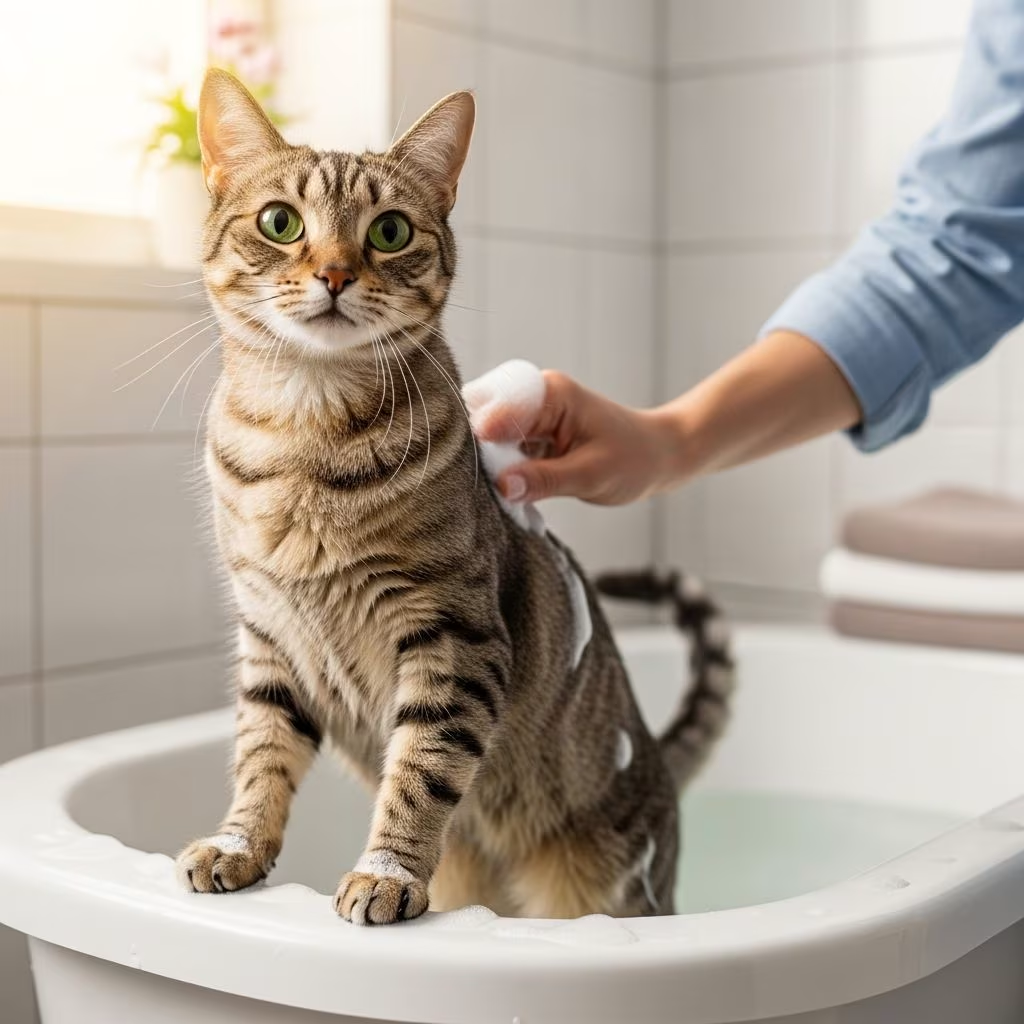
Most cats are meticulous self-groomers, but there are times when a bath is necessary for their health and hygiene. Whether your cat has long fur matted with dirt, a skin condition requiring medicated shampoo, or lives in a multi-pet household needing extra cleanliness, knowing how to give a cat a bath safely is essential. This guide provides a complete step-by-step process, drawing from professional groomer advice and veterinary recommendations to make the experience as stress-free as possible for you and your feline friend.
Do Cats Really Need Baths?
Cats are famous for their grooming habits, using barbed tongues to clean themselves daily. In fact, they spend up to 50% of their waking hours grooming, which keeps their coat shiny and removes parasites. However, baths become necessary in specific situations:
- Medical reasons: Fleas, ticks, allergies, or wounds that require medicated shampoos prescribed by a vet.
- Long-haired breeds: Persians, Maine Coons, or others prone to mats and dirt buildup that self-grooming can’t handle.
- Senior or obese cats: Those who can’t reach all areas to groom properly, leading to greasy fur or urine accidents.
- Household factors: Multi-pet homes, outdoor adventures, or sticky substances like grease or paint on their fur.
Generally, healthy short-haired indoor cats rarely need baths—perhaps once every 4-6 months or less. Over-bathing strips natural oils, causing dry skin. Always consult your vet for frequency tailored to your cat’s needs.
Supplies You’ll Need for Bathing Your Cat
Preparation is key to a successful cat bath. Gather everything beforehand to avoid leaving your cat unattended in water. Here’s a comprehensive list:
| Item | Purpose |
|---|---|
| Cat-specific shampoo | Gentle, pH-balanced for feline skin; avoid human or dog shampoos which irritate. |
| Conditioner (optional) | Detangles long fur; use combo shampoo-conditioner for efficiency. |
| Non-slip mat or wet towel | Provides secure footing in sink or tub to prevent slips. |
| Lukewarm water source (pitcher, cup, handheld sprayer) | Avoids startling with faucet noise; test temperature on your wrist. |
| Multiple absorbent towels | For immediate drying; microfiber works best for long fur. |
| Gentle brush or comb | Pre-brush to remove mats; post-brush for detangling. |
| Nail clippers | Trim nails beforehand to minimize scratches. |
| Treats and toys | Positive reinforcement to calm your cat. |
| Cotton balls (optional) | Loosely place in ears to block water. |
Invest in vet-recommended products like oatmeal-based shampoos for sensitive skin. Total cost for basics: under $30.
How to Prepare Your Cat for a Bath
A calm cat makes bathing easier. Start preparation days or weeks in advance, especially for water-averse felines.
Acclimation Training
Introduce water gradually using positive reinforcement:
- Day 1-3: Let your cat explore the dry bathroom and tub/sink. Reward with treats.
- Day 4-7: Run shallow lukewarm water without your cat present to familiarize with the sound.
- Next: Dip paws in water briefly, praise lavishly, and dry immediately. Use clicker training if possible.
Immediate Prep Steps
- Brush thoroughly: Remove loose hair and mats to prevent waterlogging painful tangles.
- Trim nails: 1-2 days prior; file tips for safety.
- Choose quiet time: Bath when your cat is sleepy, post-meal.
- Enlist help: One person holds, another washes for wriggly cats.
This builds trust and reduces panic. Patience prevents scratches and future aversion.
Step-by-Step Guide: How to Bathe Your Cat
Follow these proven steps from professional groomers for a 10-15 minute bath.
- Set up the bathing area: Use a sink (easier on back) or tub with 3-4 inches lukewarm water (about 100°F/38°C). Add non-slip mat. Have supplies within arm’s reach.
- Wet the body: Place cat in water gently. Use pitcher/sprayer to soak from neck to tail, lifting belly if needed. Avoid head, ears, eyes. Speak soothingly.
- Lather shampoo: Dilute per label (many need 1:3 water ratio). Apply from neck down, massaging into skin—focus on belly, legs, genitals, armpits. Use hands to avoid direct pour. Skip face.
- Rinse completely: Pour water close to body, section by section. Double-shampoo greasy cats, rinsing twice. Leftover soap causes irritation.
- Face clean-up: Damp cloth with plain water (no soap) wipes face gently. Avoid eyes/ears.
- Initial dry: Lift out, wrap in towel. Pat, don’t rub. Absorb as much water as possible.
Tips: Keep cat facing forward to deter scratches. Offer treats mid-bath.
Drying Your Cat After the Bath
Proper drying prevents chills and mats.
- Towel off: Multiple towels; squeeze fur gently.
- Air dry or low-heat blow dry: Some cats tolerate dryers on cool/low (start far away). Brush during.
- Warm room: Keep at 75°F+; no drafts.
- Monitor: Shivering means more toweling.
Long-haired cats may need 30-60 minutes to fully dry. Reward heavily post-bath!
Tips for Bathing a Cat That Hates Water
About 90% of cats dislike water due to instincts. Turn dread into tolerance:
- Desensitize early: Kittens adapt best; start at 8 weeks.
- Use distractions: Toys, treats, or a second person.
- Spray bottles alternative: For light cleans between baths.
- Professional help: Groomers for severe cases.
- Waterless options: Wipes or dry shampoos for minor dirt.
If scratches occur, wear gloves. Progress slowly—some cats never love it but learn to endure.
How Often Should You Bathe Your Cat?
Rarely for most: 1-4 times yearly. More for medical/long-hair needs. Vet advice trumps generalizations.
Frequently Asked Questions (FAQs)
Can I use human shampoo on my cat?
No. Human shampoos disrupt pH balance, causing dryness or infections. Always use feline-formulated products.
What if my cat scratches during the bath?
Trim nails pre-bath, wear thick gloves, face cat forward, and use a helper. Positive reinforcement reduces aggression.
Is it okay to never bathe my cat?
Yes, for most indoor cats who self-groom well. Baths only if necessary, like for seniors or fleas.
How do I bathe a kitten?
Kittens under 8 weeks shouldn’t be fully bathed. Use damp cloth for spots; full baths after first vaccines.
What temperature should the bath water be?
Lukewarm: 98-102°F (37-39°C), like baby bath water. Test on inner arm.
References
- Chewy.com: How to Bathe a Cat: Step-by-Step Tips From a Professional Groomer — Chewy. 2023. https://www.chewy.com/education/cat/grooming/how-to-bathe-a-cat-step-by-step-tips-from-a-professional-groomer
- World’s Best Cat Litter: How and When to Give a Cat a Bath — World’s Best Cat Litter. 2023. https://www.worldsbestcatlitter.com/blog/how-and-when-to-give-a-cat-a-bath/
- YouTube: How to Bathe your Cat that Hates Water (6 Step Tutorial) — YouTube. 2023. https://www.youtube.com/watch?v=ORtlZG_RU1s
- Darwin’s Pet: The Essential Guide to Cat Bathing: Do’s and Don’ts — Darwin’s Pet. 2023. https://www.darwinspet.com/blogs/pet-behavior/the-essential-guide-to-cat-bathing-dos-and-donts-for-happy-feline-friends
- Welltayl: Essential Cat Wash Guide — Welltayl. 2023. https://welltayl.com/blogs/news/essential-cat-wash-guide-steps-for-a-healthy-clean-cat
- YouTube: How to Give Your Cat a Bath (Petco) — Petco/YouTube. 2023. https://www.youtube.com/watch?v=W835QHC6Q8o
- ASPCA: Cat Grooming Tips — ASPCA. 2024-01-14. https://www.aspca.org/pet-care/cat-care/cat-grooming-tips



