

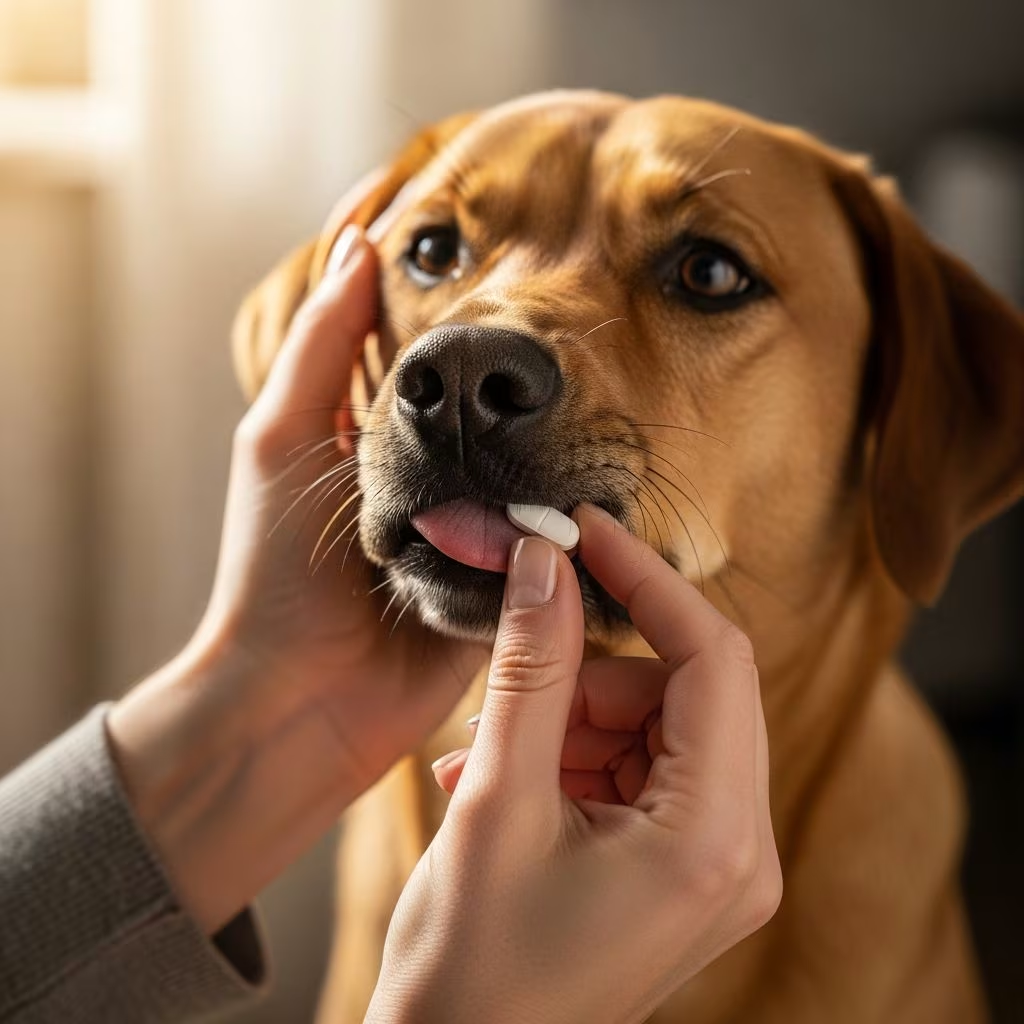
Giving your dog a pill can be challenging, but with the right techniques, it becomes manageable and stress-free for both you and your pet. Whether using food to disguise medication or direct methods like pillers, these strategies ensure your dog gets the full dose needed for their health.
Why It’s Important to Give Your Dog Their Medication
Administering medication correctly is crucial for your dog’s recovery or ongoing health management. Incomplete doses can lead to ineffective treatment, antibiotic resistance, or worsening conditions. Always follow your veterinarian’s instructions precisely to ensure safety and efficacy. Preparation starts with reading labels, confirming dosages, and creating a calm environment to minimize anxiety.
Preparation Tips Before Giving Your Dog a Pill
Success begins with preparation. Wash and dry your hands to avoid slipping. Gather all supplies: pills, treats, towels, and any tools like syringes or pillers. Check the prescription label for dosage and timing. For refrigerated liquids, warm the syringe by holding it in your hands or placing it in warm water—never microwave. Set up a quiet space with treats ready for rewards. Having everything organized prevents chasing your dog, which can lead to bites or stress.
Method 1: Hide the Pill in Food
The simplest approach is disguising the pill in tasty food your dog loves. This works best for dogs who eat quickly without chewing thoroughly.
- Deli meats: Wrap the pill in a small slice of turkey, ham, or chicken. Ensure it’s unseasoned and xylitol-free.
- Peanut butter: Use a dab (xylitol-free only) to encase the pill. Avoid sugar-free varieties toxic to dogs.
- Cheese or meatballs: Small bits of soft cheese or homemade meatballs hide pills well.
- Cooked sweet potatoes or wet food: Mash around the pill or form into a tiny ball. Heat wet food slightly to enhance aroma.
Hand-feed to confirm swallowing. Separate the medicated portion from the main meal. Monitor for spitting or vomiting afterward. Note: Consult your vet before using food, as some meds interact with dairy or require empty stomachs.
Method 2: Use Pill Pockets or Treats
Pill pockets are pre-made, flavored treats designed to envelop pills. Mold the dough around the medication for a seamless treat.
- Choose flavors your dog prefers, like peanut butter or chicken.
- Some dogs learn to expect meds from these, so rotate with plain treats.
For suspicious dogs, use the “1-2-3 system”: Offer a plain treat first, then the medicated one, followed by another plain treat. This builds trust and eagerness.
Method 3: Direct Pilling Technique
If food fails, administer directly. This requires confidence and gentleness to avoid bites or choking.
- Gently tilt your dog’s head back slightly.
- Place the pill far back on the tongue, behind the hump, using fingers or a tool.
- Close the mouth, stroke the throat, and blow on the nose to encourage swallowing.
- Keep mouth closed until you see a swallow.
Avoid putting fingers between teeth. Praise and reward immediately after.
Using a Pet Piller (Pill Popper or Pill Gun)
For resistant dogs or hand-shy owners, a pet piller is ideal. These plastic devices load the pill at one end and shoot it to the back of the throat.
- Load the pill into the rubber tip.
- Insert to the back of the tongue, not too deep to prevent gagging.
- Press the plunger and hold mouth closed until swallowed.
Practice with empty pillers first to acclimate your dog. They’re inexpensive and available at pet stores.
How to Give Liquid Medicine to a Dog
Liquid meds can be easier for some dogs. Use an oral syringe for precision.
- Draw the exact dose.
- Insert syringe tip into the side of the mouth, behind canine teeth.
- Squirt small amounts slowly onto the tongue, keeping head level.
- Massage throat and reward.
Alternatively, mix into wet food or treats. Use a towel bib for spills. Two people help: one holds, one administers.
Do’s and Don’ts When Giving Your Dog Medicine
Follow these guidelines for safety.
| Do’s | Don’ts |
|---|---|
| Prepare meds in advance and hand-feed disguised pills. | Chase or corner your dog—risks bites. |
| Place pills far back on tongue and stroke throat. | Microwave medications. |
| Warm liquids safely and squeeze slowly. | Crush pills or open capsules without vet approval—alters efficacy. |
| Reassure, praise, and reward. | Re-dose if spit out without vet advice. |
| Monitor post-administration. | Insert piller too far—choking risk. |
Tips for Difficult Dogs or Special Cases
For picky eaters, give meds before mealtime when hungry. Large dogs may need two people; small ones require tiny treats. If your dog refuses repeatedly, consult your vet for alternatives like flavored liquids or injections. Never risk injury—seek professional help if needed.
Common Mistakes and How to Avoid Them
Placing pills on the front tongue leads to spitting—aim for the back. Over-squeezing liquids causes aspiration. Grinding pills destroys coatings for extended-release meds. Always double-check interactions and allergies with your vet.
Frequently Asked Questions (FAQs)
Can I crush my dog’s pill and mix it in food?
No, unless approved by your vet. Crushing can alter absorption or taste, making it bitter and ineffective.
What if my dog spits out the pill?
Do not re-dose without vet guidance to avoid overdose. Monitor and try another method.
Is peanut butter safe for hiding pills?
Yes, but only xylitol-free versions, as xylitol is toxic to dogs.
How do I know if my dog swallowed the pill?
Watch for licking lips or nose, and check the mouth. Stroke throat and blow on nose to stimulate.
What if my dog won’t take liquid medicine?
Mix with a small amount of wet food or use a treat designed for liquids. Administer slowly via syringe.
Final Thoughts
With patience and these techniques, medicating your dog becomes routine. Consistency builds trust, ensuring better health outcomes. Always prioritize safety and consult your veterinarian for personalized advice.
References
- How to Give Your Dog Medicine: Expert Tips and Tricks — CareCredit. 2023. https://www.carecredit.com/well-u/pet-care/how-to-give-dog-medicine/
- How to Give a Dog a Pill: 8 Tips to Try — GoodRx. 2024-01-15. https://www.goodrx.com/pet-health/dog/how-to-give-dog-medicine
- Your Dog Won’t Take Pills? 5 Easy Solutions — ToeGrips. 2023. https://toegrips.com/dog-wont-take-pills/
- How to Give a Dog a Pill Using Foods That Are Safe — PetMD. 2024. https://www.petmd.com/dog/care/how-give-dog-pill-using-foods-are-safe
- How to Give a Dog a Pill – Tips & Tricks — Stella & Chewy’s. 2023. https://www.stellaandchewys.com/blogs/articles/how-to-give-a-dog-a-pill



