

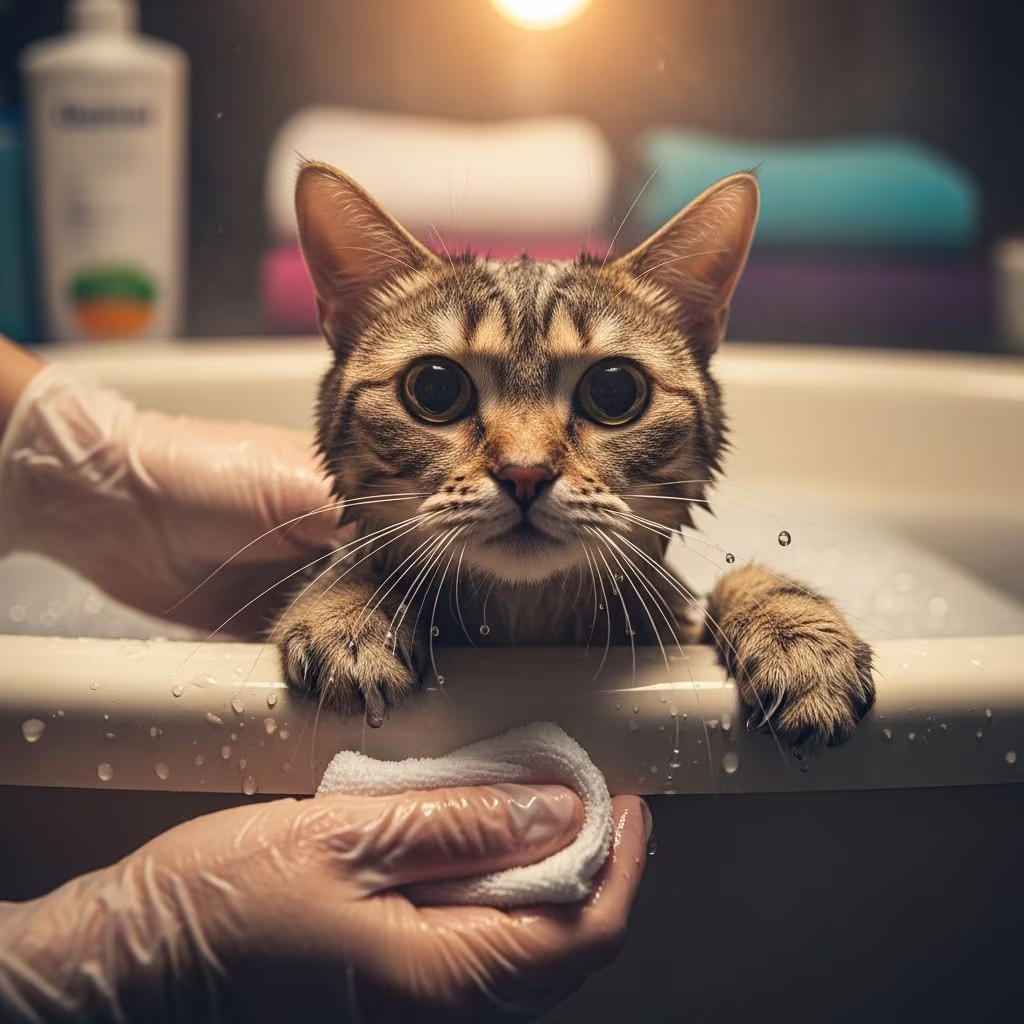
Fleas are a common nuisance for cats, causing itching, discomfort, and potential health issues like flea allergy dermatitis. While topical treatments and collars are preferred for prevention, a flea bath becomes necessary for heavy infestations. This guide provides a comprehensive, step-by-step approach to bathing your cat effectively while minimizing scratches and stress for both you and your feline.
Why Do Cats Need a Flea Bath?
Cats can pick up fleas from outdoors, other animals, or even indoors via eggs carried on shoes or clothing. A flea bath drowns adult fleas and removes eggs, larvae, and debris from the coat. Unlike spot-on treatments, baths offer immediate relief but should complement—not replace—veterinarian-recommended preventatives. Note that baths alone do not address environmental infestations; treat your home thoroughly to prevent reinfestation.
Preparation: Set Yourself and Your Cat Up for Success
Success starts with preparation. Rushed baths lead to scratches and panic. Gather supplies and acclimate your cat in advance.
- Choose cat-specific flea shampoo: Use products labeled for cats, as dog shampoos contain pyrethrin levels toxic to felines. Look for shampoos that kill fleas and eggs on contact, allowing 5-10 minutes dwell time.
- Gather tools: Sink or basin with lukewarm water (about 100°F), sponge or cloth, flea comb, towels, treats, gloves, and optional harness or towel wrap.
- Trim nails: Gently clip your cat’s claws 24 hours prior to reduce scratch risk.
- Calm your cat: Play or feed a meal beforehand to relax them. Have treats ready for positive reinforcement.
- Protect yourself: Wear long sleeves, pants, and thick gloves. Consider a partner’s help—one holds, one washes.
Step-by-Step Guide to a Scratch-Free Flea Bath
Follow these steps precisely for a safe, effective bath. Aim for 10-15 minutes total.
- Secure your cat: Wrap in a towel ‘burrito-style,’ exposing only the head and body sections as needed. This ‘purrito’ technique restrains legs without harm.
- Wet the coat: Use kitchen sink with 2-4 inches lukewarm water. Sponge neck, back, belly, and legs—avoid face, eyes, mouth. Fleas cluster at head/neck, so comb later.
- Apply shampoo: Lather generously from neck down. Massage 5-10 minutes to kill fleas/eggs. Rinse thoroughly to prevent residue ingestion.
- Repeat if needed: For heavy infestations, do a second lather-rinse cycle.
- Avoid the head: Wipe with damp cloth or use flea comb dipped in soapy water for ears/neck.
| Step | Key Tip | Common Mistake to Avoid |
|---|---|---|
| 1. Secure | Purrito wrap | Holding loosely |
| 2. Wet | Lukewarm sponge | Cold/hot water |
| 3. Lather | 5-10 min dwell | Rushing rinse |
| 4. Rinse | Multiple passes | Soap residue |
Tips to Prevent Scratches During the Bath
Cats scratch from fear or surprise. Proactive strategies keep claws at bay.
- Use the sink method: Less intimidating than a tub; easier control.
- Distraction tactics: Partner feeds lickable treats (e.g., squeeze treats) at head while you wash body.
- Slow movements: Speak softly, avoid sudden splashes.
- Harness option: For aggressive cats, use a cat harness clipped to a stable point.
- Timing: Bathe post-meal when drowsy, never when hungry or hyper.
If scratches occur, apply antibiotic ointment and monitor for infection.
Post-Bath Care: Dry, Comb, and Comfort
The bath is half the battle—proper drying prevents chills and reinfestation.
- Towel dry: Gently pat with absorbent towels. Wrap and hold 5-10 minutes for warmth and bonding.
- Flea comb: Comb thoroughly to remove dead fleas/eggs. Dip comb in soapy water to drown them.
- Dry ears: Use cotton balls to wick moisture, preventing infections.
- Warmth for kittens: Use heating pad on low under towels; kittens can’t self-regulate temperature.
- Brush coat: Remove loose fur and remaining debris.
Monitor for 24 hours: lethargy or shivering warrants vet attention.
Special Considerations for Kittens
Kittens under 12 weeks require extra caution. Consult a vet first—many prefer manual removal over baths.
- Flea comb primary: Comb over white paper; drown fleas in soapy water.
- Mild soap only: Diluted Dawn dish soap (1:10) if bathing; rinse extra well. Not a long-term solution.
- Warm environment: Bath in 102°F water; dry with warm towels/heating pad.
- Short sessions: 5 minutes max to avoid hypothermia.
- Vet products: Wait for preventatives safe at 8-12 weeks (e.g., Revolution).
Avoid commercial flea dips on kittens; pyrethrins are often fatal even at correct doses.
How Often Should You Give a Flea Bath?
Baths are not routine—overuse strips natural oils, causing dry skin. Limit to once weekly max during infestation, then switch to preventatives. Consult vet for frequency based on severity. Environmental control is key: vacuum daily, wash bedding, use premise sprays on carpets/baseboards.
Alternatives to Flea Baths
Baths are interim; safer options exist.
| Method | Pros | Cons | Safe For |
|---|---|---|---|
| Spot-on (e.g., Revolution) | Monthly, kills eggs | Rx needed | 8+ weeks |
| Collars (e.g., Seresto) | 8 months protection | Odor initial | Kittens ok |
| Orals (e.g., Comfortis) | Fast kill | Rx only | 14+ weeks |
| Flea Dips | Immediate | Toxic risk high | Vet supervised |
Never use dog products—cats lack enzymes to metabolize pyrethroids.
Preventing Fleas Year-Round
Prevention beats cure. Use monthly topicals/collars; treat all pets and home. Vacuum/wash weekly; focus hotspots like beds/carpets where larvae hide.
Frequently Asked Questions (FAQs)
What if my cat hates water?
Use minimal water via sponge, lots of treats, and purrito wrap. Consider vet-administered bath for severe cases.
Can I use Dawn dish soap for fleas?
Diluted Dawn drowns fleas short-term but strips oils; pair with vet preventatives. Not for frequent use.
How do I treat my home?
Vacuum daily, steam clean, use IGR sprays on carpets/furniture. Isolate cat during treatment.
Is flea dip safe for cats?
Rarely recommended due to toxicity risks like tremors or death. Prefer topicals/orals.
When to see a vet?
If anemia (pale gums), hair loss, or post-bath symptoms like vomiting occur.
References
- How to Give Your Cat a Flea Bath — Hartz. Accessed 2026. https://www.hartz.com/how-to-give-your-cat-a-flea-bath/
- Flea Control in Cats — VCA Animal Hospitals. Accessed 2026. https://vcahospitals.com/know-your-pet/flea-control-in-cats
- What To Know About Flea Dips for Cats — PetMD. 2023. https://www.petmd.com/cat/general-health/what-to-know-about-flea-dips-cats
- What You Should Know About Flea Product Toxicity in Dogs and Cats — MedVet. Accessed 2026. https://www.medvet.com/know-flea-product-toxicity-dogs-cats/
- How Often Should I Give My Cat a Flea Bath? A Comprehensive Guide — UAH Pet. Accessed 2026. https://www.uahpet.com/blogs/post/how-often-should-i-give-my-cat-a-flea-bath-a-comprehensive-guide



