

How to Get Your Dog to Trust You: Building a Lasting Bond
Building trust with your dog is one of the most rewarding aspects of dog ownership. Trust forms the foundation of a healthy relationship between you and your pet, making everything from veterinary visits to introducing new family members significantly more manageable. When you establish a trust-based relationship with your dog, not only do stressful situations become easier to handle, but your overall bond deepens, creating years of companionship and mutual respect.
Trust, however, doesn’t happen overnight. It requires time, patience, consistency, and a genuine understanding of your dog’s individual personality and preferences. Working at your dog’s pace and allowing her to lead the way are essential components of this process. By implementing strategic trust-building techniques, you can create an environment where your dog feels safe, understood, and valued.
Understanding the Foundation of Dog Trust
Before diving into specific techniques, it’s important to understand what trust means in the context of your relationship with your dog. Trust is built when your dog learns what to expect from you in various situations. Dogs thrive on predictability and consistency—they need to know that their human is reliable and won’t place them in situations they’re not prepared to handle.
Trust also encompasses your dog’s confidence in your leadership. When your dog trusts you, she’s more likely to follow your guidance, remain calm in uncertain situations, and feel secure knowing you have her best interests in mind. This foundation of trust makes training easier, reduces anxiety, and creates a more harmonious household.
Key Principles for Building Trust With Your Dog
Let Your Dog Come to You
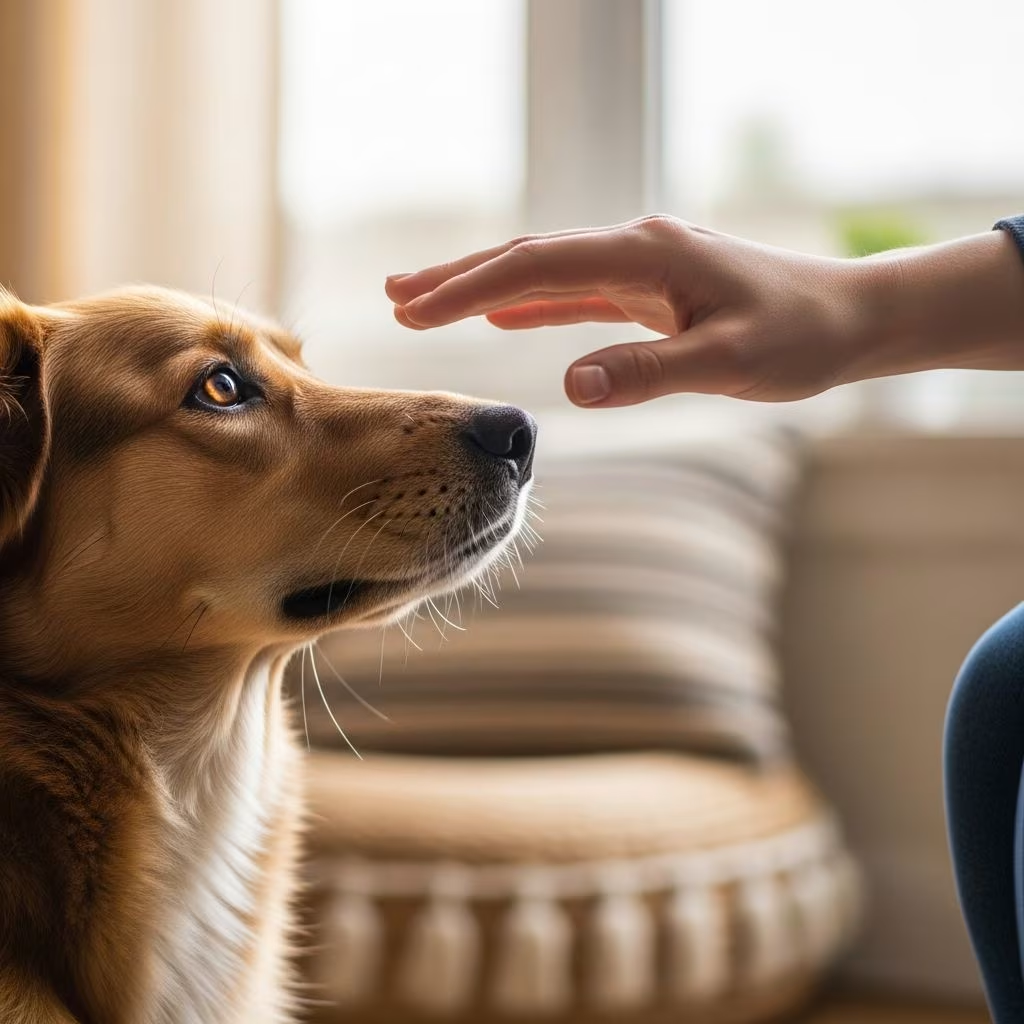
One of the most powerful trust-building techniques is allowing your dog to make the first move. Rather than immediately approaching your dog or forcing interactions, give her the space and opportunity to approach you on her own terms. This approach respects your dog’s boundaries and allows her to control her environment until she understands what to expect from you.
When you let your dog come to you, you’re demonstrating that you respect her autonomy and won’t overwhelm her. This is particularly important when you first bring a dog home or when working with a dog who has had previous negative experiences. By allowing your dog to initiate contact, you’re establishing yourself as someone who listens and respects her needs.
Engage in Trust-Building Activities
Trust takes time and effort to develop. One of the most effective ways to strengthen your bond is by offering your dog things she genuinely enjoys. This might include:
- High-quality dog treats and rewards
- Interactive toys and games
- Regular walks and outdoor adventures
- Playtime in the backyard or park
It’s crucial to recognize that each dog has unique preferences. Some dogs may be highly motivated by food treats, while others prefer toys, attention, or physical play. Spend time observing what truly excites and rewards your individual dog, then incorporate those elements into your daily interactions.
Having fun together is another excellent trust-building strategy. Engaging in dog sports—whether formally through classes or informally in your backyard—teaching tricks, playing games, and participating in enjoyable activities together significantly strengthen your bond. These shared positive experiences create lasting memories and reinforce your dog’s confidence in you as a fun, reliable companion.
Be Consistent in Your Behavior
Consistency is absolutely essential when building trust with your dog. Imagine if your boss changed the rules at work unexpectedly without explanation—you’d likely feel confused and lose confidence in their leadership. The same principle applies to dogs.
Dogs don’t understand spoken language the way humans do. When you’re inconsistent with your behavior, rules, or expectations, your dog becomes confused about what you actually want from her. This unpredictability erodes trust because your dog no longer knows what to expect. Consistency teaches your dog that you’re reliable and predictable, which is reassuring for her and makes her more willing to trust your guidance.
Consistent behavior means:
- Using the same commands and signals consistently
- Maintaining predictable routines for feeding, walks, and playtime
- Responding the same way to specific behaviors
- Following through with the same training methods
- Establishing clear boundaries that don’t change based on your mood
Building Trust With a Scared or Traumatized Dog
Dogs who have experienced trauma—such as shelter dogs, rescue dogs, or those who have lost their homes—may require additional time and patience to learn to trust. These dogs have often endured difficult transport situations, uncertain living conditions, and broken bonds with previous owners. The healing process cannot be rushed.
For a traumatized dog, it can take anywhere from three to six months to fully settle into a new environment. During this adjustment period, your dog’s behavior may change significantly as she decompresses and learns to trust again. This is completely normal and should be expected as part of the recovery process.
Using Rewards-Based Training for Scared Dogs
Starting rewards-based training immediately is one of the best approaches for traumatized dogs. This doesn’t mean intensive training sessions—something as simple as asking her to sit for a treat a few times throughout the day can be incredibly effective.
Rewards-based training for scared dogs includes:
- Keeping training sessions short and positive
- Using high-value treats that your dog absolutely loves
- Celebrating small victories and progress
- Never forcing your dog to participate
- Allowing your dog to opt out if she feels overwhelmed
- Building confidence through small, achievable successes
This approach helps your dog learn that you’re a source of good things and that the world is becoming a safer, more predictable place. As she succeeds in these small training moments, her confidence grows, and her willingness to trust you increases.
How to Tell If Your Dog Trusts You
Understanding your dog’s body language is the key to recognizing whether she trusts you. Dogs communicate through their physical behavior long before they resort to more dramatic actions like growling or snapping. Learning to read these subtle signals is critical for maintaining and deepening trust.
Positive Signs of Trust
When a dog trusts you, her body language will reflect comfort and confidence around you:
- Relaxed posture with loose, wagging tail
- Soft, forward-facing ears
- Direct eye contact (not staring)
- Willingness to approach and stay near you
- Seeking your attention and affection
- Following you from room to room
- Playing with you in an engaged, joyful manner
Warning Signs Your Dog May Not Trust You Yet
If your dog is showing signs of discomfort, it’s important to recognize these signals and adjust your approach:
- Backing away or creating distance from you
- Tucked tail
- Ears pinned back against her head
- Avoidance behavior or hiding
- Stiffness or tension in her body
- Yawning or lip licking (stress signals)
- Slow or reluctant movements
If you notice your dog backing away in fear, it’s crucial to stop the interaction and give her space. Your dog is communicating her discomfort, and respecting that message is fundamental to building trust. Never push your dog into situations she’s showing signs of not being ready for, such as learning to swim if she’s displaying fear-based backing away. Forcing her into these situations will damage trust rather than build it.
Respecting Your Dog’s Boundaries
One of the most important aspects of trust-building is understanding and respecting your dog’s boundaries. A dog who knows you won’t place her in situations she isn’t prepared to handle will trust you more deeply. This means paying attention to her signals and being willing to step back when she’s uncomfortable.
When your dog is worrying about something or showing discomfort, consider moving her away from the trigger if possible. If you’re the one causing her worry—perhaps through too much handling or overstimulation—it’s time to stop the interaction and provide space. This demonstrates that you listen to her and value her well-being over your own desires.
The Long-Term Benefits of Building Trust
Investing time and effort into building trust with your dog pays dividends throughout her entire life. Dogs who trust their owners are:
- Less anxious and stressed in new situations
- More responsive to training and commands
- Easier to handle during grooming and veterinary visits
- Better behaved around new people and animals
- More confident and well-adjusted overall
- More likely to stay by your side in challenging situations
Perhaps most importantly, trust creates the foundation for a deeper human-animal bond. When your dog trusts you completely, you’re not just her owner—you’re her leader, her protector, and her best friend. This relationship enriches both of your lives and creates a partnership built on mutual respect and genuine affection.
Frequently Asked Questions About Building Trust With Dogs
Q: How long does it take to build trust with a new dog?
A: Building trust varies depending on the individual dog and her background. Most dogs begin showing signs of trust within weeks, but complete trust can take several months. Traumatized or rescue dogs may require three to six months to fully settle and develop complete trust in their new environment.
Q: What if my dog doesn’t seem to trust me yet?
A: If your dog shows signs of not trusting you, slow down and reassess your approach. Give her more space, let her come to you on her terms, use higher-value rewards, and ensure you’re being completely consistent with your behavior and expectations. Consider working with a professional dog trainer or behaviorist if progress isn’t being made.
Q: Can I rebuild trust with a dog if I’ve made mistakes?
A: Yes, trust can be rebuilt, but it takes time and consistent positive interactions. Focus on being predictable and rewarding, avoid repeating previous mistakes, and be patient as your dog learns to trust you again. Professional help can be invaluable in these situations.
Q: Is positive reinforcement important for building trust?
A: Absolutely. Positive reinforcement—rewarding good behavior with treats, praise, or toys—is one of the most effective ways to build trust. It teaches your dog that good things happen when she’s around you and that you’re a source of positive experiences.
Q: Should I punish my dog to establish authority?
A: No. Punishment-based training erodes trust and can create anxiety or fear in your dog. Trust is built through consistency, positive rewards, and respectful leadership—not through punishment or intimidation. Positive reinforcement is more effective and creates a healthier relationship.
Q: What should I do if my dog shows signs of fear around me?
A: If your dog is fearful, immediately stop whatever you’re doing and give her space. Never force interaction or push her into situations she’s afraid of. Instead, focus on building positive associations through treats, calm presence, and patience. A professional behaviorist can help address fear-based issues.
References
- How to Get Your Dog to Trust You — Chewy. 2025. https://www.chewy.com/education/dog/training-and-behavior/how-to-get-your-dog-to-trust-you
- Your Essential Guide to Basic Dog Obedience Training — Chewy. 2025. https://www.chewy.com/education/dog/training-and-behavior/sit-stay-and-beyond-weve-got-the-essential-guide-to-basic-dog-obedience-training
- How to Bond With Your New Dog — Chewy. 2025. https://www.chewy.com/education/dog/training-and-behavior/how-to-bond-with-your-dog
- 6 Tips for Boosting Your Dog’s Confidence — Chewy. 2025. https://www.chewy.com/education/dog/training-and-behavior/training-training-tips-6-tips-for-boosting-your-dogs-confidence



