

How to Get Your Cat to Use the Litter Box
One of the most important aspects of cat ownership is ensuring your feline companion uses the litter box consistently and reliably. While many people assume cats naturally know how to use a litter box, the reality is that this behavior must be taught and reinforced through patience, proper setup, and consistent training methods. Whether you’re working with a kitten or an adult cat, understanding the fundamentals of litter box training can make the process smooth and successful.
Understanding Feline Instincts
Cats do not inherently understand the concept of using a litter box. Kittens learn litter box habits from their mother at around four weeks of age through observation and imitation. This learning happens so naturally that humans often don’t realize active instruction is taking place. However, orphaned kittens or cats without maternal guidance require human intervention to learn this essential skill. Without proper introduction, cats will randomly select a spot to eliminate based on the texture they encounter, whether that’s carpeting, cloth towels, or other materials. Understanding this natural learning process helps cat owners approach training with realistic expectations and appropriate techniques.
Before You Begin: Essential Supplies and Preparation
Before starting the litter box training process, gather the necessary supplies to set yourself and your cat up for success.
Required Supplies
– Litter box (or multiple boxes for multi-cat households)- Quality cat litter- Litter scoop- Cat pads or absorbent materials- Pet-safe cleaning products- Enzyme-based odor neutralizer
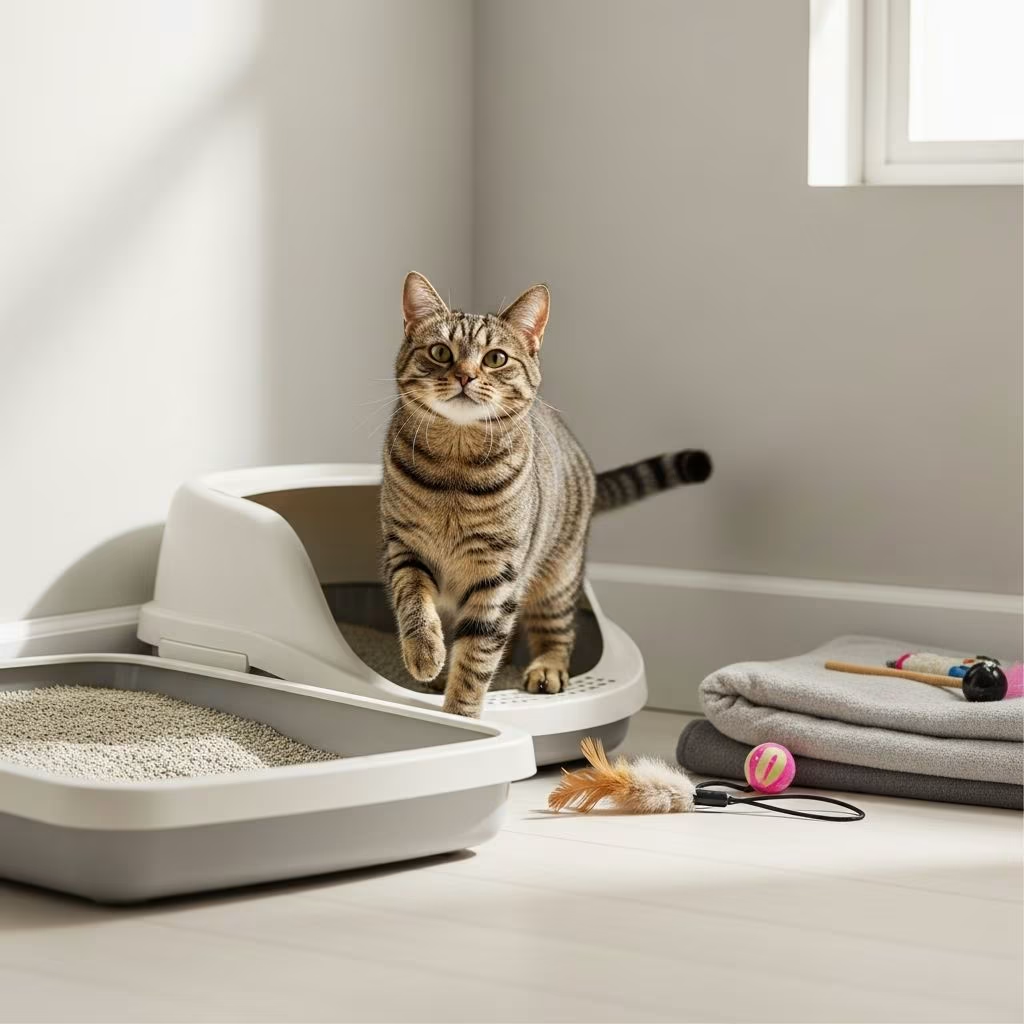
Choosing the Right Litter Box: Litter boxes come in various styles, including covered boxes, corner-shaped boxes that maximize space, and open designs. Consider your cat’s age, size, and mobility when selecting a box. Covered boxes provide privacy but may trap odors, while open boxes offer easy access and better odor control. The key is choosing a size appropriate for your cat, allowing them to comfortably turn around and dig.
Selecting Appropriate Litter: Clumping litter is the most popular and convenient choice among cat owners because it bonds when wet, forming clumps that are easy to remove. This litter allows for daily scooping without complete litter changes. Avoid heavily scented or clay-based litters, as cats often prefer plain, unscented varieties. If changing litter types, introduce the new litter gradually by replacing one-third of the old litter with the new variety, then increasing the proportion over several days.
Setting Up the Perfect Litter Box Location
Location is perhaps the most critical factor in successful litter box training. Most cats prefer quiet, private spaces away from high-traffic areas and loud appliances. The placement strategy significantly impacts whether your cat will use the box consistently.
Ideal Location Characteristics
– Located in a quiet, private area of your home- Away from the cat’s food and water bowls- Away from sleeping areas and cat beds- Easily accessible without obstacles or gates- Not hidden in tight corners or closets where cats might feel trapped- Away from high-traffic family areas- In well-lit spaces rather than dark corners
Cats naturally prefer not to eliminate in the same area where they eat, and many will refuse to use a litter box placed too close to their food dishes. This instinct stems from their desire to keep their living and bathroom areas separate. If you have a multi-story home, place at least one litter box on each floor to ensure easy access. In multi-cat households, follow the guideline of providing one box per cat, plus one additional box, spread throughout different areas of your home.
When relocating a litter box to a new location, move it gradually a few feet each day rather than moving it all at once. Cats may become oriented to the location rather than the box itself, and sudden moves can cause confusion about where the bathroom is located.
The Four-Step Litter Box Training Process
Once you’ve prepared your supplies and selected the perfect location, follow these four essential steps to train your cat to use the litter box reliably.
Step 1: Proper Box Placement
Begin by placing the litter box in your chosen quiet location. Show your cat or kitten the box and gently place them inside so they can become familiar with it. Allow them to explore the box at their own pace. Don’t expect immediate results—some cats need time to adjust to the new space and understand its purpose. Let them investigate the texture and smell of the litter without pressure or expectations.
Step 2: Fill with Appropriate Litter Depth
Cover the bottom of the box with approximately two to three inches of litter. Cats need sufficient depth to dig a hole and cover their waste afterward. Insufficient litter prevents them from performing this natural behavior, which may discourage box use. After your cat eliminates, they instinctively want to cover their mess, so providing enough material is essential. Regularly add clean litter after scooping to maintain the proper depth throughout the day.
Step 3: Frequent Box Placement Throughout the Day
Place your cat in the litter box multiple times daily, particularly during predictable elimination times. The most critical times are immediately after waking from sleep and after meals. Kittens have more frequent elimination needs and may need to go almost immediately after eating. If you catch your cat in the act of eliminating elsewhere, gently interrupt them and immediately carry them to the litter box. Consistent placement during these key times helps establish the association between the box and elimination needs.
Step 4: Positive Reinforcement and Praise
Whenever your cat successfully uses the litter box, provide immediate positive reinforcement through verbal praise, gentle petting, or small treats. This positive association encourages continued use of the box. Avoid punishing accidents or showing frustration, as punishment creates fear and confusion rather than understanding. Consistency and patience are far more effective than negative reinforcement in establishing lasting litter box habits.
Maintaining a Clean Litter Box
Proper maintenance is crucial for continued litter box success. A dirty or odorous box will drive your cat away, prompting them to find alternative elimination spots that meet their cleanliness standards.
Daily Maintenance
Scoop solid waste from the litter box immediately after use or at least once daily. Use a sifting scoop to efficiently remove clumped litter while retaining clean material. After scooping, add fresh litter to maintain the appropriate two to three-inch depth. This daily routine keeps the box attractive and hygienic for your cat.
Weekly Deep Cleaning
Perform a thorough cleaning at least once weekly. Empty all litter from the box into the trash, wash the box thoroughly with a pet-safe cleaner to remove bacteria and odors, rinse completely, dry the box, and refill with fresh litter. Regular deep cleaning helps prevent bacterial growth and urinary tract infections while maintaining the box’s appeal. Cats have sensitive noses and will avoid a box that smells unpleasant or dirty.
Training Kittens vs. Adult Cats
While the basic principles of litter box training apply to both kittens and adult cats, there are important differences in approach and timeline.
Kitten Training
Kittens typically learn more quickly than adult cats because they haven’t developed competing elimination habits. Begin training as soon as you bring a kitten home, placing them in the box upon waking, after meals, and after vigorous play. You can gently drag their front paws through the litter to simulate digging and covering behavior. Most kittens progress rapidly and become reliably box-trained within a few weeks. The key is preventing them from using alternative spots before the box habit becomes established.
Adult Cat Training
Adult cats may require more patience and reinforcement, especially if they’ve previously used inappropriate elimination sites. Use close supervision and confinement strategies to establish new habits. Confining the cat to a small bathroom or room with the litter box for a period allows them to learn the box location without distractions. Gradually expand their access as they demonstrate consistent box use. All previously soiled areas must be cleaned with enzyme-based odor neutralizers and visually altered to discourage re-soiling.
Troubleshooting Common Litter Box Issues
If your cat is not using the litter box consistently, systematically evaluate and address potential issues.
Problem: Elimination Outside the Box
If your cat eliminates outside the box, first ensure the box is clean and maintained daily. A dirty box is the most common reason for box avoidance. Verify that the litter box location remains in a quiet, accessible area. Consider adding an additional litter box in another location, as cats may avoid boxes they associate with negative experiences or difficult access.
Problem: Box Location Confusion
Some cats become oriented to the location of the box rather than the box itself. If you move the box and the cat continues eliminating in the old spot, move the box back gradually, shifting it a few feet every few days until it reaches the desired location. This slow transition allows the cat to adjust to the changing location.
Problem: Litter Type Rejection
If your cat avoids a newly changed litter type, gradually transition back to the familiar litter or try a different brand or texture. Some cats have strong preferences for specific litter types. Maintain the two-to-one ratio of familiar litter to new litter over a longer transition period if changing types is necessary.
Problem: Stress-Related Issues
Stress and anxiety can cause litter box avoidance. Consider using pheromone diffusers near the litter box to reduce stress. Ensure other cats aren’t guarding or blocking access to the box. Provide multiple boxes spread throughout the home to prevent territorial issues in multi-cat households.
Special Situations and Considerations
Multi-Cat Households
In homes with multiple cats, provide one litter box per cat plus one additional box, distributed throughout the home. Ensure boxes are not guarded by dominant cats, as this prevents subordinate cats from accessing them. Some cats prefer privacy while eliminating, so consider a mix of covered and open boxes to accommodate different preferences.
Senior Cats and Special Needs
Senior cats or those with mobility issues may struggle with standard litter boxes. Consider boxes with lower sides for easier entry and exit. Place boxes closer to sleeping and resting areas to reduce the distance they must travel. Increase scooping frequency as senior cats may require more frequent bathroom breaks.
Kittens Orphaned or Separated Early
Orphaned kittens require active instruction since they missed maternal guidance. Place kittens in the box frequently, use gentle paw-dragging techniques to simulate digging, and provide immediate praise when they use the box. These kittens may take longer to train but will eventually learn through consistent practice and reinforcement.
Frequently Asked Questions
Q: How long does litter box training typically take?
A: Most kittens learn within a few weeks with consistent training. Adult cats may take longer, depending on their background and past experiences. Consistency and patience are more important than speed.
Q: What should I do if my cat has an accident outside the box?
A: Avoid punishment. Instead, immediately place your cat in the litter box and clean the accident area thoroughly with enzyme-based cleaner to remove all odors. This prevents the cat from associating that spot with elimination.
Q: How many litter boxes do I need?
A: Follow the rule of one box per cat plus one additional box. For a single cat, two boxes is ideal. Distribute boxes throughout your home, especially in multi-story houses.
Q: Can I train an adult cat to use the litter box?
A: Yes, adult cats can be trained or retrained. It may take longer than with kittens, but using confinement, positive reinforcement, and patience will achieve success.
Q: What type of litter is best for training?
A: Plain, unscented clumping litter is preferred by most cats and is easiest to maintain. Avoid heavily scented or crystal litters that some cats find unpleasant.
Q: Why is my cat avoiding the litter box?
A: Common reasons include a dirty box, poor location, box preference issues, litter type rejection, or stress. Systematically evaluate each factor to identify and address the cause.
Q: How often should I clean the litter box?
A: Scoop daily and perform a thorough cleaning with fresh litter at least weekly. More frequent cleaning may be necessary for multiple cats or cats with sensitive preferences.
Conclusion: Success Through Consistency
Litter box training requires patience, consistency, and understanding of feline behavior and preferences. By providing a clean, well-placed box with appropriate litter, placing your cat in the box at predictable times, and offering positive reinforcement, you’ll establish reliable elimination habits. Remember that each cat has individual preferences regarding box type, location, and litter texture. Be willing to adjust your approach based on your specific cat’s needs. Learning your cat’s elimination schedule and recognizing their signals allows you to anticipate needs and reinforce good behavior. With dedication to these principles, your cat will develop strong litter box habits, resulting in a clean home and a well-adjusted feline companion. The time invested in proper training prevents behavioral problems and strengthens your relationship with your cat.
References
- How to Train a Cat to Use the Litter Box — Four Paws. 2025. https://www.fourpaws.com/pets-101/cat-corner/how-to-train-a-cat-to-use-the-litter-box
- Litter Box Training — Longmont Humane Society. 2024. https://www.longmonthumane.org/resources/cat-care-tips/litter-box-training/
- Cat Litter Box Tips – Do’s & Don’ts of Litter — Purina. 2025. https://www.purina.com/articles/cat/behavior/litter/cat-litter-box-tips
- Litter Training Your Cat/Kitten — Greenville Humane Society. 2021. https://www.greenvillehumane.com/wp-content/uploads/2021/05/Litter-Training-Handout.pdf
- Preventing and Solving Litter Box Problems — Animal Humane Society. 2025. https://www.animalhumanesociety.org/resource/preventing-and-solving-litter-box-problems
- Litter Box Problems — ASPCA. 2025. https://www.aspca.org/pet-care/cat-care/common-cat-behavior-issues/litter-box-problems
- Litter Boxes — Indoor Pet Initiative, The Ohio State University. 2024. https://indoorpet.osu.edu/cats/basic-indoor-cat-needs/litter-boxes



